
Chiens et sabots de cheval — History & Facts
In Chiens et sabots de cheval, Henri de Toulouse-Lautrec captures a lively scene featuring dogs and horse hooves. The colors are vibrant, with a mix of earthy tones and bright highlights that draw the viewer's eye. The dogs appear animated, suggesting movement and energy, while the horse hooves add a dynamic element to the composition.
The setting seems to reflect a rural or outdoor environment, typical of Toulouse-Lautrec's interest in everyday life. The painting is executed in oil on canvas, a medium that allows for rich textures and bold colors. The brushwork is loose and expressive, characteristic of the Post-Impressionism style. Viewers can observe the way the paint is layered, creating depth and dimension in the dogs' fur and the ground beneath them.
The approximate dimensions of the work are 60 x 80 cm, making it a moderately sized piece that invites close inspection. Henri de Toulouse-Lautrec was known for his depictions of Parisian life, but he also had a fascination with animals. This work, created in the 1890s, showcases his ability to blend humor and observation in his art. An interesting fact about this painting is that it reflects Toulouse-Lautrec's love for the countryside and the animals that inhabit it, contrasting with his more urban-themed works.
It serves as a reminder of the artist's diverse interests beyond the nightlife of Paris.
More Artworks by Henri de Toulouse-Lautrec
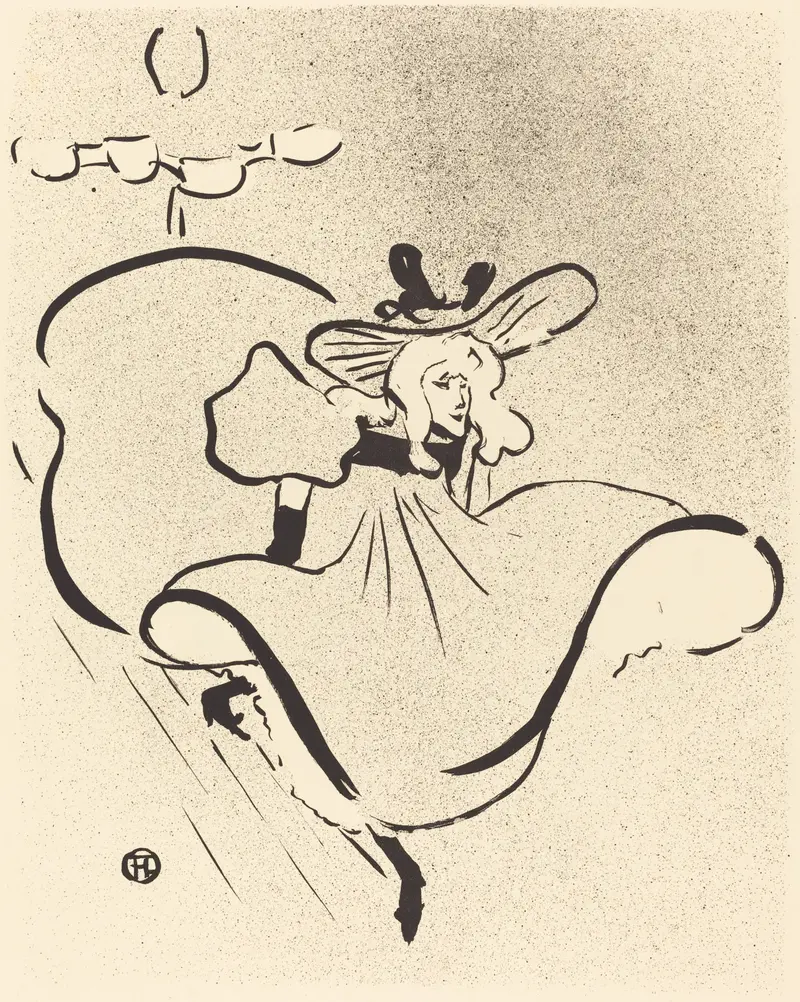
Jane Avril
Henri de Toulouse-Lautrec
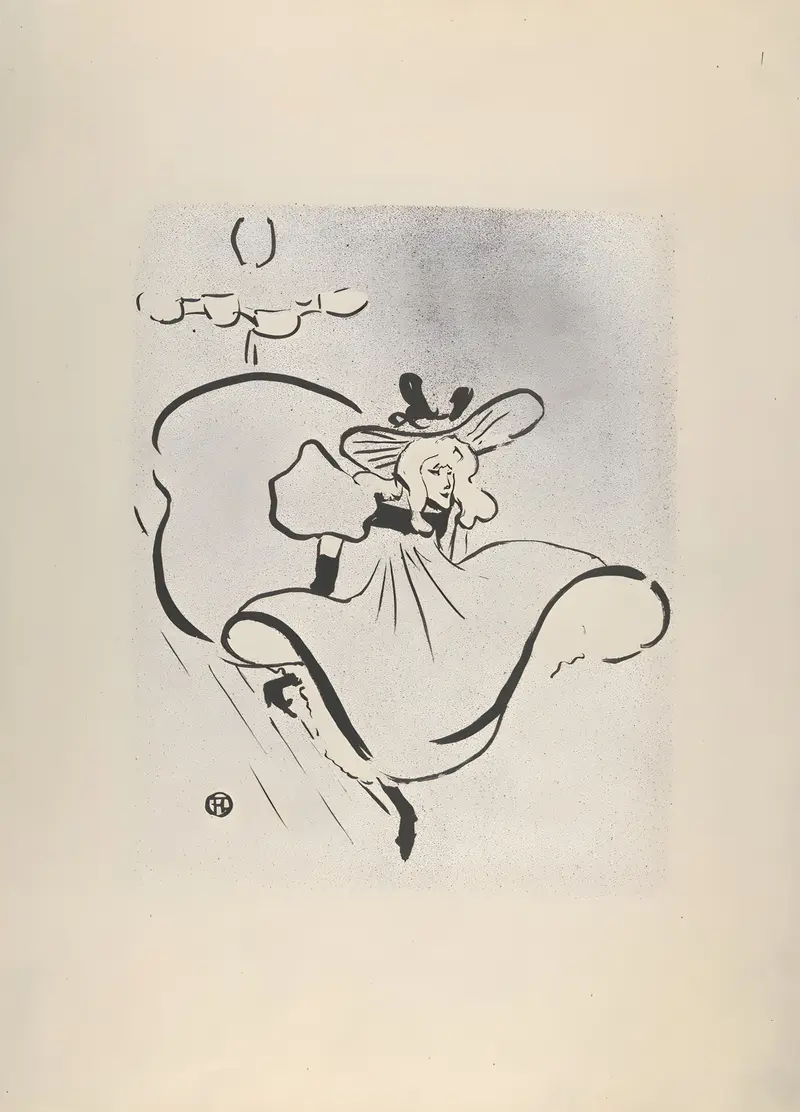
Jane Avril.
Henri de Toulouse-Lautrec

Quadrille at the Moulin Rouge
Henri de Toulouse-Lautrec
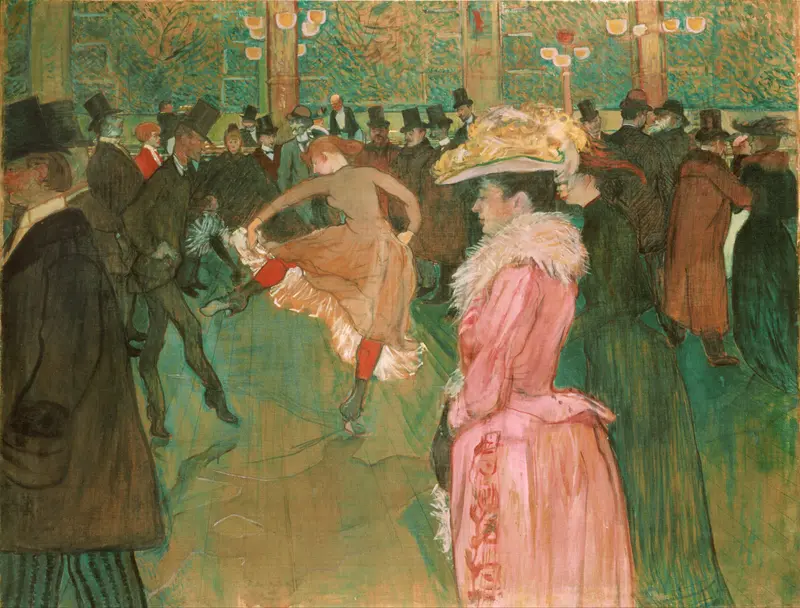
At the Moulin Rouge- The Dance
Henri de Toulouse-Lautrec
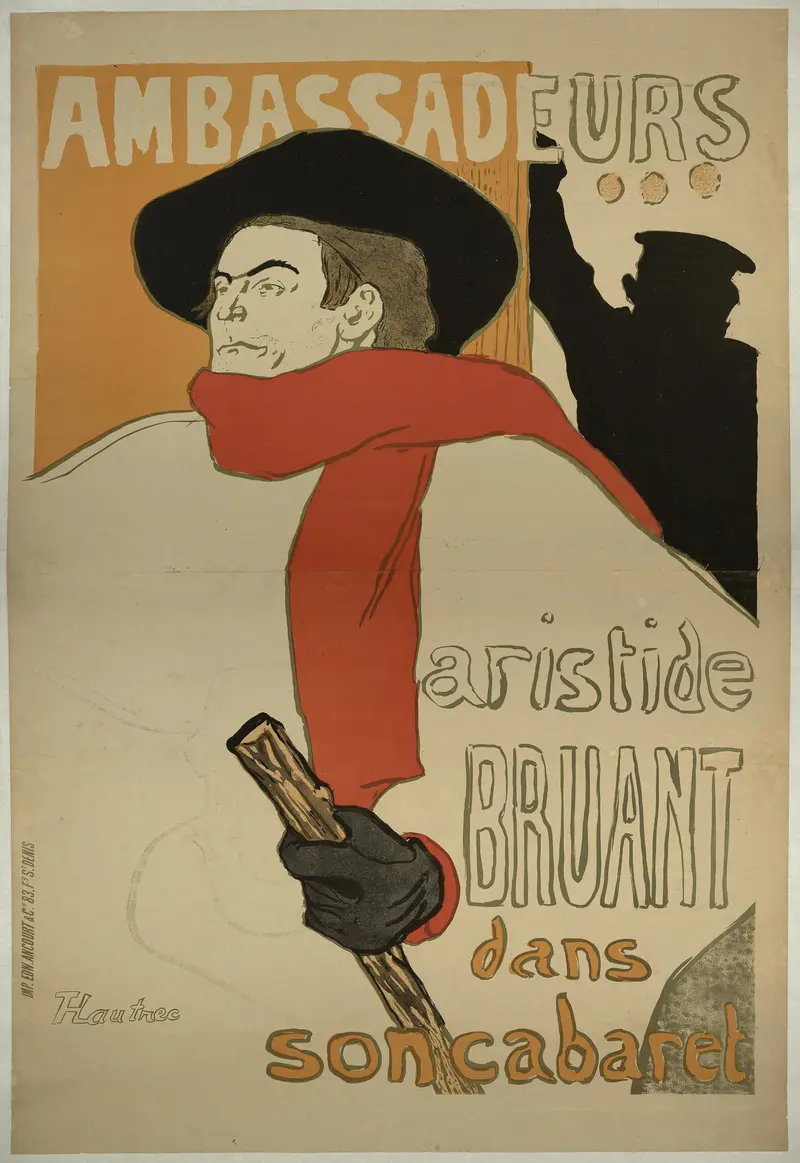
Ambassadeurs. Aristide Bruant dans son cabaret
Henri de Toulouse-Lautrec
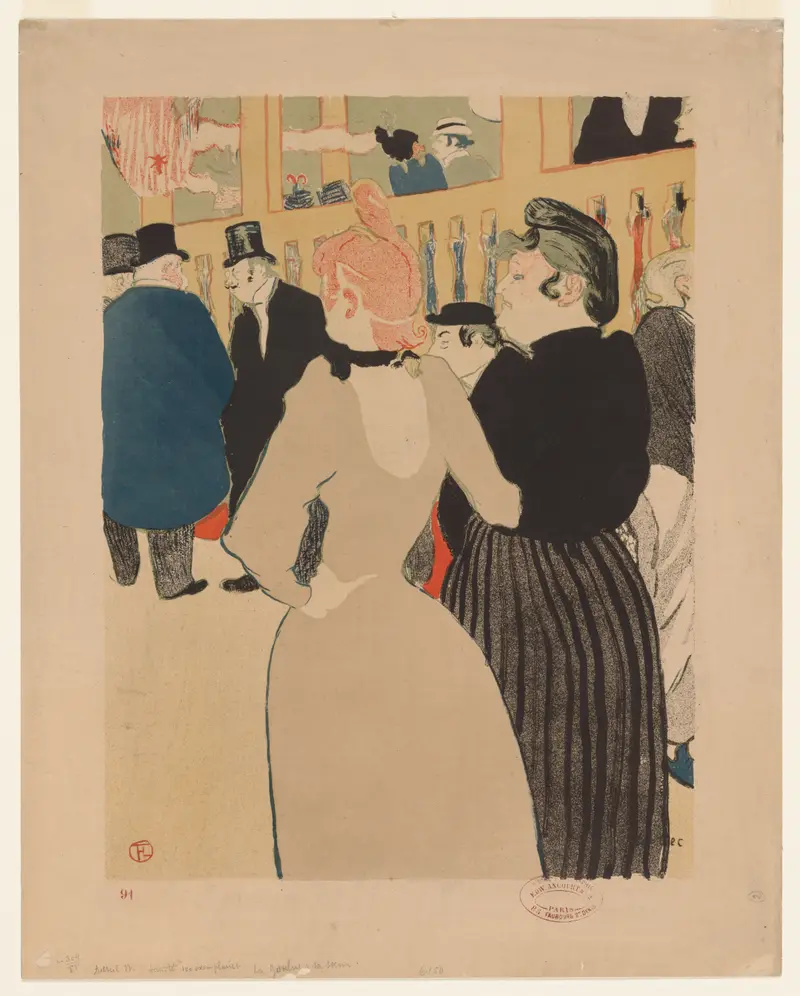
At the Moulin Rouge; La Goulue and Her Sister
Henri de Toulouse-Lautrec
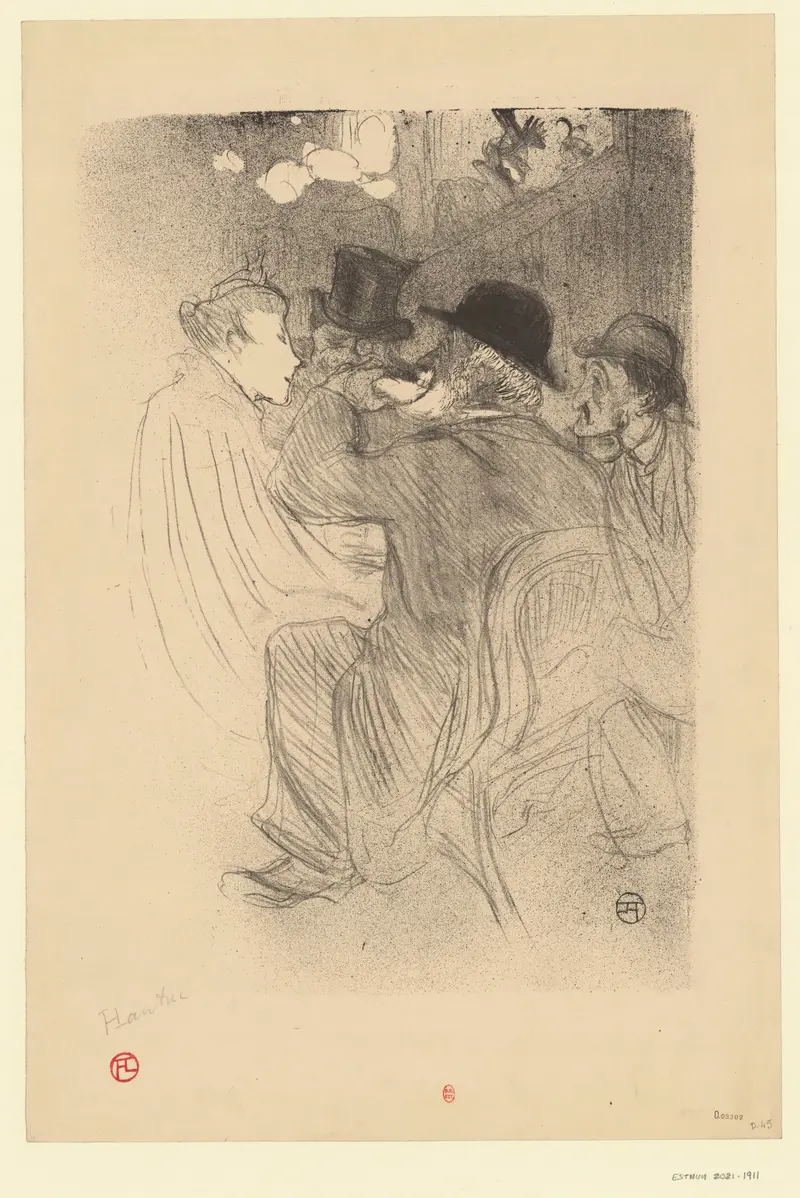
Au Moulin Rouge;Un Rude! Un Vrai Rude!
Henri de Toulouse-Lautrec
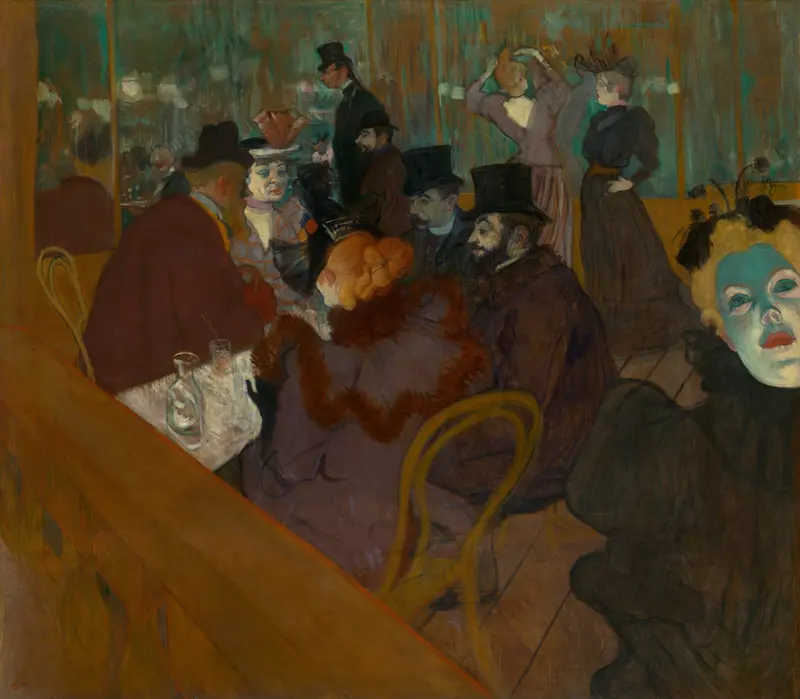
At the Moulin Rouge
Henri de Toulouse-Lautrec
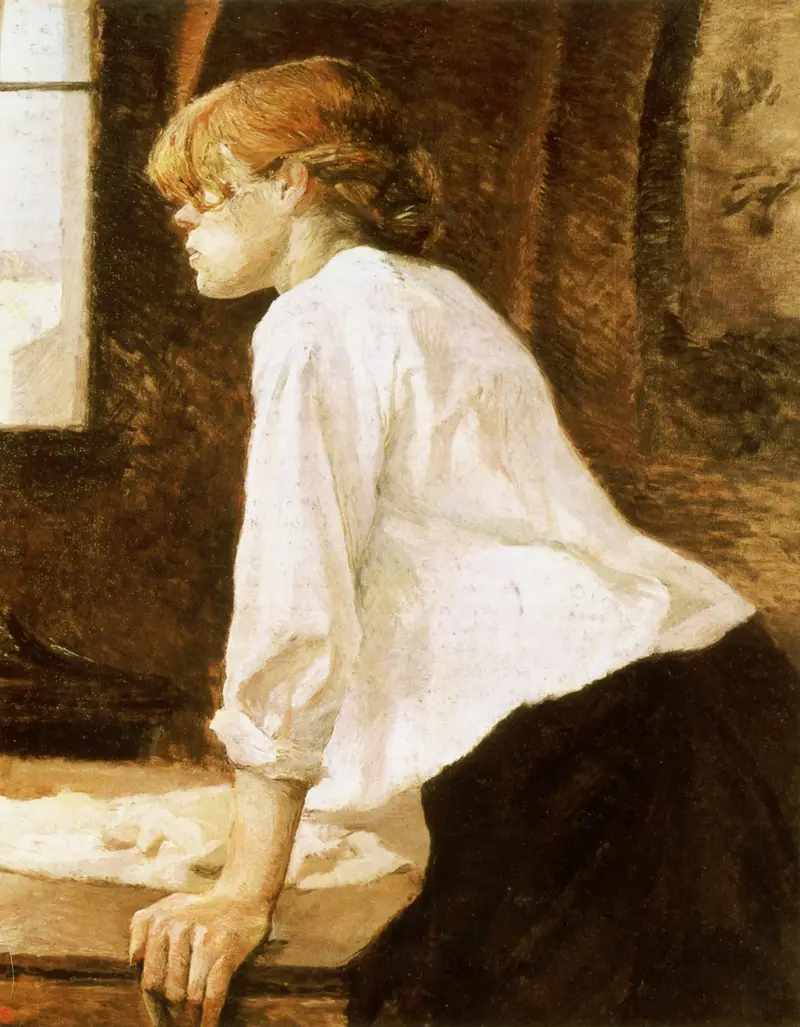
La Blanchisseuse
Henri de Toulouse-Lautrec
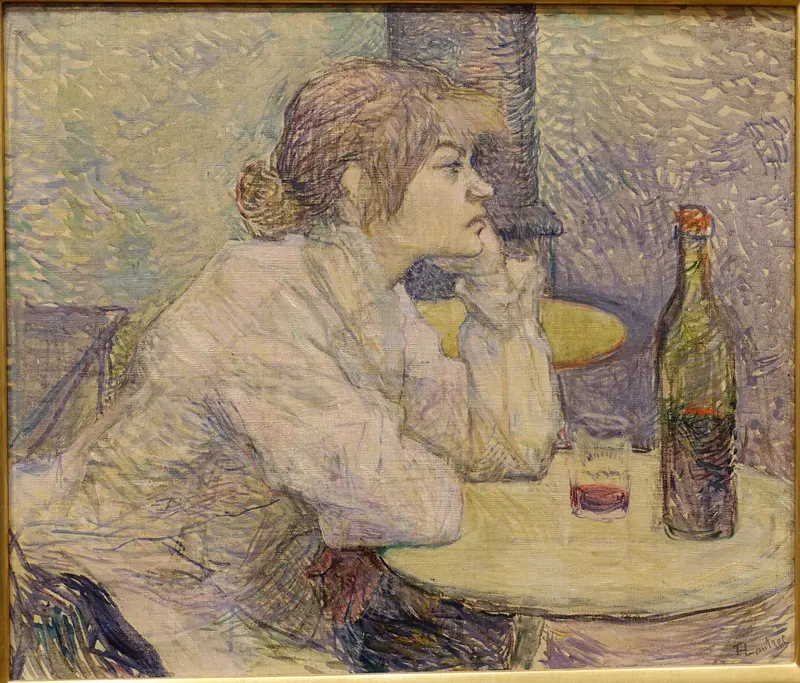
The Hangover (Suzanne Valadon)
Henri de Toulouse-Lautrec





