
Christ among the doctors — History & Facts
A shaft of light cuts through the gloom, catching the face of a young boy in the midst of a dense, urgent crowd. All eyes turn toward him, some in wonder, some in suspicion, as he gestures mid-sentence—his hand raised, his lips parted as if just about to speak. The surrounding figures, draped in heavy, earth-toned robes, lean in with furrowed brows and clutching hands, their scrolls and books tumbling open in their laps.
The painter draws you into this charged circle, letting the drama of intellect and age swirl around the central figure’s calm composure. Notice how the light not only isolates the boy, but also sculpts the anxious hands and weathered faces that frame him, each gesture a sign of debate and disbelief. Painted in 1613 by Jusepe de Ribera, this Christ among the doctors belongs to a world in which religious storytelling was both a public spectacle and a private meditation. In early seventeenth-century Spain and Italy, such scenes were commissioned by churches or wealthy patrons eager to display both their faith and their taste for the new, emotionally charged style of the Baroque.
Ribera, known for his dramatic contrasts and raw naturalism, was part of a generation that sought to bring biblical stories into the present tense—making them immediate, physical, and real. History has kept few traces of this particular canvas’s journey, but its tense, flickering energy invites us to linger, searching the faces for answers that have echoed through centuries.
More Artworks by Jusepe de Ribera

Saint Francis of Paola
Jusepe de Ribera

Penitent Saint Peter
Jusepe de Ribera
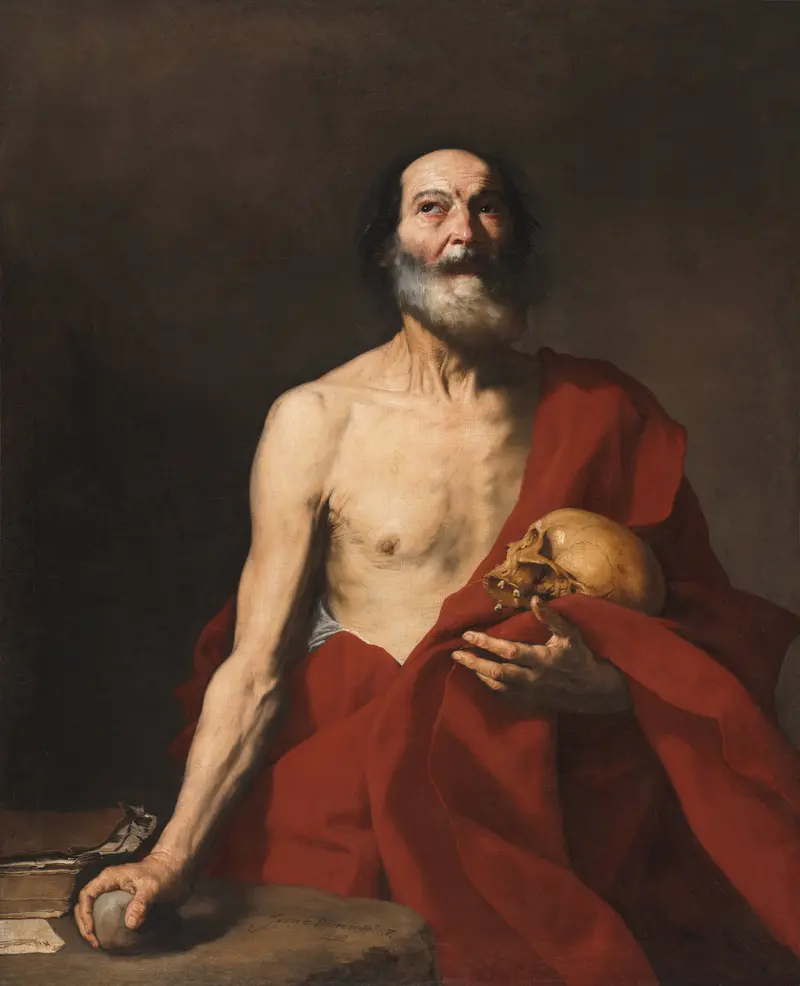
Saint Jerome
Jusepe de Ribera
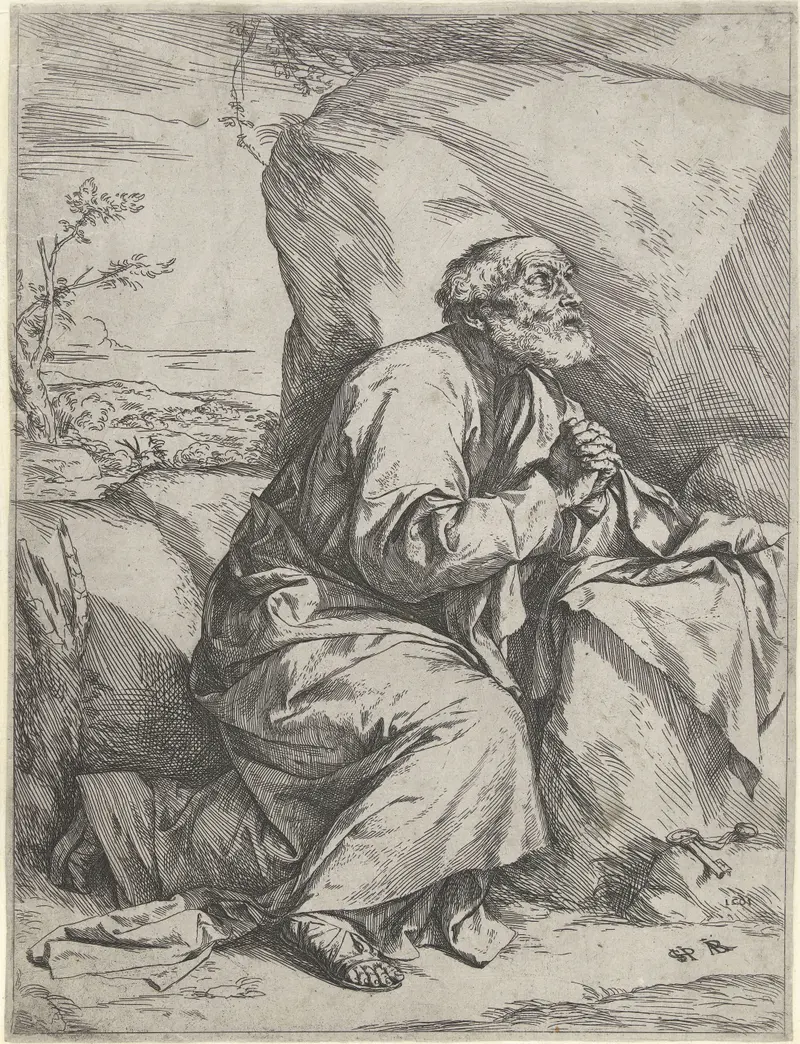
Boetvaardige Petrus
Jusepe de Ribera
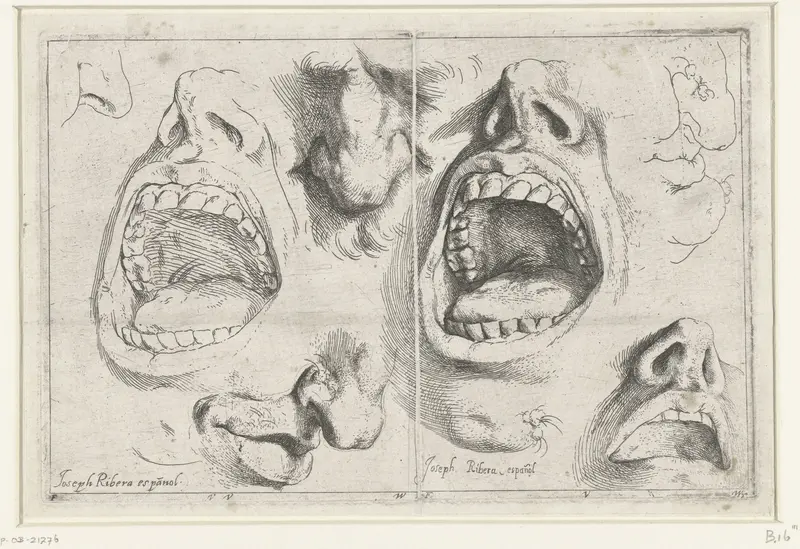
Studies van neus en mond
Jusepe de Ribera
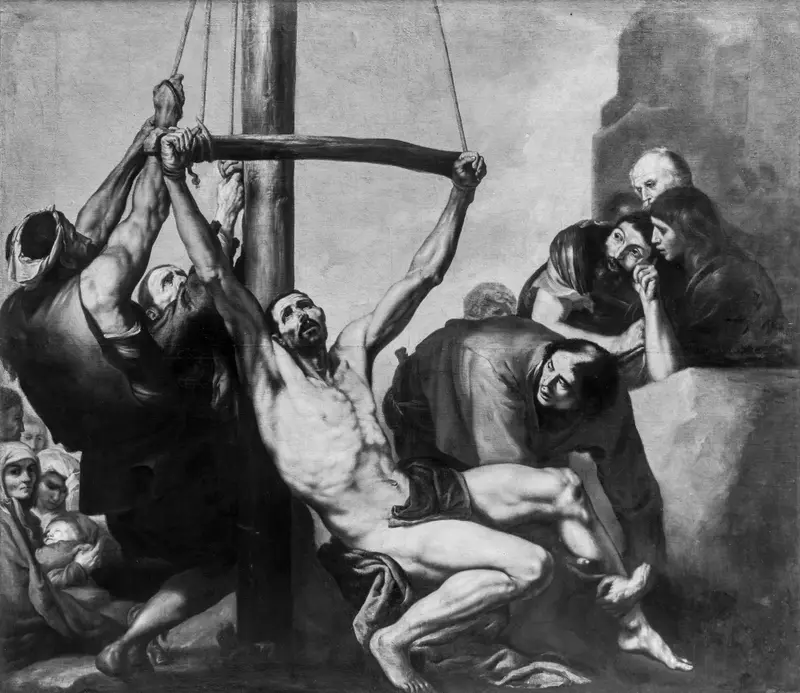
The Martyrdom of Saint Bartholomew
Jusepe de Ribera
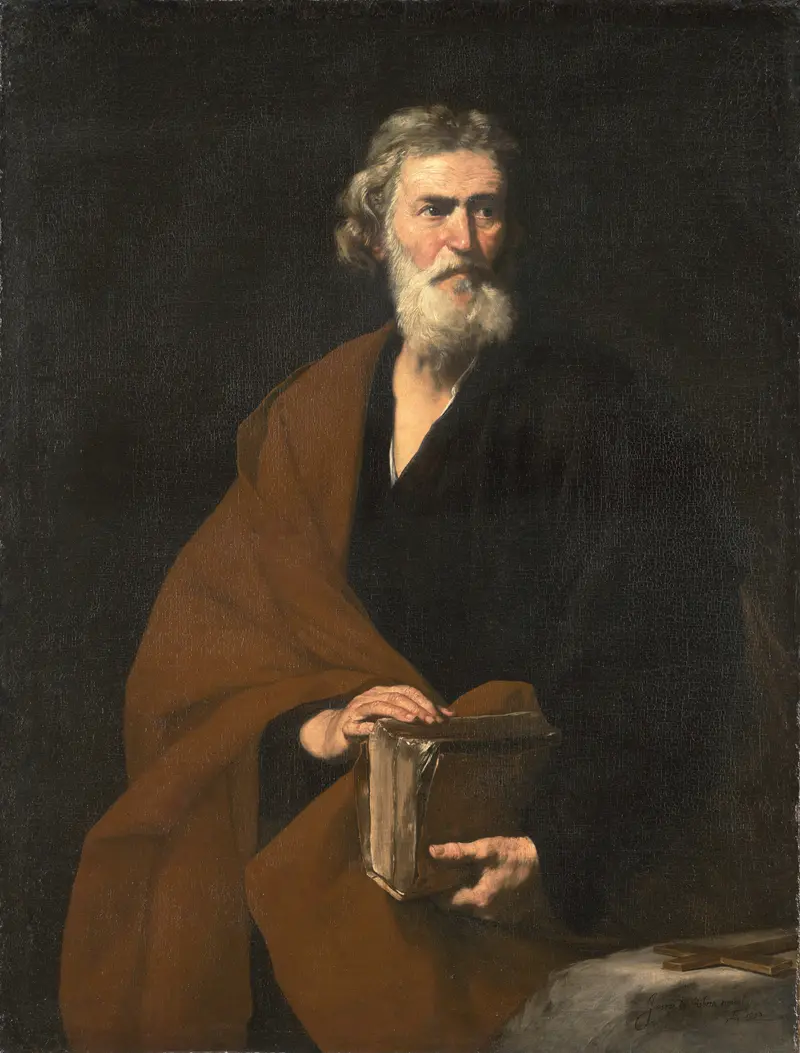
Saint Matthew
Jusepe de Ribera
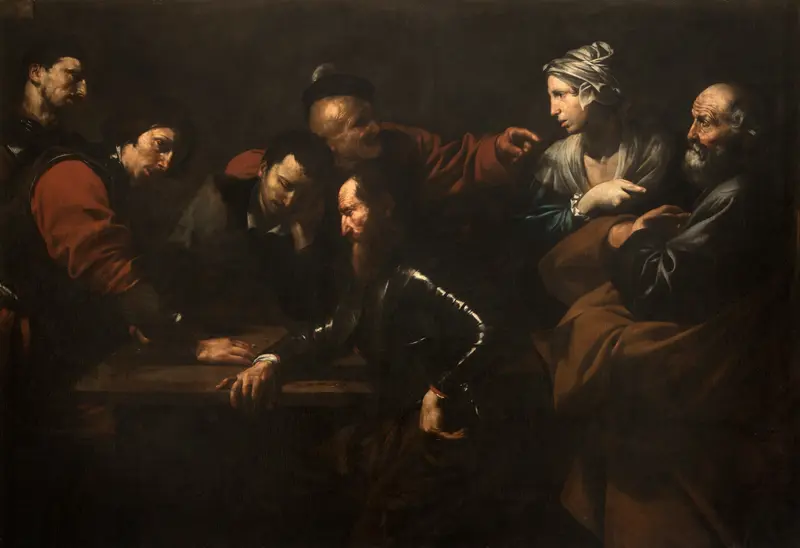
The Denial of Saint Peter
Jusepe de Ribera
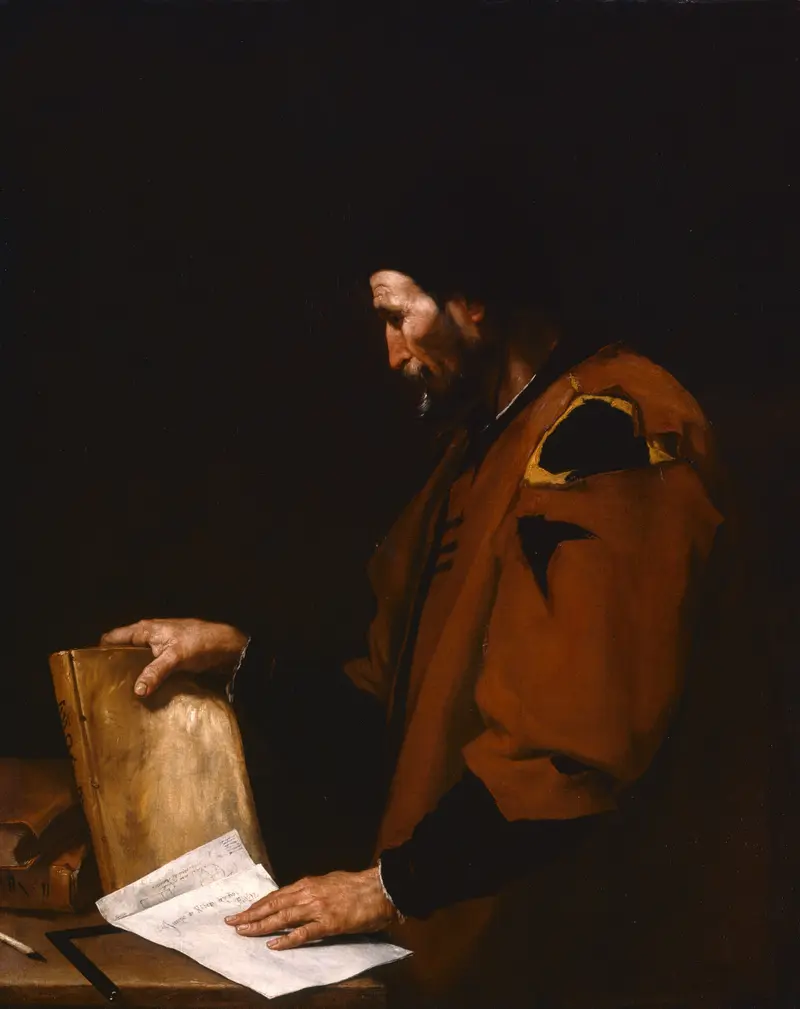
Aristotle
Jusepe de Ribera

Klein grotesk hoofd
Jusepe de Ribera





