
The Denial of Saint Peter — History & Facts
A single shaft of light slices through the gloom, catching the wary faces gathered around the table and drawing your eye to the charged triangle between the woman’s outstretched hand, the accusing finger, and the older man’s anxious gaze. Everything in The Denial of Saint Peter by Jusepe de Ribera is arranged for tension: the hunched shoulders, the furtive glances, and the way each figure is locked in a silent drama of suspicion and fear. The palette is somber, the shadows deep, but the faces burn with the heat of the moment—especially the woman, whose sharp profile and insistent gesture seem to pin the bearded man in place.
The scene feels less like a distant biblical episode and more like a moment you might stumble upon in a darkened tavern, overheard and urgent. Painted between 1615 and 1616, this work belongs to a world in which religious stories were given flesh and blood through the language of Baroque painting. Artists like Ribera, working in Italy and Spain, brought sacred history down to earth, using dramatic lighting and everyday faces to make old stories immediate for viewers who might see themselves in these troubled figures. Such paintings were often commissioned for churches or wealthy private patrons, intended to stir the conscience and imagination alike.
Today, the painting resides in the Galleria Nazionale d'Arte Antica in Rome, a reminder of how the Baroque era’s appetite for drama and truth-telling still commands our attention. Look again at the faces—each one a study in doubt, accusation, or dread—and you may find the story shifting before your eyes.
More Artworks by Jusepe de Ribera

Saint Francis of Paola
Jusepe de Ribera

Penitent Saint Peter
Jusepe de Ribera
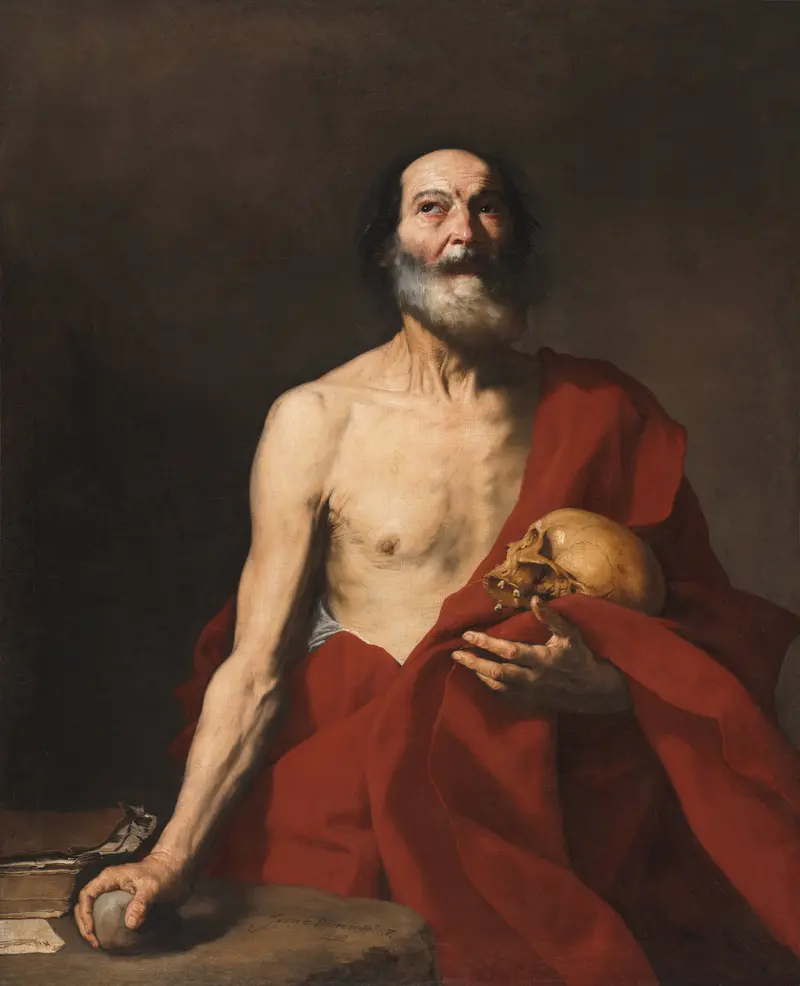
Saint Jerome
Jusepe de Ribera

Boetvaardige Petrus
Jusepe de Ribera
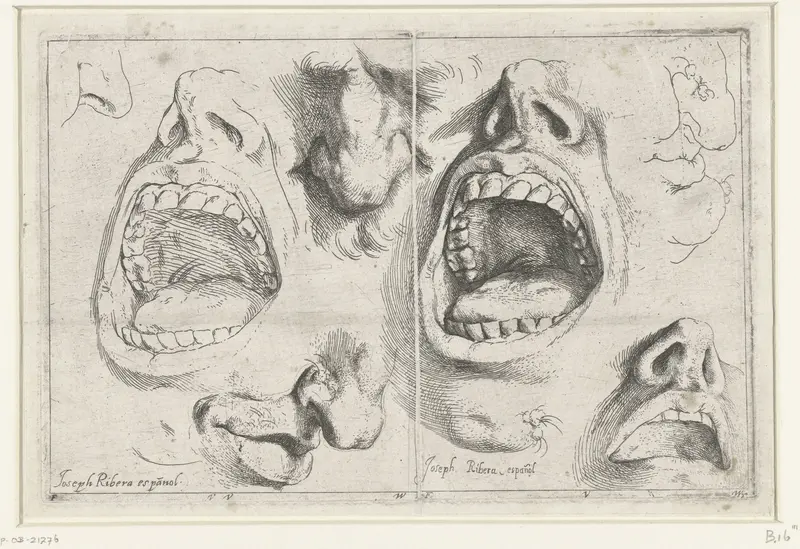
Studies van neus en mond
Jusepe de Ribera
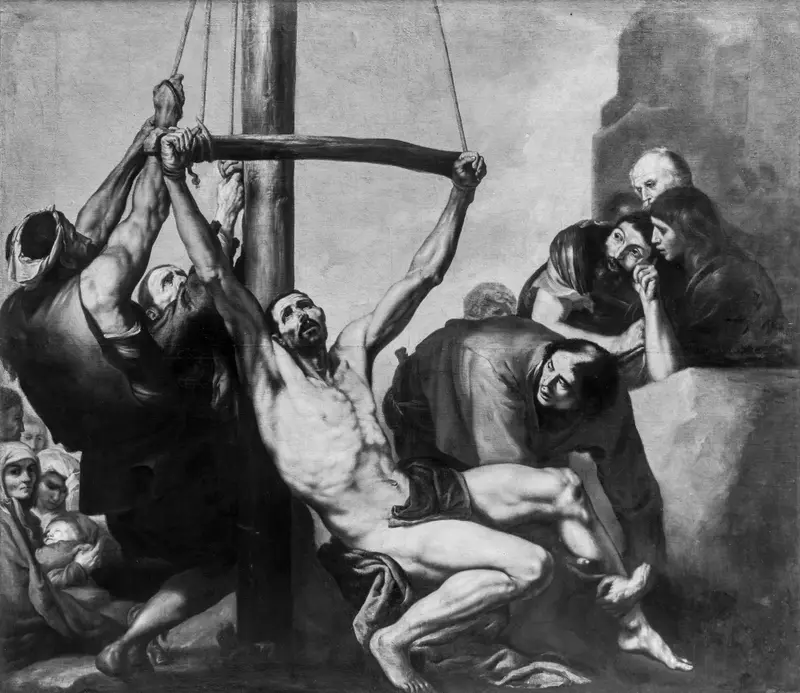
The Martyrdom of Saint Bartholomew
Jusepe de Ribera
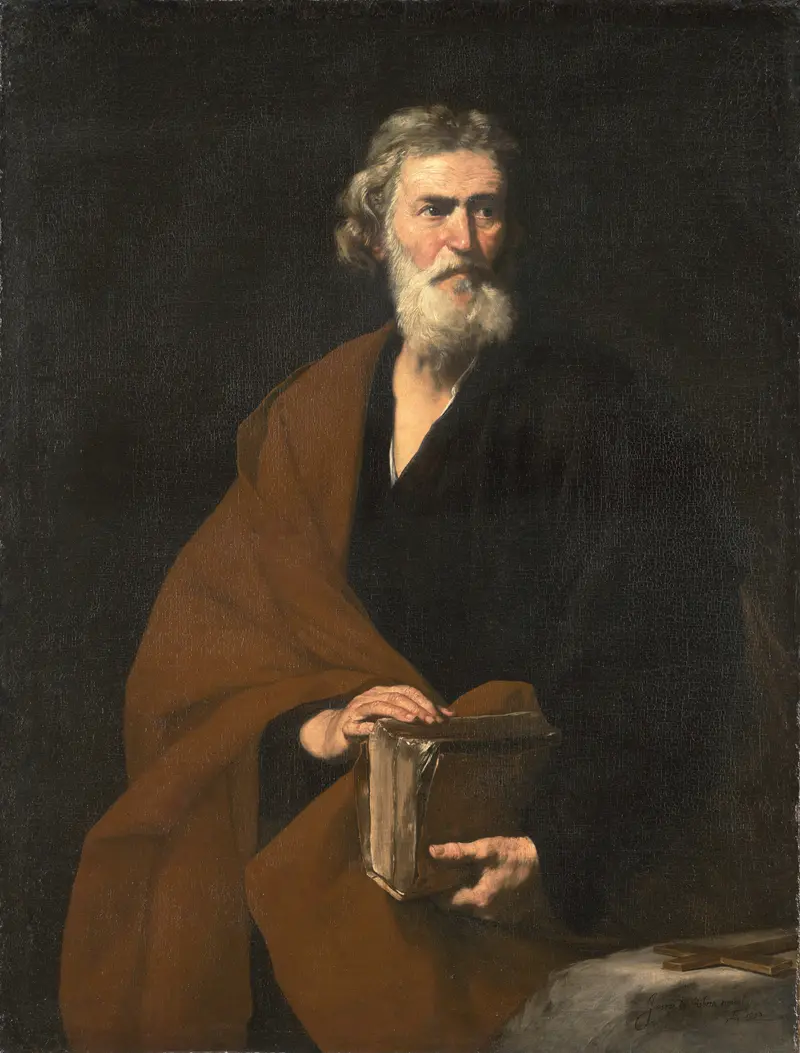
Saint Matthew
Jusepe de Ribera
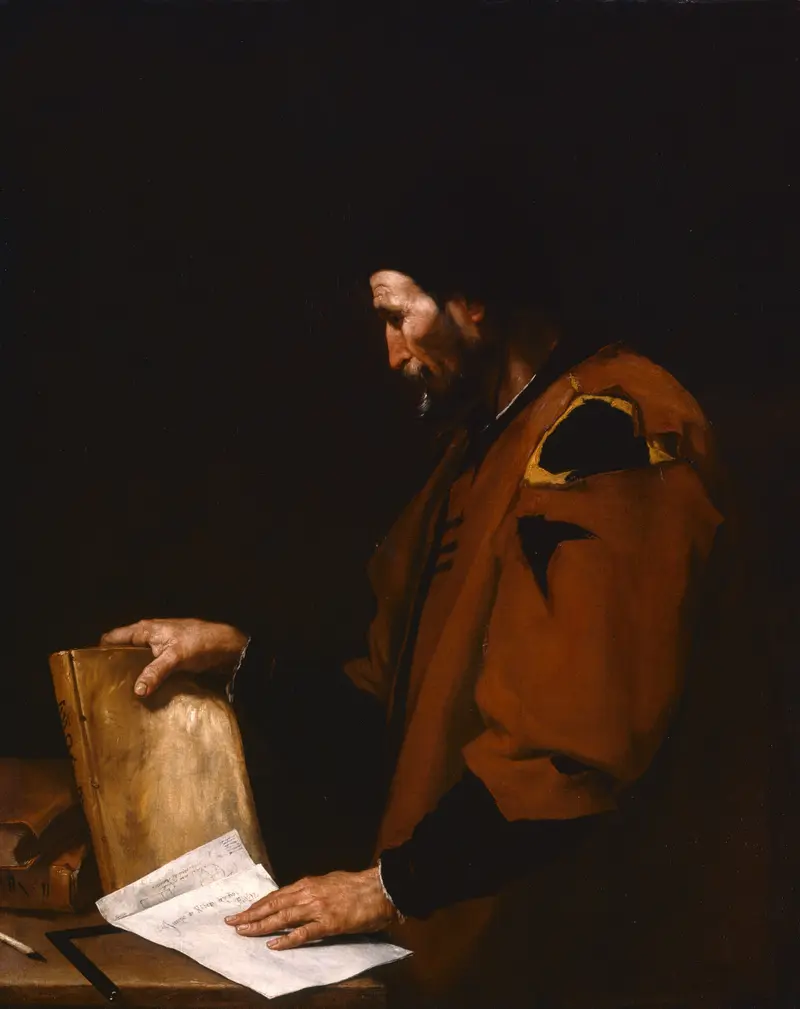
Aristotle
Jusepe de Ribera

Christ among the doctors
Jusepe de Ribera

Klein grotesk hoofd
Jusepe de Ribera





