
Studies van neus en mond — History & Facts
What grabs you first is the raw, almost anatomical intensity of these mouths and noses, each one frozen in a moment of anguish or exertion. The etching by Jusepe de Ribera pulls the viewer into a study not of faces as wholes, but of parts—each detail isolated, magnified, and made strange. The gaping mouths, with their bared teeth and straining tongues, seem to shout silently from the paper, while the noses—some flared, some wrinkled—echo the drama of breath and expression.
Ribera’s needle moves with clinical precision, yet the energy in each line betrays a fascination with the extremes of human emotion. Light falls harshly across the forms, emphasizing every wrinkle and shadow, as if to insist that the truth of feeling is written in flesh. In seventeenth-century Europe, artists like Ribera turned to such studies as both exercises in observation and as sources for larger compositions. This kind of print, known as a “study sheet,” was a working tool: a reference for painters and students striving to capture the fleeting contortions of pain, ecstasy, or rage.
The Baroque period, with its hunger for drama and realism, prized such close investigation of nature—especially the expressive potential of the human body. While history has kept few traces of the specific uses or patrons for this print, its survival in the Rijksmuseum collection today lets us glimpse the restless curiosity that drove artists of the era. Look again, and see how each mouth seems to pulse with life, caught forever in the act of expression.
More Artworks by Jusepe de Ribera

Saint Francis of Paola
Jusepe de Ribera

Penitent Saint Peter
Jusepe de Ribera
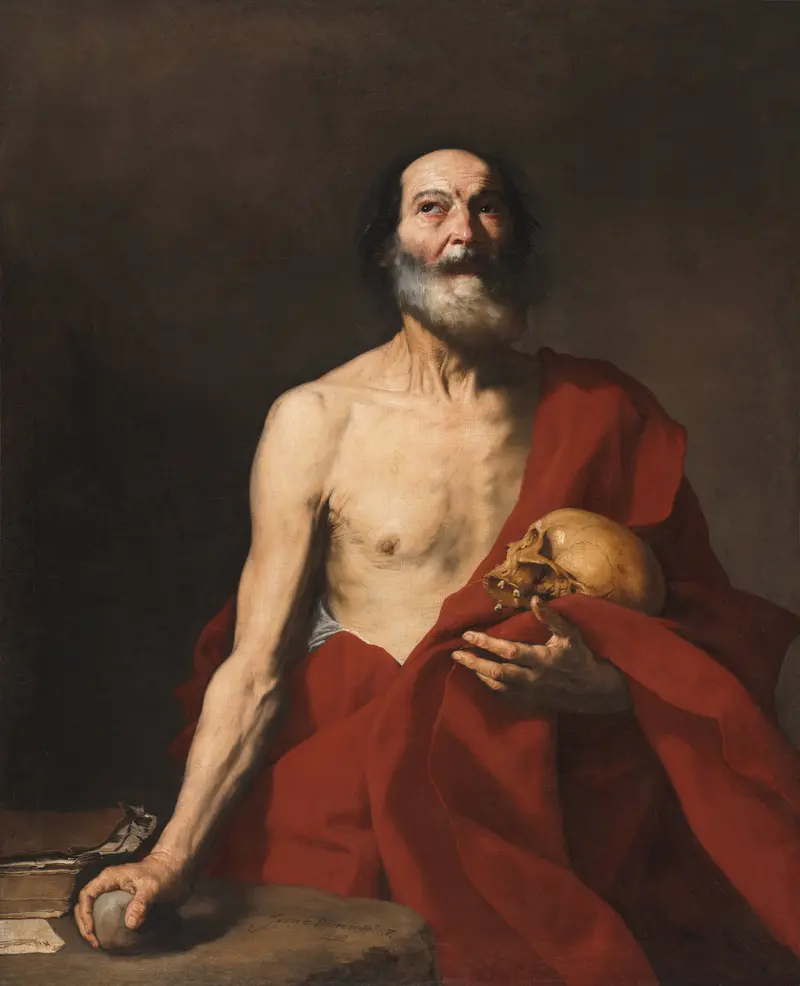
Saint Jerome
Jusepe de Ribera
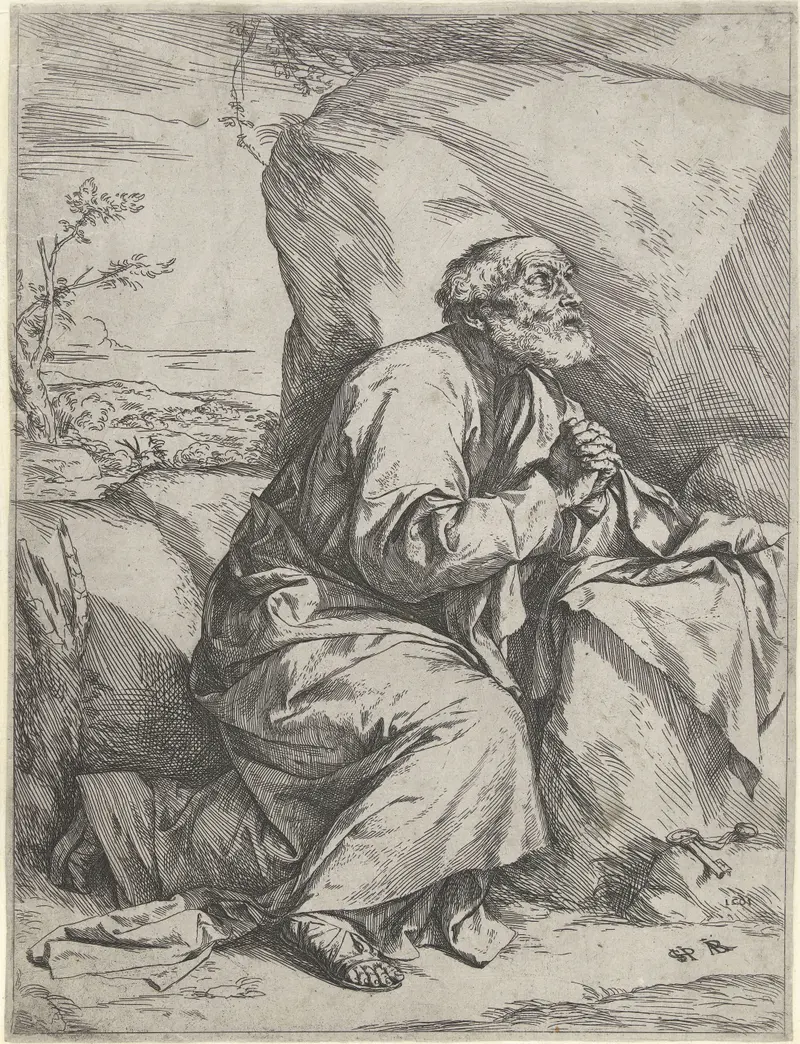
Boetvaardige Petrus
Jusepe de Ribera
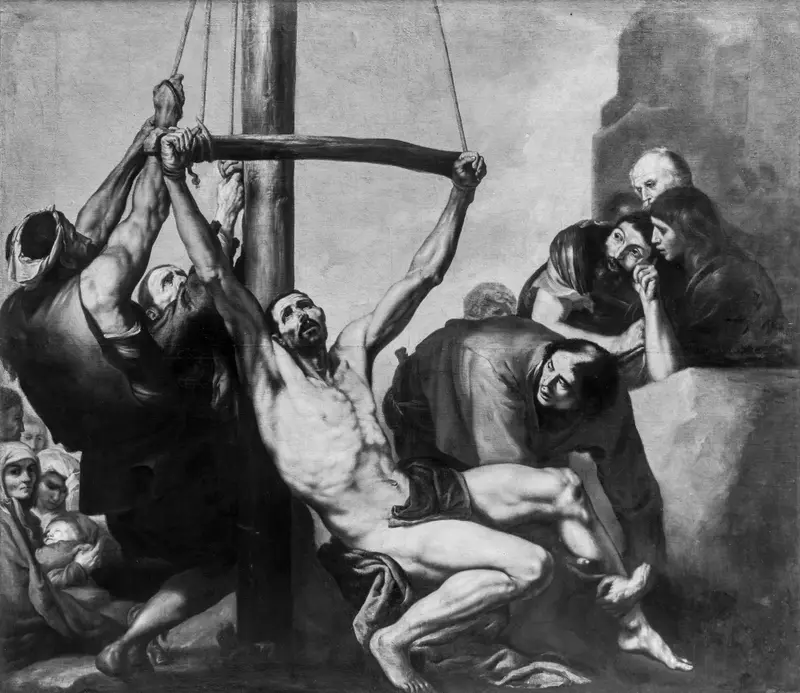
The Martyrdom of Saint Bartholomew
Jusepe de Ribera
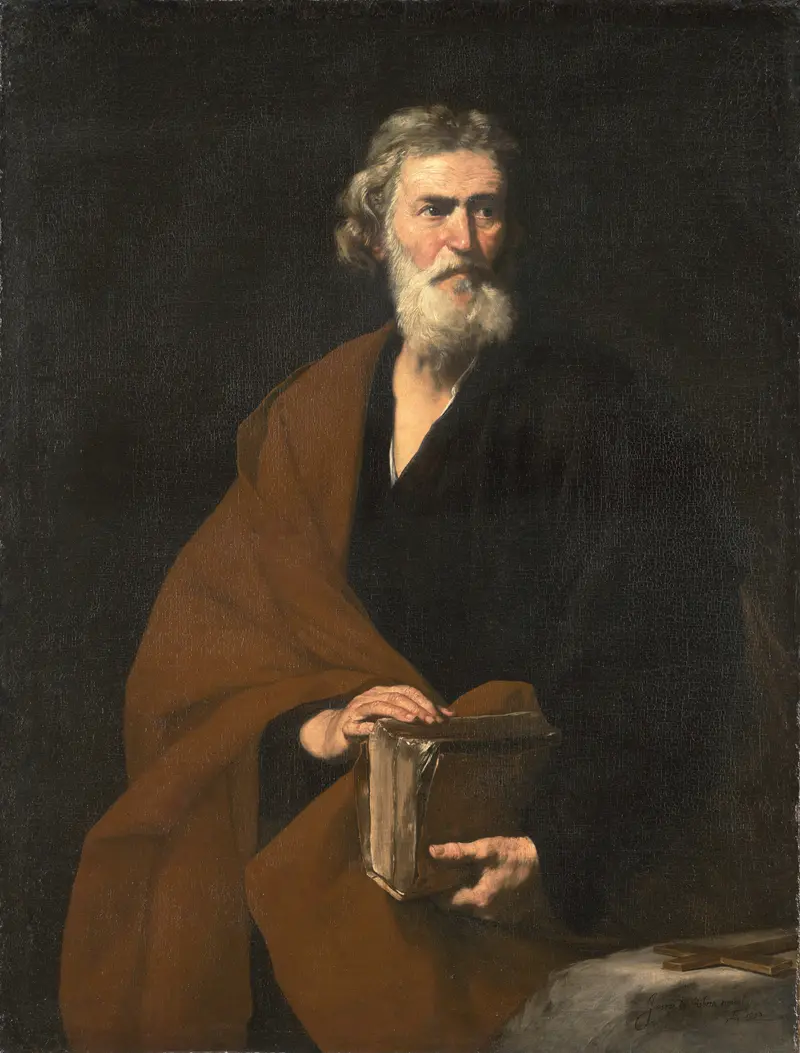
Saint Matthew
Jusepe de Ribera
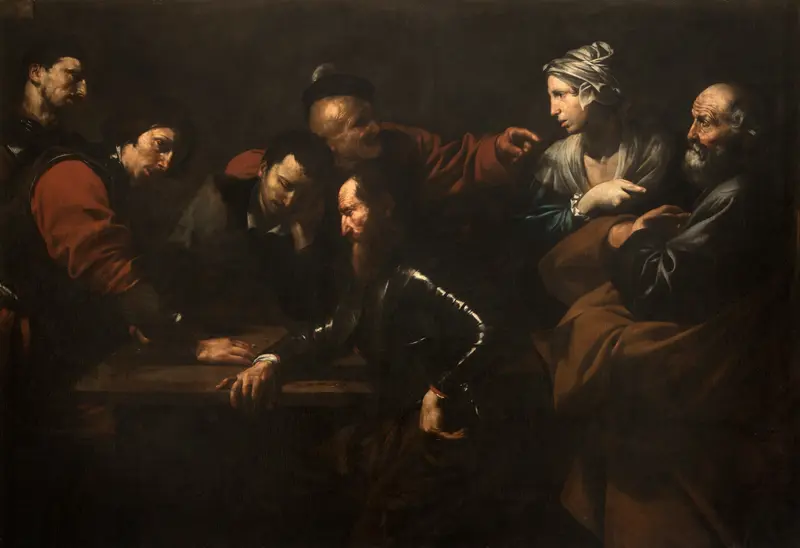
The Denial of Saint Peter
Jusepe de Ribera
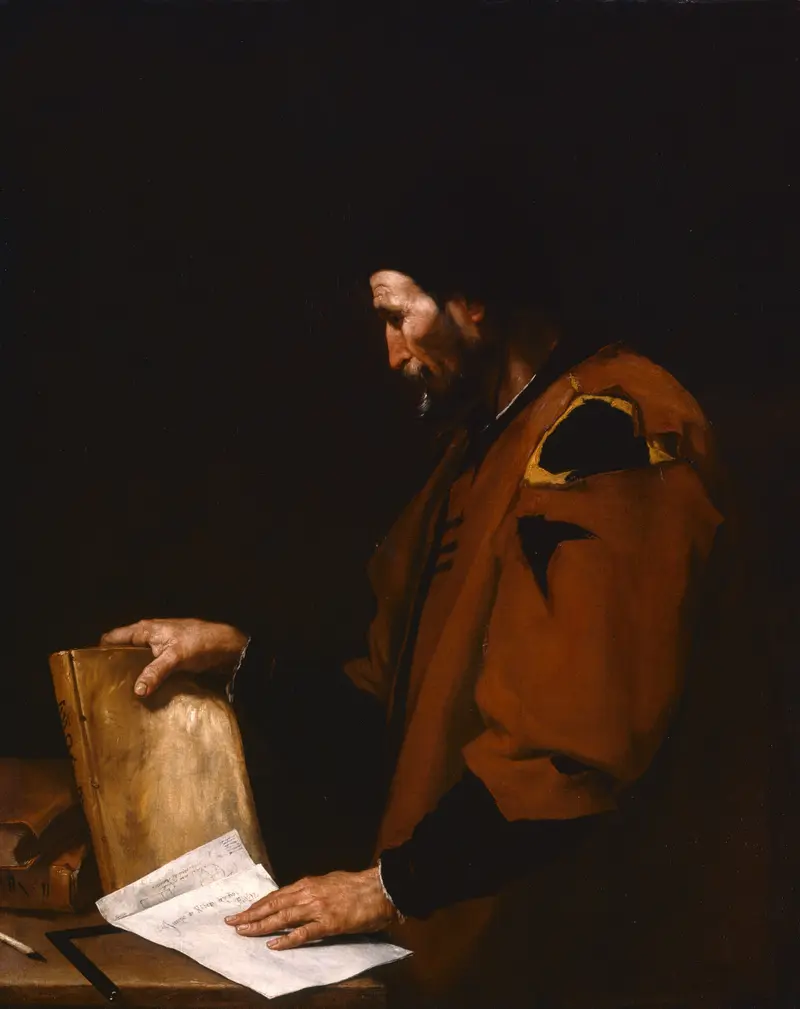
Aristotle
Jusepe de Ribera
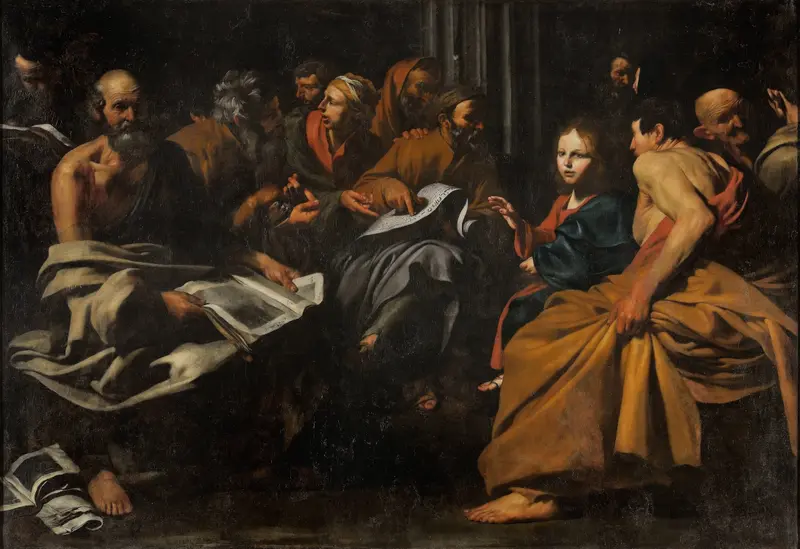
Christ among the doctors
Jusepe de Ribera

Klein grotesk hoofd
Jusepe de Ribera



