
The Martyrdom of Saint Bartholomew — History & Facts
What grips the eye first in The Martyrdom of Saint Bartholomew is the sheer physical struggle at its center—a tangle of limbs, muscle, and rope, all converging on the figure of the saint himself. The drama unfolds not in the violence of the act, but in the tension of the moment before: Bartholomew’s body is stretched and contorted, his face turned skyward, as executioners strain to bind him to the upright post. The artist draws the viewer into the scene through the diagonal sweep of Bartholomew’s arms and the urgent gestures of his captors, while a cluster of onlookers at the right edge, their faces a study in horror and fascination, anchor the emotional charge.
Light falls harshly on the saint’s exposed torso, making him the undeniable focal point and imbuing the scene with a sense of raw immediacy. Works like this, painted between 1651 and 1700, belong to a world where religious subjects were not only acts of devotion but also public theatre—commissioned for churches or private chapels to instruct, move, and awe. The period’s Baroque painters, especially in Spain and Italy, excelled at capturing the extremes of human experience, and Jusepe de Ribera was renowned for his unflinching realism and empathy for suffering. While little is recorded about the specific history of this painting, its presence today in the Staatliche Museen zu Berlin speaks to the enduring power of such images to bridge centuries.
The stark contrasts and crowded composition invite the viewer to linger, searching faces for fear, pity, or even hope amidst the ordeal.
More Artworks by Jusepe de Ribera

Saint Francis of Paola
Jusepe de Ribera

Penitent Saint Peter
Jusepe de Ribera
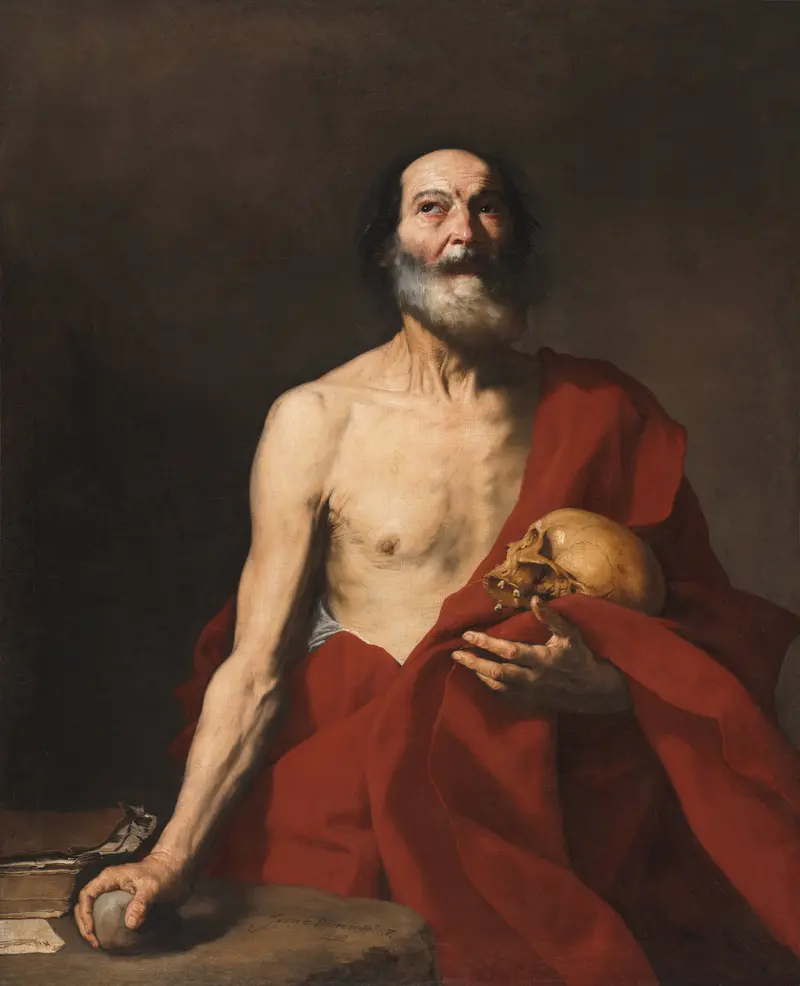
Saint Jerome
Jusepe de Ribera
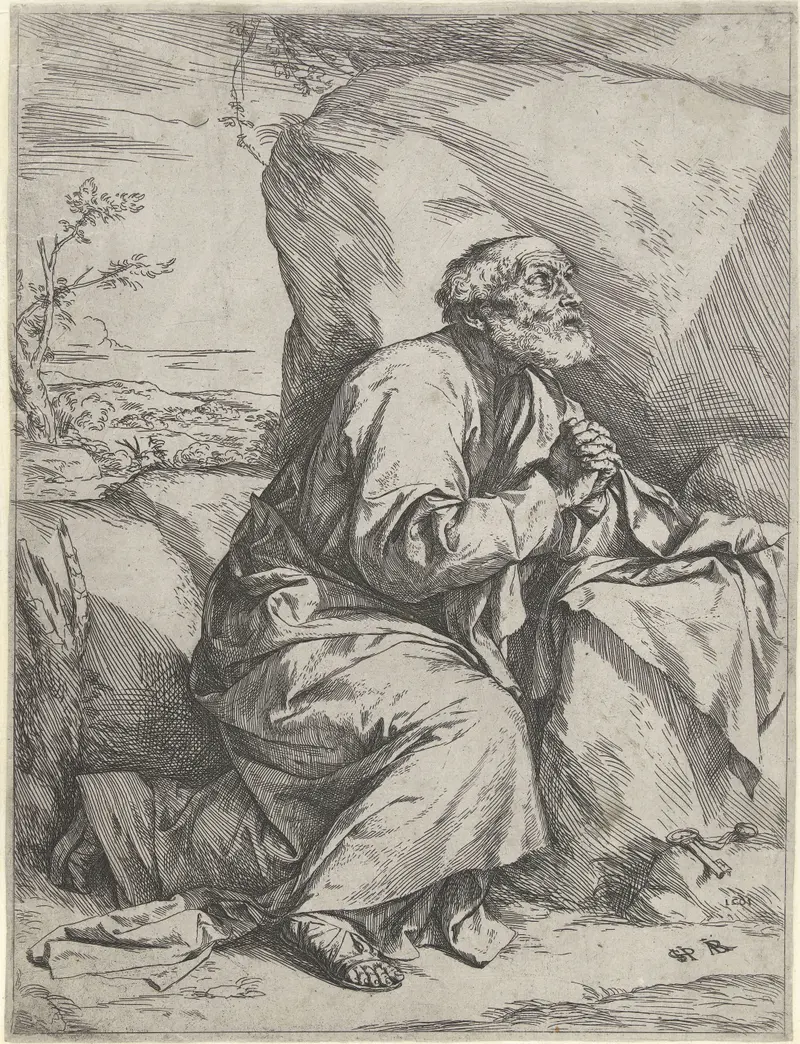
Boetvaardige Petrus
Jusepe de Ribera
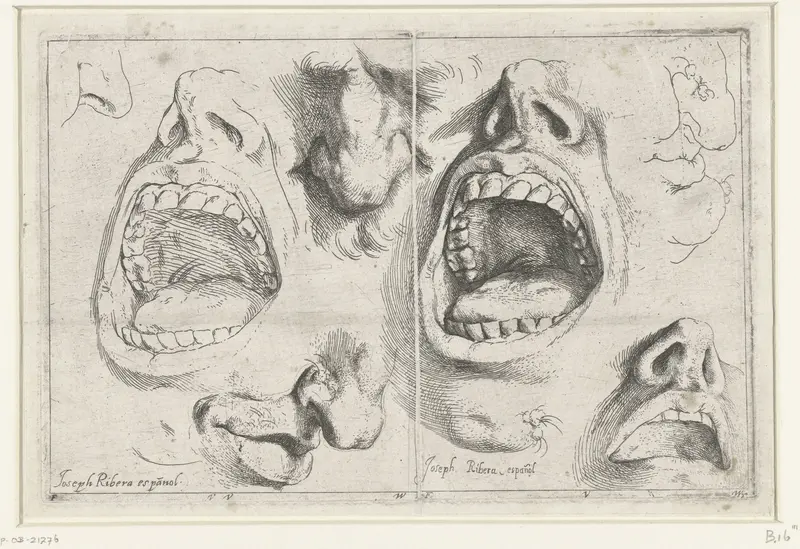
Studies van neus en mond
Jusepe de Ribera
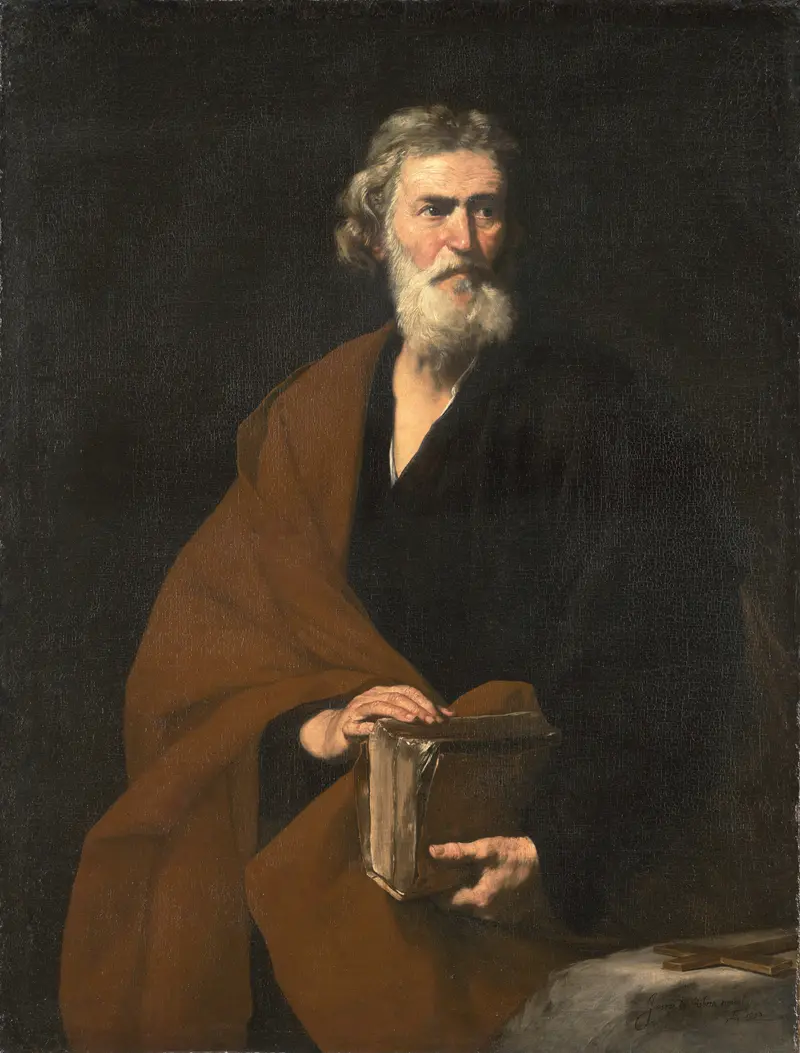
Saint Matthew
Jusepe de Ribera
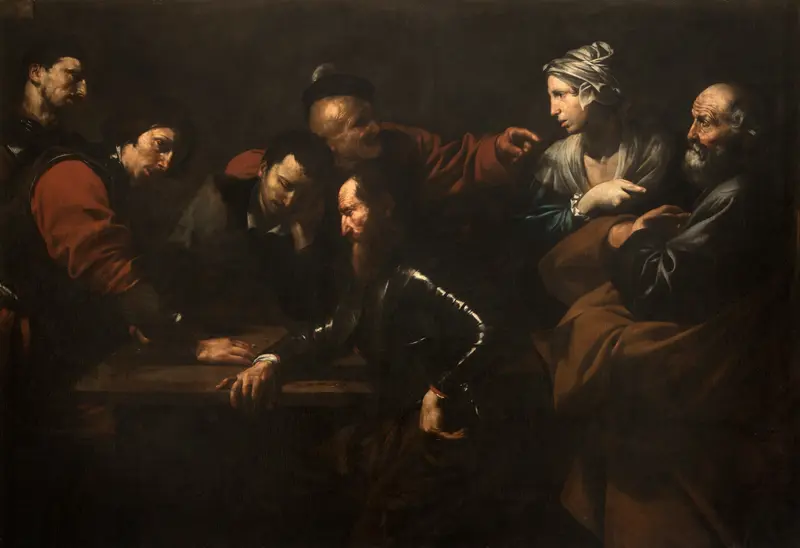
The Denial of Saint Peter
Jusepe de Ribera
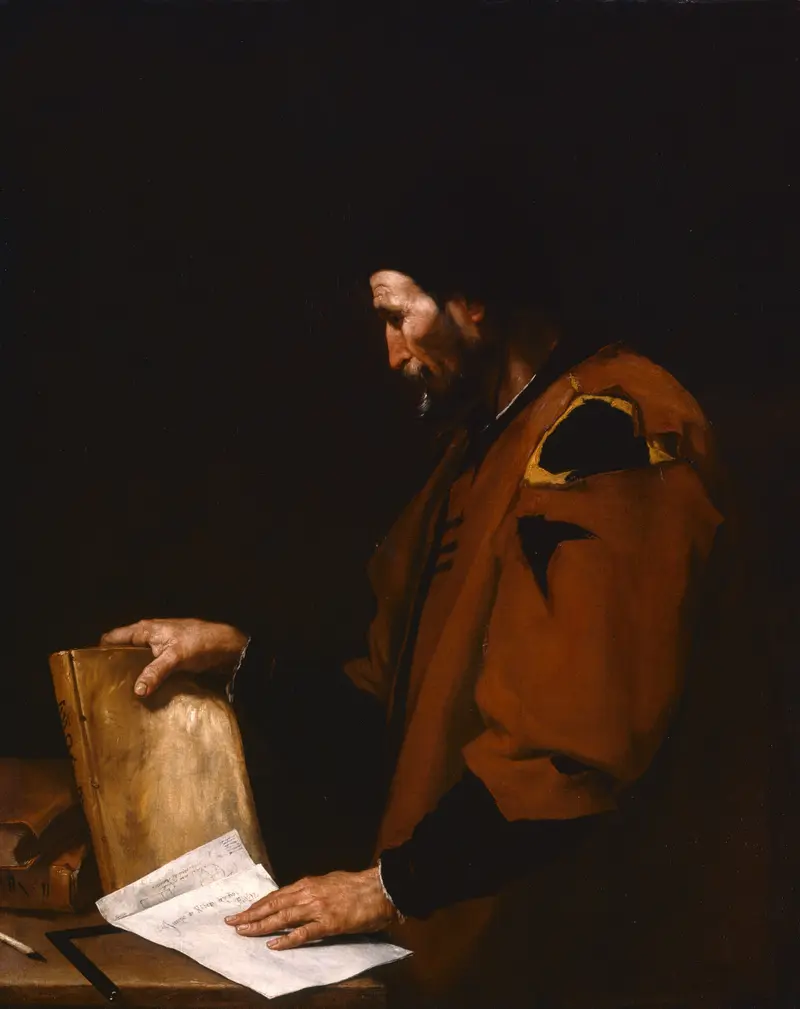
Aristotle
Jusepe de Ribera
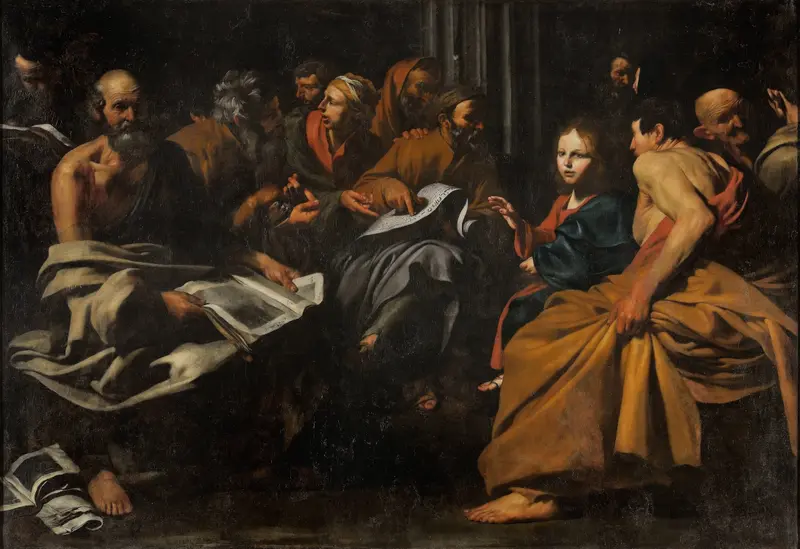
Christ among the doctors
Jusepe de Ribera

Klein grotesk hoofd
Jusepe de Ribera





