
Christ and the Virgin in the House at Nazareth — History & Facts
In Christ and the Virgin in the House at Nazareth, Francisco de Zurbarán presents a serene domestic scene. The painting features Christ and the Virgin Mary, both adorned in rich, deep colors. Zurbarán uses a palette of warm earth tones, with soft highlights that create a sense of warmth and intimacy.
The figures are depicted with a sense of calm, emphasizing their connection and the sacredness of the moment. The painting is executed in oil on canvas, a common medium for Baroque artists, allowing for rich textures and depth. Zurbarán's technique includes precise brushwork that captures the details of the figures' clothing and the surrounding environment. The composition is balanced, with the figures centrally placed, drawing the viewer's eye.
Light is used effectively to highlight the faces of Christ and the Virgin, enhancing their emotional expressions. Francisco de Zurbarán was a prominent Spanish painter of the Baroque period, known for his religious works. This painting, created in the 1630s, reflects his deep devotion and skill in portraying sacred themes. An interesting fact about this work is that it exemplifies Zurbarán's ability to infuse everyday moments with spiritual significance.
The intimate setting of Nazareth suggests a focus on the humanity of Christ and Mary, making the divine more relatable.
More Artworks by Francisco de Zurbarán
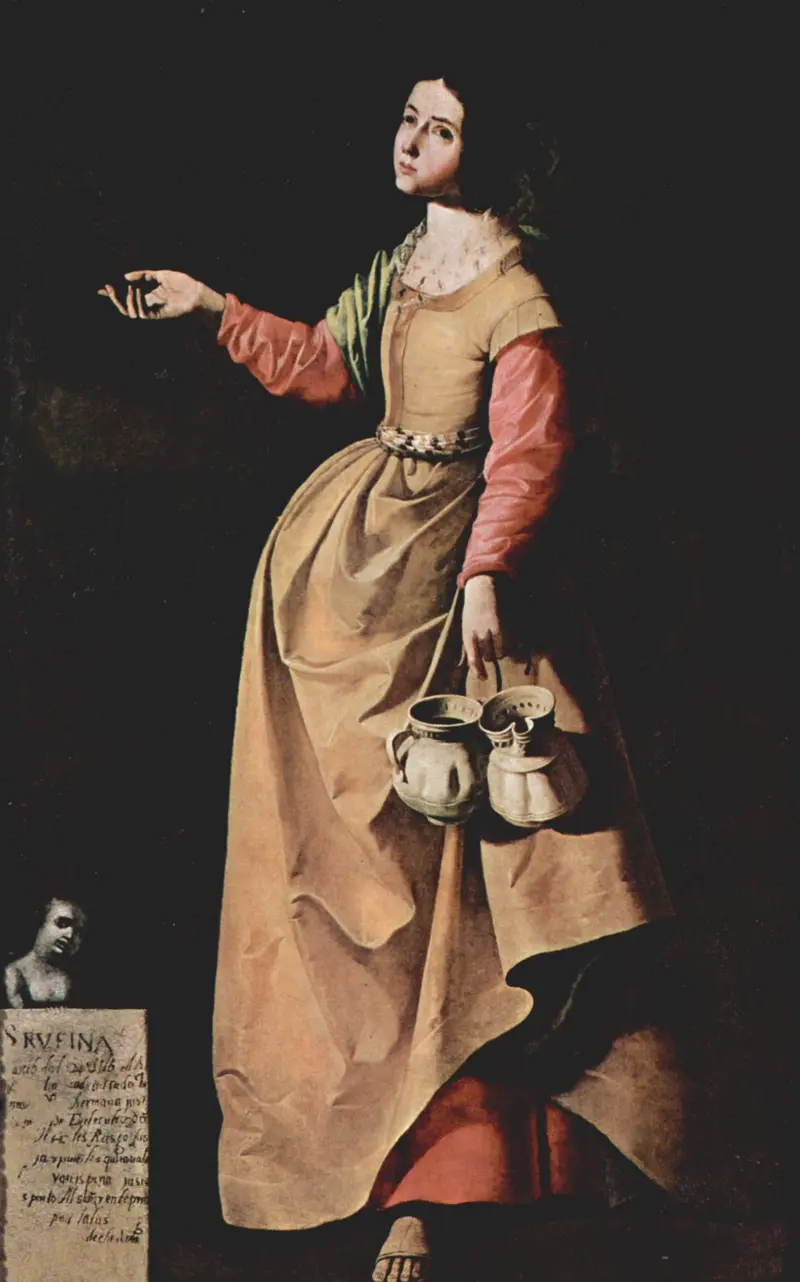
Saint Rufina
Francisco de Zurbarán
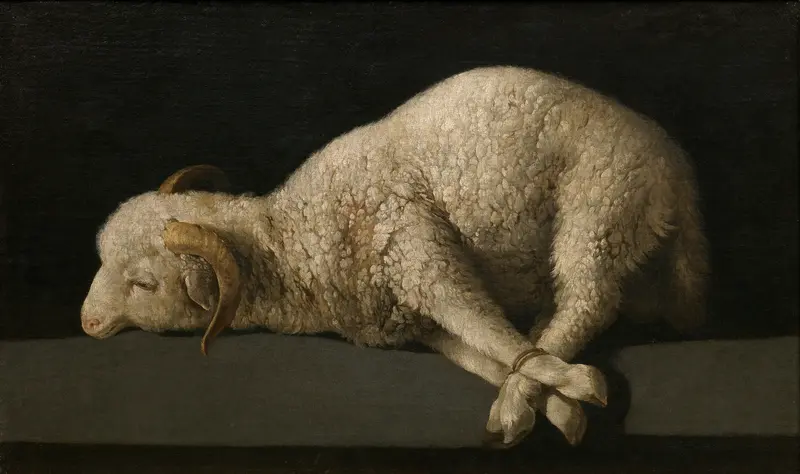
Agnus Dei
Francisco de Zurbarán
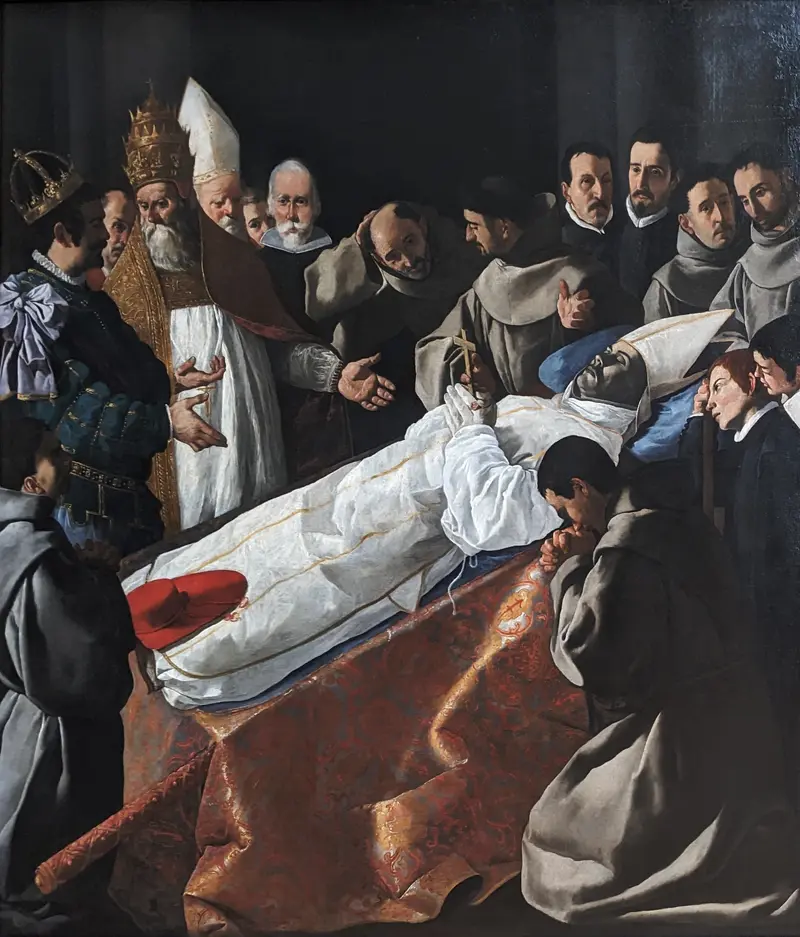
Saint Bonaventure's Body Lying in State
Francisco de Zurbarán
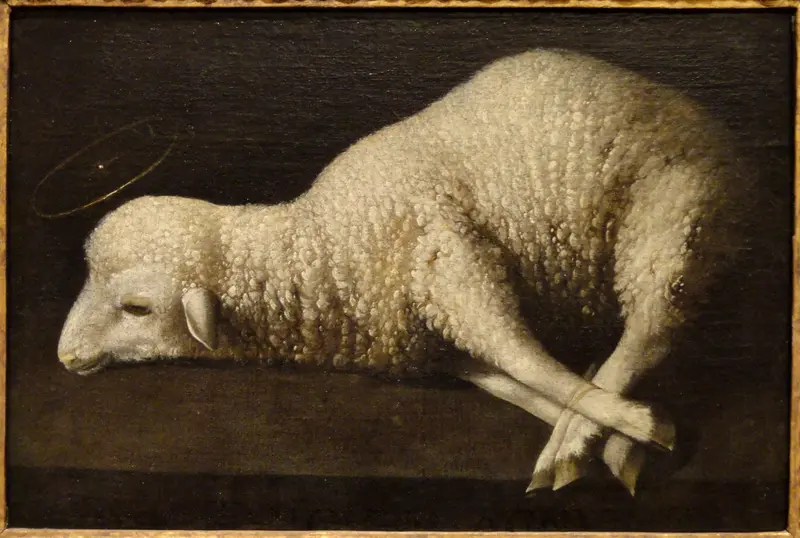
The Lamb of God
Francisco de Zurbarán

Adoration of the Magi
Francisco de Zurbarán
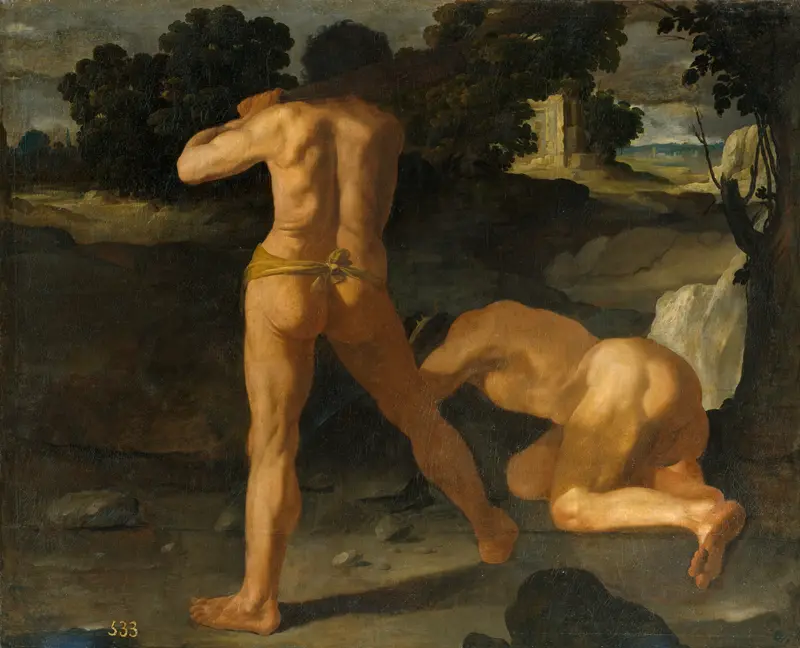
Hercules defeats King Geryon
Francisco de Zurbarán
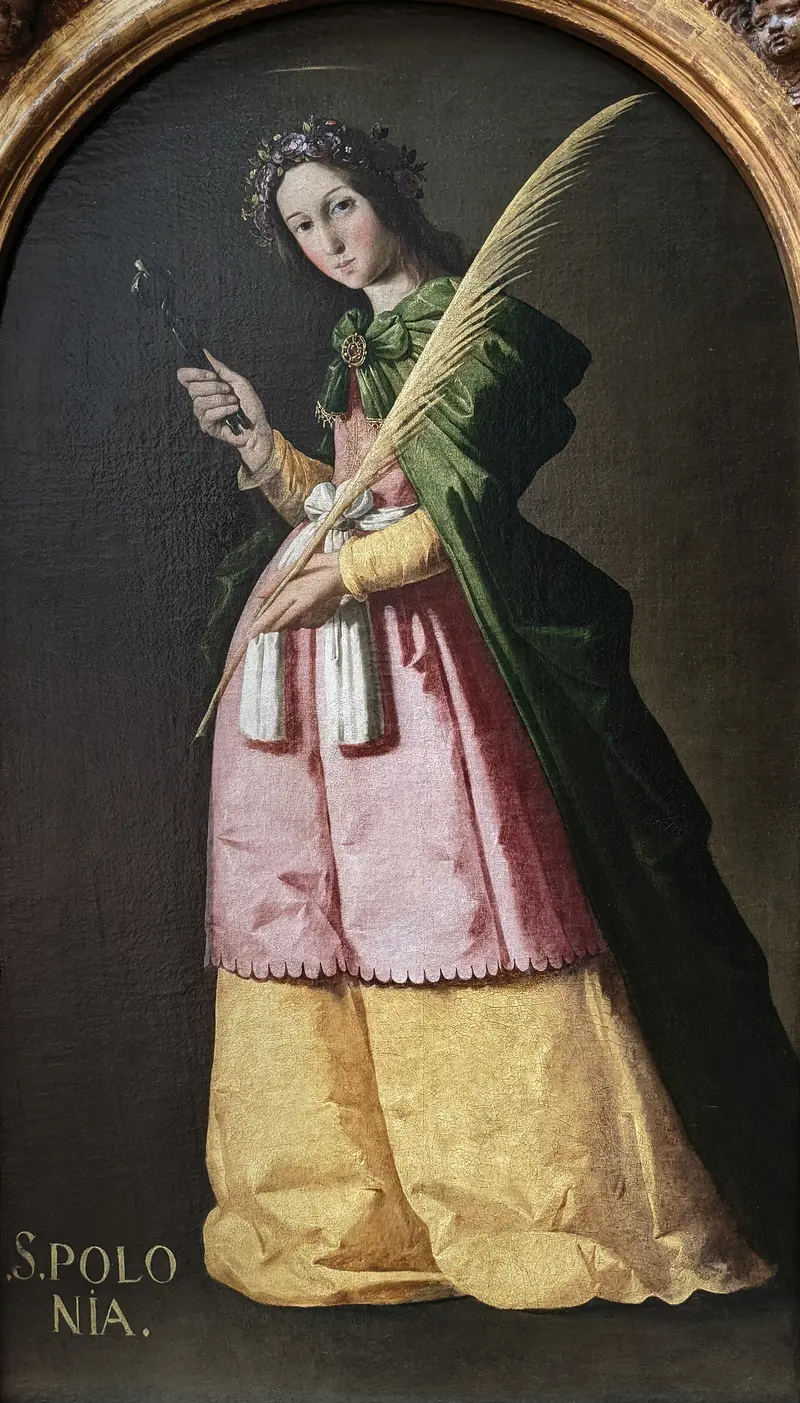
Saint Apollonia
Francisco de Zurbarán
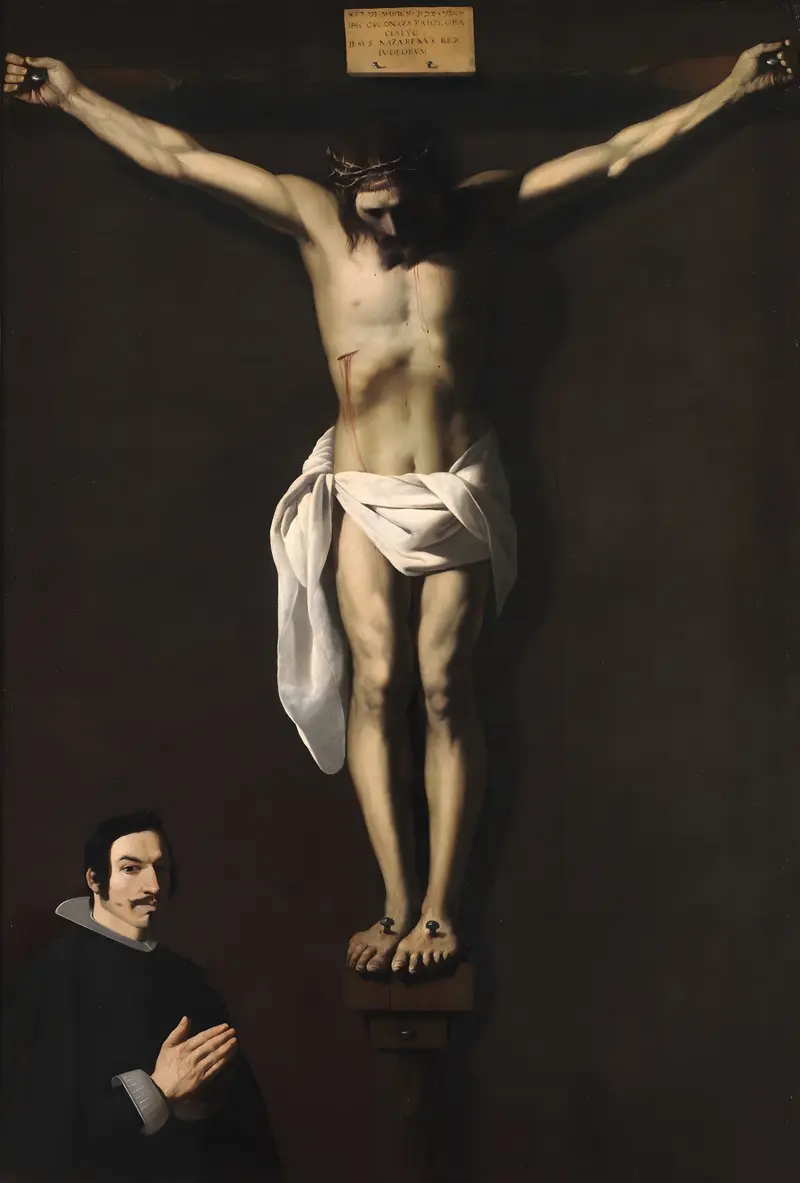
The Crucified Christ with a Donor
Francisco de Zurbarán
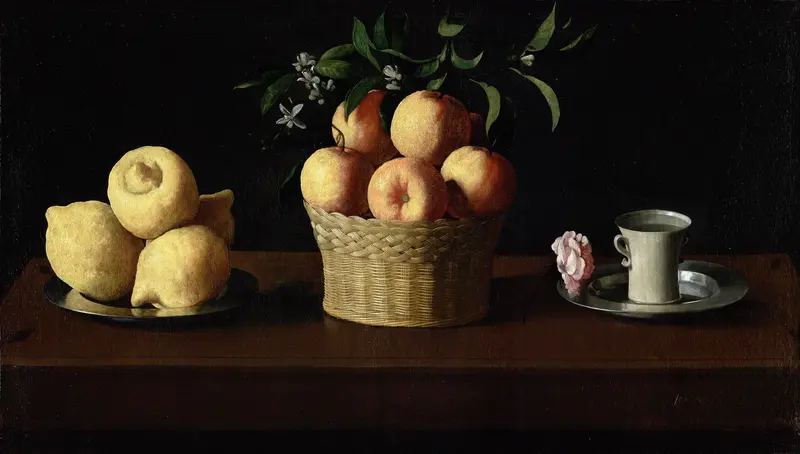
Still Life with Lemons, Oranges and a Rose
Francisco de Zurbarán
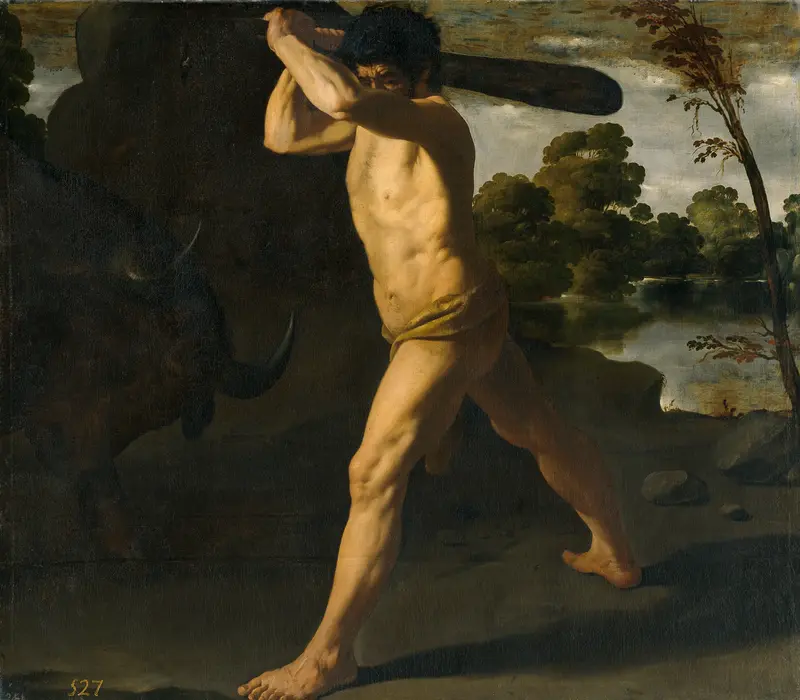
Hercules and the Cretan Bull
Francisco de Zurbarán





