
Christ as Man of Sorrows Flanked by Saint Mary Magdalene and Saint John the Evangelist (predella, centre panel) — History & Facts
No one knows exactly when Fra Angelico painted Christ as Man of Sorrows Flanked by Saint Mary Magdalene and Saint John the Evangelist, nor for which altar it was first intended, but its format tells us much: this is a predella panel, once set below a grander altarpiece, offering a more intimate, narrative scene to viewers kneeling in prayer. Predellas were the storybooks of Renaissance altars, and Fra Angelico was among the first to infuse these smaller works with the same gravity and emotion as the main panels above. The uncertain origins of this painting have led scholars to debate its original context, with some suggesting it was part of a lost ensemble from a Florentine church. The scene captures Christ after his crucifixion, presented as the Man of Sorrows, his wounds still fresh, his gaze lowered in silent suffering.
On either side, Mary Magdalene and Saint John the Evangelist lean in, their faces etched with grief—Mary’s hands clasped in prayer, John’s gesture one of gentle support. The gold background, a hallmark of early Renaissance devotional art, sets the figures apart from earthly space, focusing the viewer’s attention on their emotion and gesture. Unlike the dramatic anguish of Giotto’s lamentations, Fra Angelico opts for quiet dignity: the subtle tilt of Christ’s head, the delicate touch of Magdalene’s hands, the soft interplay of their robes, all serve to draw the viewer into a moment of shared mourning and reflection. Little is known about the painting’s early journey, but its style and technique place it firmly within Fra Angelico’s Florentine period, likely painted in the 1430s or early 1440s.
As with many predella panels, its original altarpiece has not survived or has been dispersed, leaving this fragment to travel through collections, sometimes misattributed or overshadowed by larger works. Today, it stands as a testament to Fra Angelico’s ability to convey deep emotion in a small space, a window into the devotional practices and artistic innovations of the early Renaissance. Its survival, despite the loss of its companions, allows us a rare, close encounter with the artist’s spiritual vision.
More Artworks by Fra Angelico

Condemnation of St Lawrence by the Emperor Valerian
Fra Angelico
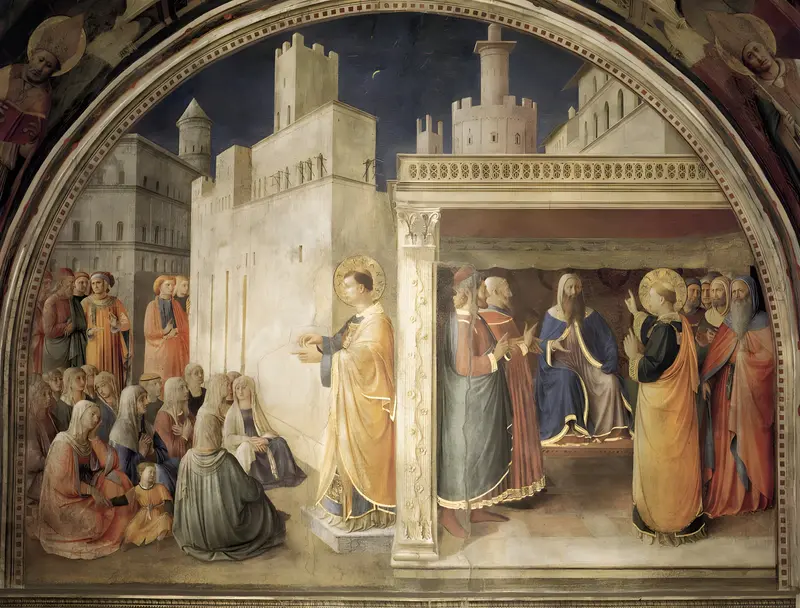
Lunette of the north wall
Fra Angelico
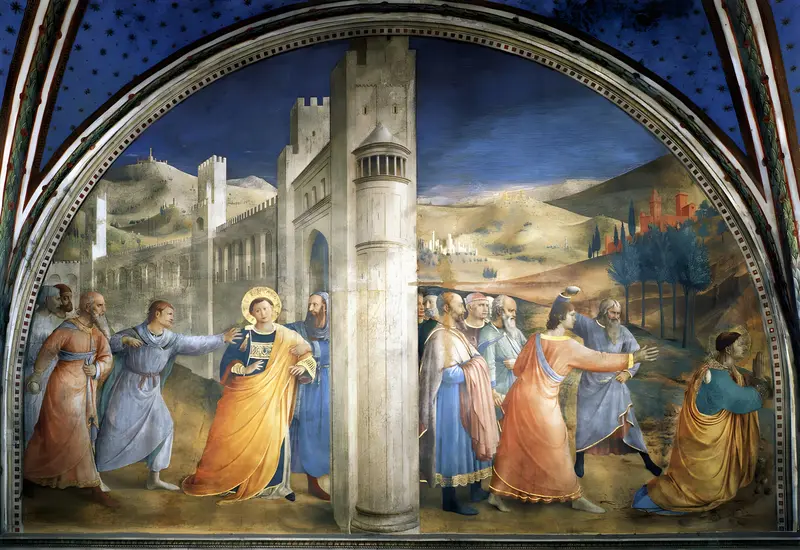
Lunette of the east wall in Niccoline Chapel
Fra Angelico
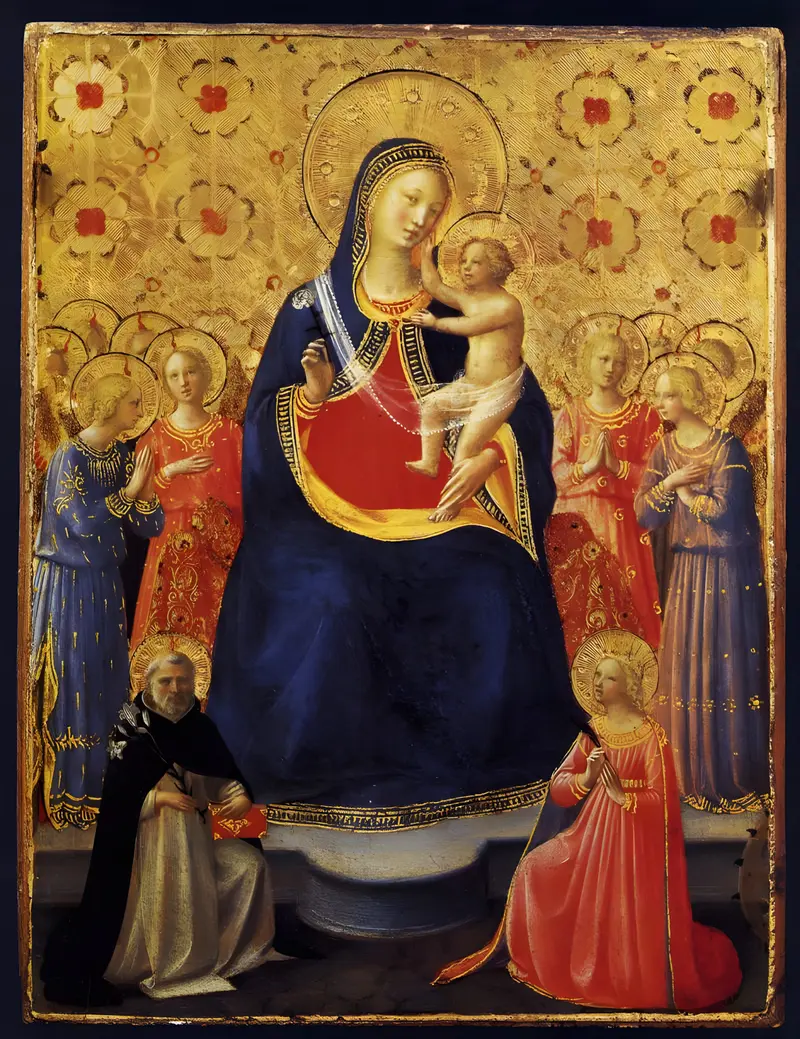
Madonna and Child Enthroned with Nine Angels and Saints Dominic and Catherine of Alexandria
Fra Angelico
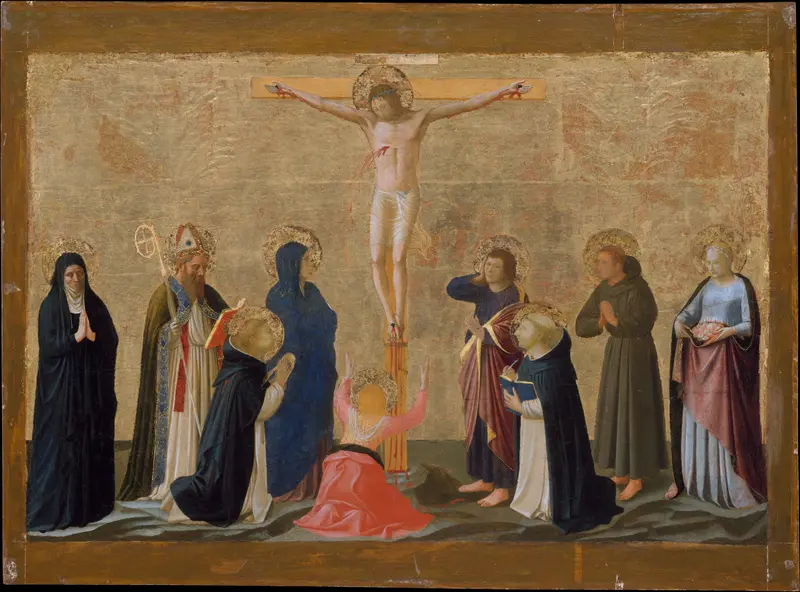
The Crucifixion
Fra Angelico
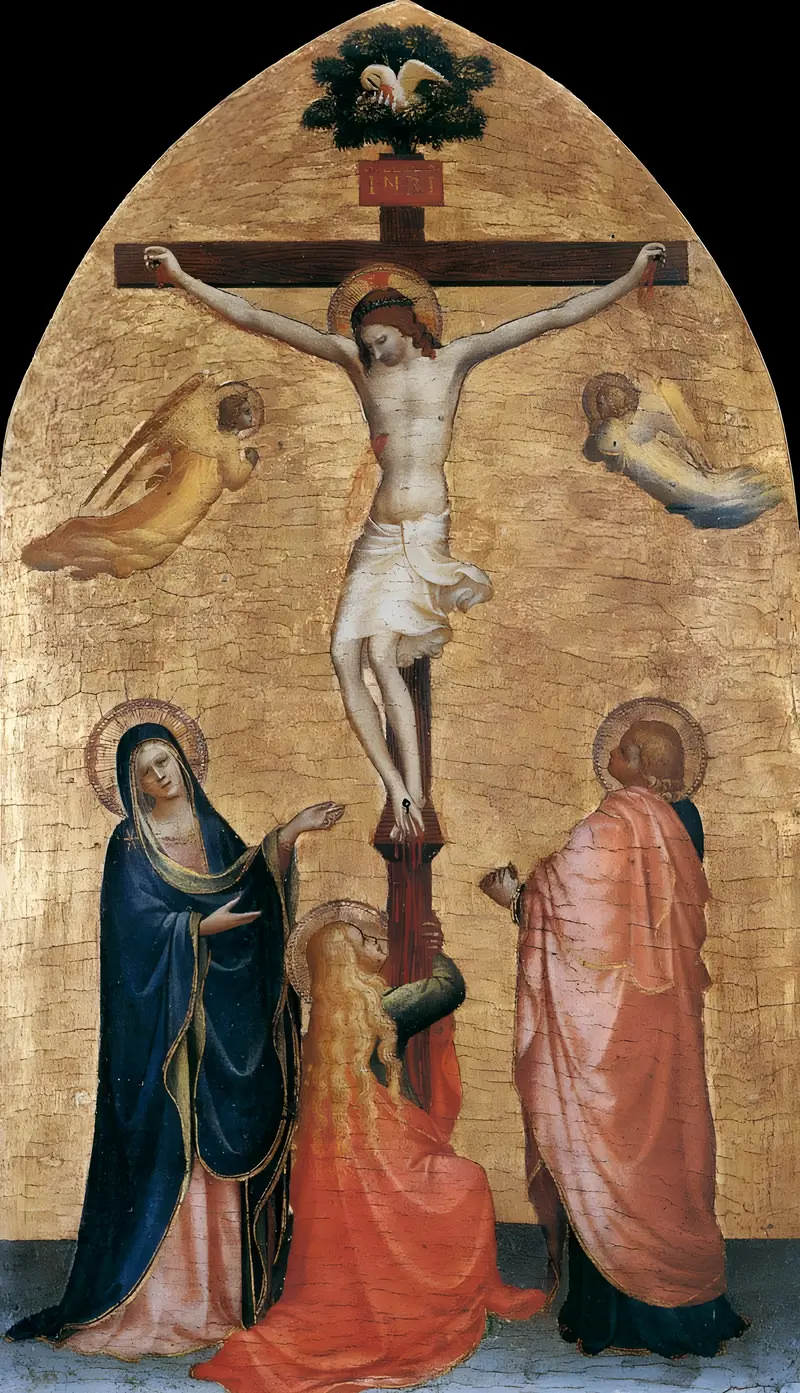
Crucifixion with the Virgin, John the Evangelist, and Mary Magdelene
Fra Angelico
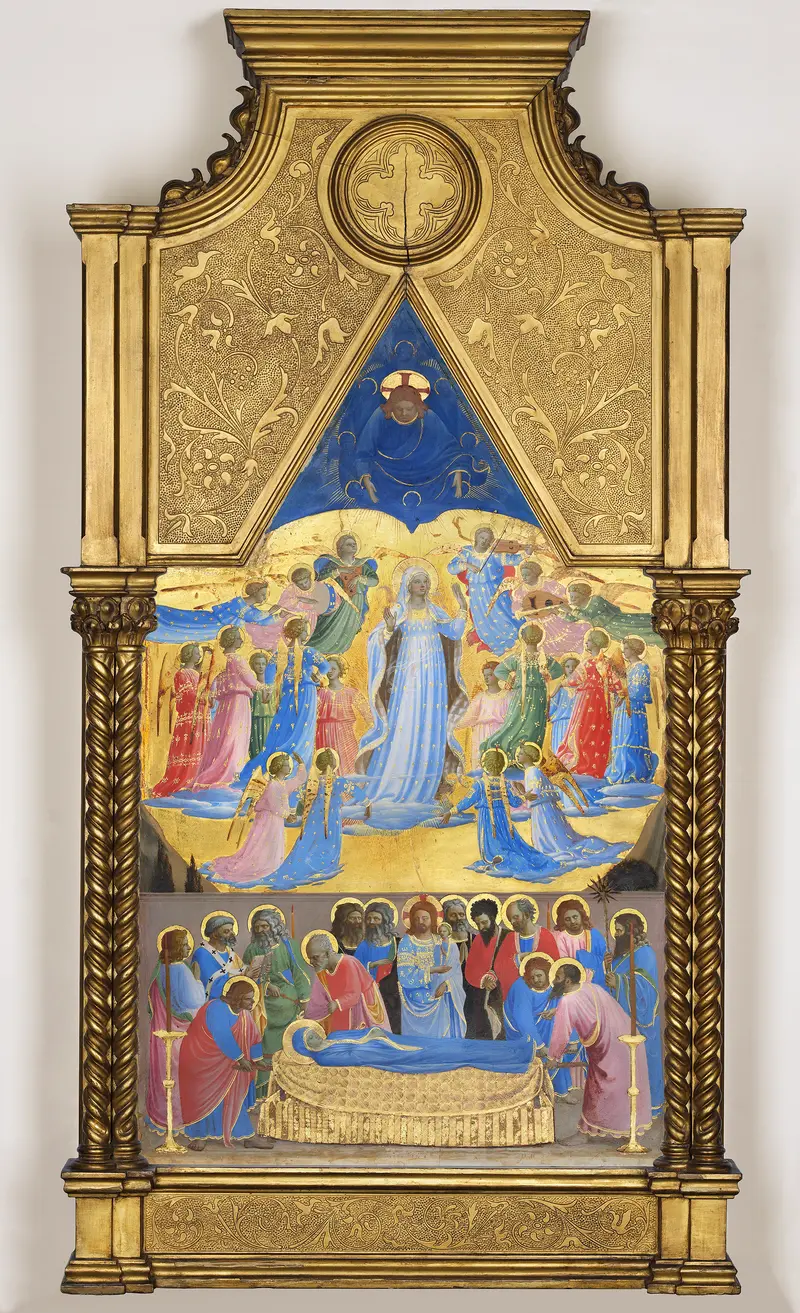
Dormition and Assumption of the Virgin
Fra Angelico
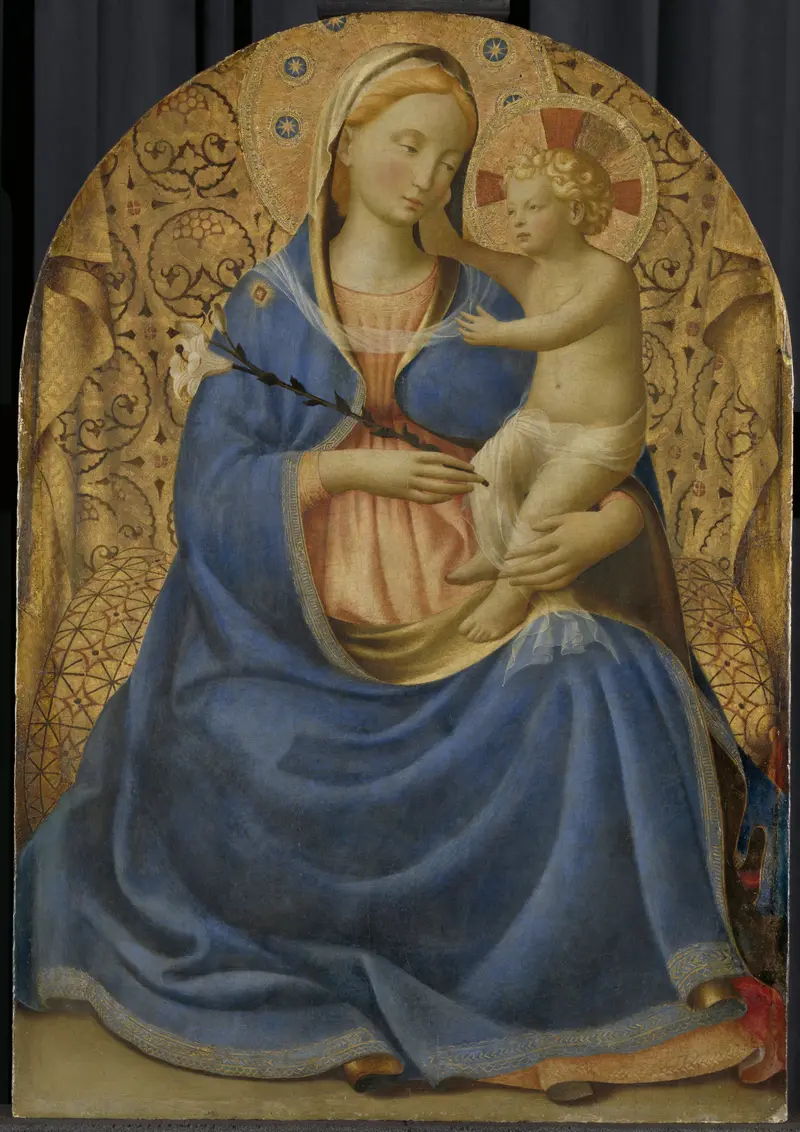
Madonna of Humility
Fra Angelico
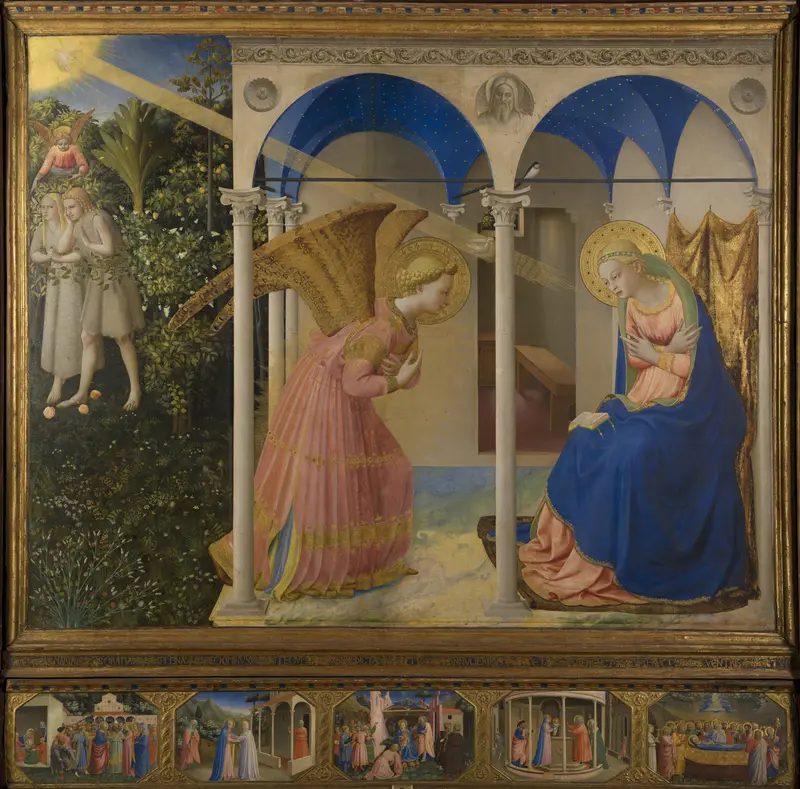
The Annunciation
Fra Angelico

Saint Anthony Abbot
Fra Angelico





