
Christ Blessing-Bellini-Hamburg — History & Facts
When Christ Blessing-Bellini-Hamburg left the workshop of Giovanni Bellini around 1510, it became one of the last statements of a painter who had shaped Venetian art for over half a century. The painting is one of several versions of the subject by Bellini, but this one is remarkable for its serenity and directness, created at a time when the artist was in his eighties. The composition has prompted debate among scholars, who note its subtle differences from other iterations, such as the more widely known Christ Blessing in the Louvre.
Some suggest this late work reflects Bellini's mature style, stripped of narrative detail and focused on the quiet exchange between Christ and the viewer. The moment Bellini chooses is not one of drama, but of gentle encounter: Christ, risen, raises his right hand in blessing while his left rests on a crystal orb, symbolizing his dominion over the world. His calm gaze meets ours, inviting reflection rather than awe. The wounds of the Passion are visible but understated, emphasizing resurrection over suffering.
Light falls softly across Christ’s flesh, lending him a tangible presence—an effect Bellini perfected through decades of study. Compared to Antonello da Messina’s more psychological Christ Blessing, Bellini’s Christ is less introspective, more approachable, embodying the Venetian taste for luminous color and human warmth. The precise early history of Christ Blessing-Bellini-Hamburg is unclear, as is the identity of its original patron, but its type was popular among private collectors in early 16th-century Venice. The painting eventually found its way to Hamburg, where it is now housed in the Hamburger Kunsthalle.
Over the centuries, attribution debates have occasionally surfaced, given the number of workshop copies and variants, but consensus now firmly credits it to Giovanni Bellini himself. As one of his final works, it stands as a testament to the enduring appeal of his vision: a quiet, personal encounter with the divine, rendered with the clarity and warmth that made Bellini the father of Venetian Renaissance painting.
More Artworks by Giovanni Bellini
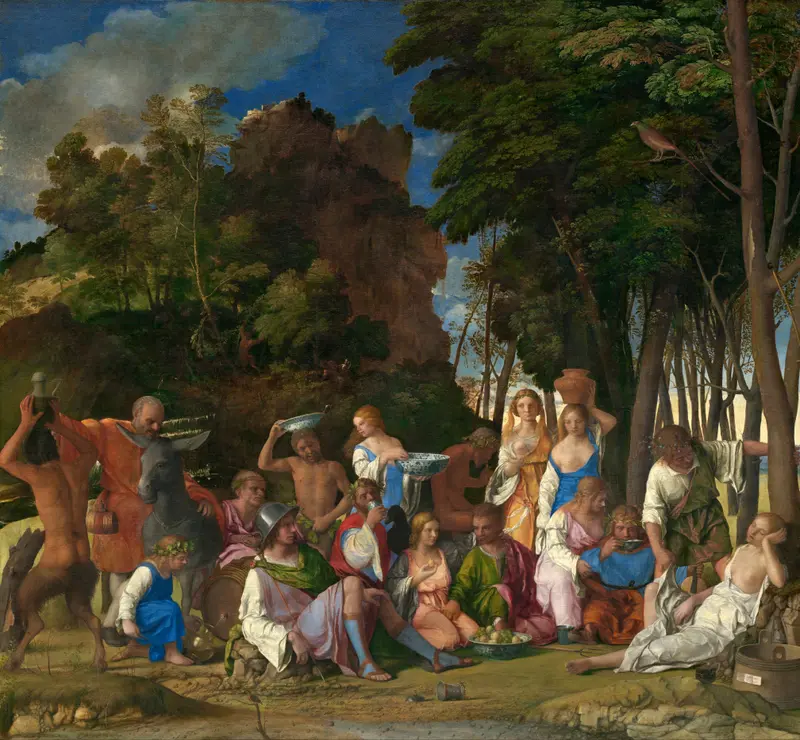
The Feast of the Gods
Giovanni Bellini

Madonna and Child enthroned with Saints and Angels
Giovanni Bellini
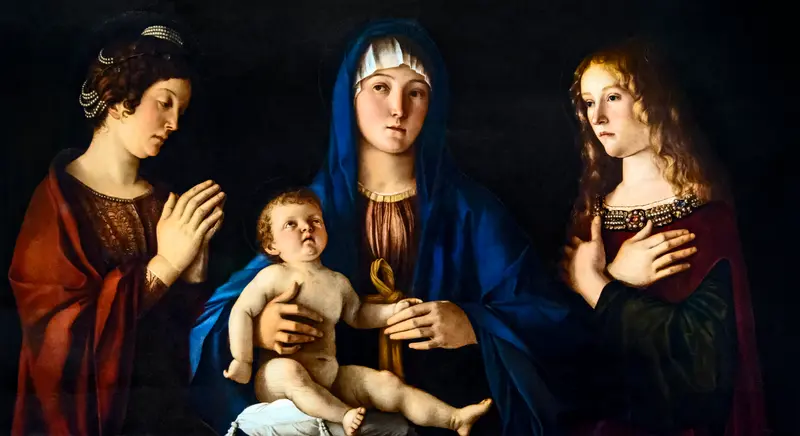
Madonna and Child between Saints Catherine and Mary Magdalene
Giovanni Bellini
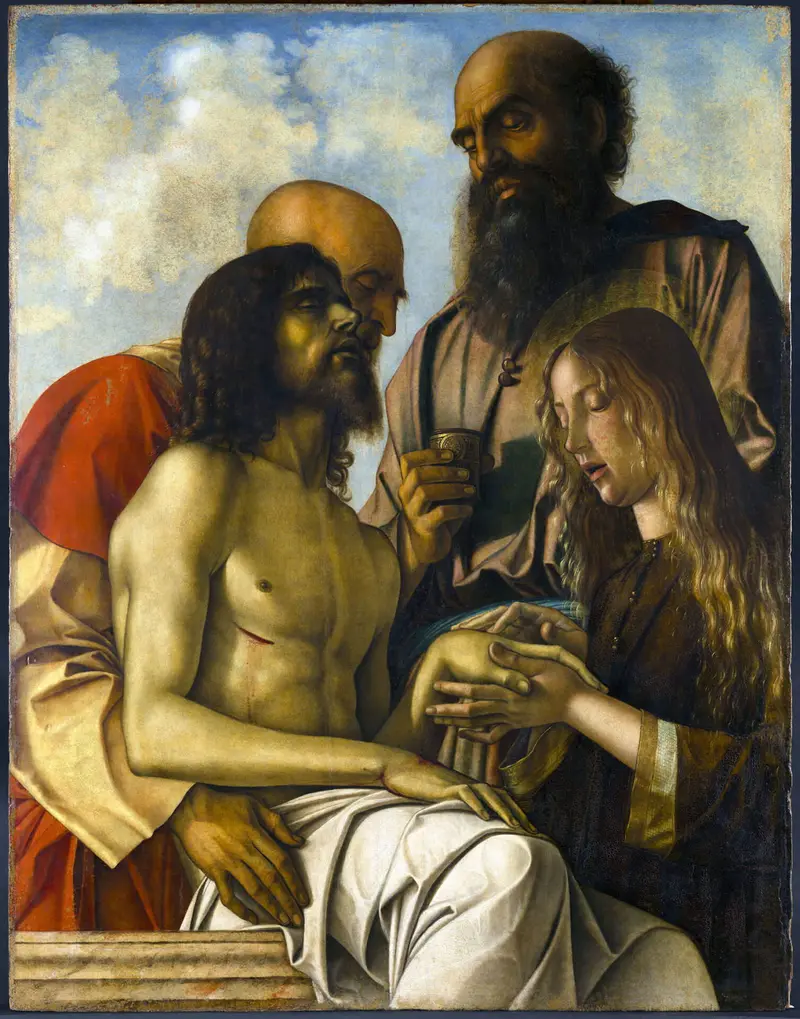
Lamentation over the Dead Christ
Giovanni Bellini
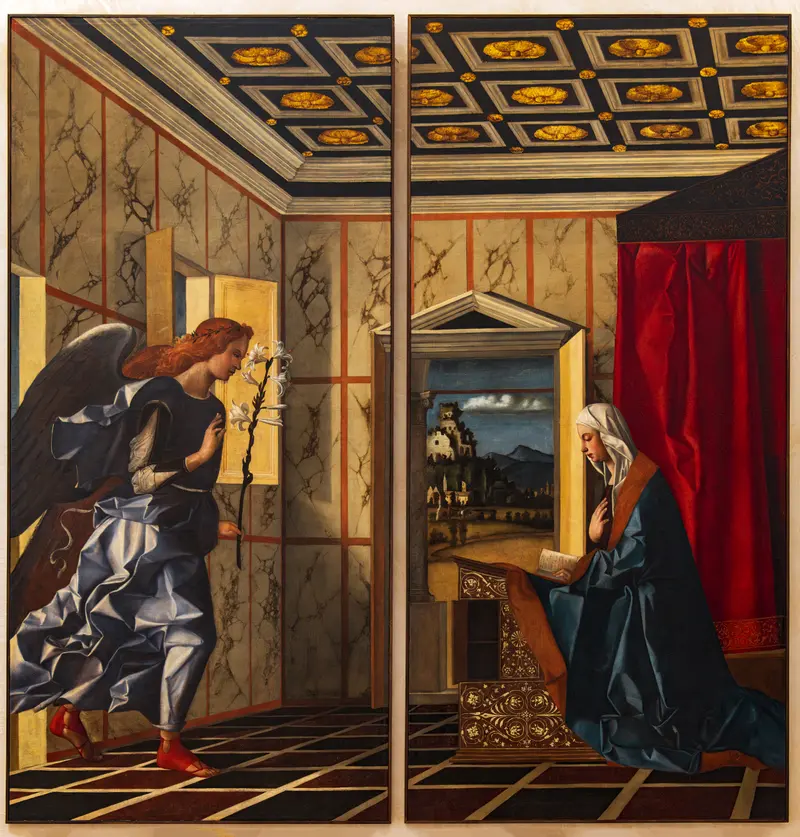
Annunciation
Giovanni Bellini
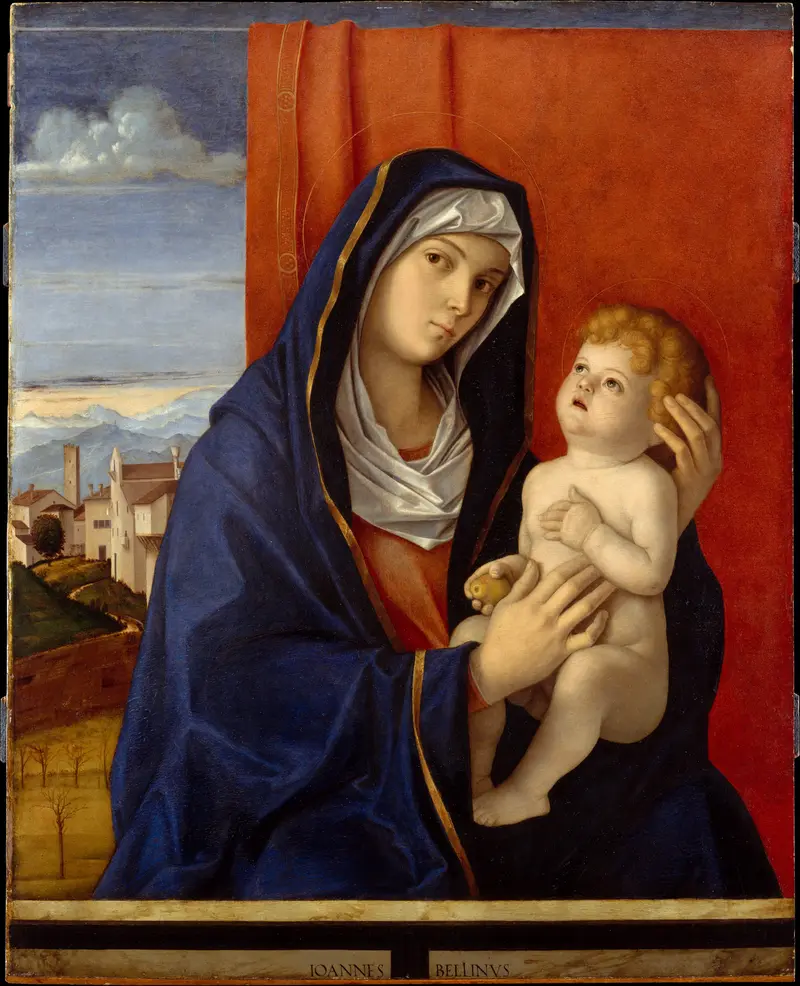
Madonna and Child
Giovanni Bellini
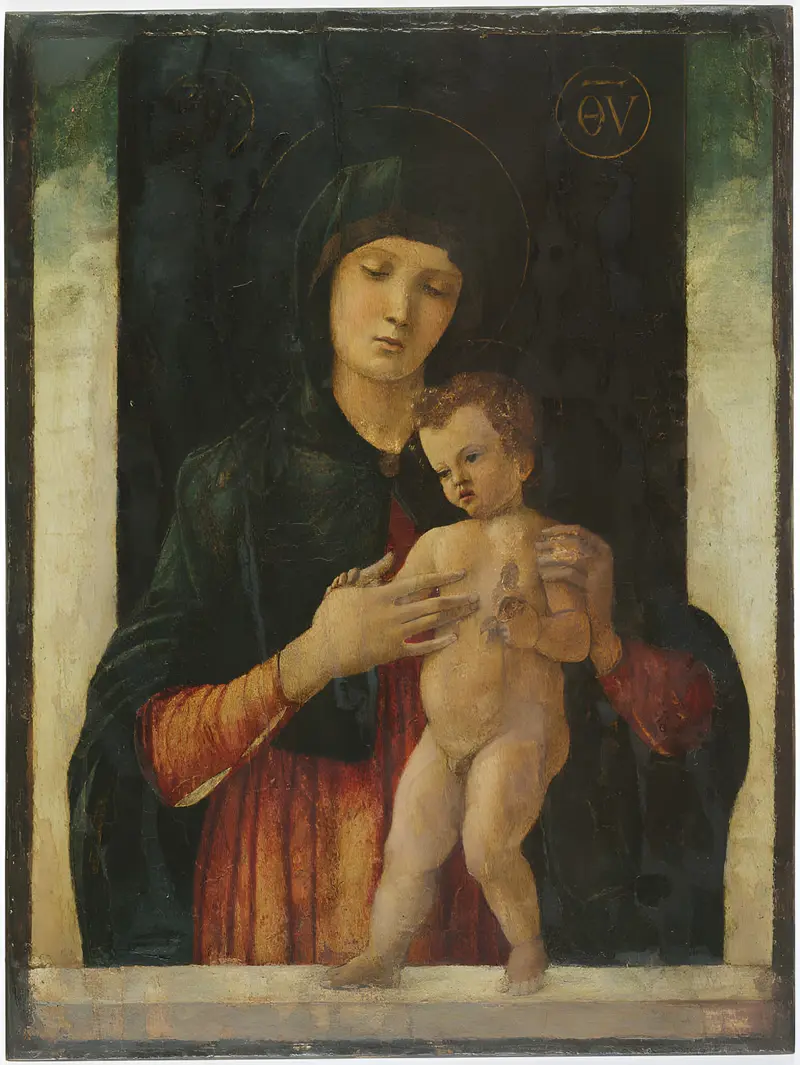
The Virgin and Child
Giovanni Bellini
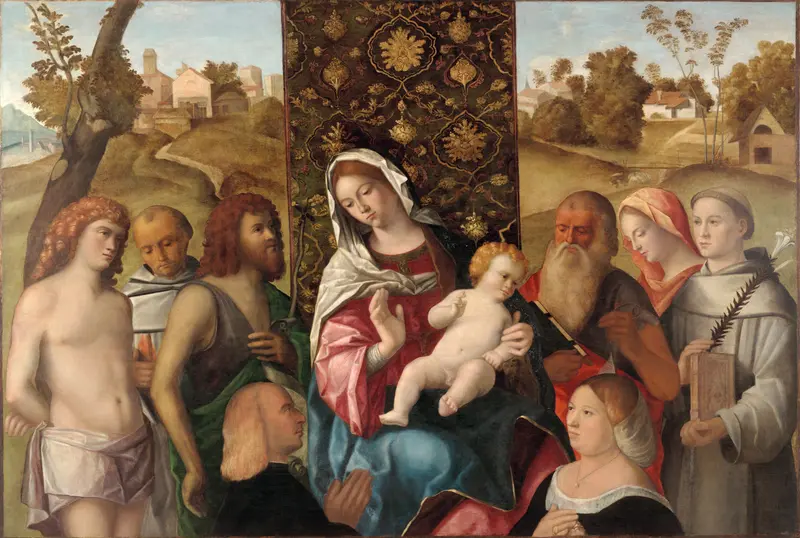
Virgin and Child with Saints Sebastian, Francis, John the Baptist, Jerome, an unidentified female saint, Saint Anthony of Padua and two donors
Giovanni Bellini
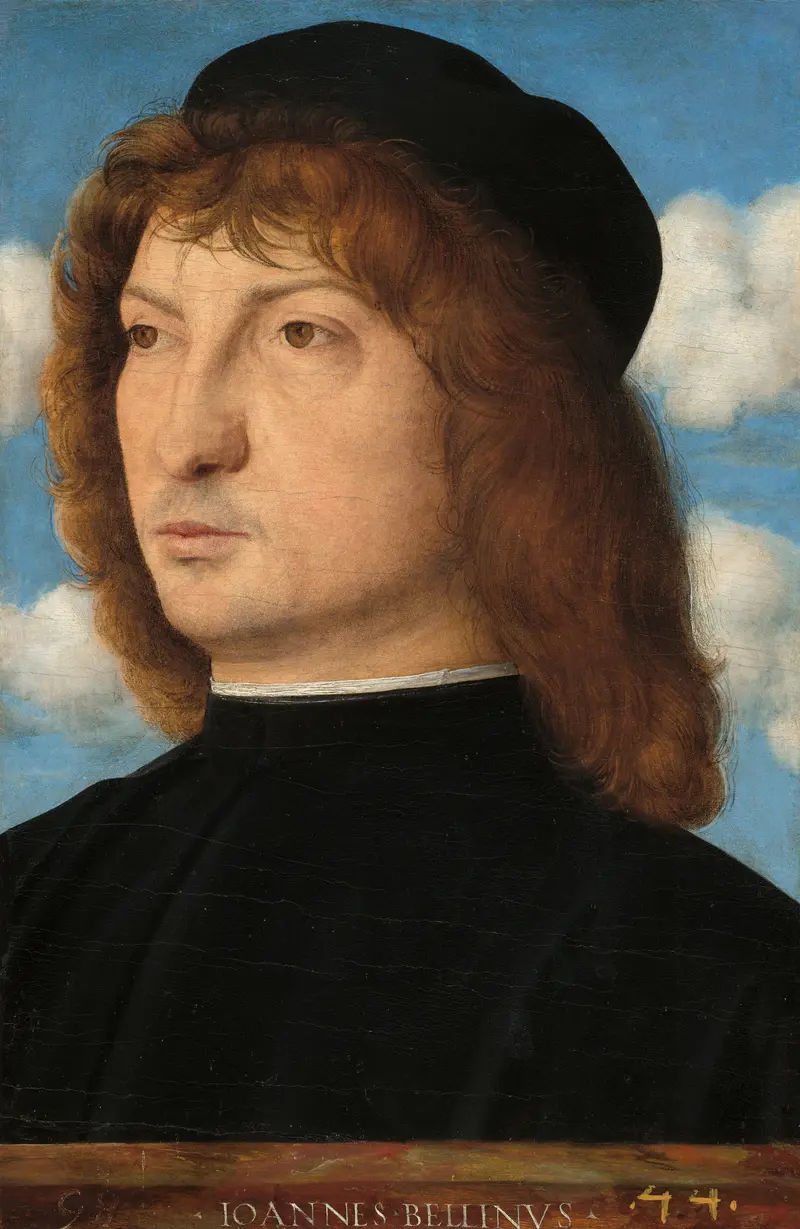
Portrait of a Venetian Gentleman
Giovanni Bellini
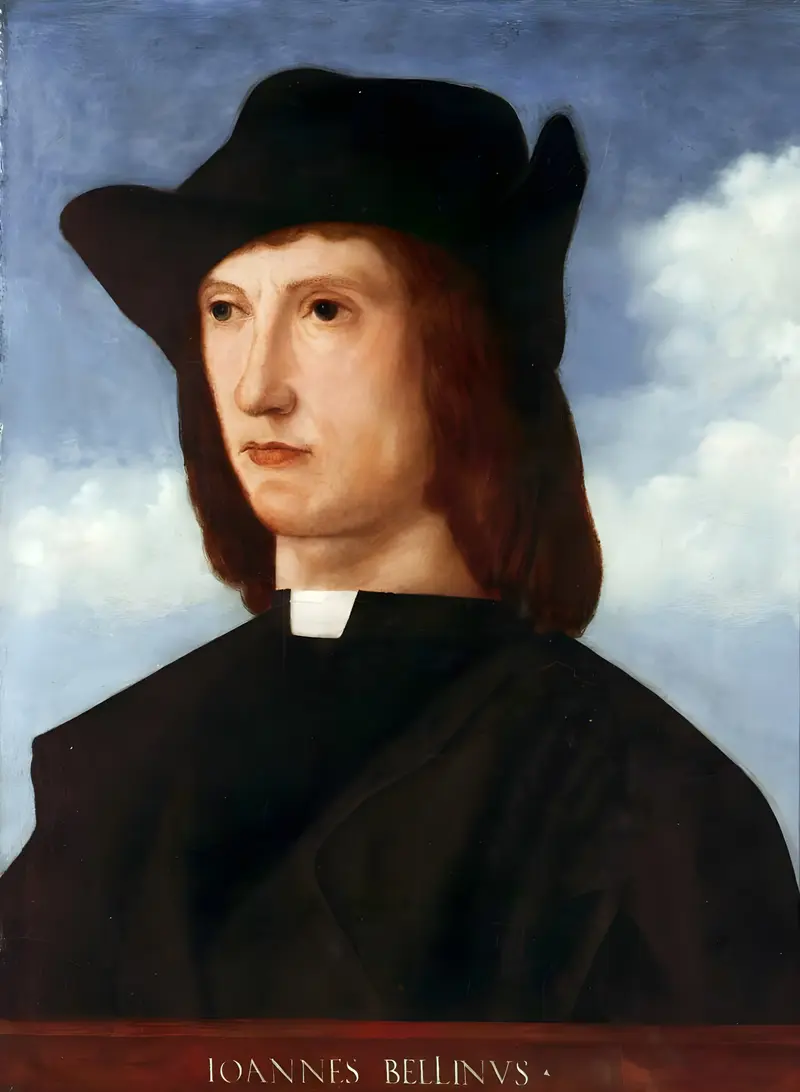
Portrait of a Young Man
Giovanni Bellini





