
Christ Blessing the Children — History & Facts
What first draws the eye in Christ Blessing the Children is not a single figure, but the way light itself seems to gather around a moment of gentle contact. The scene is almost dreamlike: golden illumination pools around the central group, where a standing figure bends toward two small children. The brushwork is loose, nearly dissolving the boundaries between bodies and surroundings, so that the act of blessing feels both intimate and universal.
The archway behind frames the encounter, while the figures to either side recede into shadow, their forms barely defined—suggesting a crowd, yet keeping the focus on the hush of the central gesture. The palette, rich in ochres and earth tones, sets a mood of warmth and reverence, as if the entire landscape is caught in the glow of a late afternoon. This painting belongs to the later nineteenth century, a period when religious subjects were often reimagined with new emotional immediacy. Adolphe Joseph Thomas Monticelli was known for his vibrant, textured surfaces and his ability to conjure atmosphere from color and light alone.
Works like this, created between 1870 and 1886, reflect both the lingering influence of Romanticism and the stirrings of Impressionism, in which narrative gives way to sensation. Little is recorded about the specific origins or early life of this painting, now in the Rijksmuseum collection, but its very obscurity invites a closer look: history may have left few traces, yet the painting itself still glows with the memory of a blessing.
More Artworks by Adolphe Monticelli

Portrait of a Lady
Adolphe Monticelli
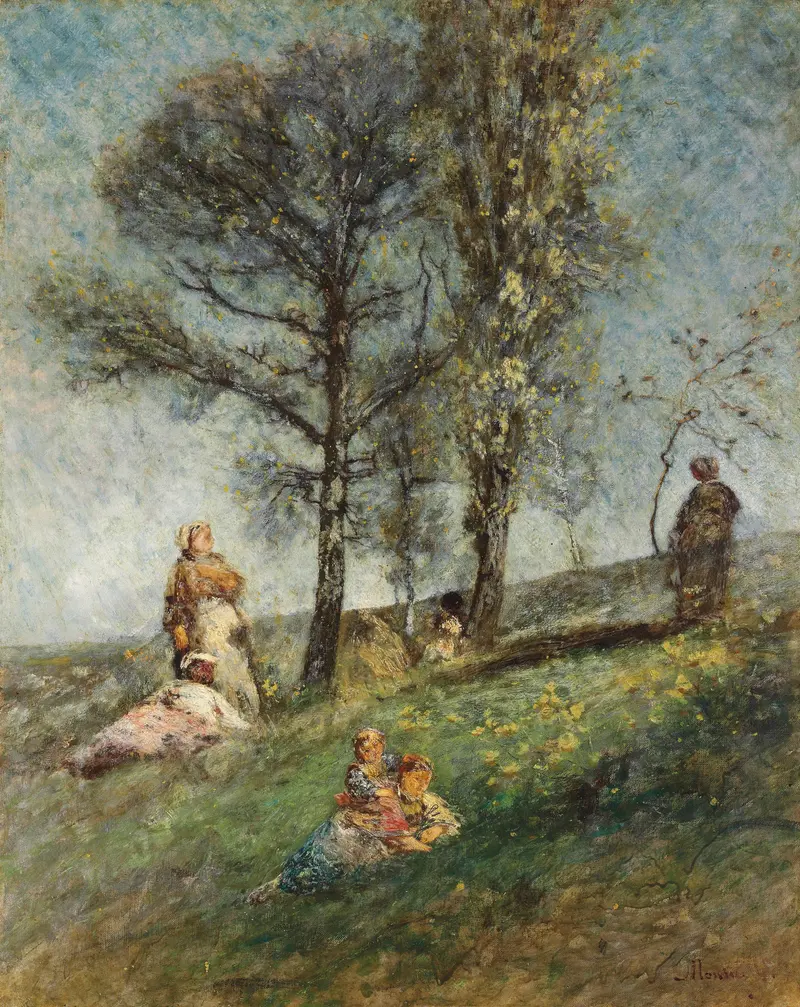
A Young Family Under Trees On A Hill
Adolphe Monticelli

Fête d'Après-Midi
Adolphe Monticelli
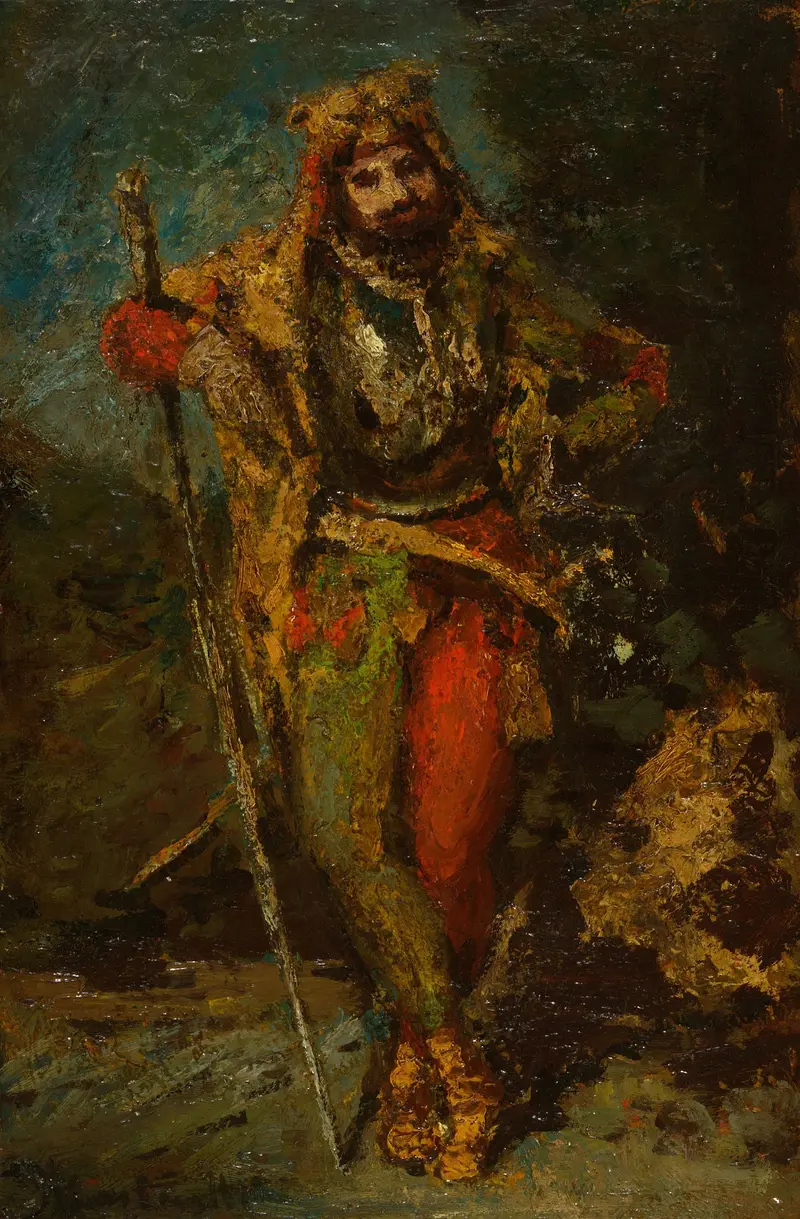
Mephisto from the Opera Faust
Adolphe Monticelli
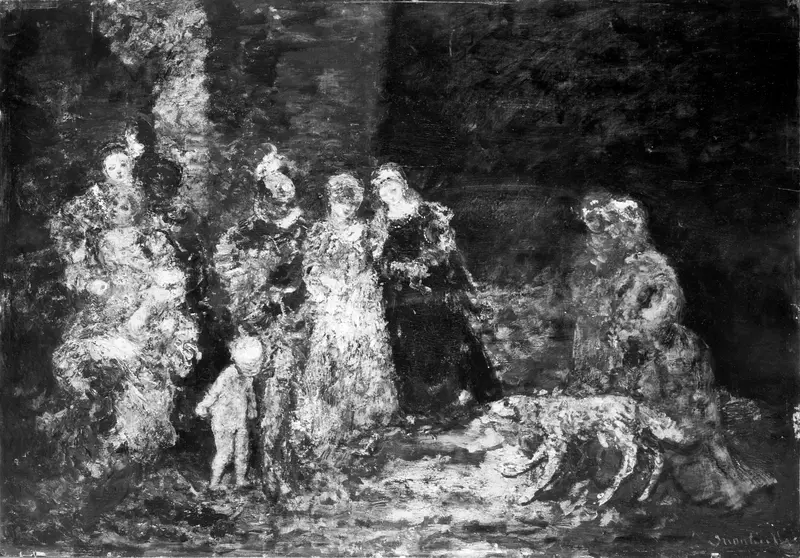
The Fairies
Adolphe Monticelli
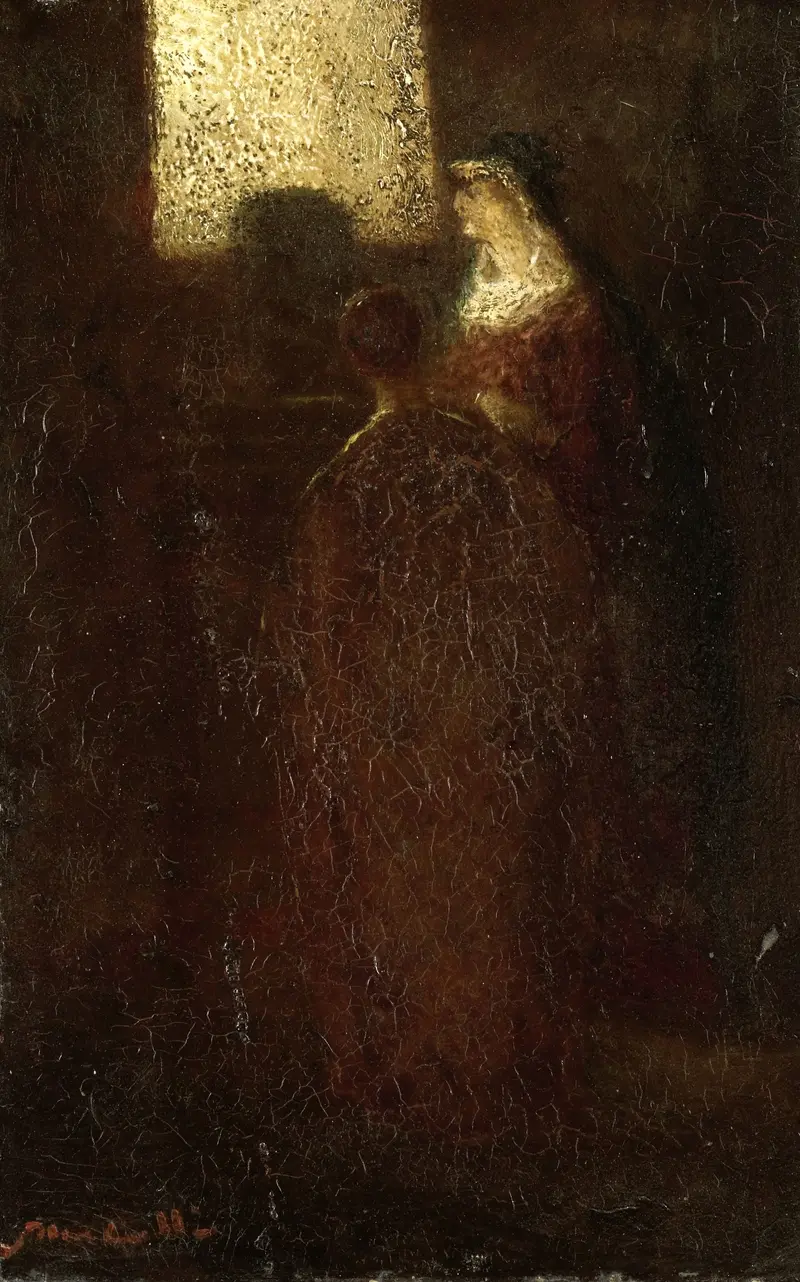
Aan het altaar
Adolphe Monticelli
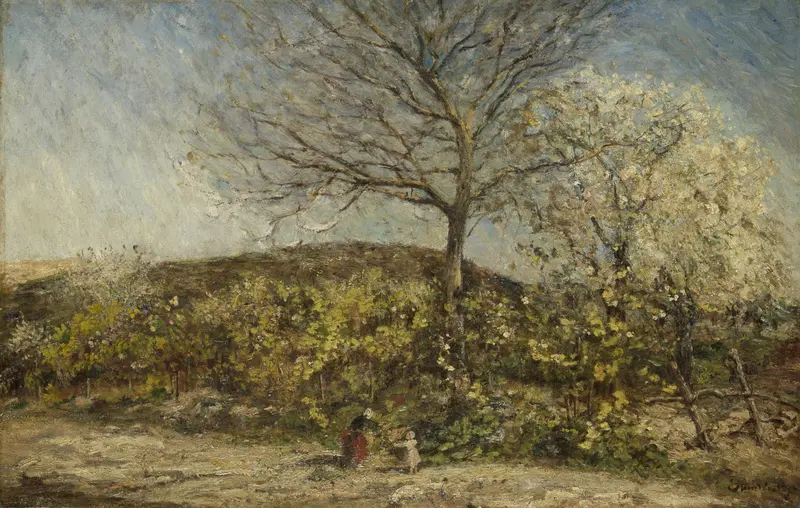
Landschap met bloeiende boomgaard
Adolphe Monticelli
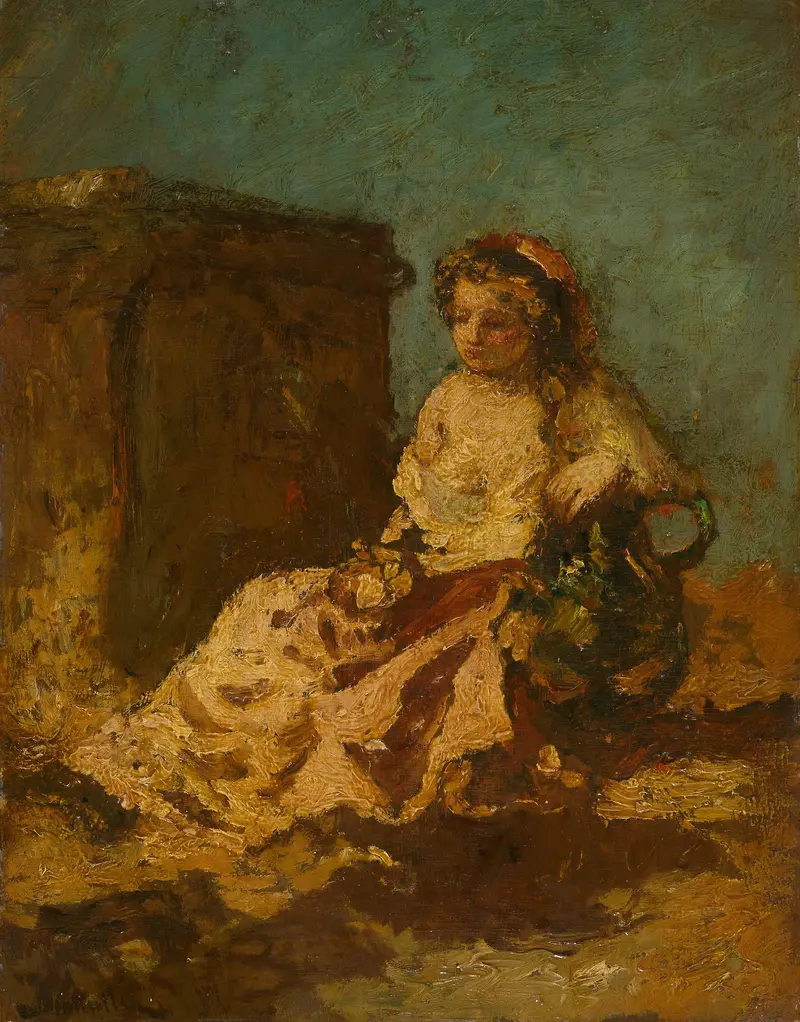
Meditation (Seated Woman)
Adolphe Monticelli
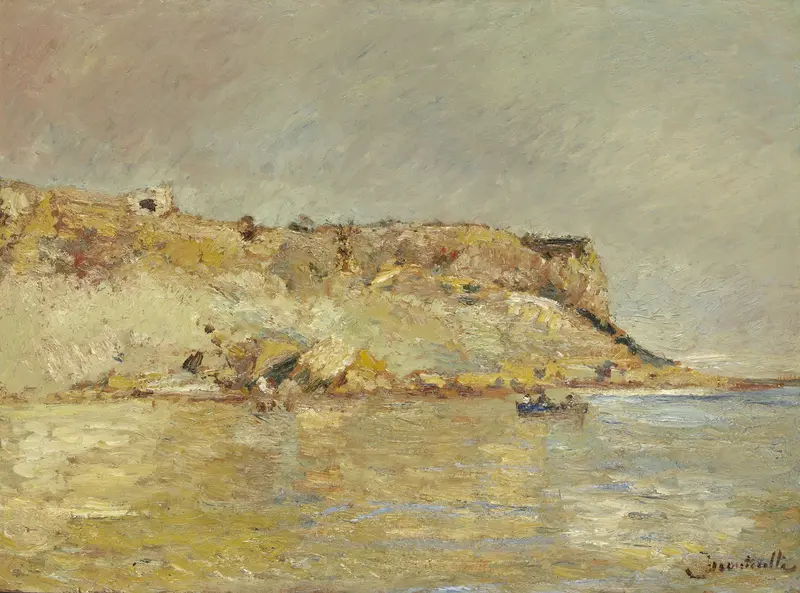
Coastal Mountains
Adolphe Monticelli
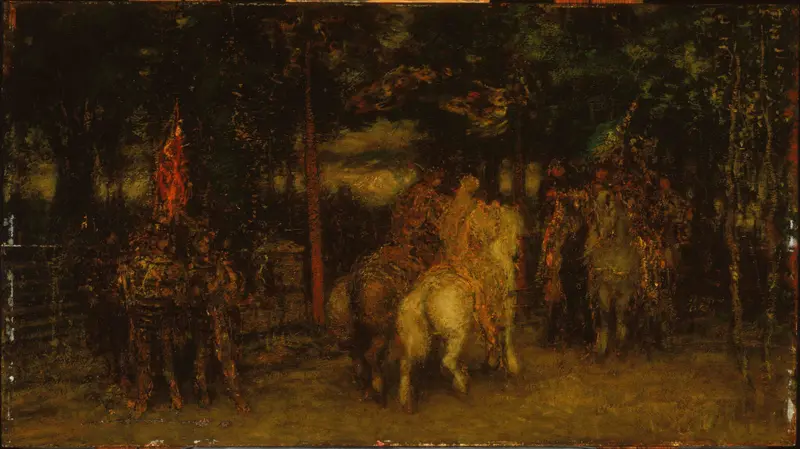
Landscape with Figures
Adolphe Monticelli





