
Christ crowned with Thorns — History & Facts
When Giovanni Bellini painted Christ crowned with Thorns in 1507, he was already a revered figure in Venetian art, yet this work stands out for its haunting intimacy. Unlike many grand altarpieces, this painting focuses solely on Christ’s suffering, stripped of crowds and spectacle. Art historians have long noted that Bellini returned to this theme several times, but each version offers a different emotional register—this one, in particular, is remarkable for its quiet restraint.
The painting’s date places it late in Bellini’s career, when he was adapting to the innovations of younger artists like Giorgione and Titian, yet still holding to his own vision. At the moment Bellini chose to depict, Christ sits alone, his head bowed under the weight of a woven crown of thorns, blood trickling down his brow. The ropes binding his hands are rendered with a tactile realism, emphasizing both his physical vulnerability and spiritual endurance. The background is dark, pushing Christ’s luminous flesh forward, his eyes meeting the viewer’s gaze with a mixture of pain and resignation.
Unlike Hieronymus Bosch’s frenetic and crowded interpretations of the same subject, Bellini’s Christ is isolated, inviting a private meditation on suffering and compassion. The subtle play of light across Christ’s face and the almost sculptural modeling of his features are signatures of Bellini’s mature style. The early history of Christ crowned with Thorns remains somewhat obscure, as is often the case with Bellini’s smaller devotional paintings. It is likely that the work was commissioned for private contemplation rather than public display, reflecting the growing taste for intimate religious images in early 16th-century Venice.
Over the centuries, the painting has passed through several collections, admired for its psychological depth and technical refinement. Today, it stands as a testament to Bellini’s ability to distill a moment of profound emotion into a deceptively simple composition, and it continues to prompt reflection on the enduring themes of suffering and redemption.
More Artworks by Giovanni Bellini
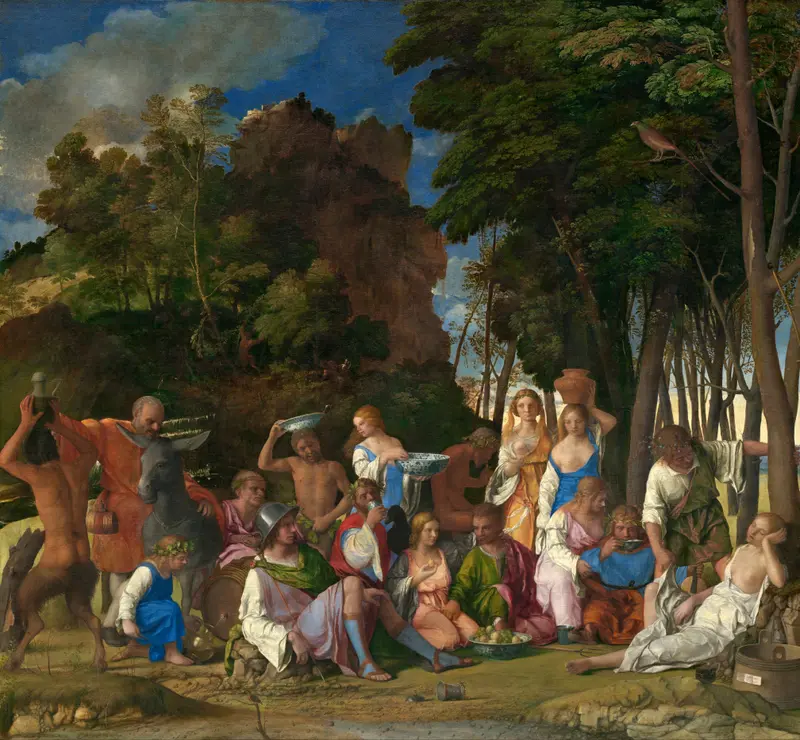
The Feast of the Gods
Giovanni Bellini

Madonna and Child enthroned with Saints and Angels
Giovanni Bellini
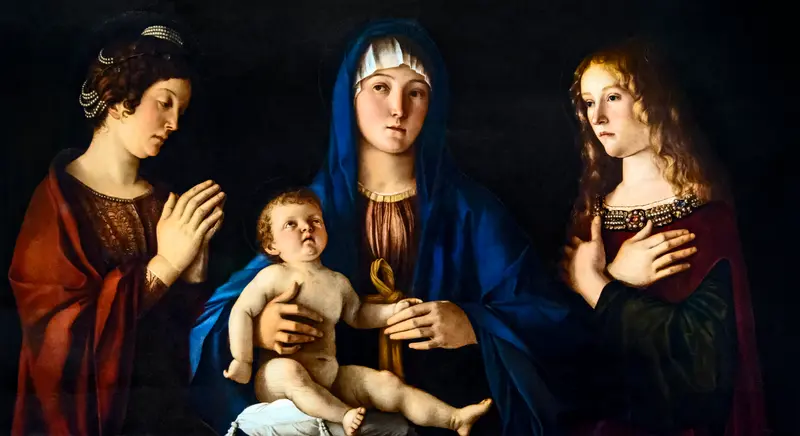
Madonna and Child between Saints Catherine and Mary Magdalene
Giovanni Bellini
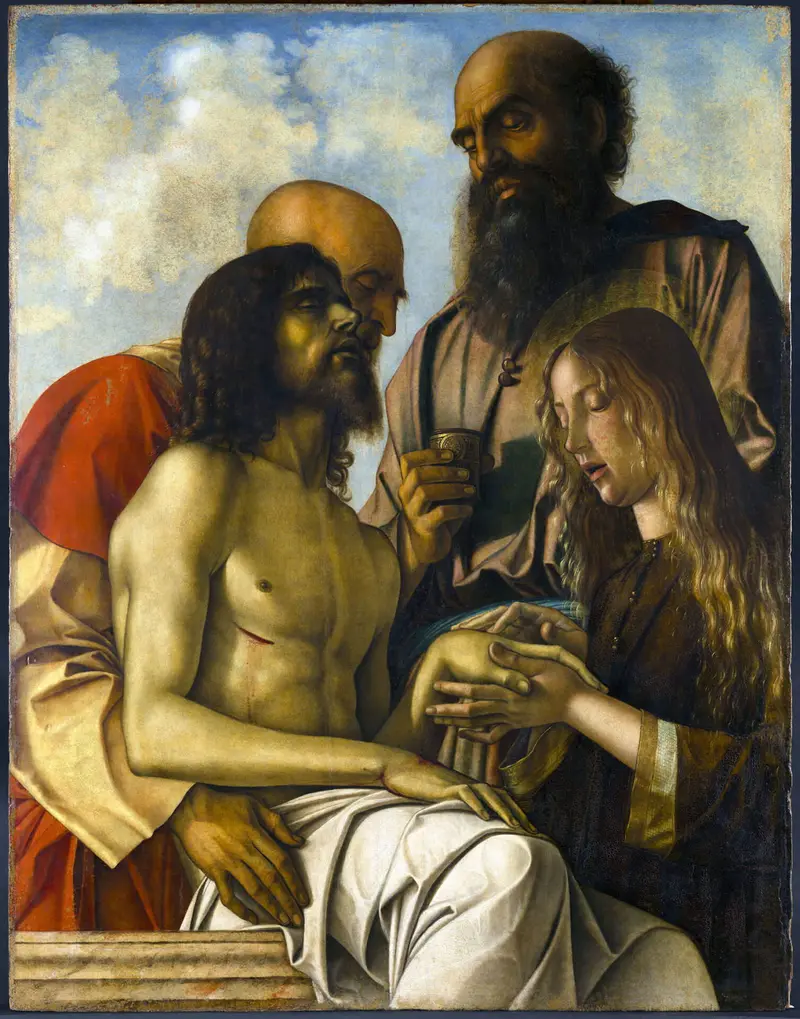
Lamentation over the Dead Christ
Giovanni Bellini
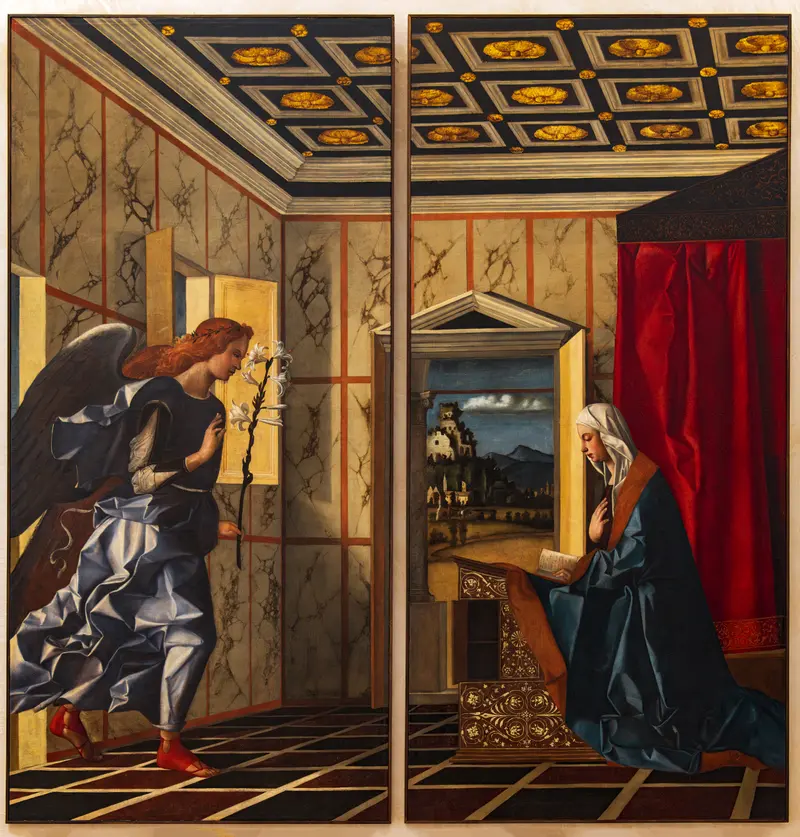
Annunciation
Giovanni Bellini
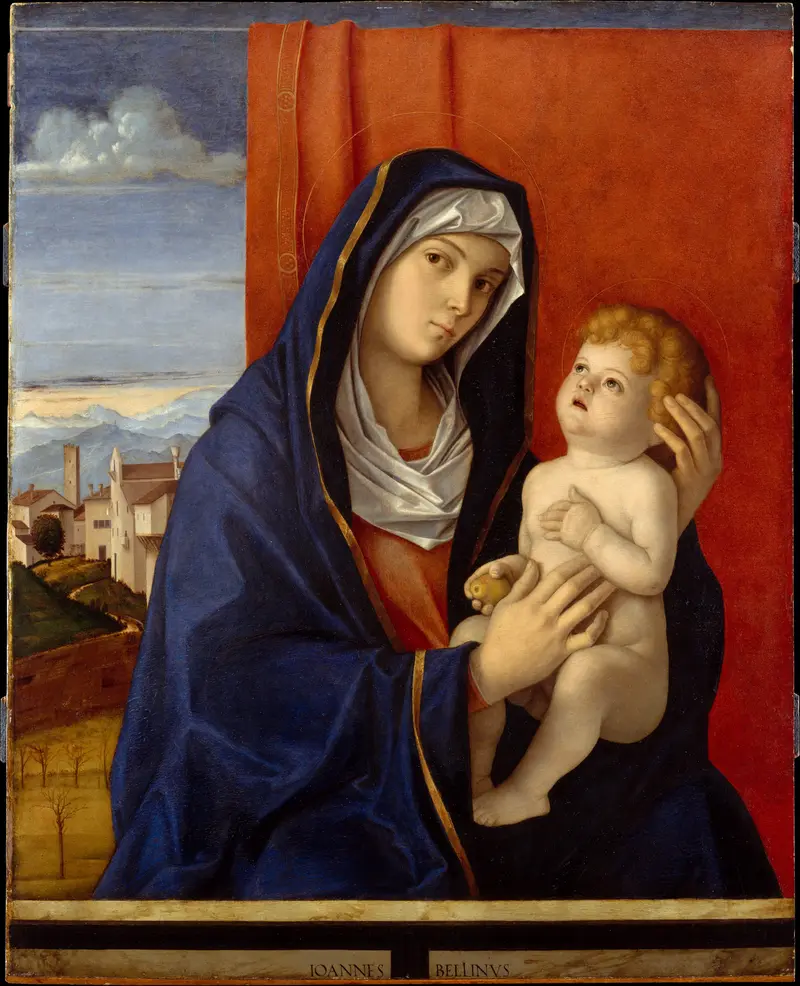
Madonna and Child
Giovanni Bellini
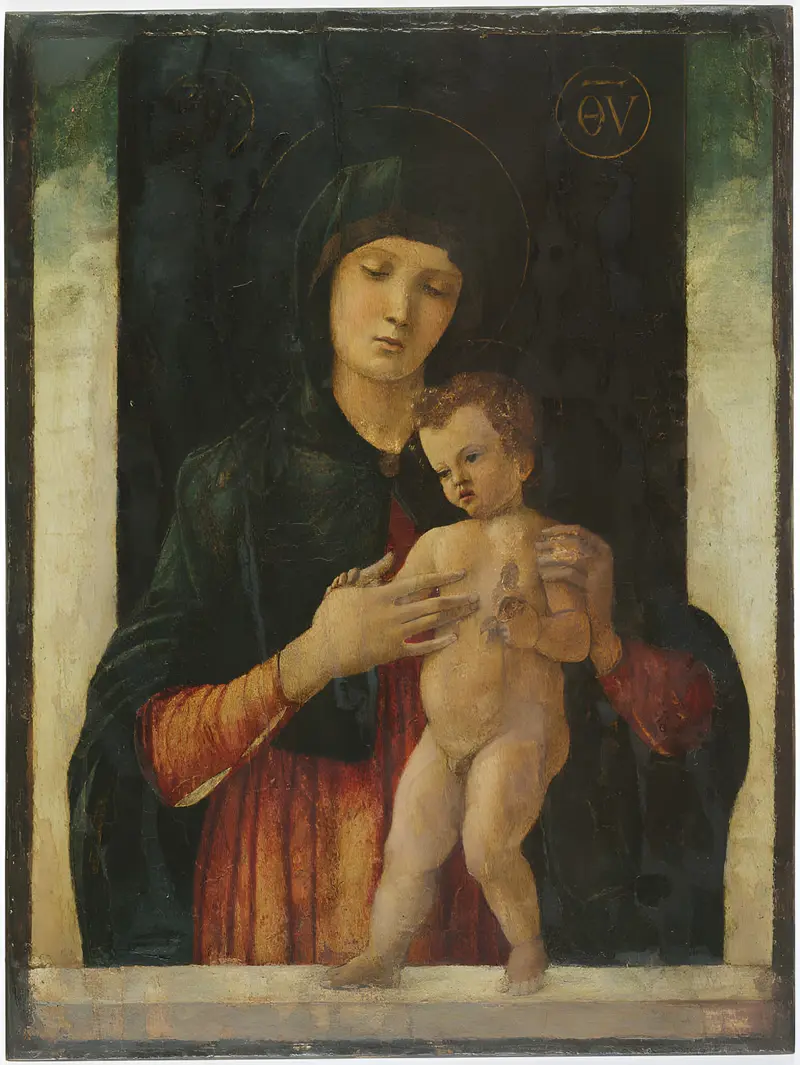
The Virgin and Child
Giovanni Bellini
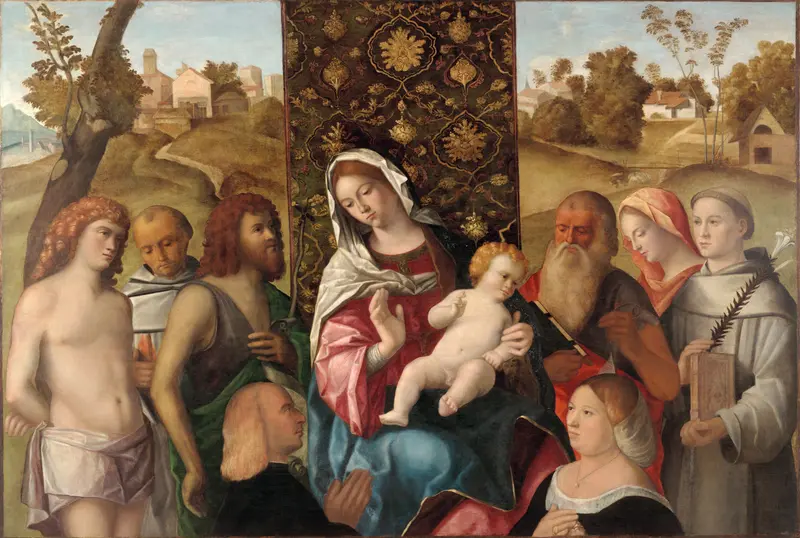
Virgin and Child with Saints Sebastian, Francis, John the Baptist, Jerome, an unidentified female saint, Saint Anthony of Padua and two donors
Giovanni Bellini
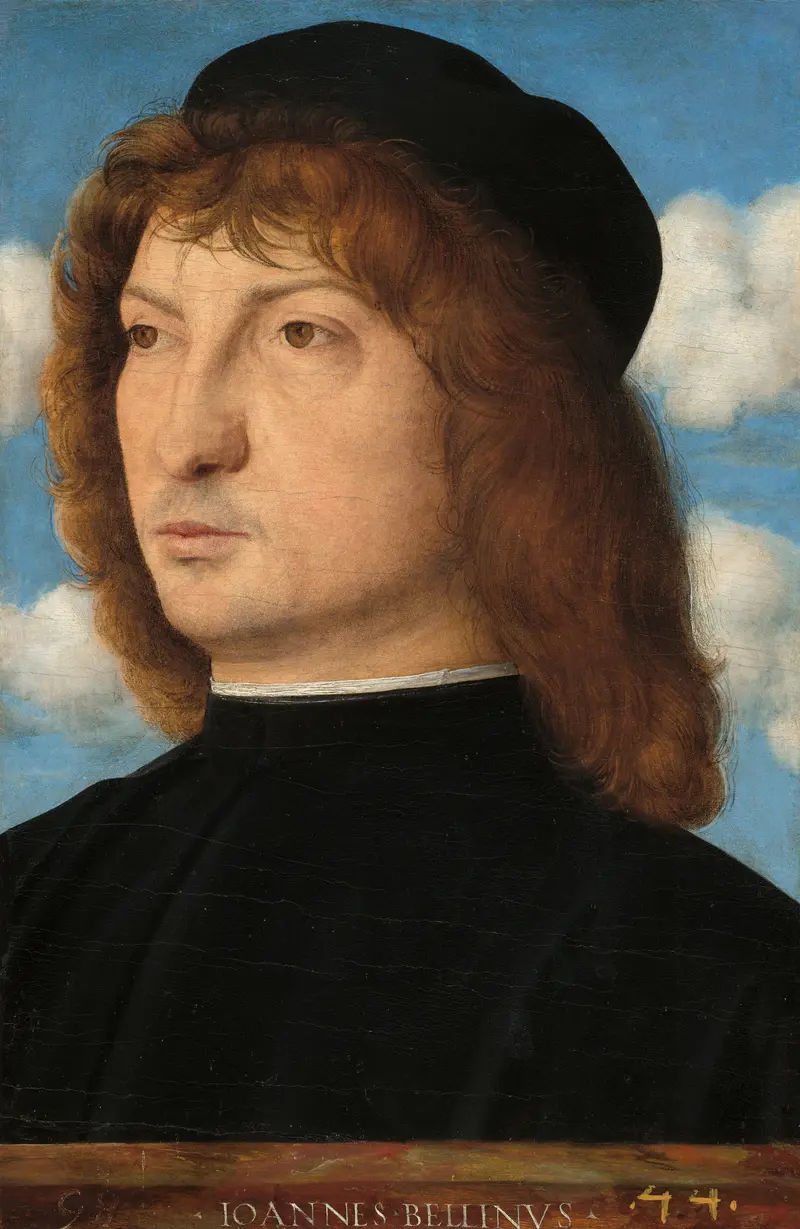
Portrait of a Venetian Gentleman
Giovanni Bellini
Portrait of a Young Man
Giovanni Bellini





