
Christ Crucified — History & Facts
In Christ Crucified, Francisco de Zurbarán presents a dramatic scene of the crucifixion. The figure of Christ hangs on the cross, depicted with a strong sense of realism. The color palette is dominated by deep browns and reds, creating a somber atmosphere.
The background is dark, emphasizing the figure of Christ and enhancing the emotional impact of the scene. The painting is executed in oil on canvas, a common medium during the Baroque period. Zurbarán's technique showcases his ability to render textures, particularly in the skin and fabric of Christ's loincloth. The use of chiaroscuro is evident, with strong contrasts between light and shadow that add depth to the composition.
The dimensions are approximately 200 x 120 cm, making it a significant work in size. Francisco de Zurbarán was known for his religious paintings, often focusing on themes of martyrdom and sacrifice. 'Christ Crucified' is a notable example of his work from the 1620s, reflecting the Baroque style's emphasis on emotional intensity. An interesting fact about this painting is that it was commissioned for a monastery, showcasing its intended role in devotional practices.
Zurbarán's ability to convey suffering and divinity has made this piece a significant work in the study of religious art.
More Artworks by Francisco de Zurbarán
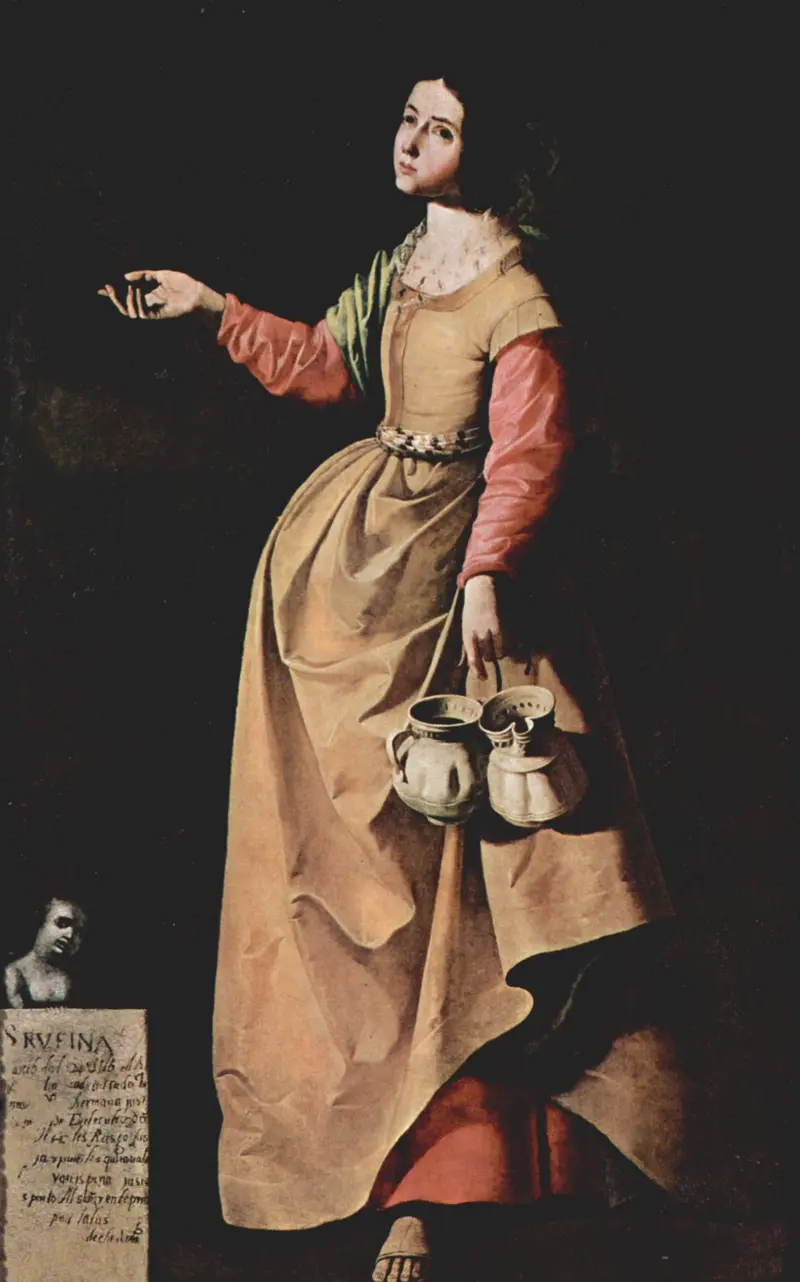
Saint Rufina
Francisco de Zurbarán
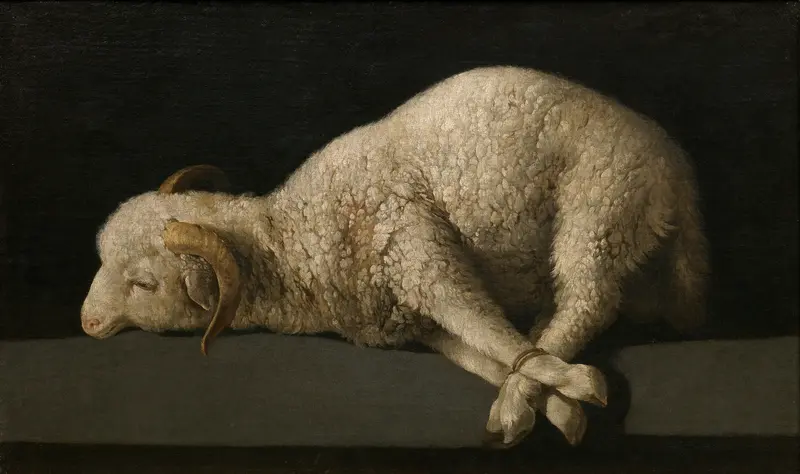
Agnus Dei
Francisco de Zurbarán
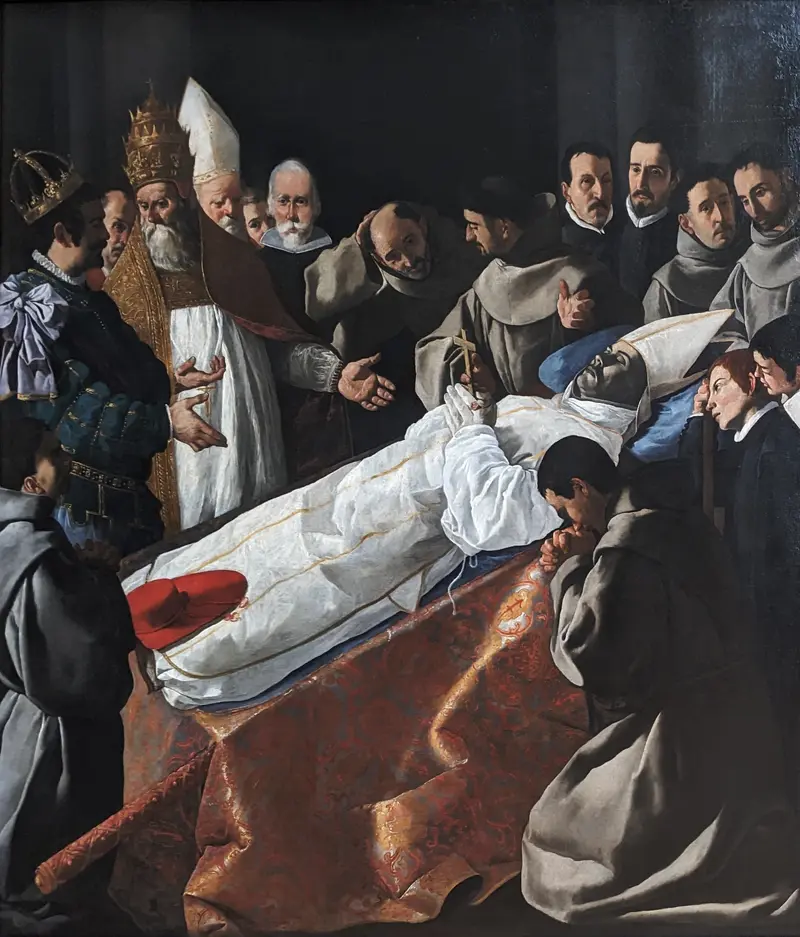
Saint Bonaventure's Body Lying in State
Francisco de Zurbarán
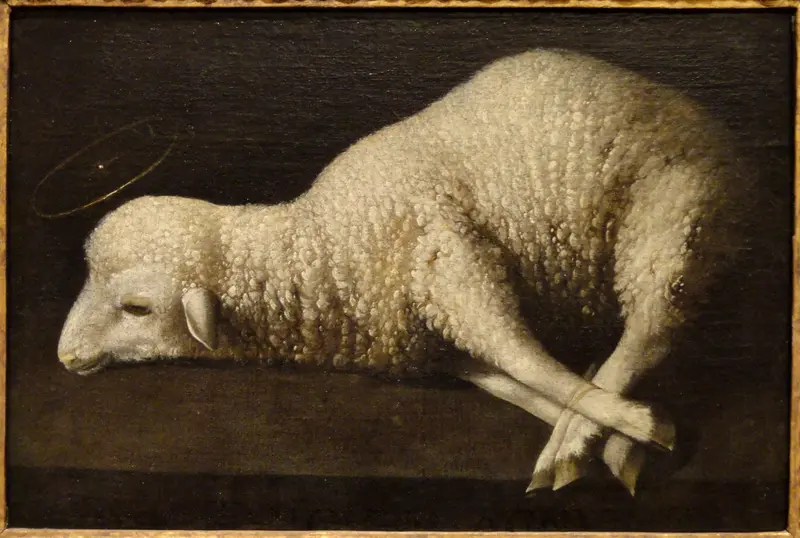
The Lamb of God
Francisco de Zurbarán

Adoration of the Magi
Francisco de Zurbarán
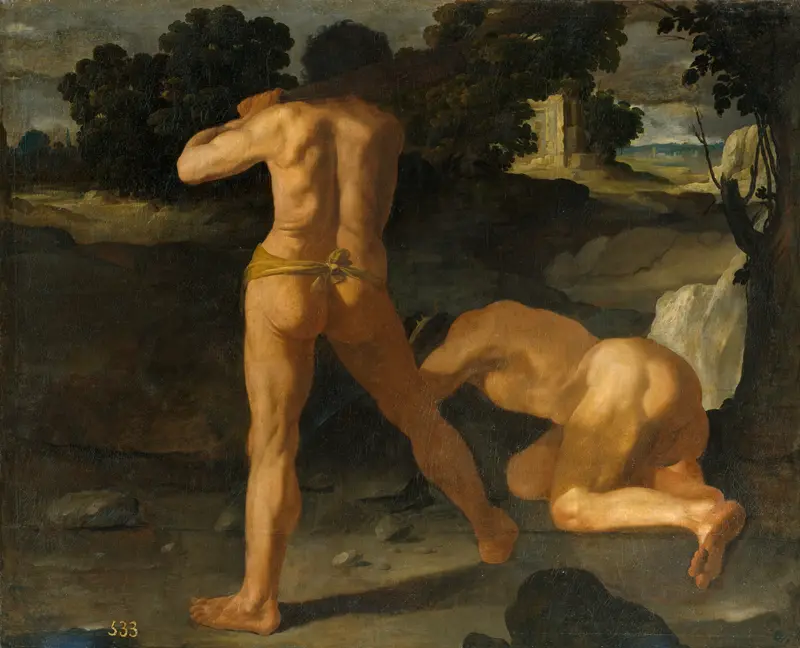
Hercules defeats King Geryon
Francisco de Zurbarán
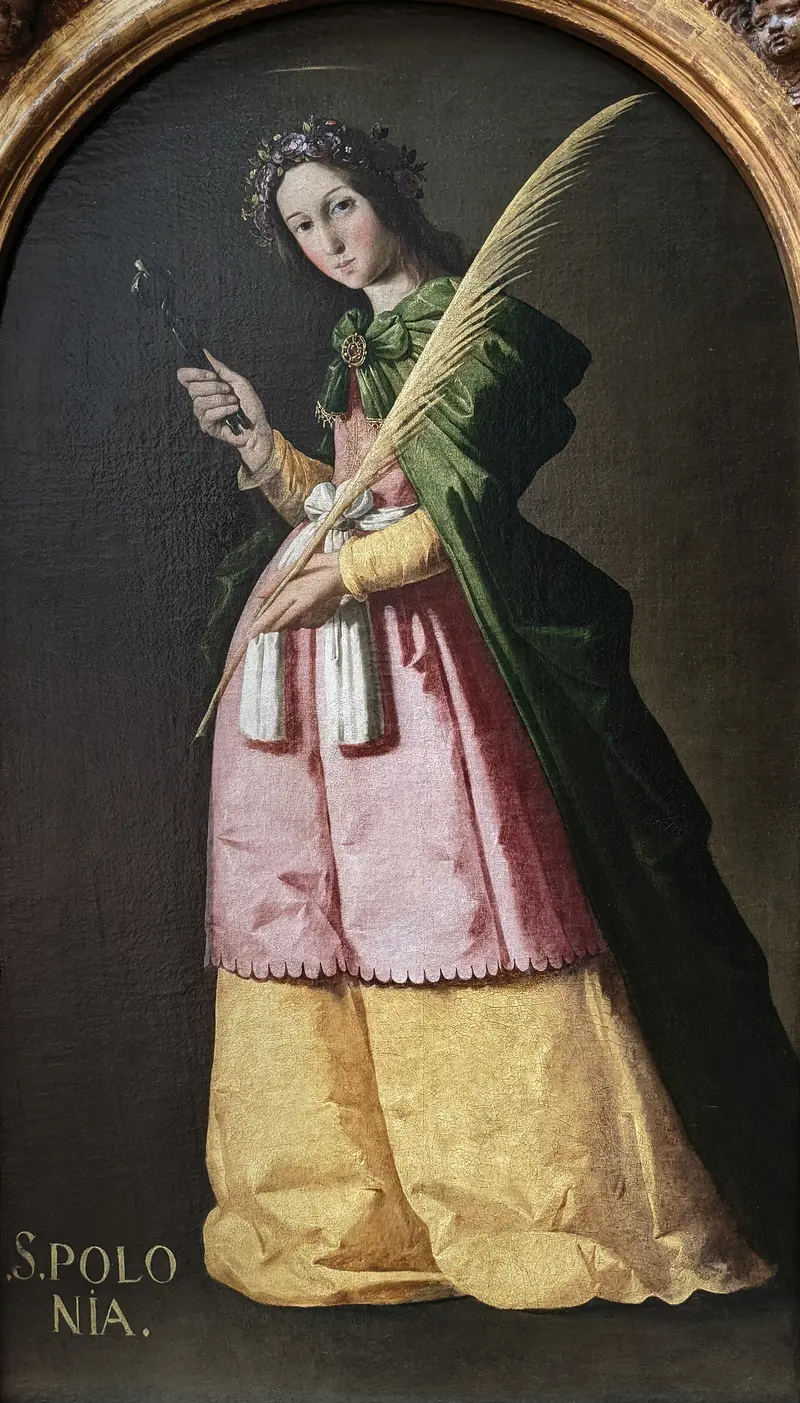
Saint Apollonia
Francisco de Zurbarán
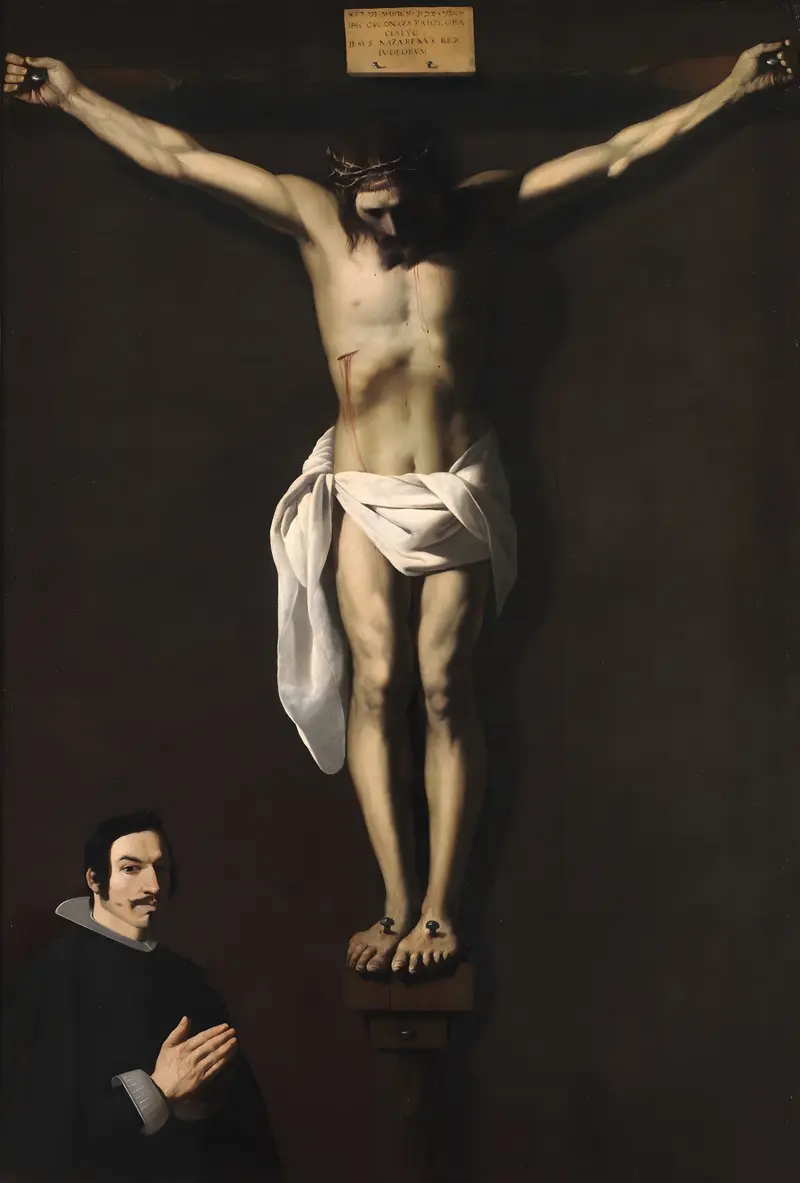
The Crucified Christ with a Donor
Francisco de Zurbarán
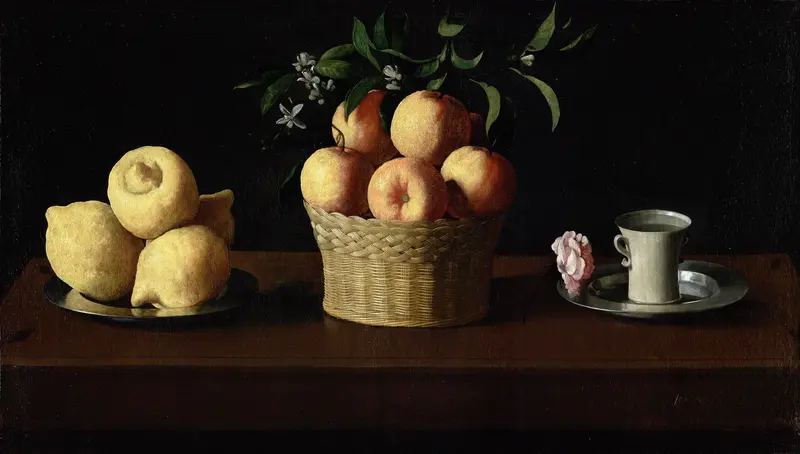
Still Life with Lemons, Oranges and a Rose
Francisco de Zurbarán
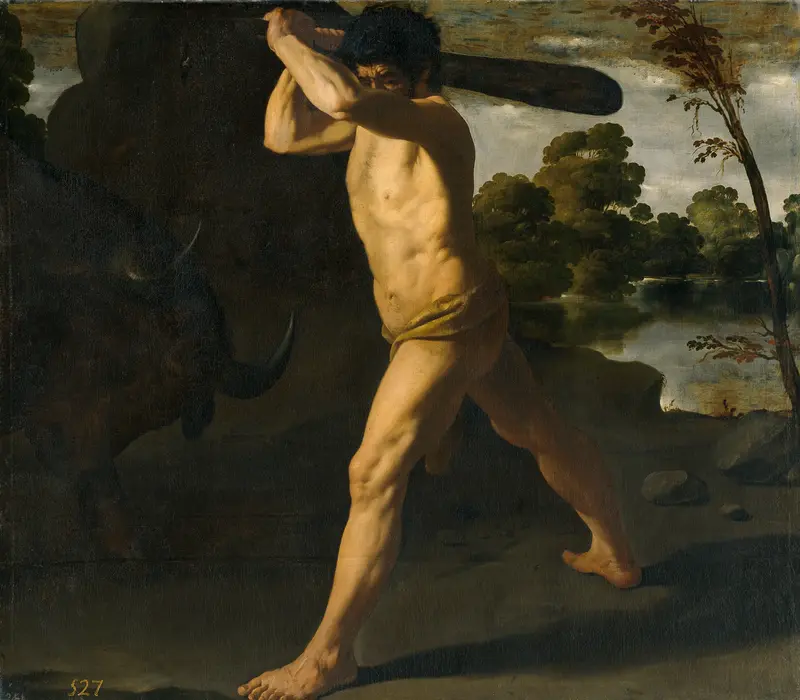
Hercules and the Cretan Bull
Francisco de Zurbarán





