
Christ in Glory — History & Facts
Few paintings by Correggio have sparked as much curiosity as Christ in Glory, a work whose date and original context remain elusive. What makes this painting especially intriguing is the ongoing scholarly debate over its intended destination—some suggest it was conceived as an altarpiece, others as a private devotional image. Its composition, with Christ surrounded by a host of angels and saints, echoes the artist’s grand frescoes in Parma, yet it stands alone as a rare, portable vision of the heavenly court.
The lack of early documentation has left room for speculation, drawing art historians into a centuries-long conversation about its origins and meaning. At the heart of the painting, Correggio presents Christ at the moment of his celestial enthronement, arms open in a gesture of welcome and judgment. The figure of Christ is bathed in a radiant light, his robes swirling with movement, while a ring of cherubs and saints press in from all sides, their faces turned in awe. The artist’s signature use of soft, sfumato contours and shimmering color draws the viewer’s eye upward, reinforcing the sense of ascension and divine presence.
Unlike the stern, symmetrical compositions of earlier Renaissance depictions, such as Fra Angelico’s Christ in Glory, Correggio’s Christ seems to float, approachable and alive, his humanity as present as his divinity. The dynamic arrangement of figures and the play of light and shadow create a sense of immediacy, inviting contemplation. The exact journey of Christ in Glory through the centuries is uncertain, as records of its early ownership have not survived. It is generally believed to have been painted during Correggio’s mature period, when his reputation for visionary religious scenes was at its height.
The painting’s style and iconography link it closely to his celebrated frescoes in the dome of Parma Cathedral, suggesting it may have been commissioned by a patron familiar with his grand ecclesiastical work. Today, Christ in Glory is recognized as a key example of Correggio’s ability to blend the earthly and the divine, and it continues to inspire debate and admiration wherever it is displayed.
More Artworks by Correggio
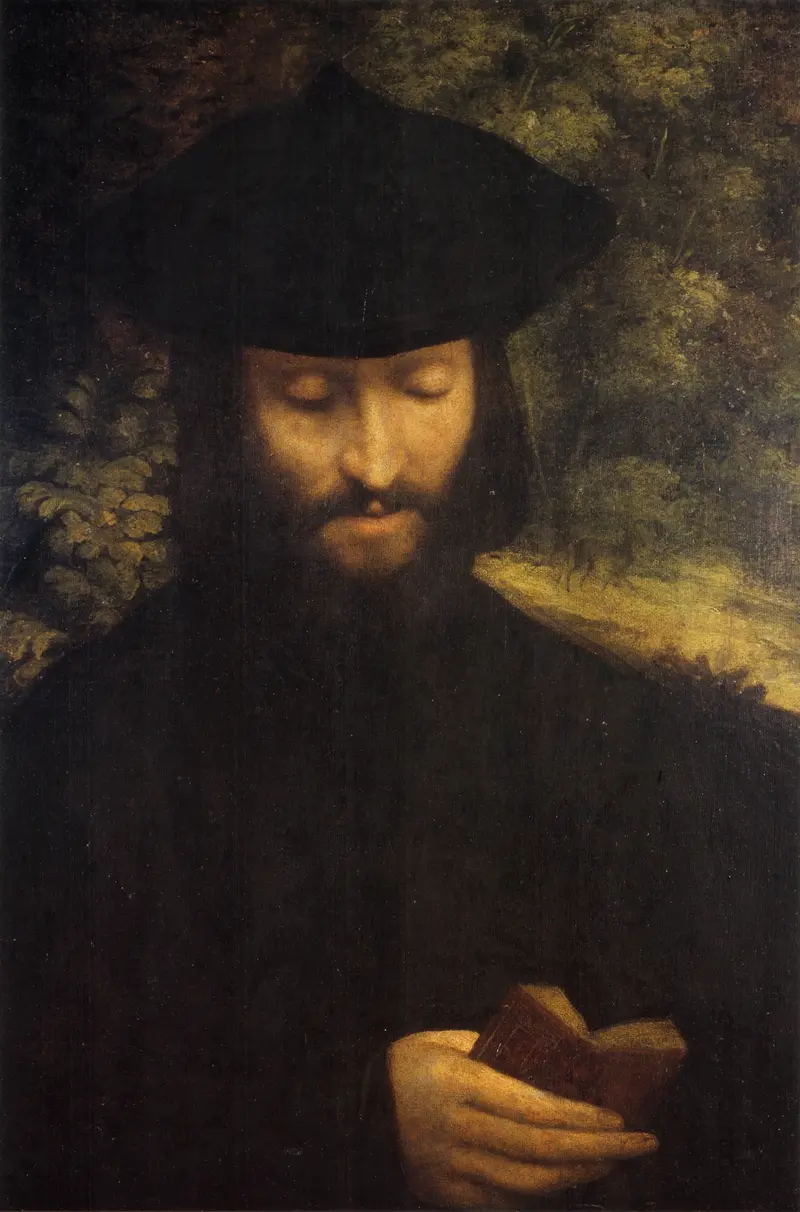
Portrait of a Man with a Book
Correggio

Holy Family with the Infant St. John
Correggio
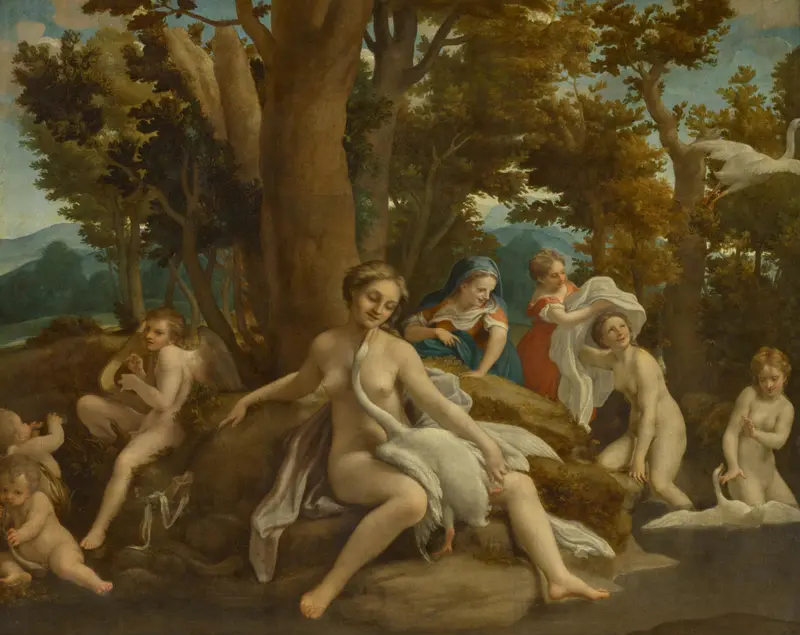
Leda and the Swan
Correggio

Madonna and Child with the Infant Saint John the Baptist
Correggio
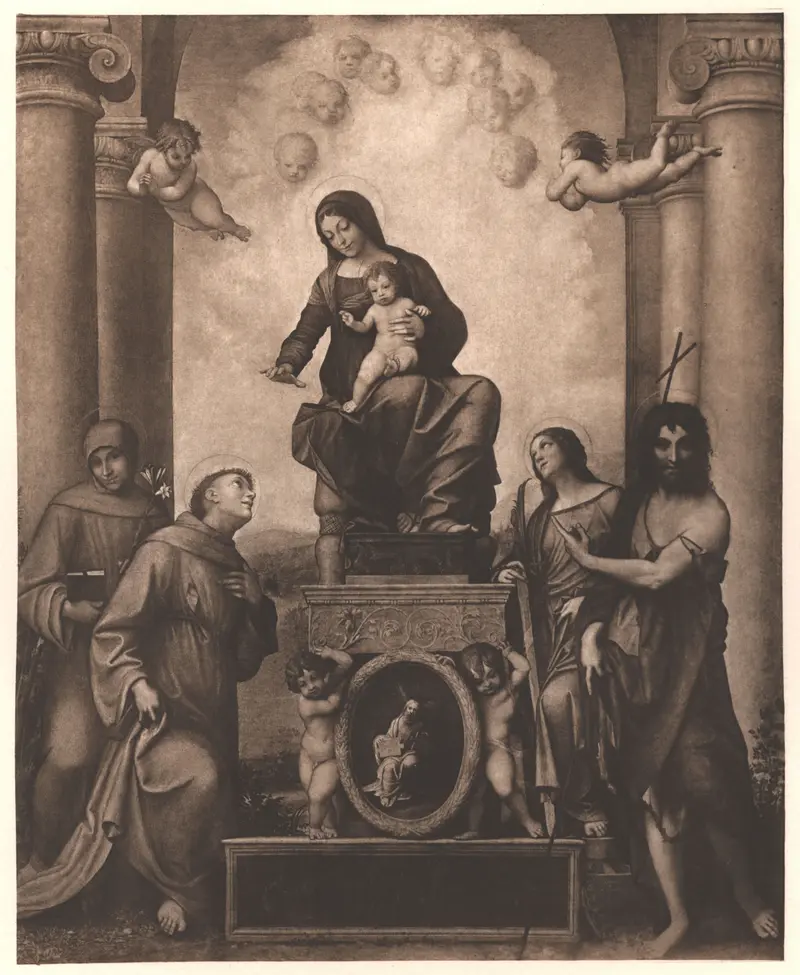
Madonna with St. Francis
Correggio
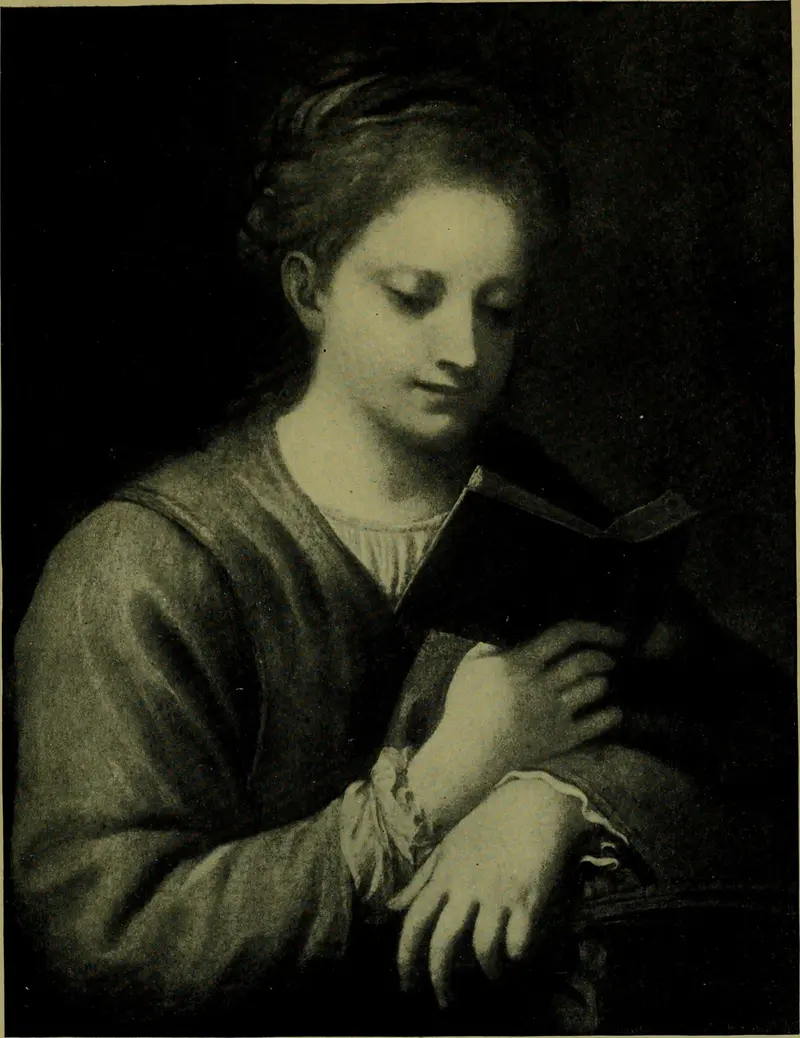
Saint Catherine Reading
Correggio

The Holy Night
Correggio
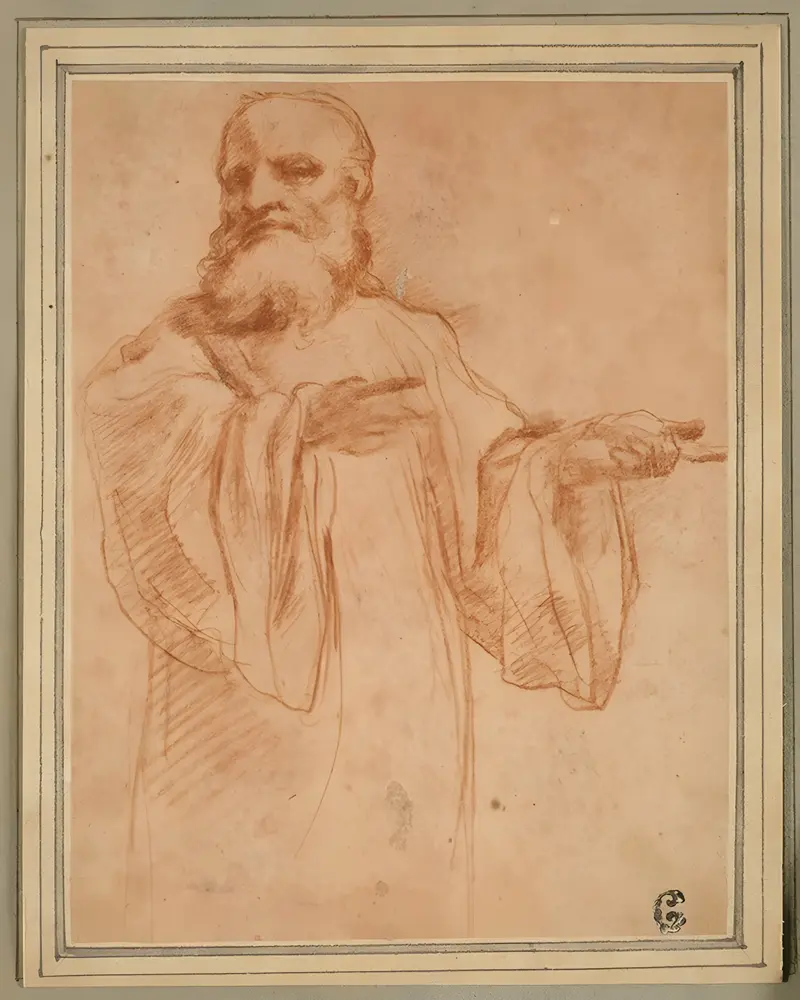
St. Benedict Gesturing to the Left; Study for the Coronation of the Virgin
Correggio
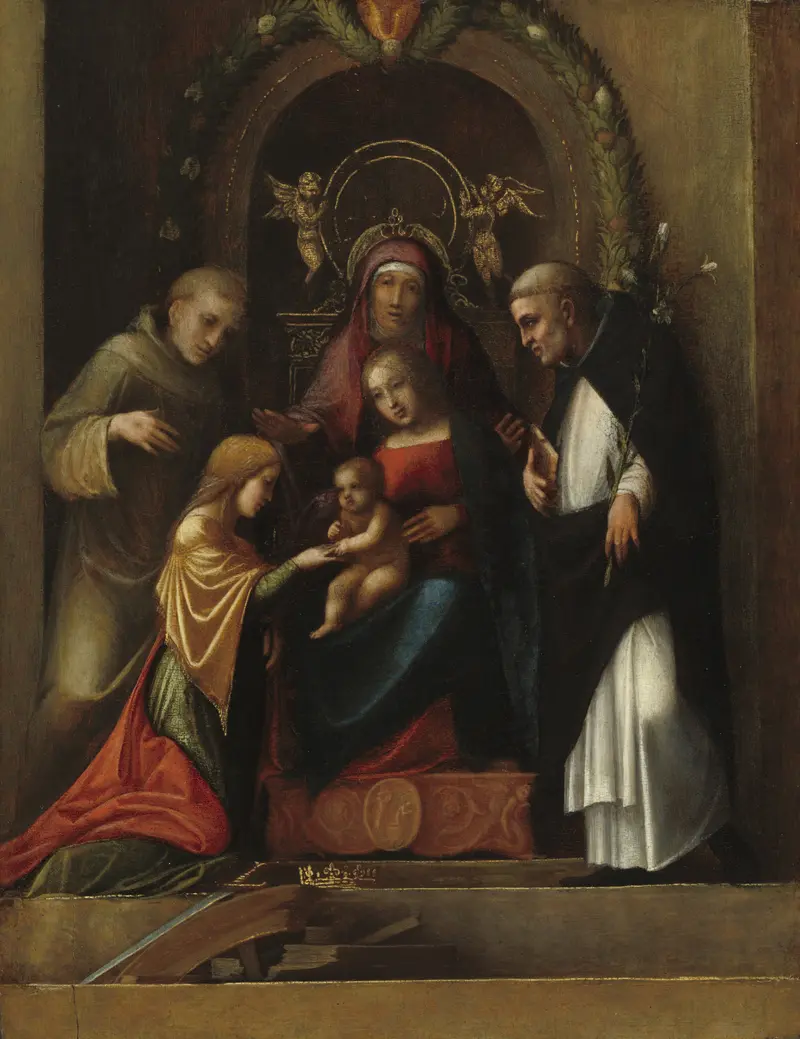
The Mystic Marriage of Saint Catherine
Correggio
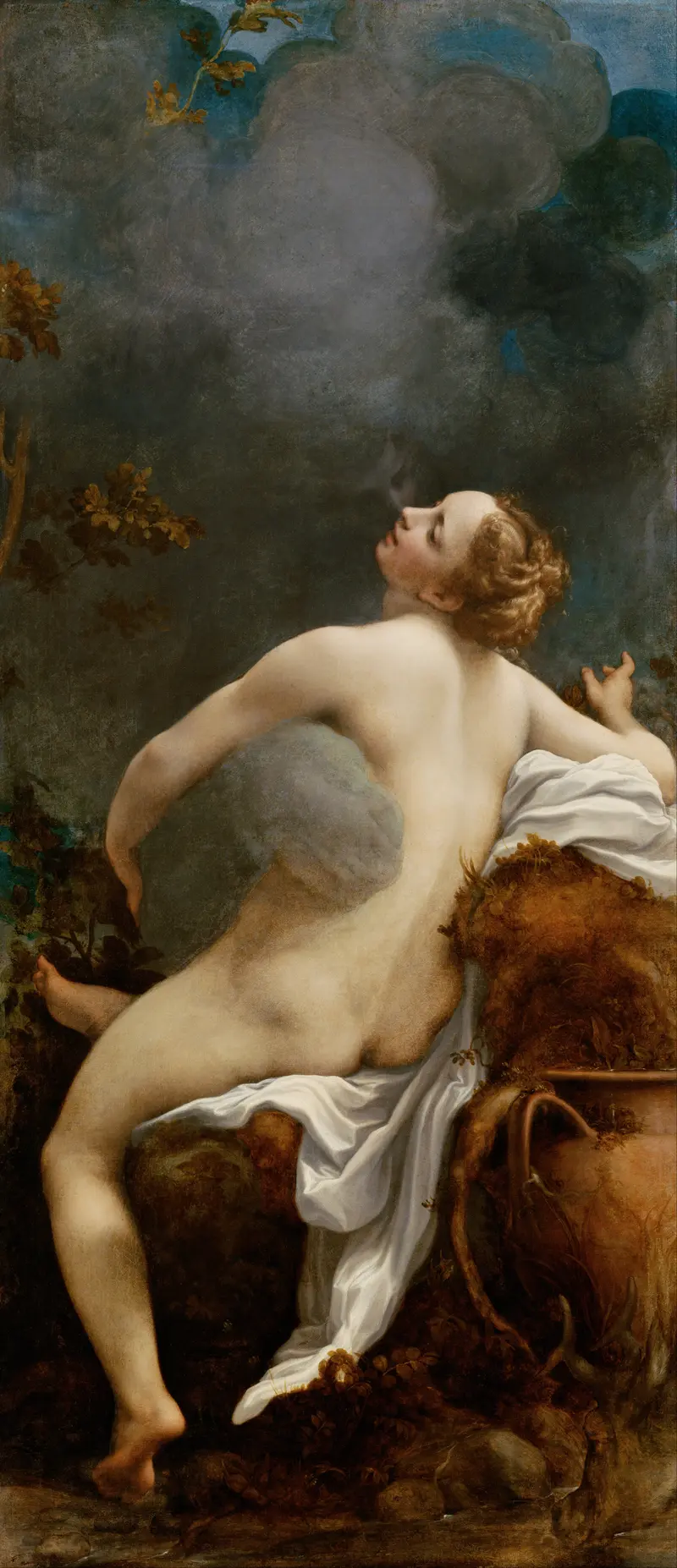
Jupiter and Io
Correggio





