
Christ in the desert — History & Facts
Few paintings of Christ’s temptation in the wilderness are as psychologically charged as Christ in the desert by Gustave Van de Woestijne. What sets this work apart is not just its subject, but the way it marks Van de Woestijne’s personal engagement with spiritual isolation—a theme that haunted him throughout his career. Rather than offering a straightforward religious narrative, the artist plunges us into a landscape of inner struggle, reflecting the anxieties of early twentieth-century Europe as much as the biblical past. At the heart of the composition, Christ sits alone amid a barren, ochre-hued landscape, his figure hunched and hands clasped in silent resistance.
The moment Van de Woestijne selects is one of inward battle, not the dramatic confrontation with Satan, but the quiet, grinding endurance of solitude and hunger. The stark light carves deep shadows across Christ’s face, intensifying the sense of psychological weight. Unlike the lush, narrative-driven depictions by Tintoretto or the stark, theatrical lighting of Caravaggio, Van de Woestijne pares the scene down to its essentials: the emptiness around Christ becomes a mirror for his internal desolation.
The muted palette and the almost sculptural stillness of the figure invite the viewer to contemplate the nature of faith when stripped of all comfort. The details of this painting’s commission and early history remain uncertain, as is often the case with works by Van de Woestijne from this period. What is clear is that it belongs to a broader movement in early twentieth-century Belgian art, where artists grappled with spiritual themes through a modern lens. Today, Christ in the desert stands as a testament to Van de Woestijne’s lifelong exploration of the human soul’s trials, and it is often cited as a key example of his Symbolist phase.
Its current location is not definitively recorded in public collections, but it remains a touchstone in discussions of religious modernism, bridging the gap between traditional iconography and the anxieties of the modern age.
More Artworks by Gustave Van de Woestijne
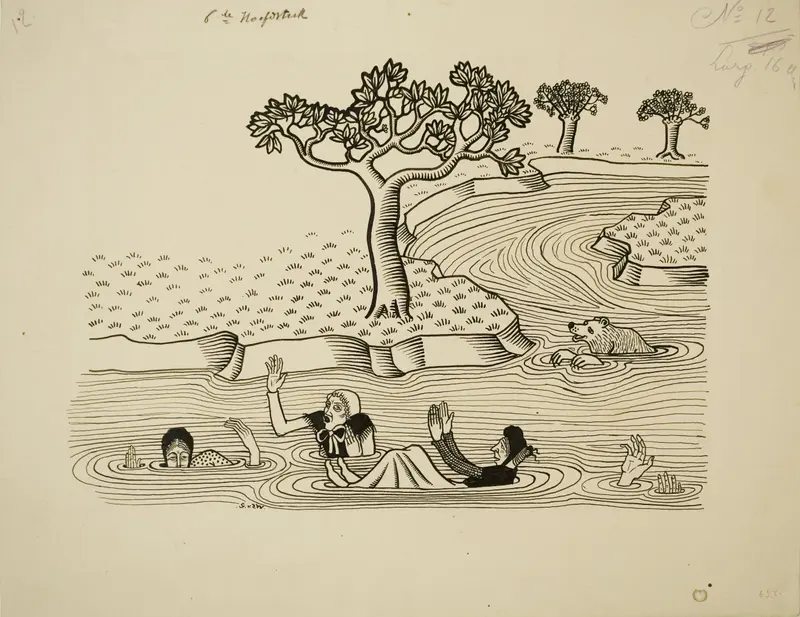
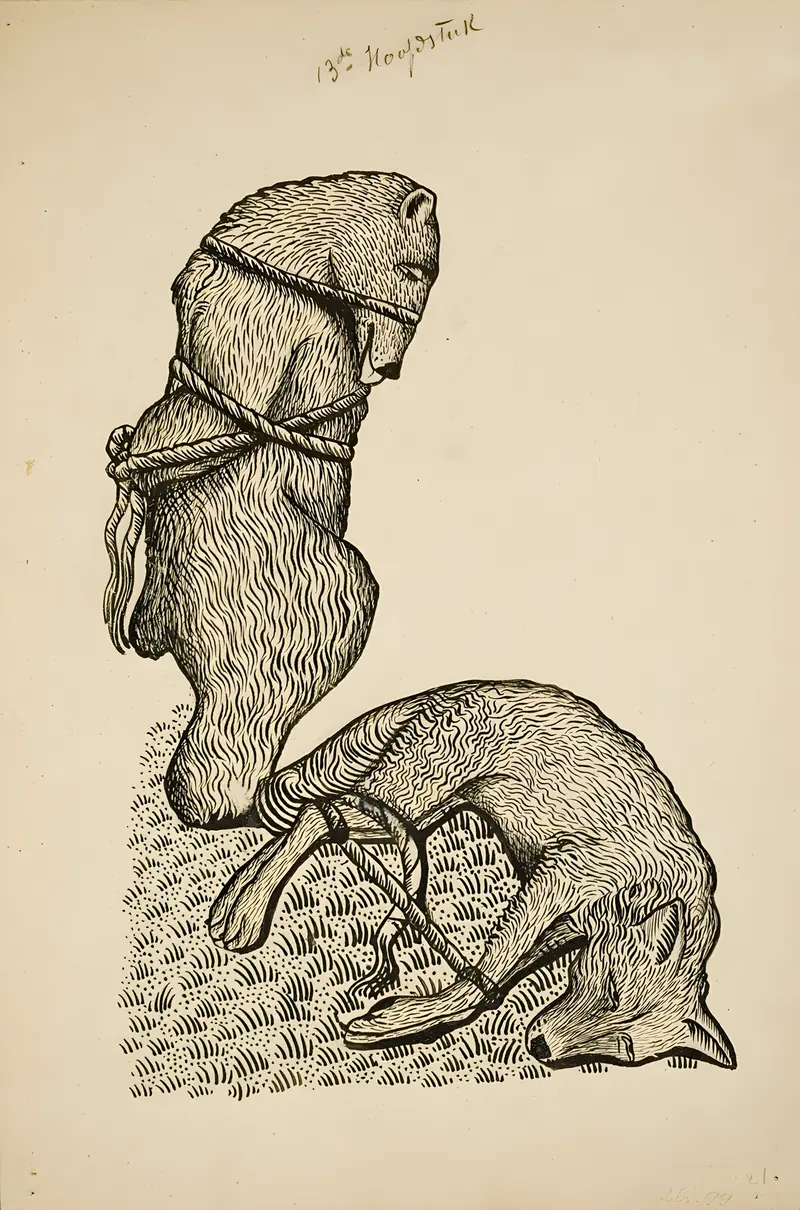
How Brown went out with Reynard where he thought he was eating honey and how he was caught by head and feet and suffered further misfortune
Gustave Van de Woestijne
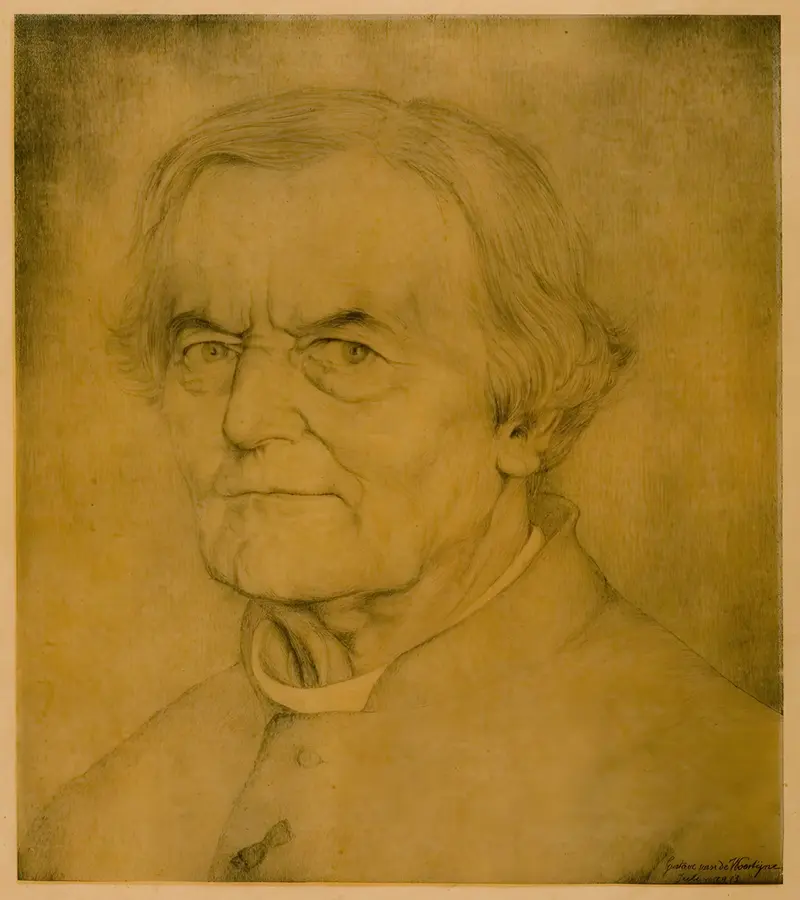
Portrait of Hugo Verriest
Gustave Van de Woestijne
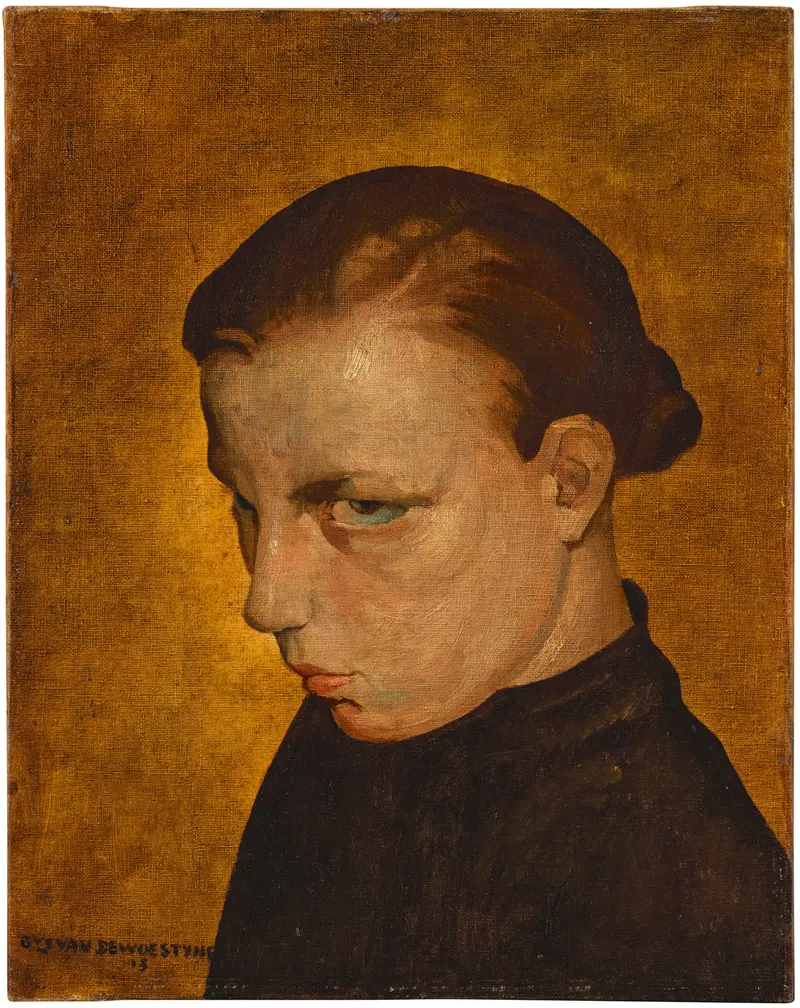
Angèle
Gustave Van de Woestijne
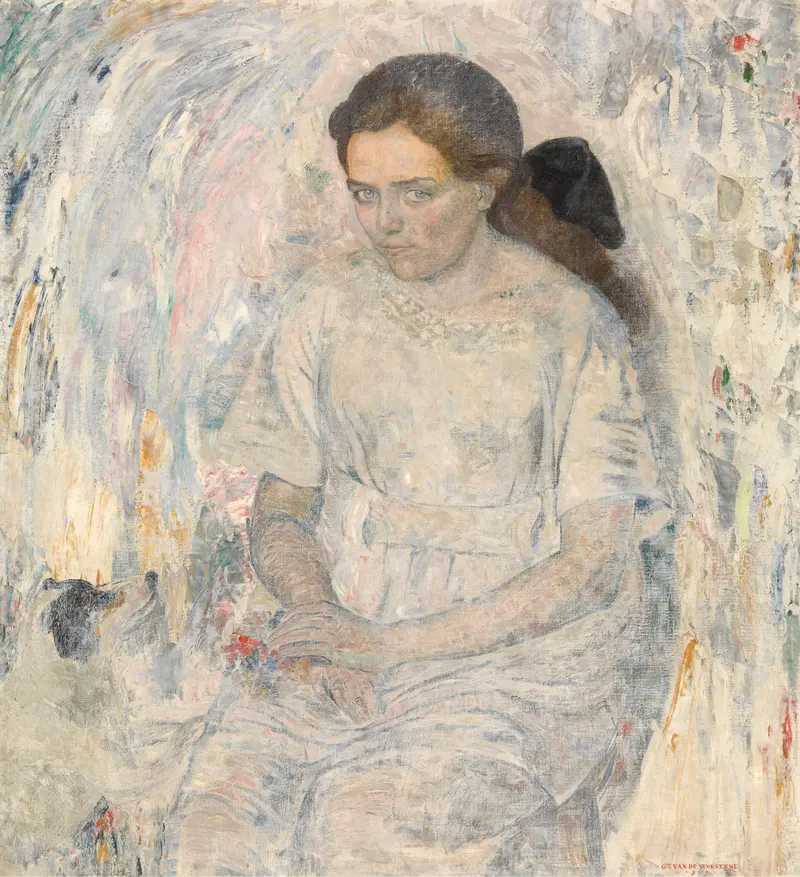
Adrienne
Gustave Van de Woestijne
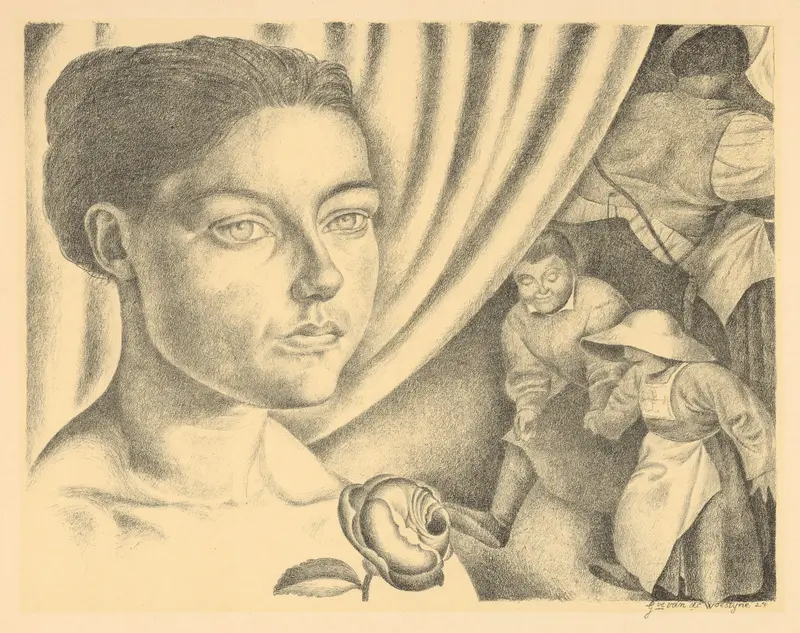
Jeune Femme
Gustave Van de Woestijne
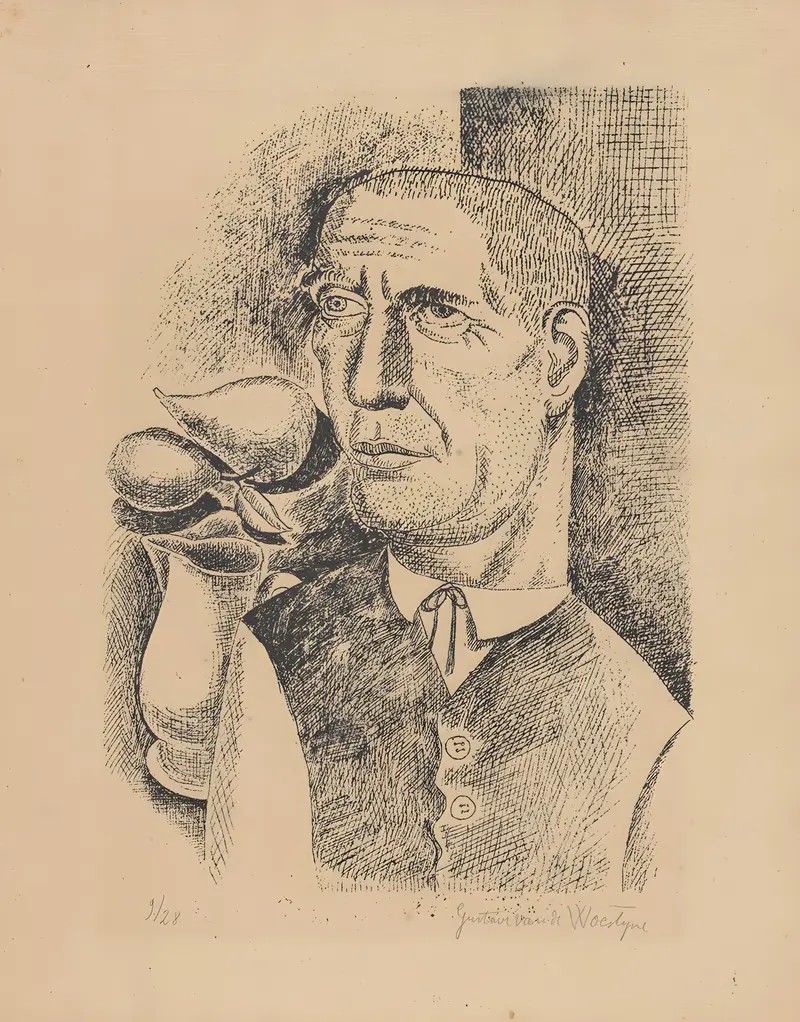
Boer op zijn zondags (Paysan endimanché)
Gustave Van de Woestijne
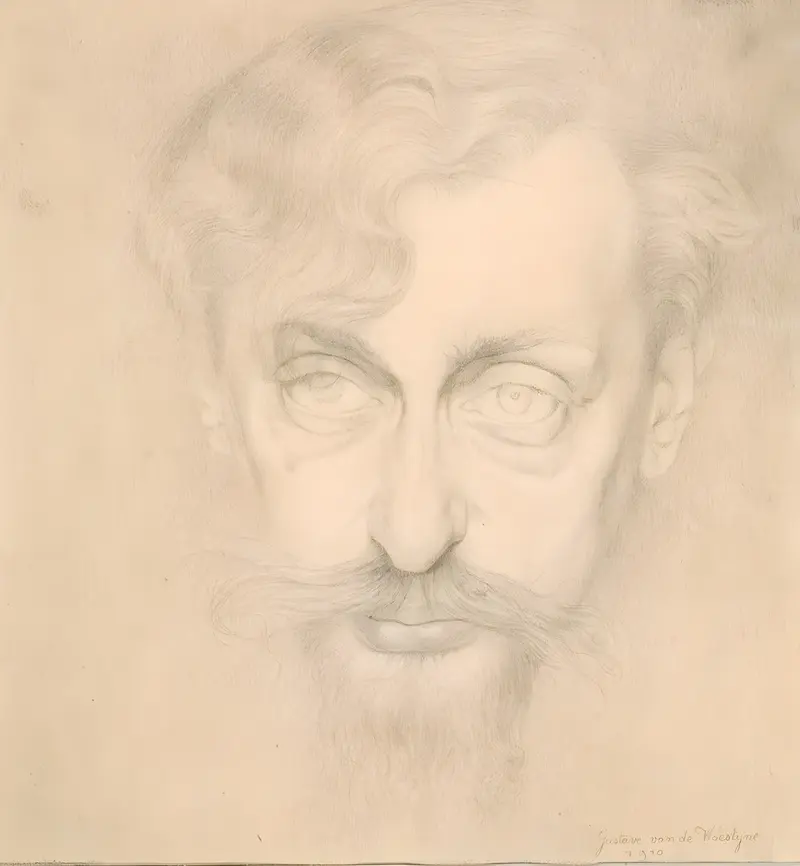
Portrait of the Writer Karel van de Woestijne
Gustave Van de Woestijne
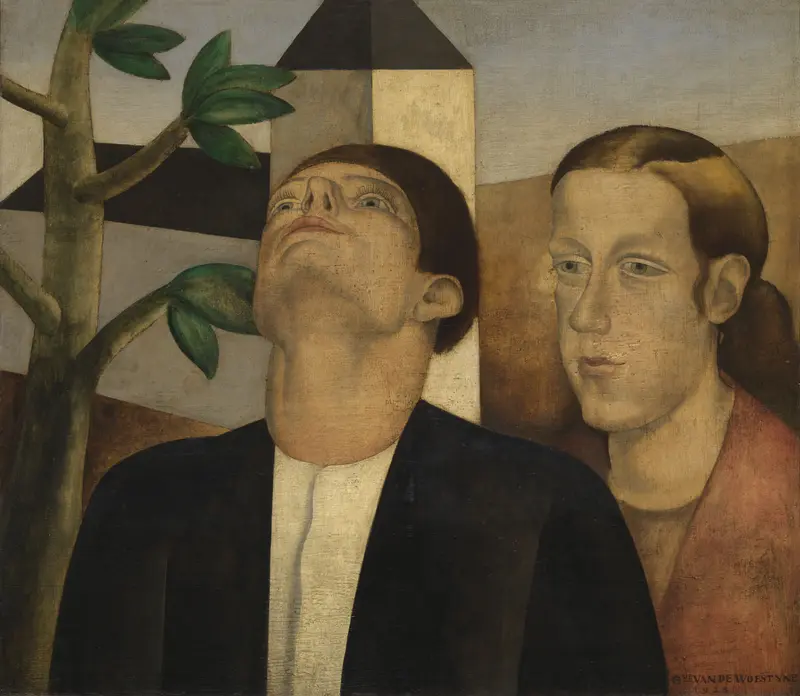
Azure
Gustave Van de Woestijne
How Reinaert devises a new trick to get free and exterminate his enemies
Gustave Van de Woestijne
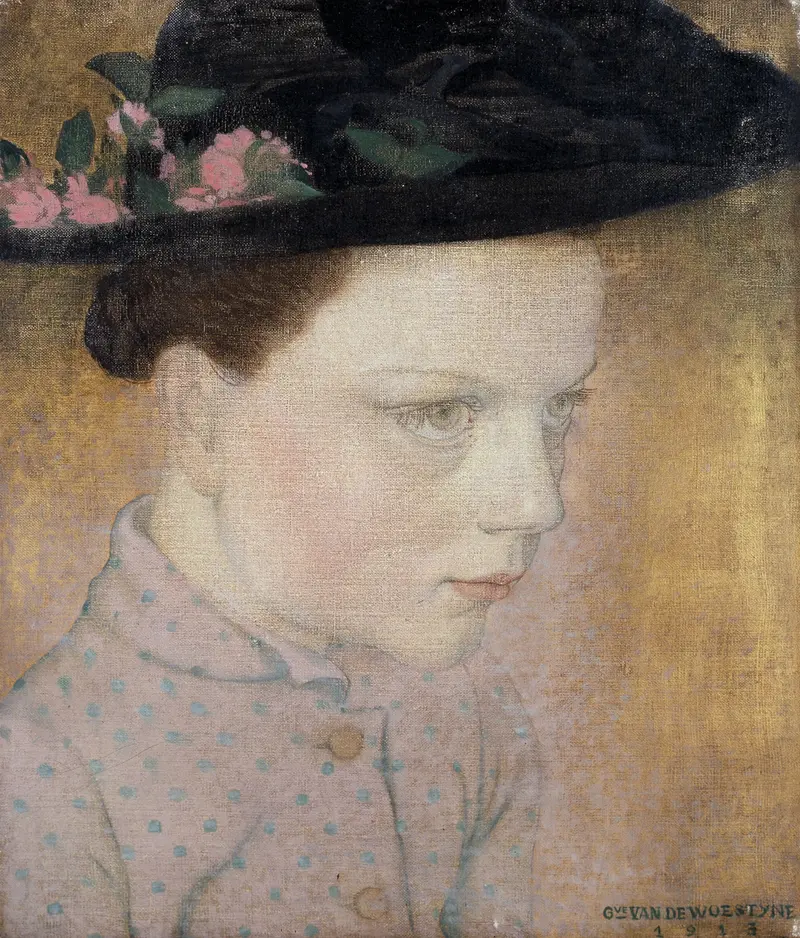
Country Girl
Gustave Van de Woestijne





