
Christ on the Cross — History & Facts
When Francisco de Zurbarán unveiled Christ on the Cross in 1630, it was immediately recognized as a bold and unusually stark vision of the Crucifixion. Unlike many Spanish depictions of the era, which crowded the scene with mourners or soldiers, Zurbarán’s version isolates Christ against a pitch-black background, focusing all attention on the solitary figure. This radical simplicity was so striking that, according to early inventories, the painting was quickly sought after by collectors and religious institutions alike.
The composition became so influential that Zurbarán himself painted several variations on the theme, each with subtle differences, but this 1630 work is widely considered the prototype. The moment Zurbarán chose is one of profound stillness: Christ’s body hangs in silent agony, his head gently bowed, the crown of thorns pressing into his brow. The cross rises from the bare earth, its wood rendered with meticulous realism, while Christ’s white loincloth billows softly—a rare touch of movement in an otherwise motionless scene. Light falls dramatically from above, illuminating Christ’s torso and face, and casting the rest into shadow.
This use of tenebrism, reminiscent of Caravaggio’s influence, heightens the sense of isolation and sacrifice. Unlike Velázquez’s Christ Crucified, painted a decade later and famous for its classical serenity, Zurbarán’s Christ is marked by physical suffering but spiritual calm, inviting the viewer into a private moment of contemplation. The painting’s early history is not fully documented, but it is known that works of this type were often commissioned for monastic settings or private chapels in Seville, where Zurbarán was then based. Over the centuries, Christ on the Cross has passed through various hands, at times attributed to other artists due to its unusual style for the period.
Today, it stands as a landmark of Spanish Baroque religious painting, admired for its emotional restraint and technical precision. Its enduring power lies in Zurbarán’s ability to strip the scene to its essentials, creating an image that continues to move viewers nearly four centuries later.
More Artworks by Francisco de Zurbarán
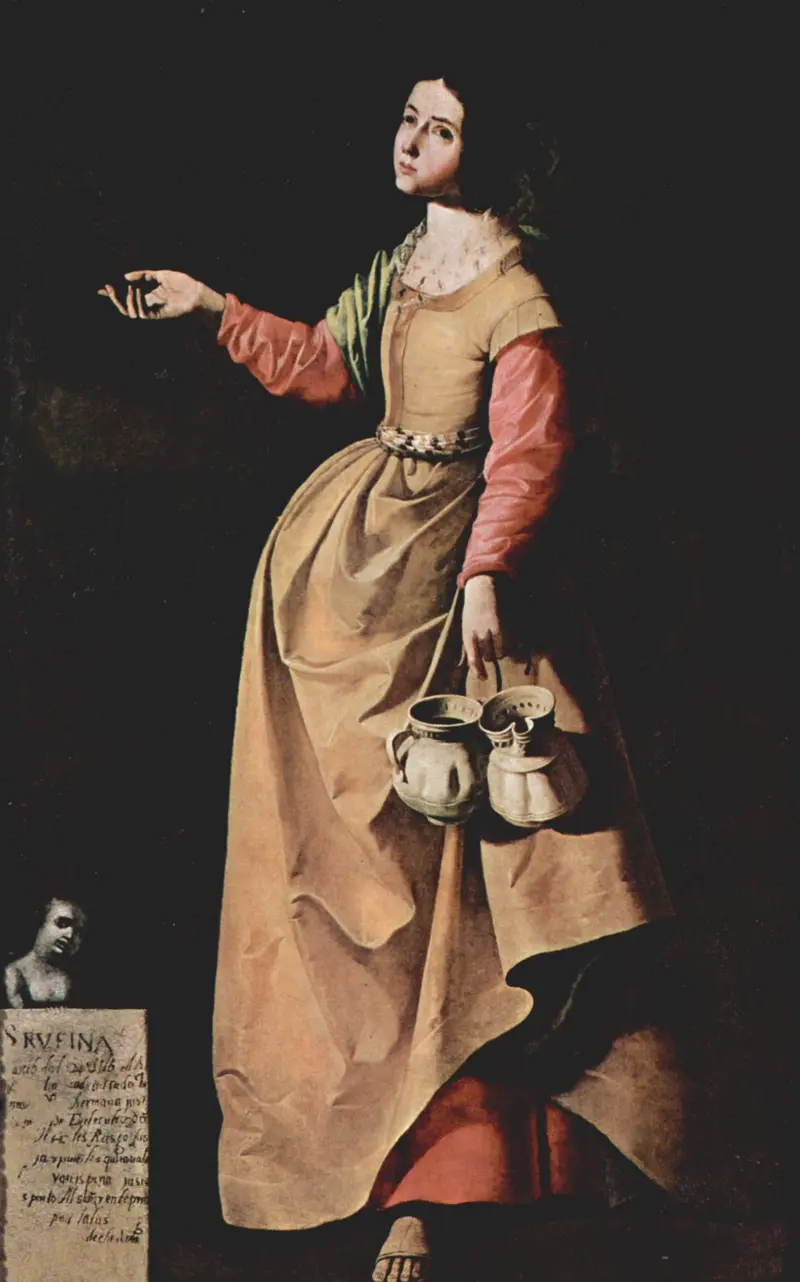
Saint Rufina
Francisco de Zurbarán
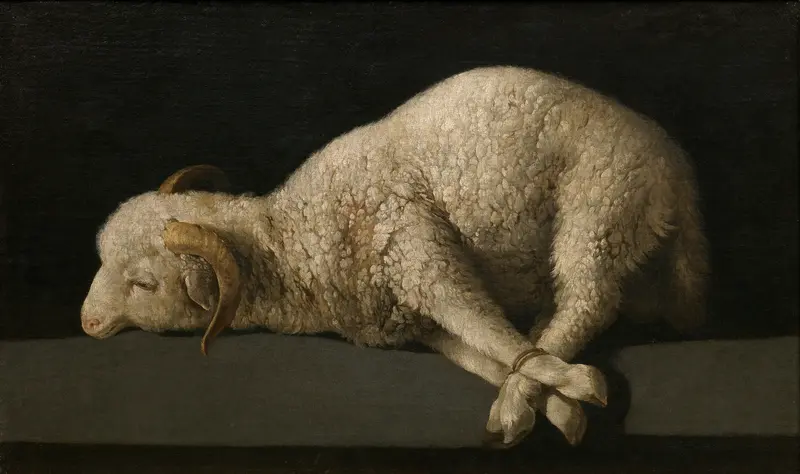
Agnus Dei
Francisco de Zurbarán
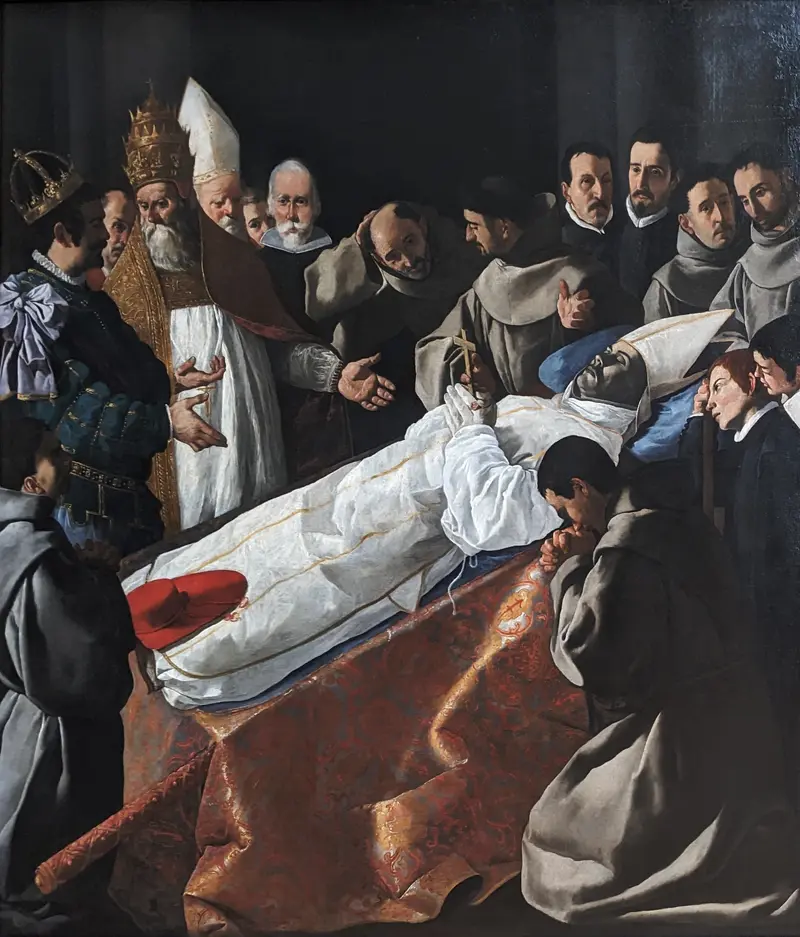
Saint Bonaventure's Body Lying in State
Francisco de Zurbarán
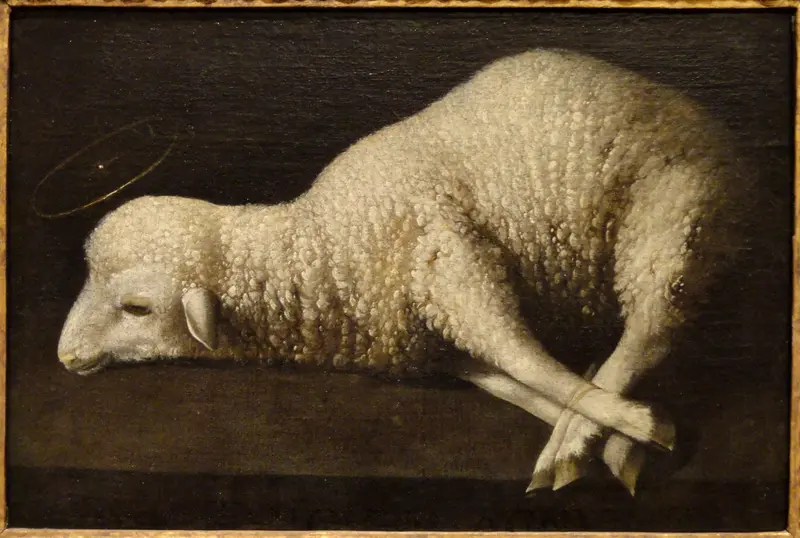
The Lamb of God
Francisco de Zurbarán

Adoration of the Magi
Francisco de Zurbarán
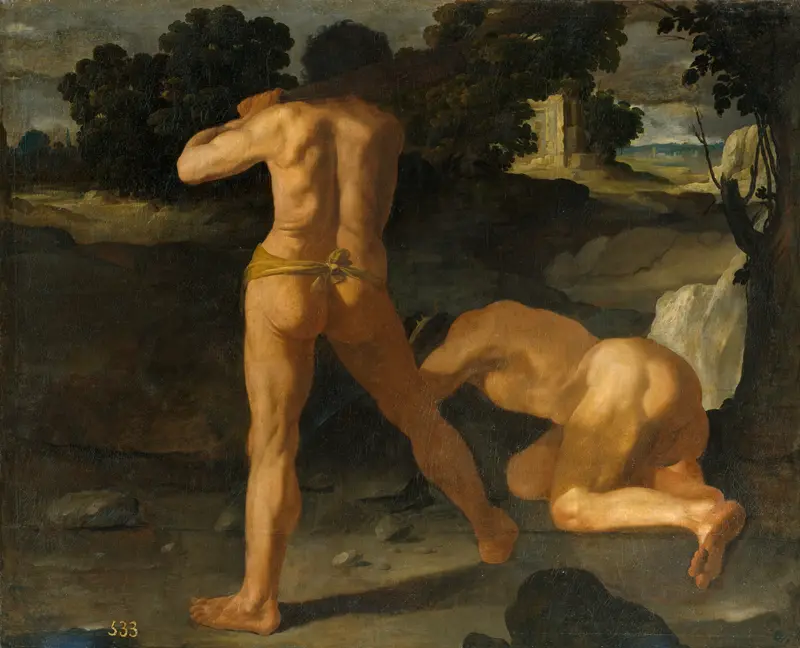
Hercules defeats King Geryon
Francisco de Zurbarán
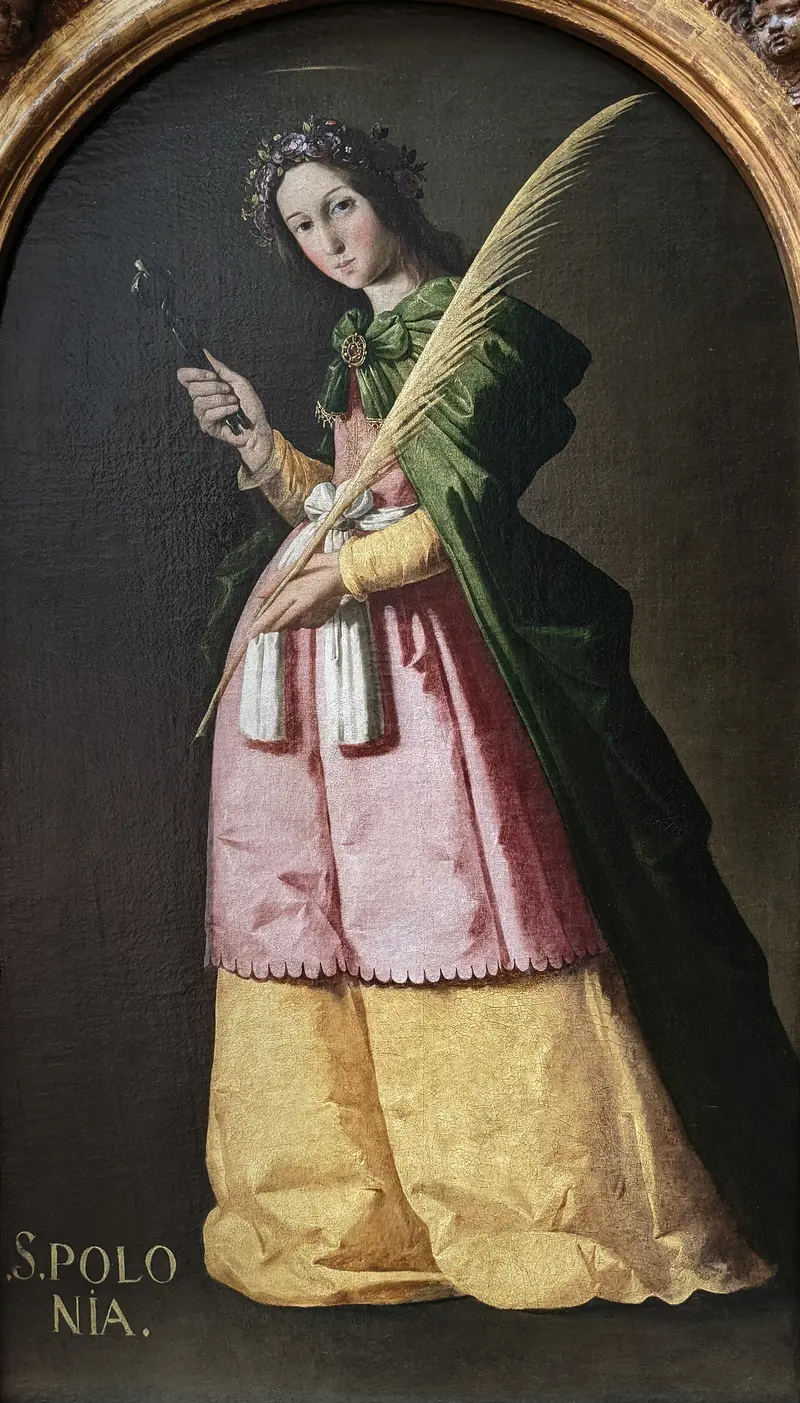
Saint Apollonia
Francisco de Zurbarán
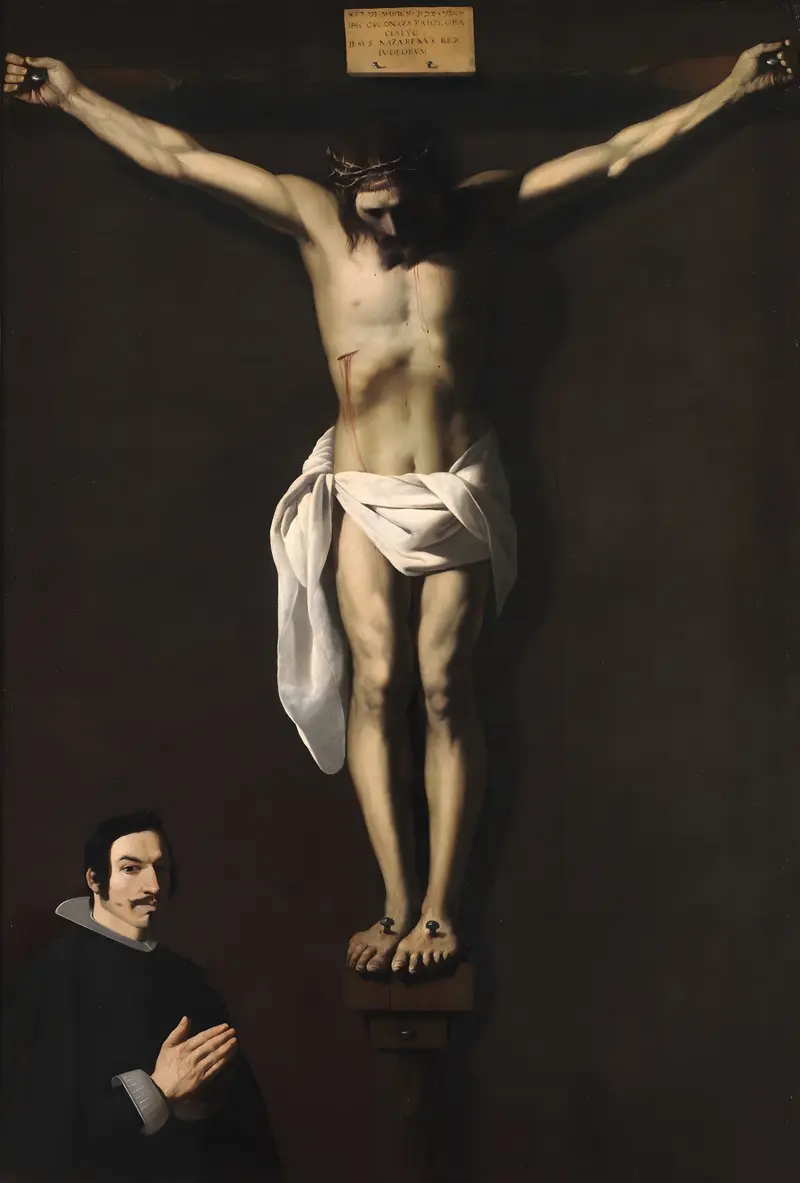
The Crucified Christ with a Donor
Francisco de Zurbarán
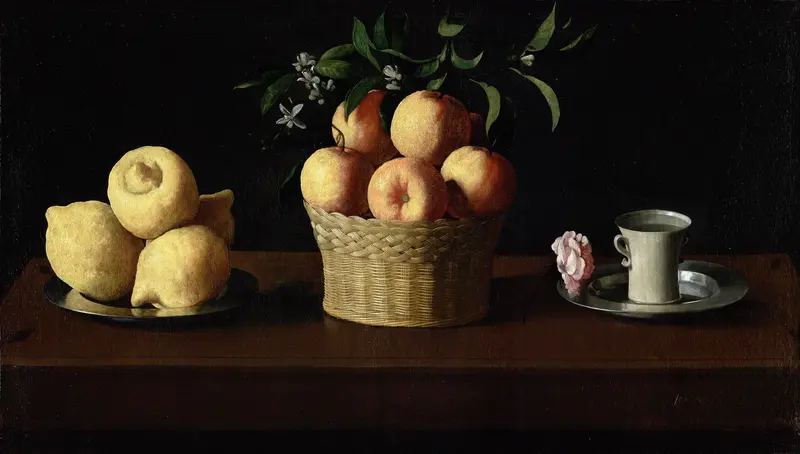
Still Life with Lemons, Oranges and a Rose
Francisco de Zurbarán
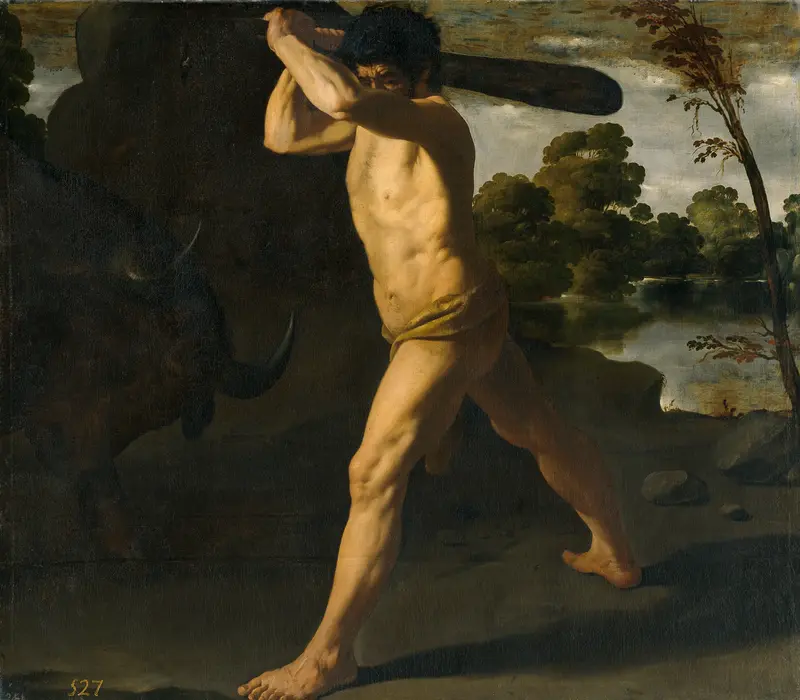
Hercules and the Cretan Bull
Francisco de Zurbarán





