
Christ with the Two Thieves — History & Facts
When Fra Angelico painted Christ with the Two Thieves around 1450, he was nearing the end of his life and career, already celebrated as a master of sacred narrative. This work stands out because it is one of the few surviving depictions by Fra Angelico of the Crucifixion that isolates Christ in direct company with the two thieves, rather than within a crowded Calvary scene. The painting’s original context is uncertain—scholars debate whether it was intended for private devotion or as part of a larger altarpiece.
Its medium is also a matter of some mystery, as no contemporary record describes its materials. What is certain is that the painting’s emotional clarity and restraint set it apart from the more dramatic treatments of the subject in 15th-century Florence. The moment Fra Angelico chose is the height of the Crucifixion: Christ, nailed to the central cross, is flanked by the penitent thief (often called Dismas) and the unrepentant thief (Gestas). Christ’s calm, downward gaze contrasts with the twisted postures and anguished faces of the thieves, marking the divide between redemption and despair.
The golden halo around Christ’s head, a signature of Fra Angelico, signals his divinity, while the thieves’ bare heads and contorted limbs emphasize their mortality. The sparse, rocky landscape and the subdued palette focus the viewer’s attention on the drama of salvation and judgment. Compared to Masaccio’s more physical and crowded Crucifixions, Fra Angelico’s approach is meditative, inviting contemplation rather than shock. Little is known about the early history of Christ with the Two Thieves.
Like many works by Fra Angelico, its provenance before the 19th century is unclear, and it may have been moved or altered as religious institutions were suppressed or reformed. Today, it is recognized as a prime example of the artist’s late style, marked by simplicity and spiritual intensity. The painting’s attribution has never been seriously challenged, as its delicate lines and luminous color are hallmarks of Fra Angelico.
It remains a touchstone for understanding the devotional art of Renaissance Florence, and continues to inspire both scholars and visitors with its quiet power.
More Artworks by Fra Angelico

Condemnation of St Lawrence by the Emperor Valerian
Fra Angelico
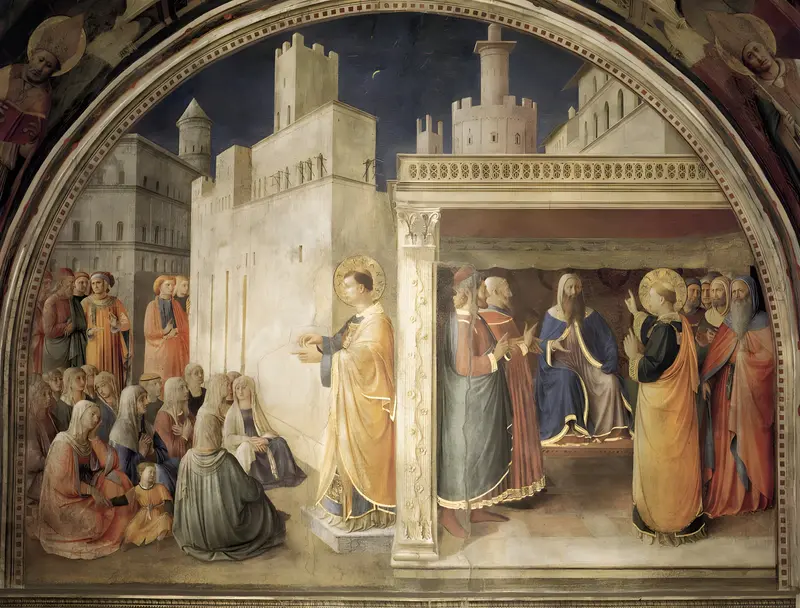
Lunette of the north wall
Fra Angelico
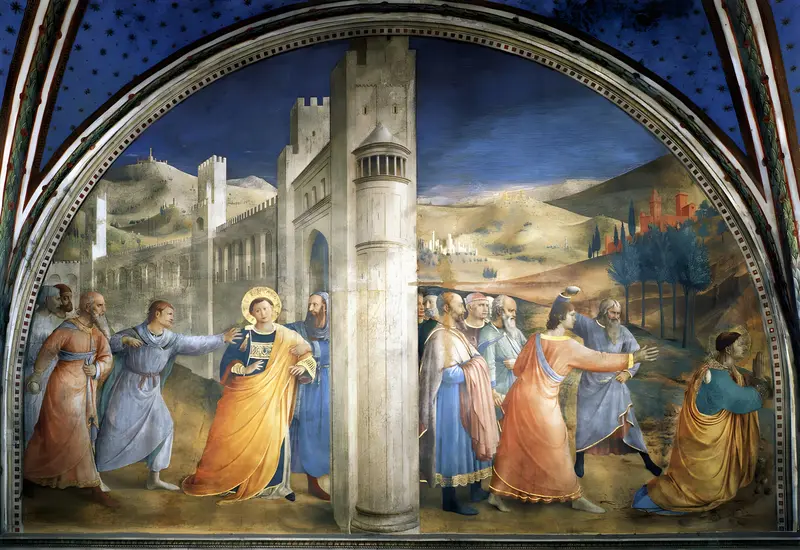
Lunette of the east wall in Niccoline Chapel
Fra Angelico
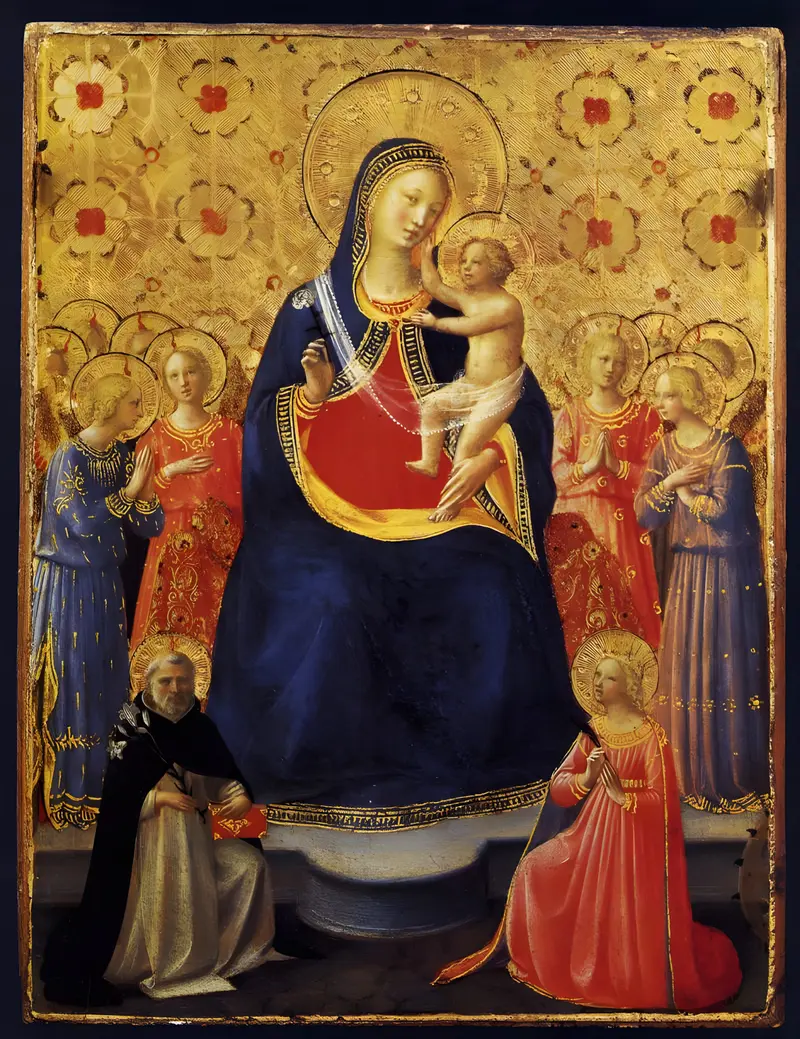
Madonna and Child Enthroned with Nine Angels and Saints Dominic and Catherine of Alexandria
Fra Angelico
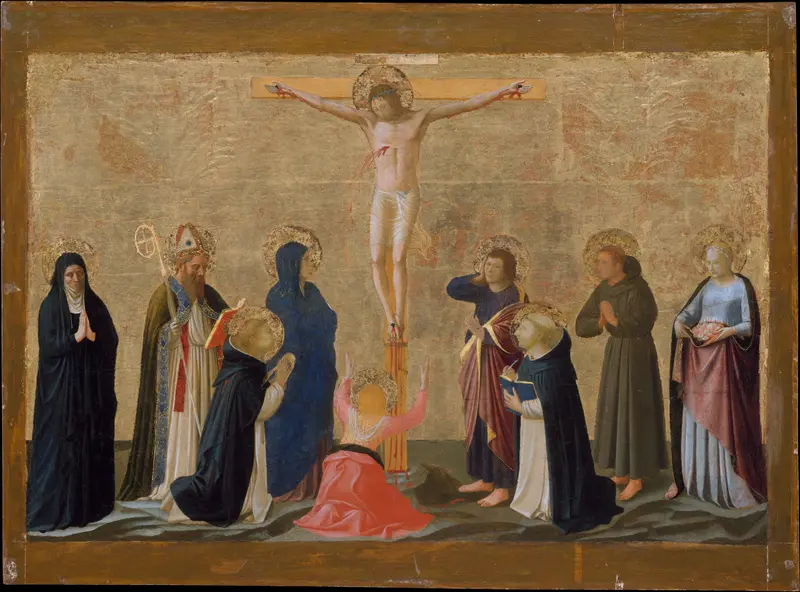
The Crucifixion
Fra Angelico
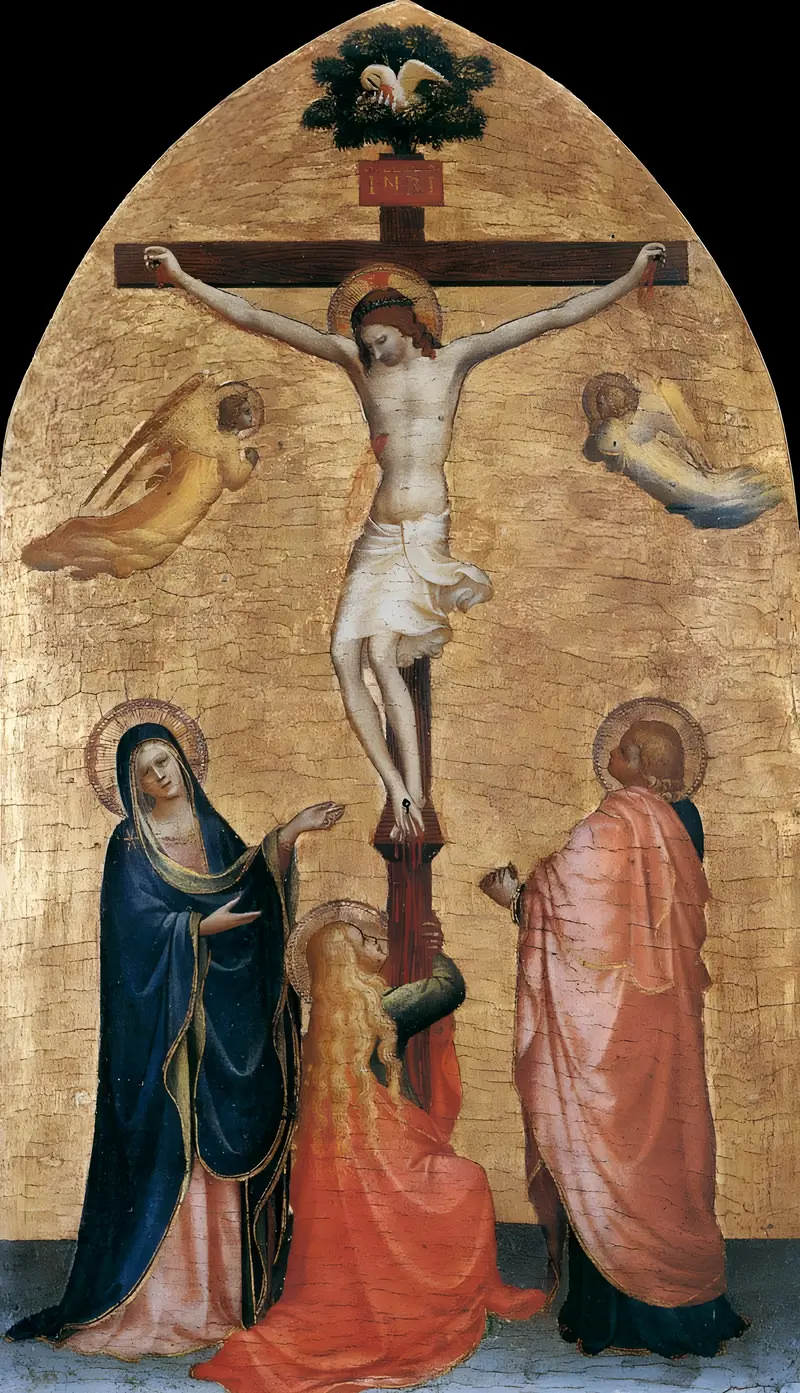
Crucifixion with the Virgin, John the Evangelist, and Mary Magdelene
Fra Angelico
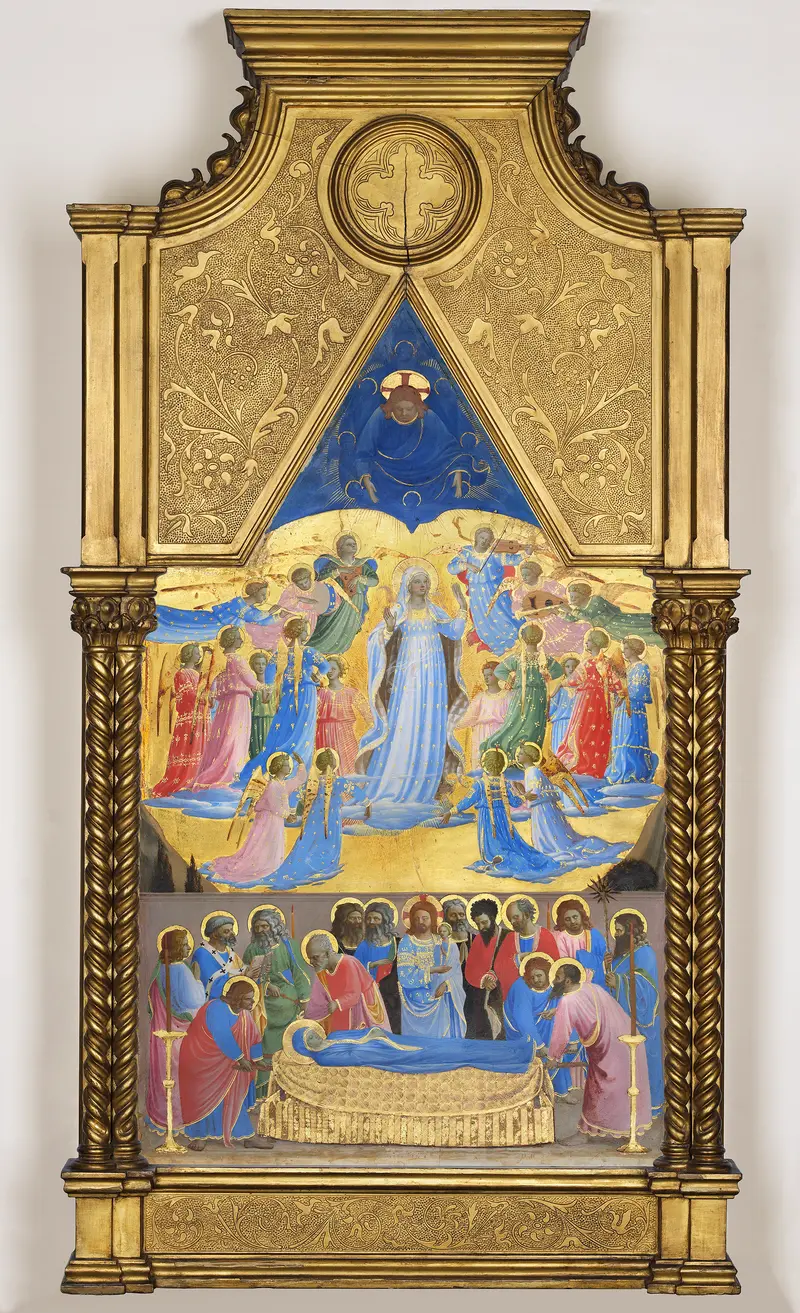
Dormition and Assumption of the Virgin
Fra Angelico
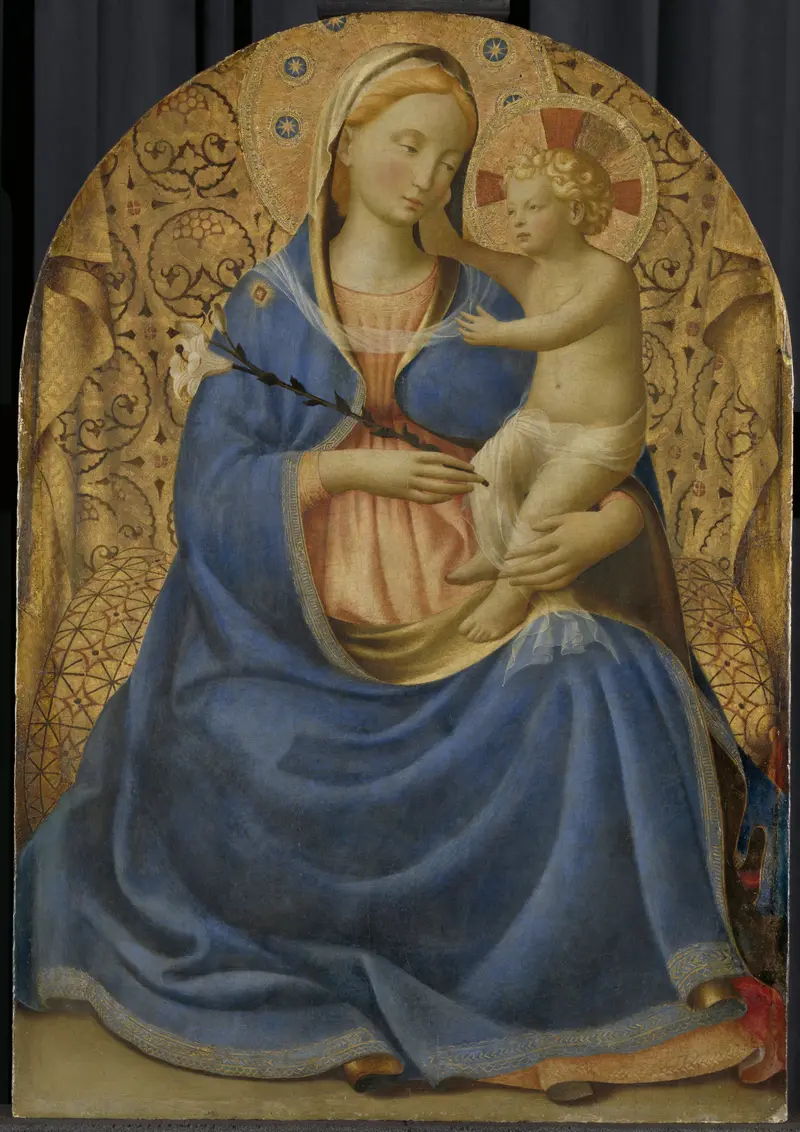
Madonna of Humility
Fra Angelico
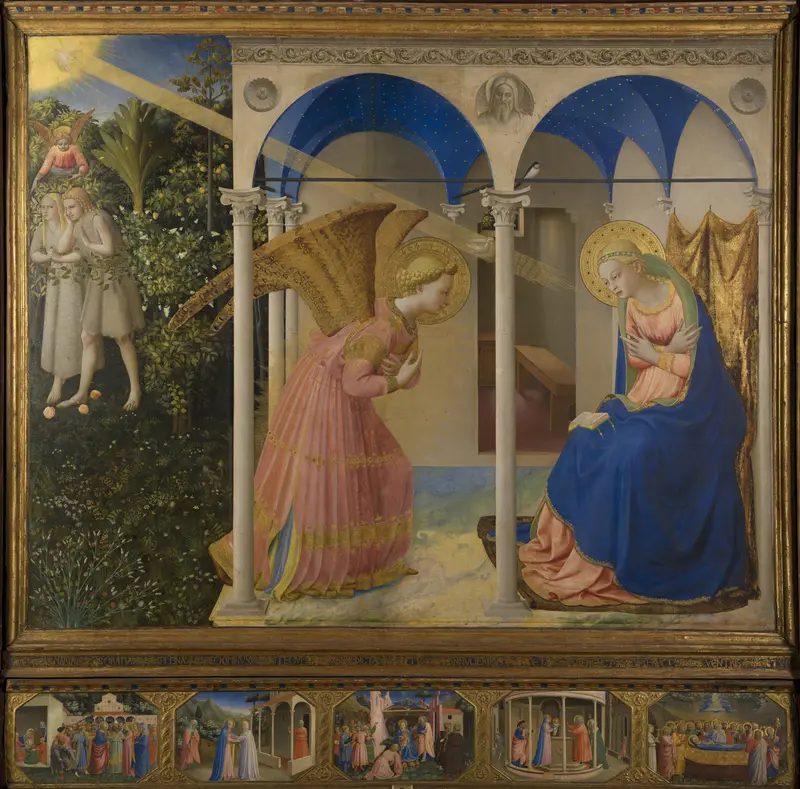
The Annunciation
Fra Angelico

Saint Anthony Abbot
Fra Angelico





