
Christus aan het kruis — History & Facts
In the haunting stillness of Christus aan het kruis, the viewer is drawn into a moment steeped in both fear and reverence. The figure of Christ, suspended in a silent cry, evokes an unsettling vulnerability that we cannot ignore. Look to the center, where the lifeless body hangs in stark contrast against the dark, almost oppressive background. The somber palette of deep hues—rich browns and muted golds—intensifies the gravity of the scene.
Notice the tender yet agonizing details in Christ’s face, painted with a nuanced expression that oscillates between pain and peace. The delicate rendering of the drapery accentuates the tension in the still air, allowing the faintest light to shimmer against the folds, illuminating the sacred moment. Beneath this somber exterior lies an exploration of duality—fear and transcendence, suffering and salvation. The contrast between the divine and the mortal envelops the viewer, encouraging introspection about faith and sacrifice.
Additionally, the intentional placement of Christ's fingers, curling inward, suggests a yearning that transcends his earthly suffering, inviting us to confront our own fears and vulnerabilities. Lucas van Leyden created Christus aan het kruis in 1514, during a period of significant religious upheaval in Europe, marked by the spread of Reformation ideas that questioned traditional practices and beliefs. This painting reflects both the artist's innovative spirit and the deep emotional currents of his time, as he balanced the demands of a changing art world with his own interpretations of faith and spirituality.
More Artworks by Lucas van Leyden
Browse all →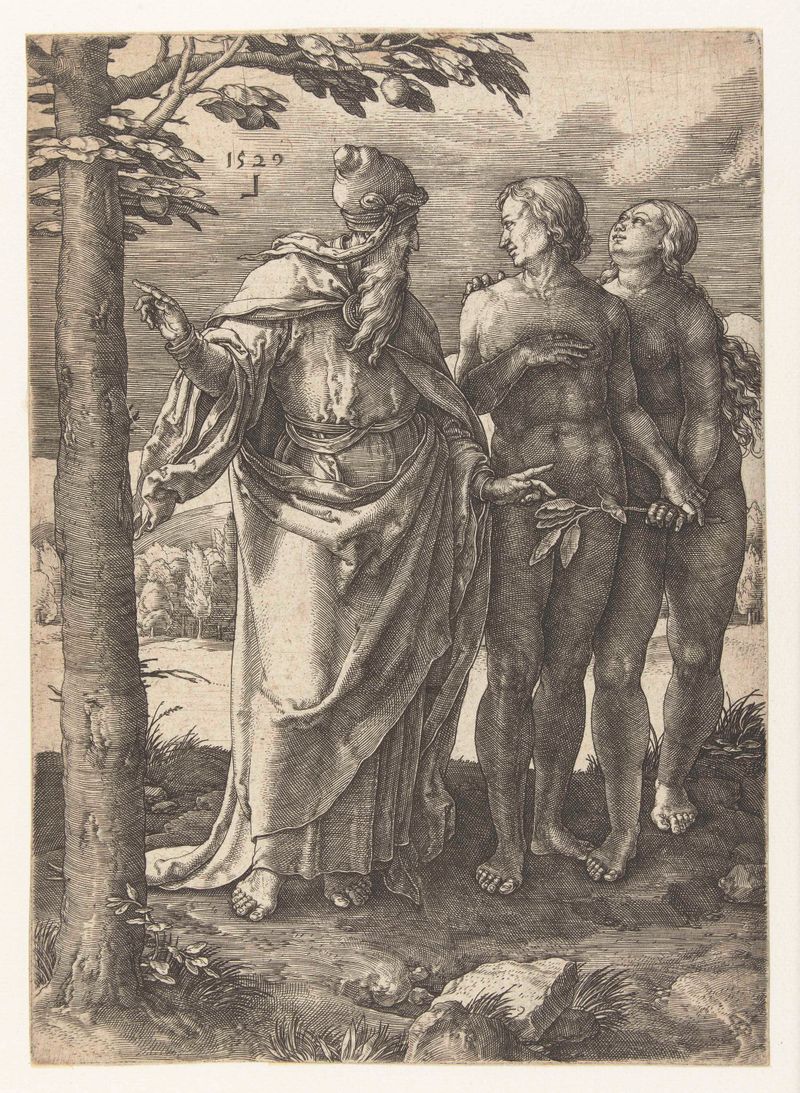
Het eerste verbod
Lucas van Leyden
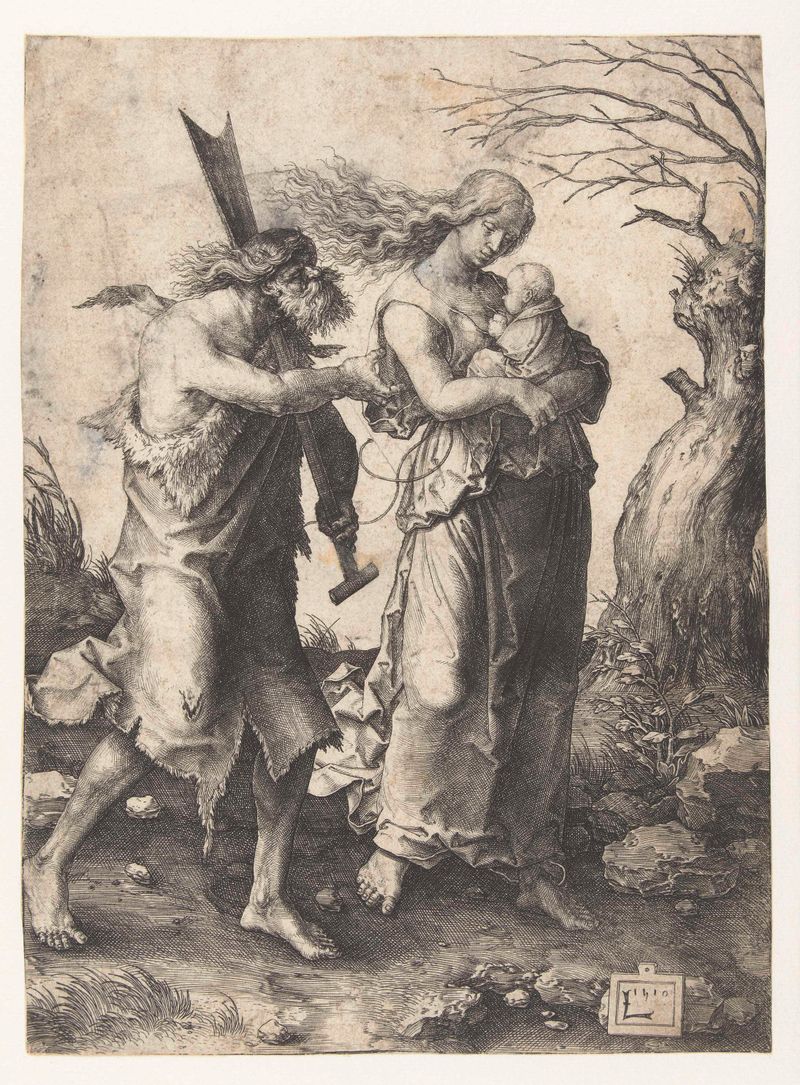
Adam en Eva na de verdrijving uit het paradijs
Lucas van Leyden
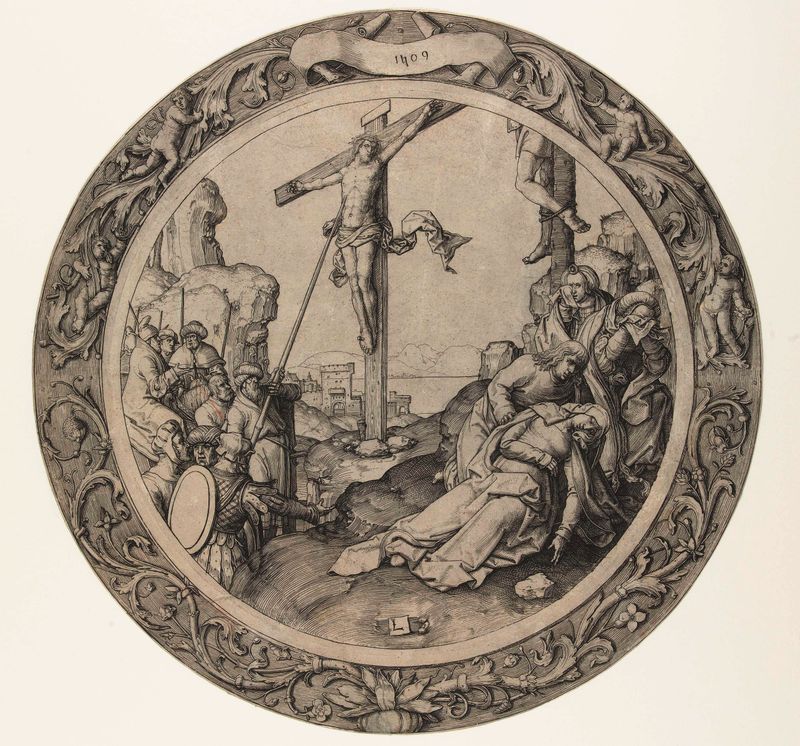
De kruisiging
Lucas van Leyden
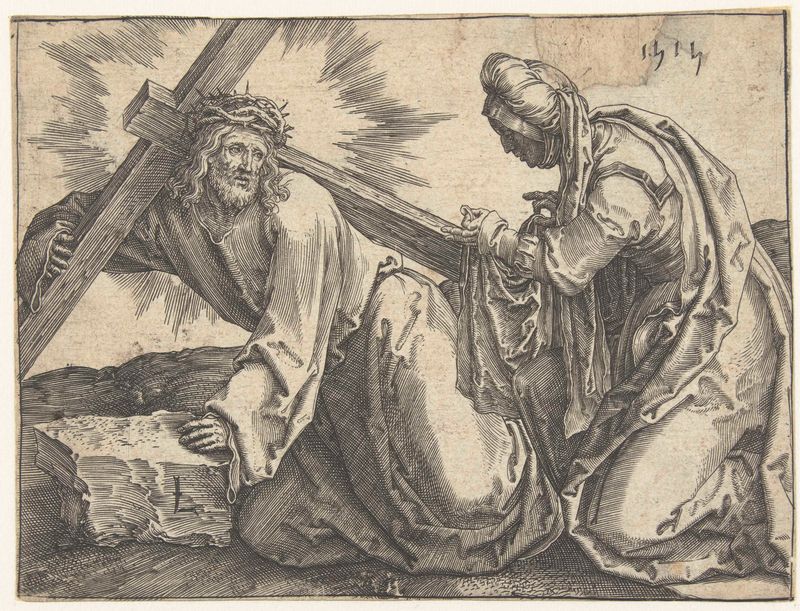
Kruisdraging
Lucas van Leyden
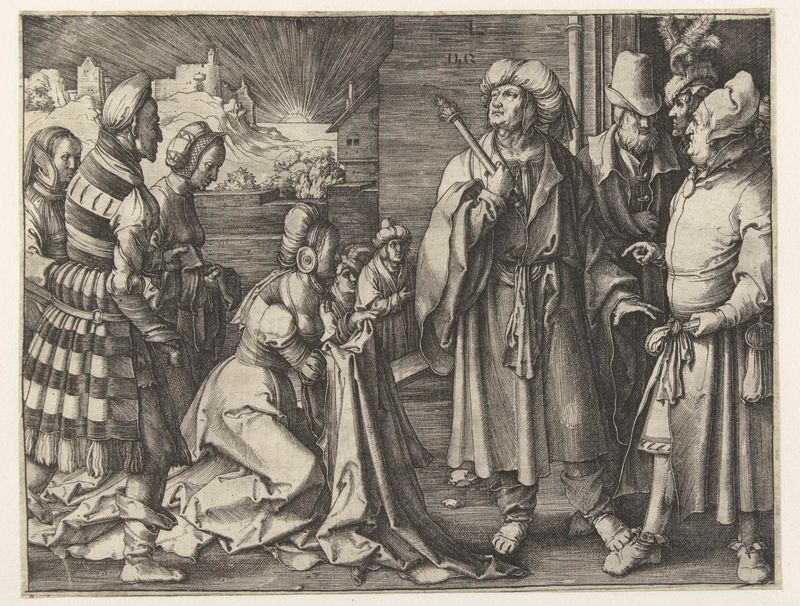
De vrouw van Potifar beschuldigt Jozef
Lucas van Leyden
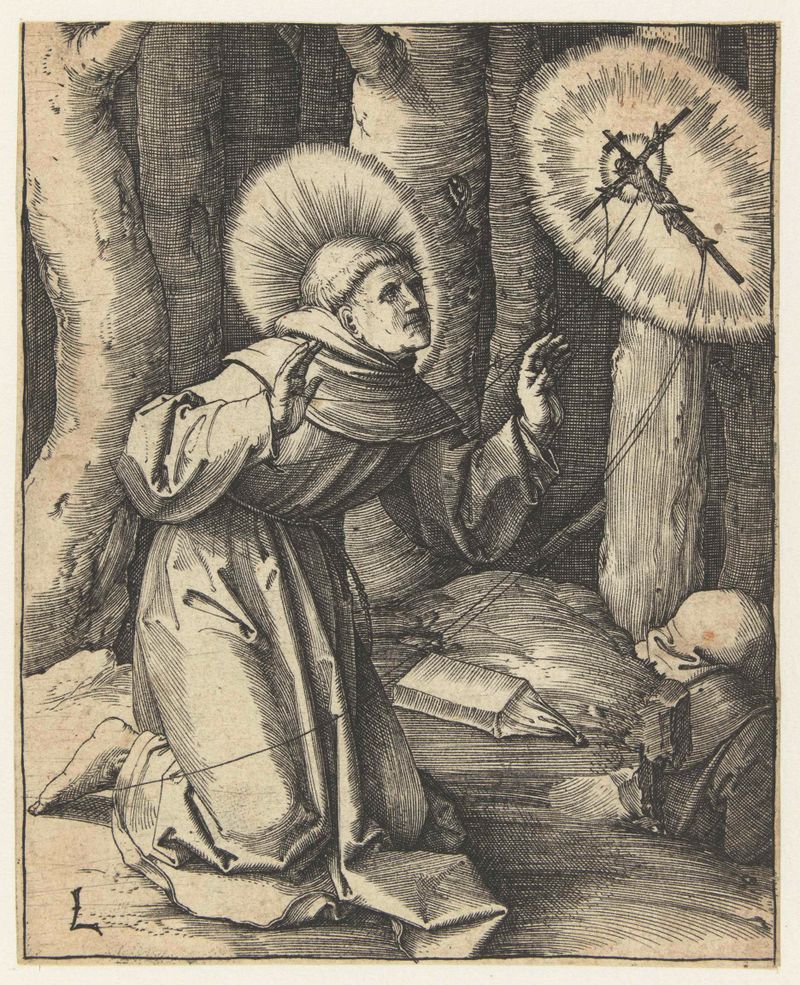
De stigmatisatie van de heilige Franciscus
Lucas van Leyden
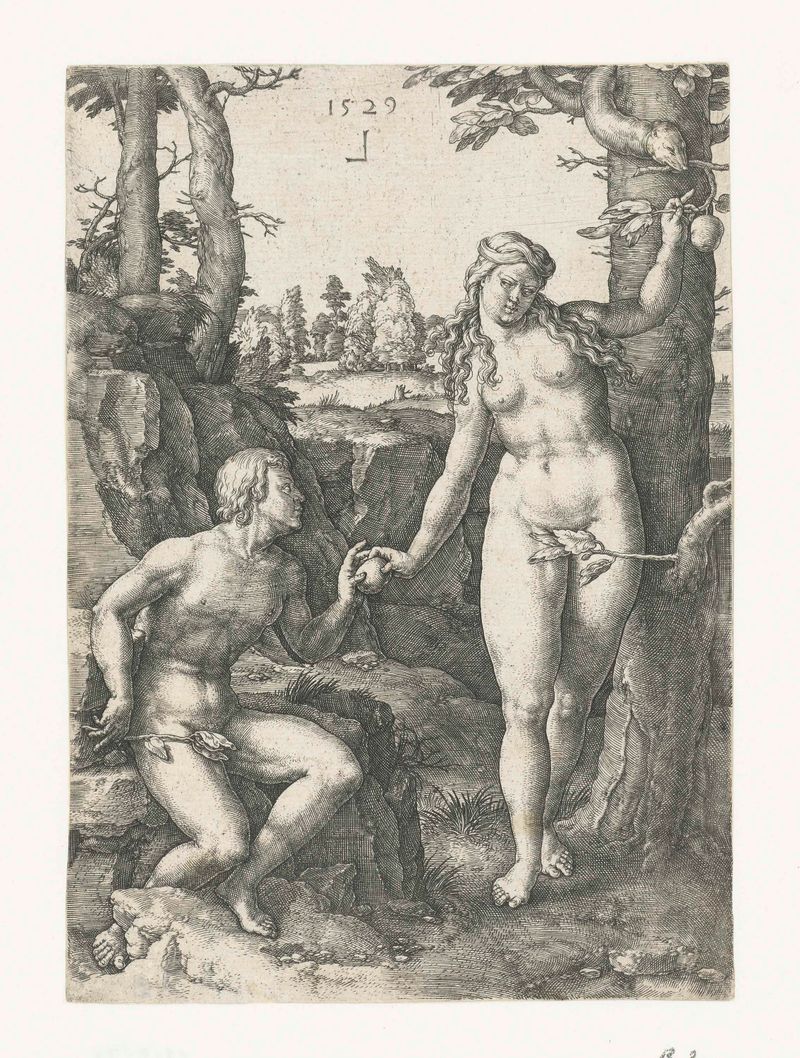
De zondeval
Lucas van Leyden
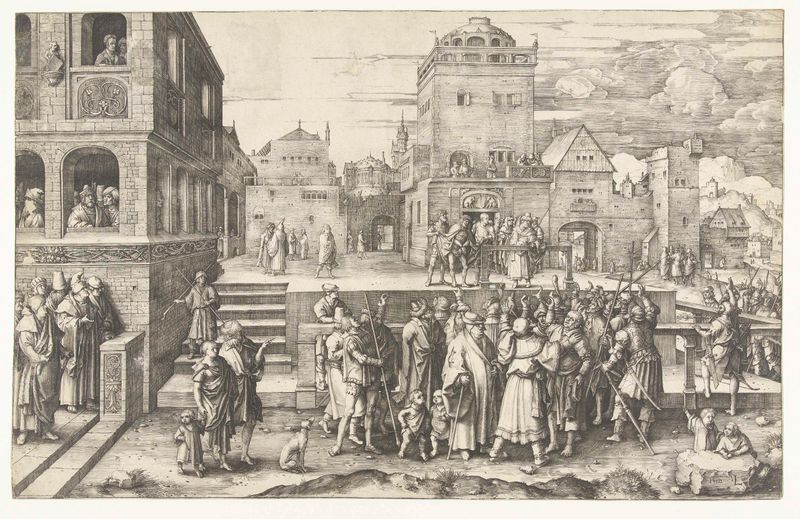
De grote Ecce Homo
Lucas van Leyden
Maria met kind
Lucas van Leyden

Doornenkroning
Lucas van Leyden
More Religious Art
Browse all →
The Return of the Prodigal Son
Rembrandt van Rijn

The Garden of Earthly Delights
El Bosco

Count Orgaz’ funeral
El Greco

The Hundred Guilder Print: the central piece with Christ preaching, the plate arched
Rembrandt van Rijn

The Descent from the Cross
Rogier van der Weyden

The return of the prodigal son
Rembrandt van Rijn