
Christus aan het kruis — History & Facts
What if beauty was never meant to be finished? In a world where divine moments hang suspended, the exploration of ecstasy invites both solace and sorrow. Look closely at the figure suspended on the cross, where the intricate detailing of the body draws you in first. Notice how the artist wields chiaroscuro; the light casts sharply on the contours of the flesh, while shadows envelop the background, amplifying the sense of isolation. The muted palette of deep reds and browns evokes a somber atmosphere, contrasted by the vivid yet haunting expression on the face—a mixture of pain and transcendent peace—that leaves an indelible mark on the viewer's soul. This artwork encapsulates the tension between suffering and elevation.
The tiny details, such as the delicate folds in the garment or the tiny drops of blood, serve as poignant reminders of both mortality and the divine grace permeating the scene. The juxtaposition of the harshness of the crucifixion with the serene beauty of Christ's expression speaks volumes about the paradox of sacrifice—finding ecstasy in anguish. These contrasts resonate throughout the piece, urging the observer to confront their own emotional responses to faith, beauty, and loss. Created in 1503, this work emerges from a period steeped in religious fervor and a burgeoning interest in humanism.
The artist, associated with the Northern Renaissance, was immersed in an era where the exploration of human emotion and spirituality began to flourish in the arts. This painting stands as a testament to that transformative moment, merging intricacy with deep existential contemplation.
More Artworks by Meester van de Delbecq-Schreiber-Passie
Browse all →
Christus aan het kruis
Meester van de Delbecq-Schreiber-Passie

Christus wordt aan het kruis genageld
Meester van de Delbecq-Schreiber-Passie

De hemelvaart van Christus
Meester van de Delbecq-Schreiber-Passie

De maaltijd te Emmaüs
Meester van de Delbecq-Schreiber-Passie
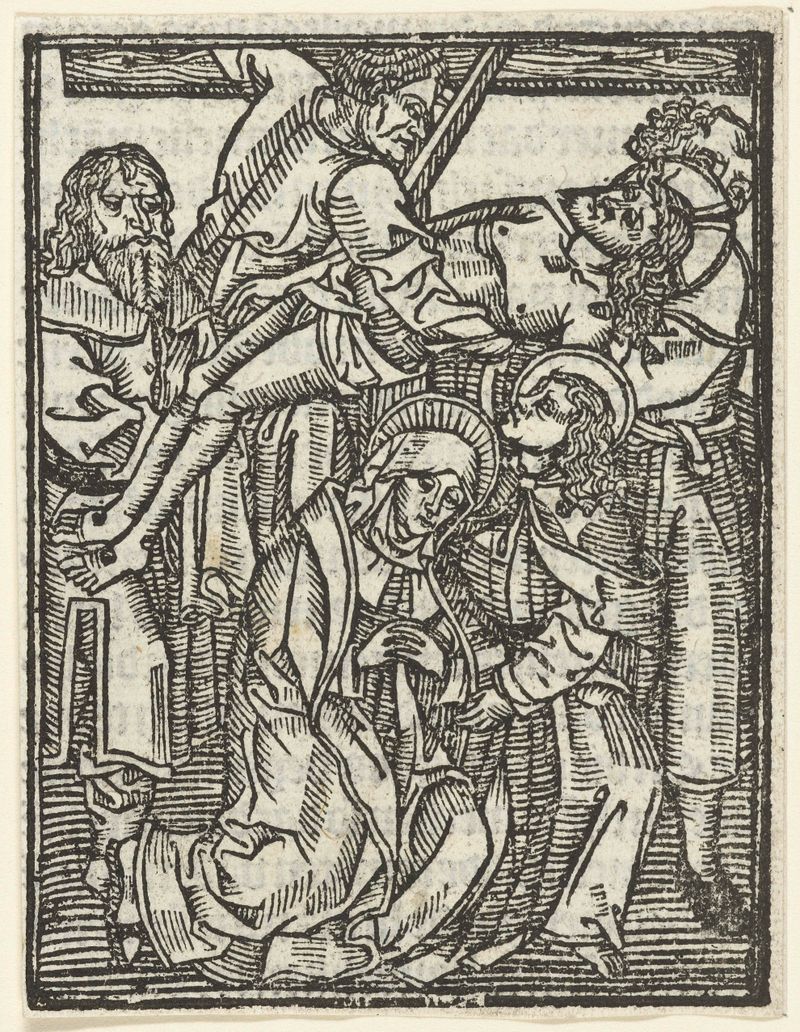
De kruisafname
Meester van de Delbecq-Schreiber-Passie
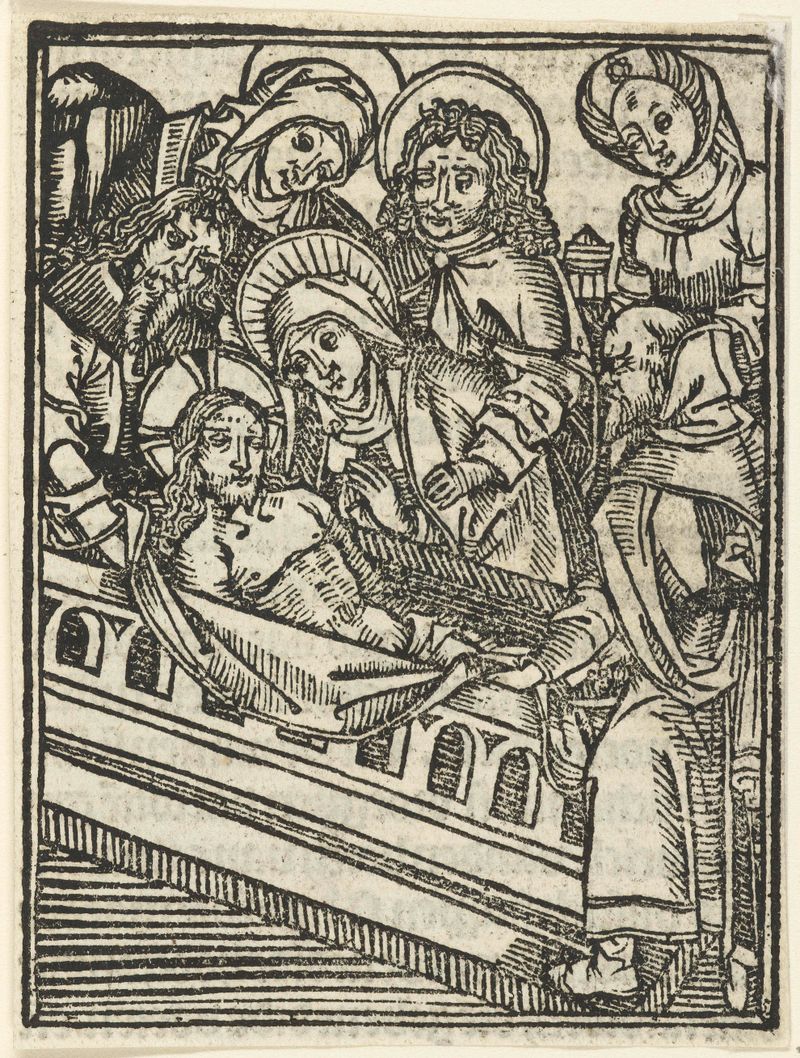
De graflegging
Meester van de Delbecq-Schreiber-Passie

Het Christuskind kastijdt zichzelf.
Meester van de Delbecq-Schreiber-Passie

Opstanding van Christus
Meester van de Delbecq-Schreiber-Passie
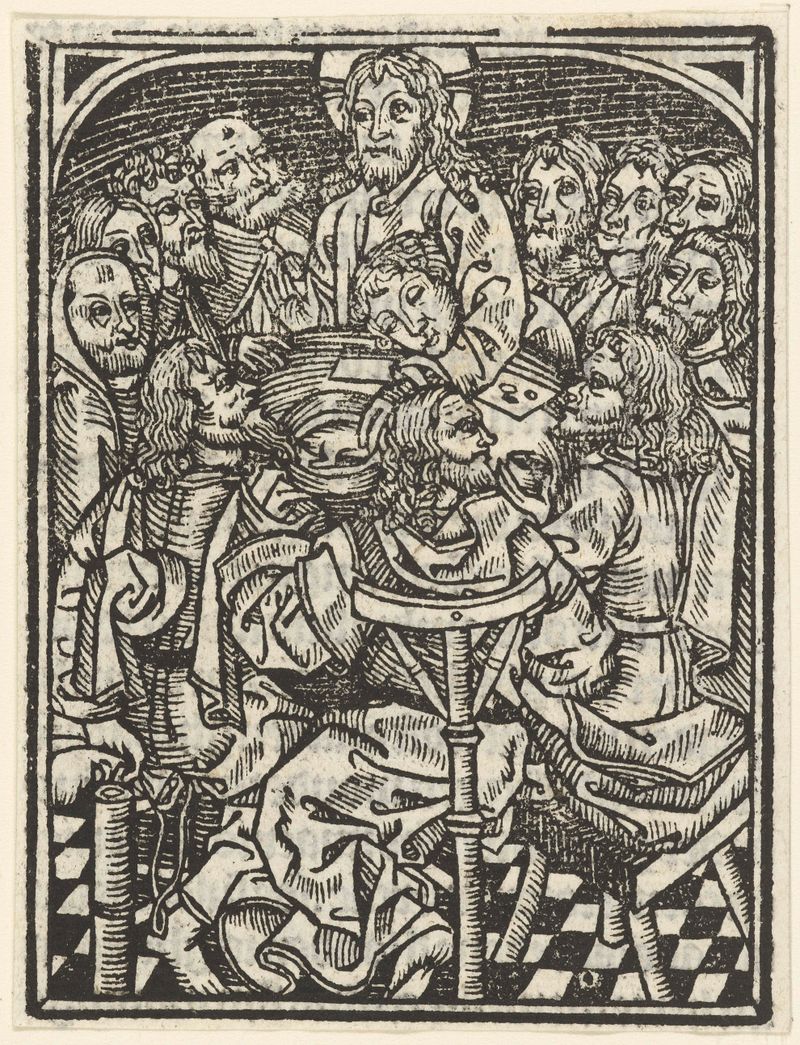
Het laatste avondmaal
Meester van de Delbecq-Schreiber-Passie
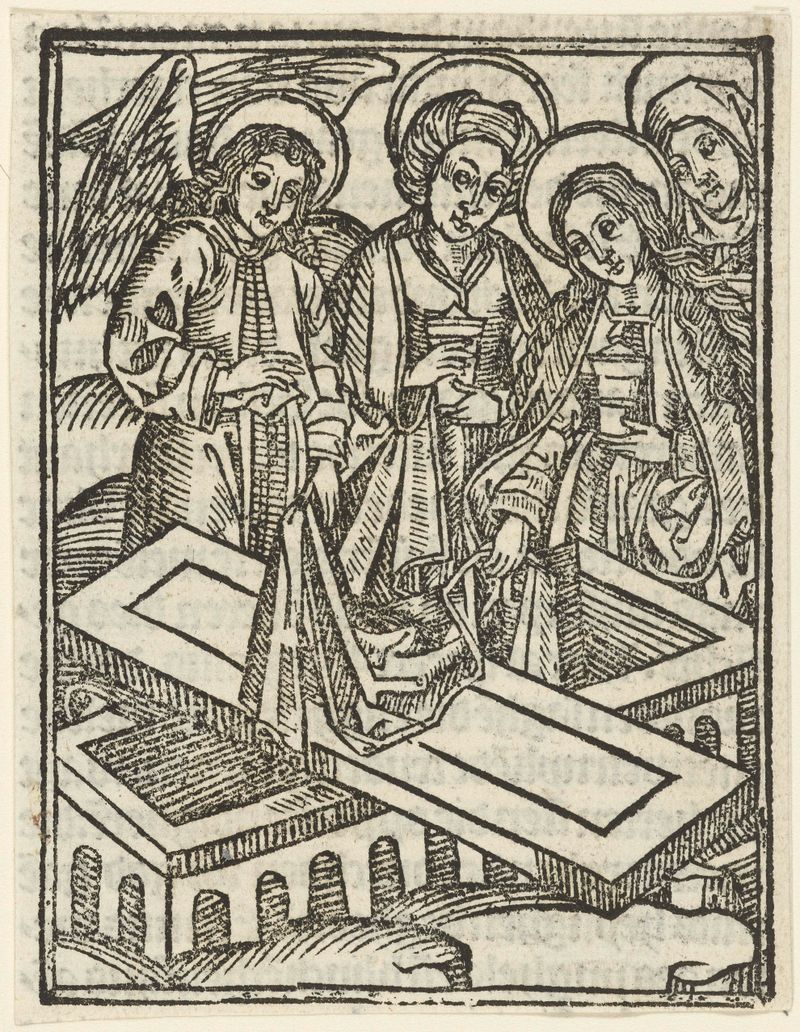
De vrouwen bij het graf
Meester van de Delbecq-Schreiber-Passie
More Religious Art
Browse all →
The Return of the Prodigal Son
Rembrandt van Rijn

The Garden of Earthly Delights
El Bosco

Count Orgaz’ funeral
El Greco

The Hundred Guilder Print: the central piece with Christ preaching, the plate arched
Rembrandt van Rijn

The Descent from the Cross
Rogier van der Weyden

The return of the prodigal son
Rembrandt van Rijn