
De kruisafname — History & Facts
What secret hides in the quiet of the canvas? In the stillness of De kruisafname, every gesture and glance beckons the viewer to delve deeper, revealing a poignant narrative pulsating beneath its surface. Look to the center, where the lifeless body of Christ is cradled gently by mourners, their forms radiating a sense of despair and reverence. Notice how the soft, melancholic palette—earthy browns mingled with muted reds—creates an atmosphere heavy with sorrow. The figures, draped in flowing garments, bend and lean with a fluid grace that suggests movement amid stillness, an eternal moment captured just before the lament.
The light emanates from an unseen source, illuminating their faces in stark relief, inviting you to share in their grief. Beneath the surface, contrasts unfold: the fragility of life against the permanence of death, the warmth of human connection juxtaposed with the coldness of the crucifix. Each mourner embodies a different facet of loss, from the anguished mother to the stoic disciple. Their expressions and subtle interactions speak volumes—silent cries echo within the viewer’s heart, compelling an empathetic response to their collective sorrow.
The painting transcends mere depiction, immersing us in the universal experience of grief and the embrace of community in mourning. Created in 1503, this work marks a significant moment for its creator, who was deeply entrenched in the Northern Renaissance. Working in a period characterized by a heightened focus on emotional depth and naturalism in art, the artist drew from contemporary theological sentiments and the emerging humanist movement. This canvas reflects not only personal devotion but also the broader cultural currents shifting in the realm of religious art during this transformative era.
More Artworks by Meester van de Delbecq-Schreiber-Passie
Browse all →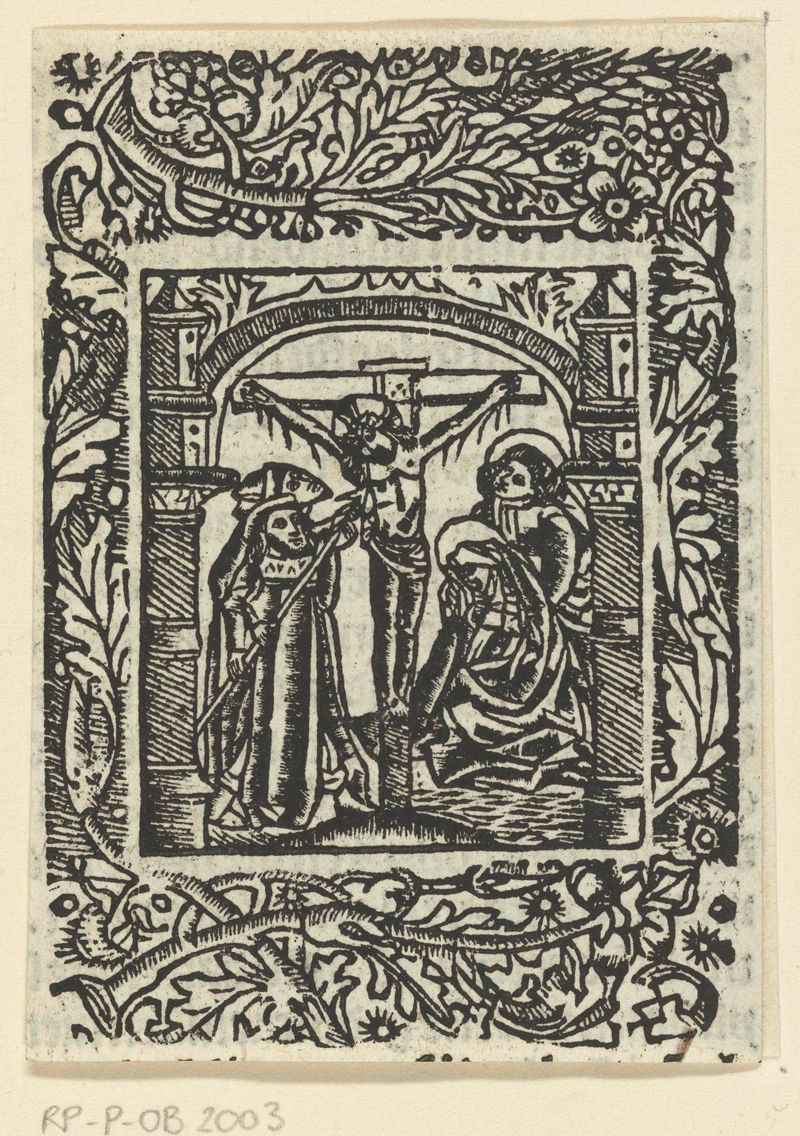
Christus aan het kruis
Meester van de Delbecq-Schreiber-Passie

Christus aan het kruis
Meester van de Delbecq-Schreiber-Passie

Christus wordt aan het kruis genageld
Meester van de Delbecq-Schreiber-Passie

De hemelvaart van Christus
Meester van de Delbecq-Schreiber-Passie

De maaltijd te Emmaüs
Meester van de Delbecq-Schreiber-Passie
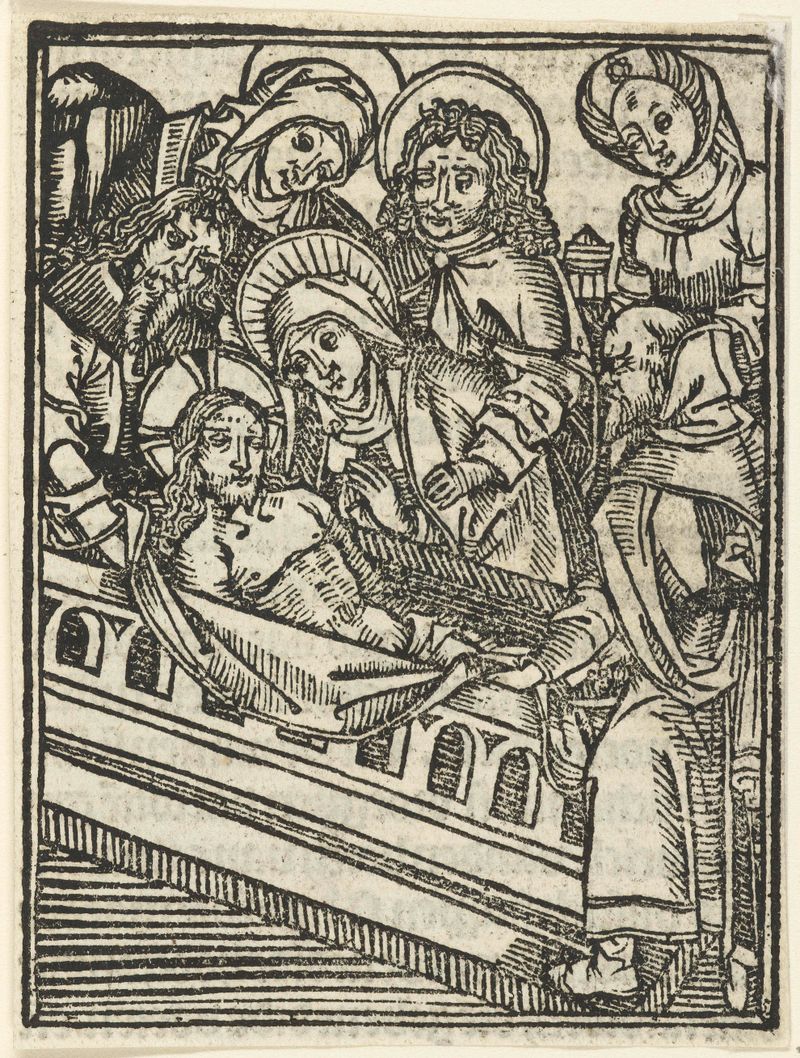
De graflegging
Meester van de Delbecq-Schreiber-Passie

Het Christuskind kastijdt zichzelf.
Meester van de Delbecq-Schreiber-Passie

Opstanding van Christus
Meester van de Delbecq-Schreiber-Passie
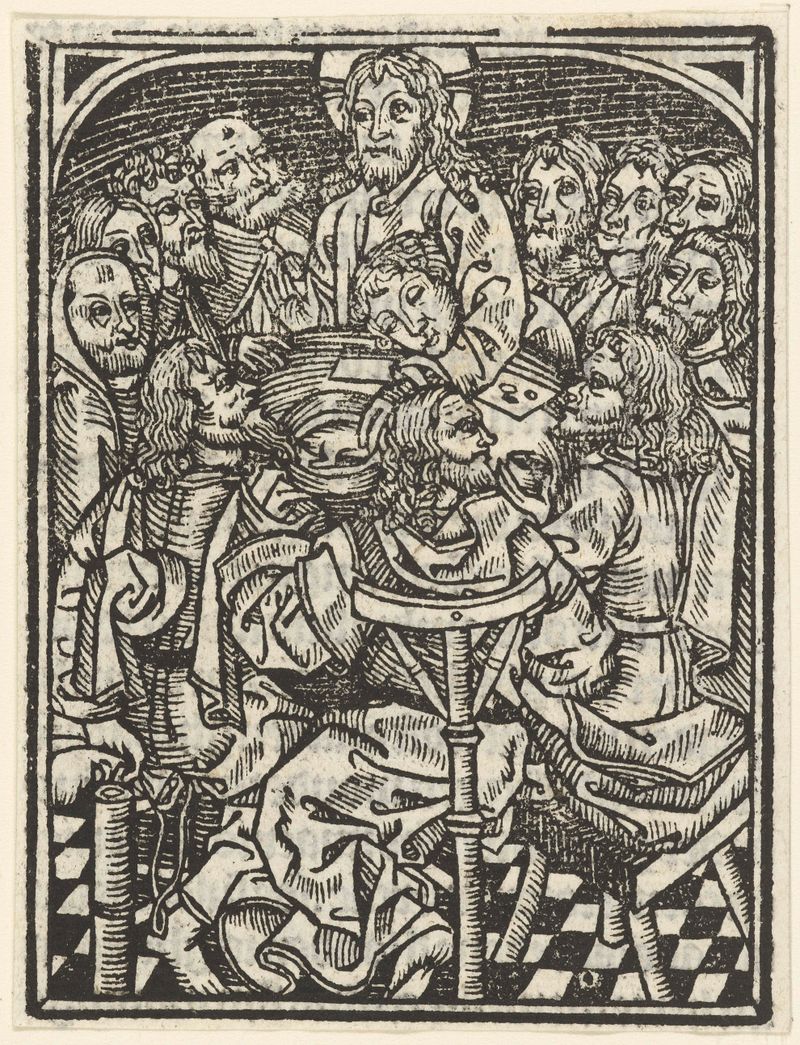
Het laatste avondmaal
Meester van de Delbecq-Schreiber-Passie
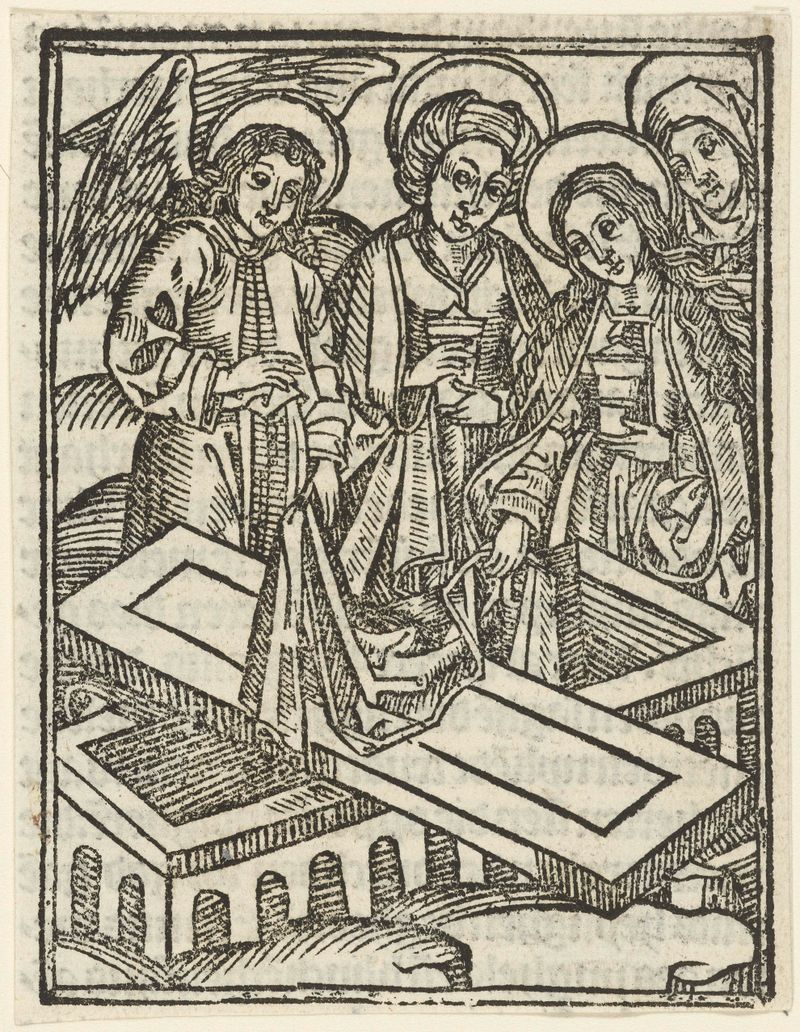
De vrouwen bij het graf
Meester van de Delbecq-Schreiber-Passie
More Religious Art
Browse all →
The Return of the Prodigal Son
Rembrandt van Rijn

The Garden of Earthly Delights
El Bosco

Count Orgaz’ funeral
El Greco

The Hundred Guilder Print: the central piece with Christ preaching, the plate arched
Rembrandt van Rijn

The Descent from the Cross
Rogier van der Weyden

The return of the prodigal son
Rembrandt van Rijn