
Christus wordt aan het kruis genageld — History & Facts
Could a single brushstroke hold eternity? The answer lies within the powerful narrative of sacrifice and rebirth captured in this evocative piece. Each element, from the anguished expressions to the rich palette, speaks volumes about the profound moment it portrays—a crucifixion that transcends suffering and leads to renewal. Focus first on the central figure, where the contrasting shades of crimson and deep earth tones draw your eye to the figure of Christ. Notice how the artist has rendered the tension in the scene through the twisted forms of the surrounding figures, their bodies straining against the gravity of despair.
The interplay of light and shadow enhances the emotional weight, revealing the delicate balance between anguish and hope. The meticulous attention to drapery and skin tones adds texture, inviting viewers to explore the physicality of the moment. Hidden beneath the surface of this dramatic encounter lies a rich tapestry of meanings. The juxtaposition of the serene face of Christ against the grief-stricken expressions of those around him evokes the profound paradox of tragedy and salvation.
The positioning of the nails—sharp, intrusive—symbolizes both physical pain and the spiritual journey of faith. Each detail, from the blood to the despair, embodies the essence of rebirth, hinting at the resurrection that follows this moment of agony. In 1503, the artist worked during a time of significant religious turmoil and artistic innovation in Europe. The piece was created in the midst of the Northern Renaissance, a period where intricate narrative and emotional depth were becoming paramount in art.
This was a time of transformation, not just in technique, but in the very way faith was expressed and understood, mirroring the tumultuous spiritual landscape of the era.
More Artworks by Meester van de Delbecq-Schreiber-Passie
Browse all →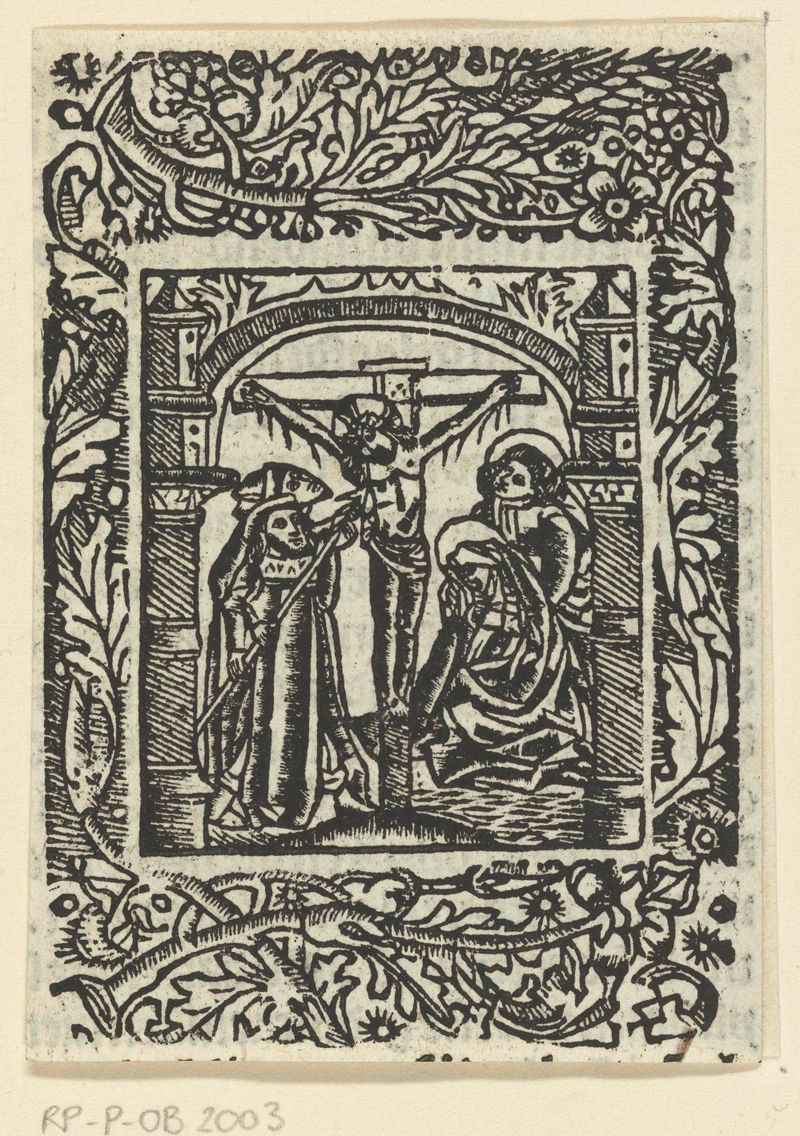
Christus aan het kruis
Meester van de Delbecq-Schreiber-Passie

Christus aan het kruis
Meester van de Delbecq-Schreiber-Passie

De hemelvaart van Christus
Meester van de Delbecq-Schreiber-Passie

De maaltijd te Emmaüs
Meester van de Delbecq-Schreiber-Passie
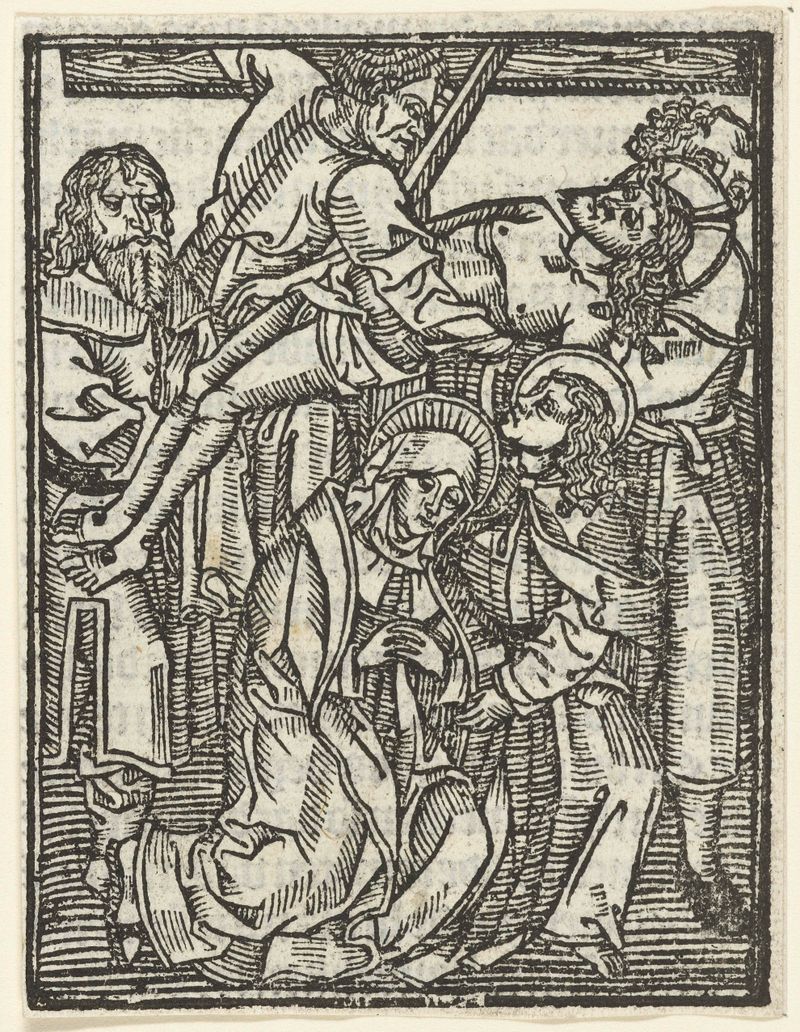
De kruisafname
Meester van de Delbecq-Schreiber-Passie
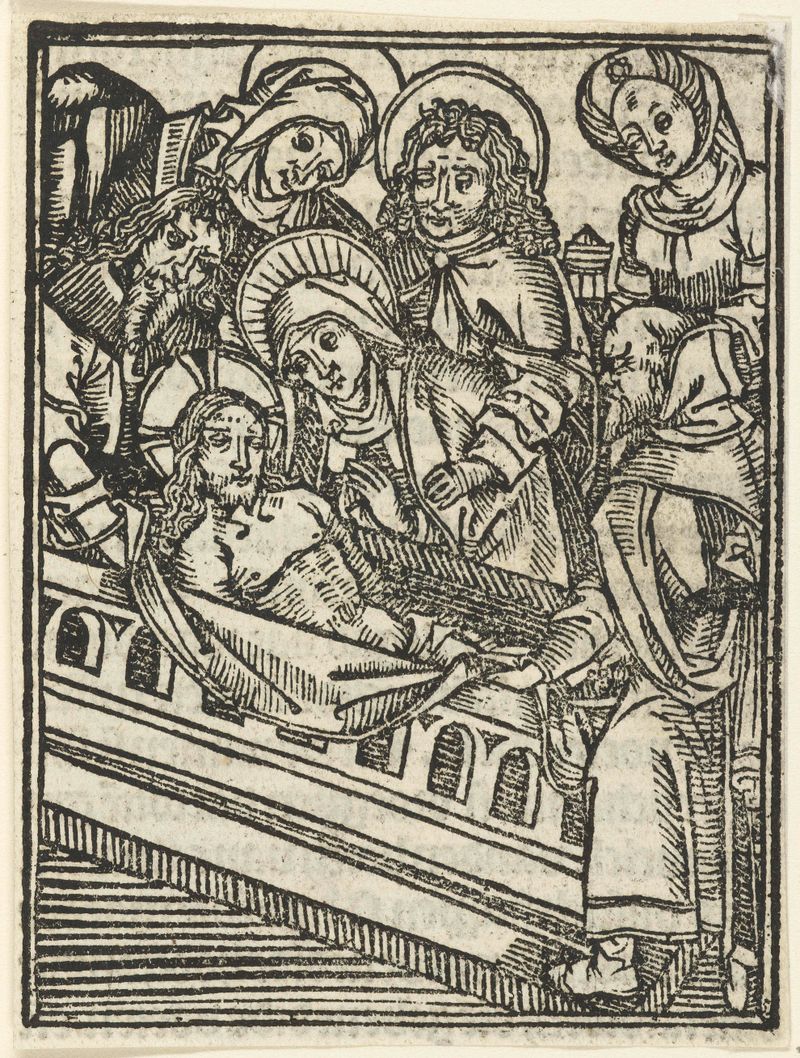
De graflegging
Meester van de Delbecq-Schreiber-Passie

Het Christuskind kastijdt zichzelf.
Meester van de Delbecq-Schreiber-Passie

Opstanding van Christus
Meester van de Delbecq-Schreiber-Passie
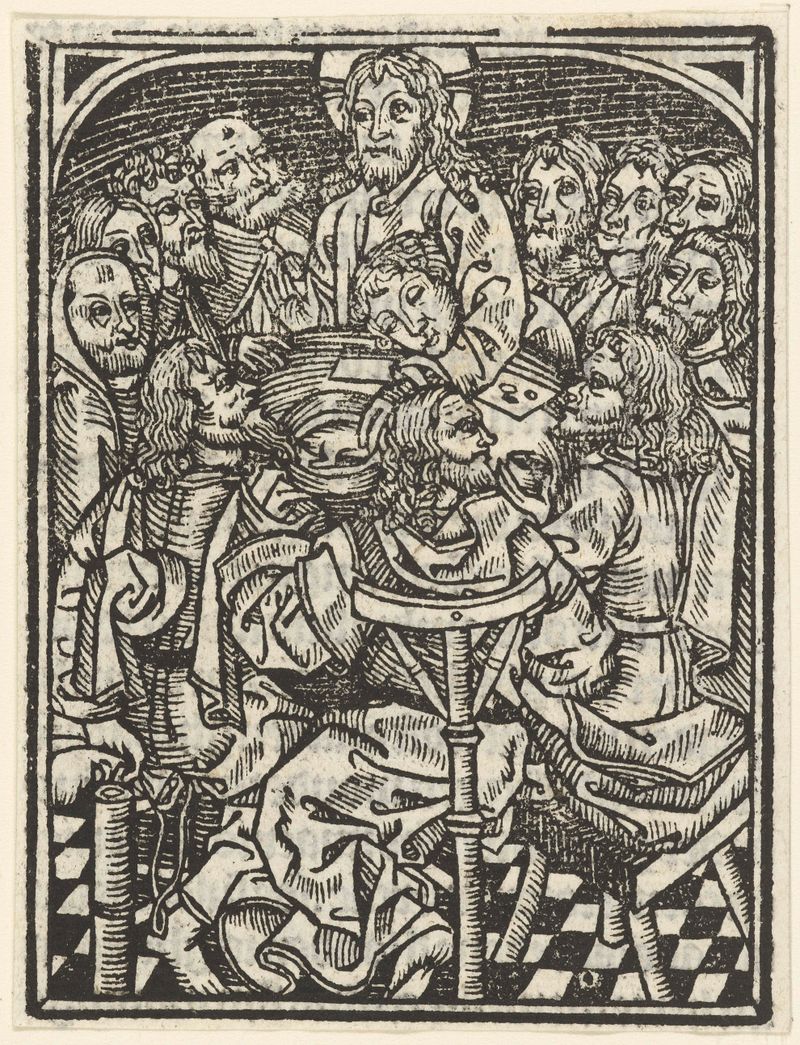
Het laatste avondmaal
Meester van de Delbecq-Schreiber-Passie
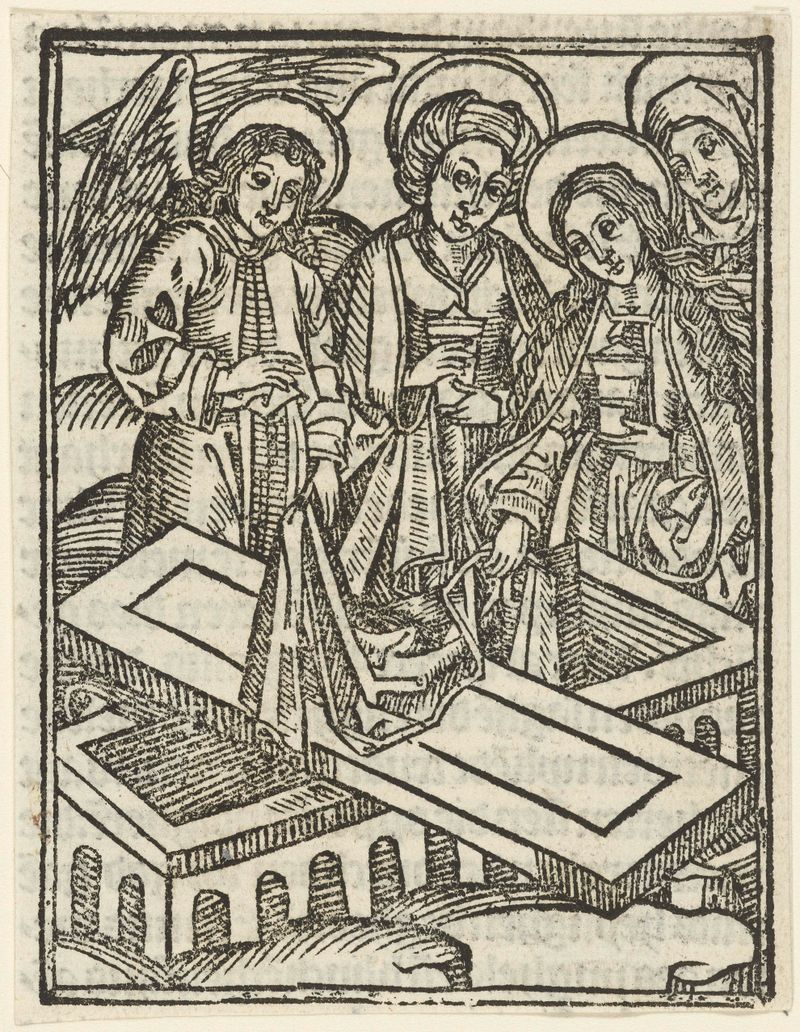
De vrouwen bij het graf
Meester van de Delbecq-Schreiber-Passie
More Religious Art
Browse all →
The Return of the Prodigal Son
Rembrandt van Rijn

The Garden of Earthly Delights
El Bosco

Count Orgaz’ funeral
El Greco

The Hundred Guilder Print: the central piece with Christ preaching, the plate arched
Rembrandt van Rijn

The Descent from the Cross
Rogier van der Weyden

The return of the prodigal son
Rembrandt van Rijn