
Het Christuskind kastijdt zichzelf. — History & Facts
In Het Christuskind kastijdt zichzelf, shadows stretch across the canvas, hinting at the duality of innocence and suffering. The viewer is invited to explore the paradox of a child’s purity juxtaposed with the weight of self-denial, illustrating a profound psychological depth. Begin your examination at the center where the figure of Christ stands, arms raised in a poignant act of self-discipline. Look closely at the intricate folds of his garments, rendered in soft blues and whites, contrasting starkly with the darkened corners that seem to encroach upon his serenity.
Notice how the delicate play of light creates a halo effect around him, yet casts long shadows that threaten to obscure his youthful visage. This delicate interplay of illumination and darkness reflects the internal struggle that defines the narrative of sacrifice. The imagery resonates with themes of suffering and redemption; the ethereal light serves as a reminder of hope, while the shadows symbolize the weight of sin and sacrifice. Each brushstroke conveys a tension between divinity and humanity, imbuing the scene with emotional gravity.
The subtle details—a tear glistening in the child’s eye and the faintest whisper of a smile—underscore the complexity of their existence, suggesting that innocence may carry the heaviest burdens. Created in 1503, this piece emerged during a pivotal time for Northern Renaissance art, where the exploration of human emotion gained prominence. The artist, working in a period marked by religious fervor and the interplay between faith and personal introspection, reflects a broader cultural shift. It was a moment when artists began to challenge traditional themes, weaving deeper narratives into their works, foreshadowing the emergence of modern artistic sensibilities.
More Artworks by Meester van de Delbecq-Schreiber-Passie
Browse all →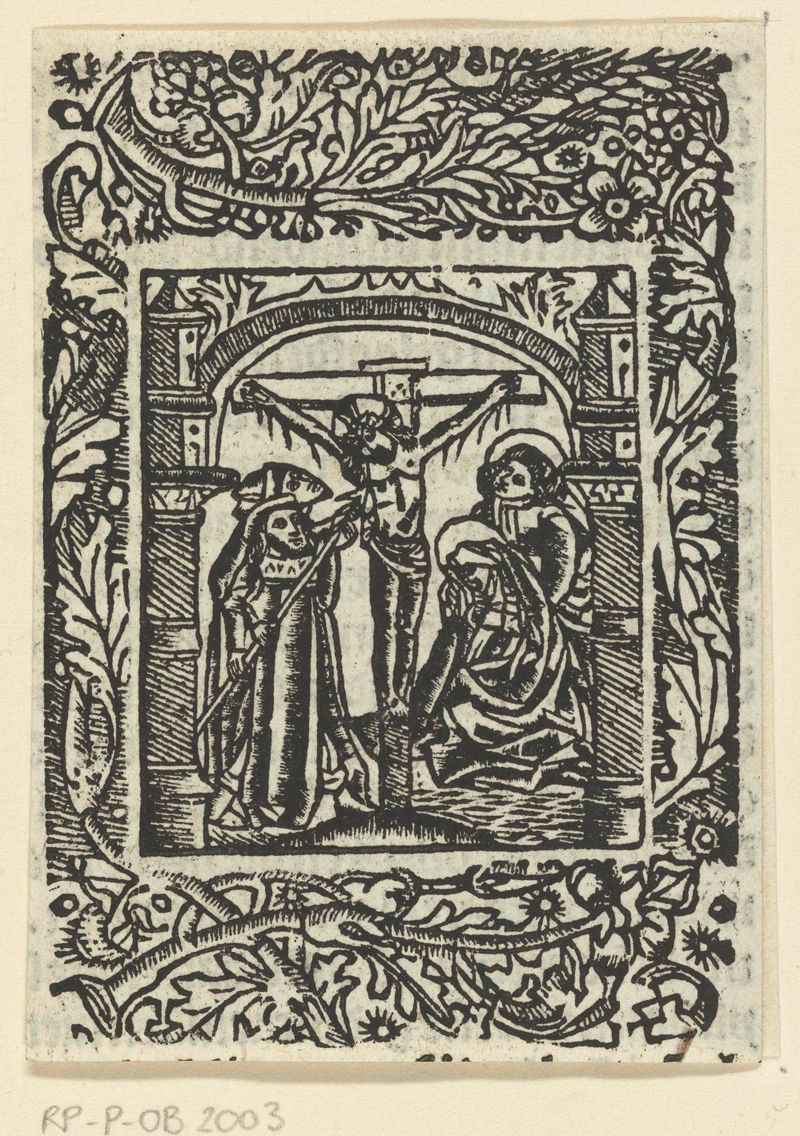
Christus aan het kruis
Meester van de Delbecq-Schreiber-Passie

Christus aan het kruis
Meester van de Delbecq-Schreiber-Passie

Christus wordt aan het kruis genageld
Meester van de Delbecq-Schreiber-Passie

De hemelvaart van Christus
Meester van de Delbecq-Schreiber-Passie

De maaltijd te Emmaüs
Meester van de Delbecq-Schreiber-Passie
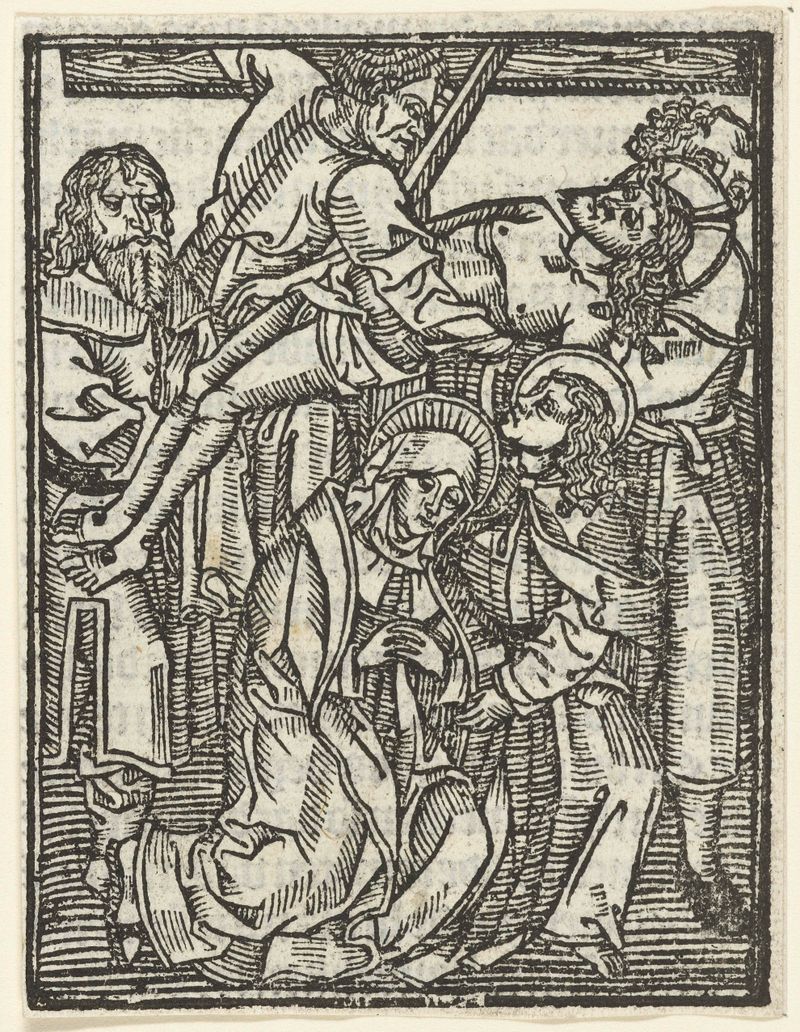
De kruisafname
Meester van de Delbecq-Schreiber-Passie
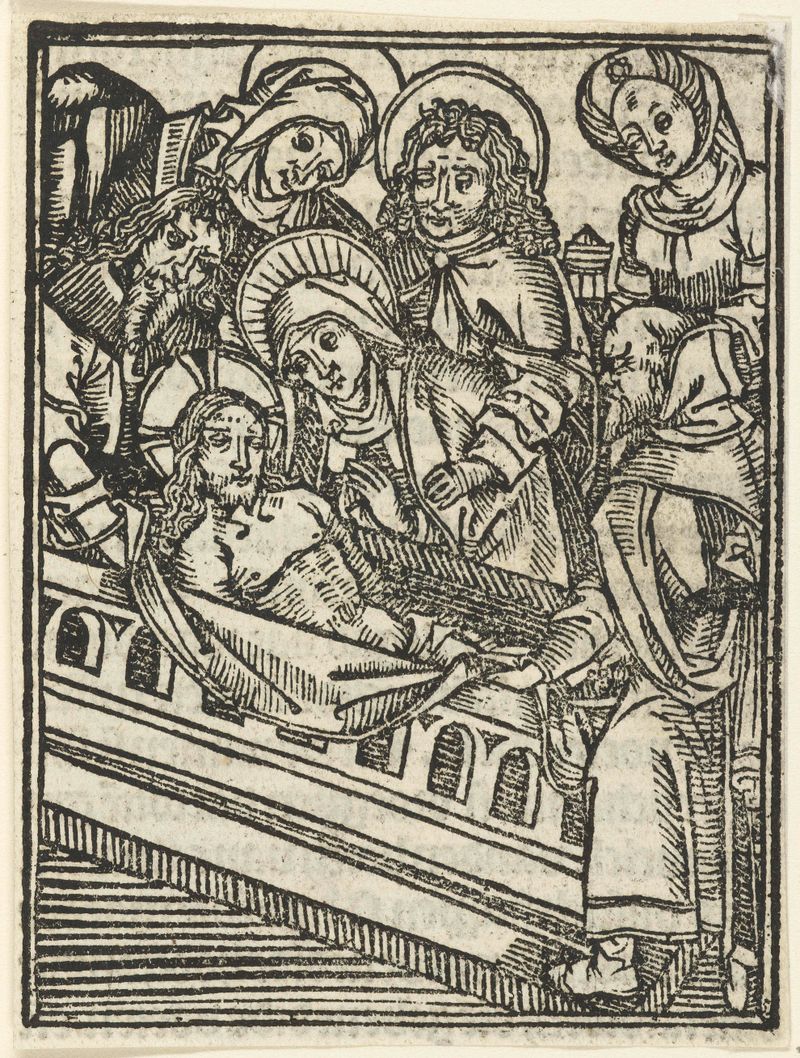
De graflegging
Meester van de Delbecq-Schreiber-Passie

Opstanding van Christus
Meester van de Delbecq-Schreiber-Passie
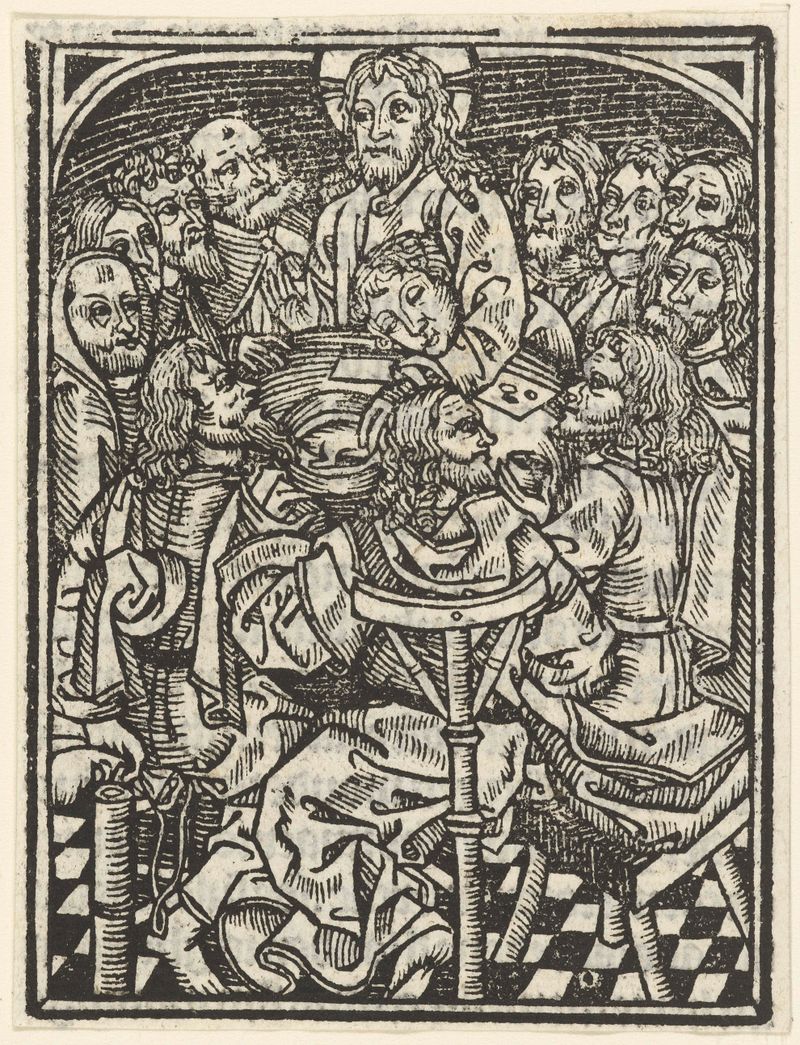
Het laatste avondmaal
Meester van de Delbecq-Schreiber-Passie
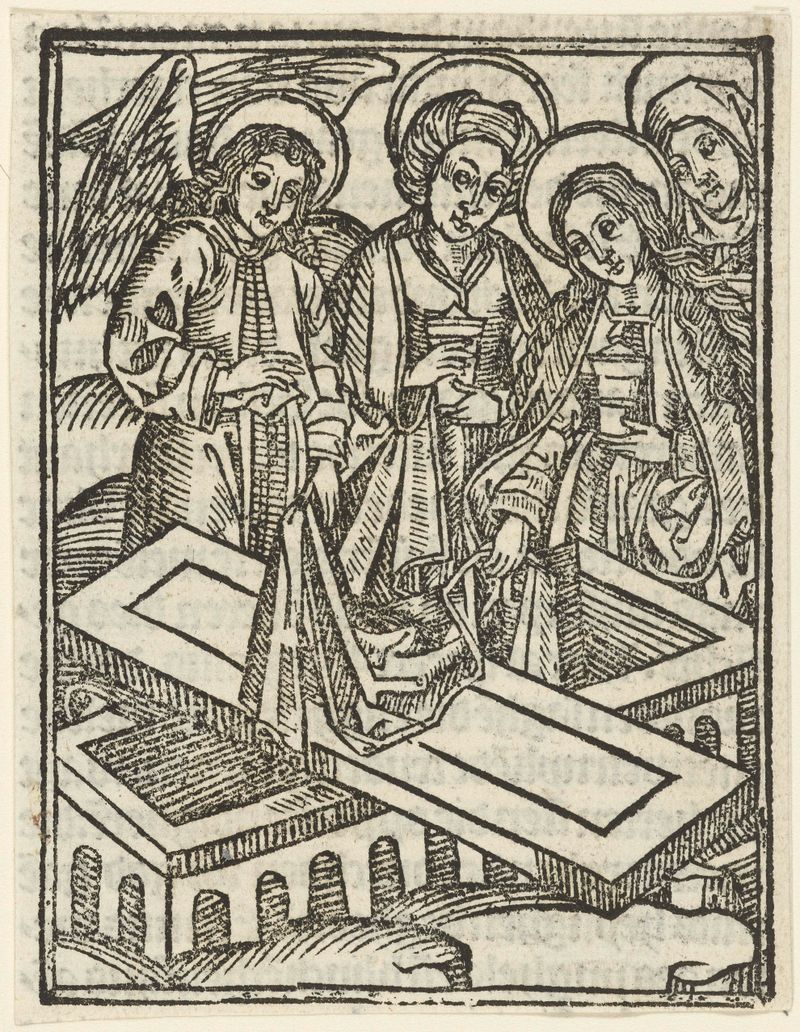
De vrouwen bij het graf
Meester van de Delbecq-Schreiber-Passie
More Religious Art
Browse all →
The Return of the Prodigal Son
Rembrandt van Rijn

The Garden of Earthly Delights
El Bosco

Count Orgaz’ funeral
El Greco

The Hundred Guilder Print: the central piece with Christ preaching, the plate arched
Rembrandt van Rijn

The Descent from the Cross
Rogier van der Weyden

The return of the prodigal son
Rembrandt van Rijn