
De maaltijd te Emmaüs — History & Facts
This sentiment resonates deeply in the intricate layers of silence and celebration woven into this artwork, where the fine line between life and decay becomes ever more poignant. Look to the central figures enveloped in a rich tapestry of color and light. Their gestures are a delicate dance of revelation, hands outstretched as if caught in a moment of divine understanding. Notice how the soft, golden light spills across their faces, illuminating their expressions against a backdrop that hints at the ephemeral nature of existence.
The detailed folds of their garments reveal a mastery of texture, drawing the viewer into the depths of their emotional resonance. Amidst this warmth, hidden tensions emerge, revealing a duality in the scene. The ripe fruit on the table symbolizes both abundance and decay, a reminder of life’s fleeting pleasures. The subtle shadows lurking in the corners suggest an impending approach of darkness, an echo of the inevitable end that tempers the joy of the feast.
Each element speaks to the fragility of human connection, suggesting that every moment of beauty is shadowed by an underlying sorrow. Created in 1503, this piece reflects the artist’s immersion in a time marked by religious fervor and a burgeoning interest in realism. The artist, belonging to the Northern Renaissance, was rooted in a world where art was increasingly used to convey spiritual narratives and human emotion. Engaged in the cultural milieu of the early 16th century, they captured the tension between the divine and mundane, leaving behind a work that continues to resonate with profound significance.
More Artworks by Meester van de Delbecq-Schreiber-Passie
Browse all →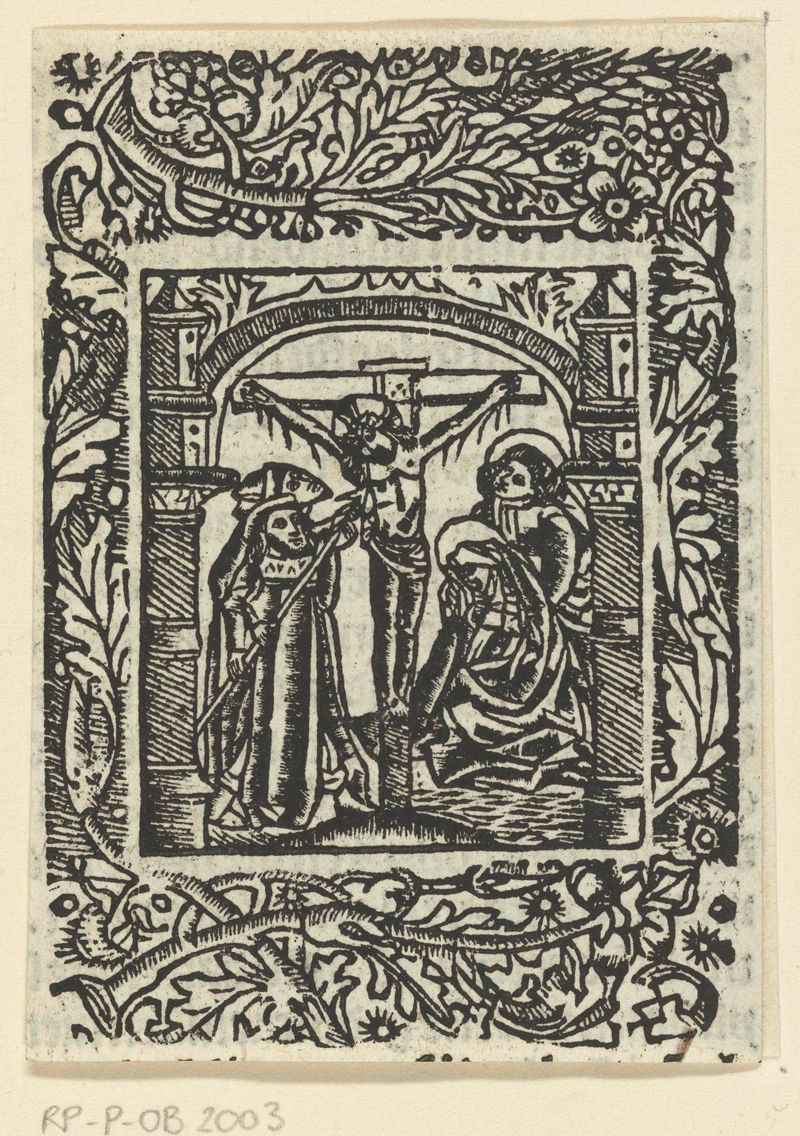
Christus aan het kruis
Meester van de Delbecq-Schreiber-Passie

Christus aan het kruis
Meester van de Delbecq-Schreiber-Passie

Christus wordt aan het kruis genageld
Meester van de Delbecq-Schreiber-Passie

De hemelvaart van Christus
Meester van de Delbecq-Schreiber-Passie
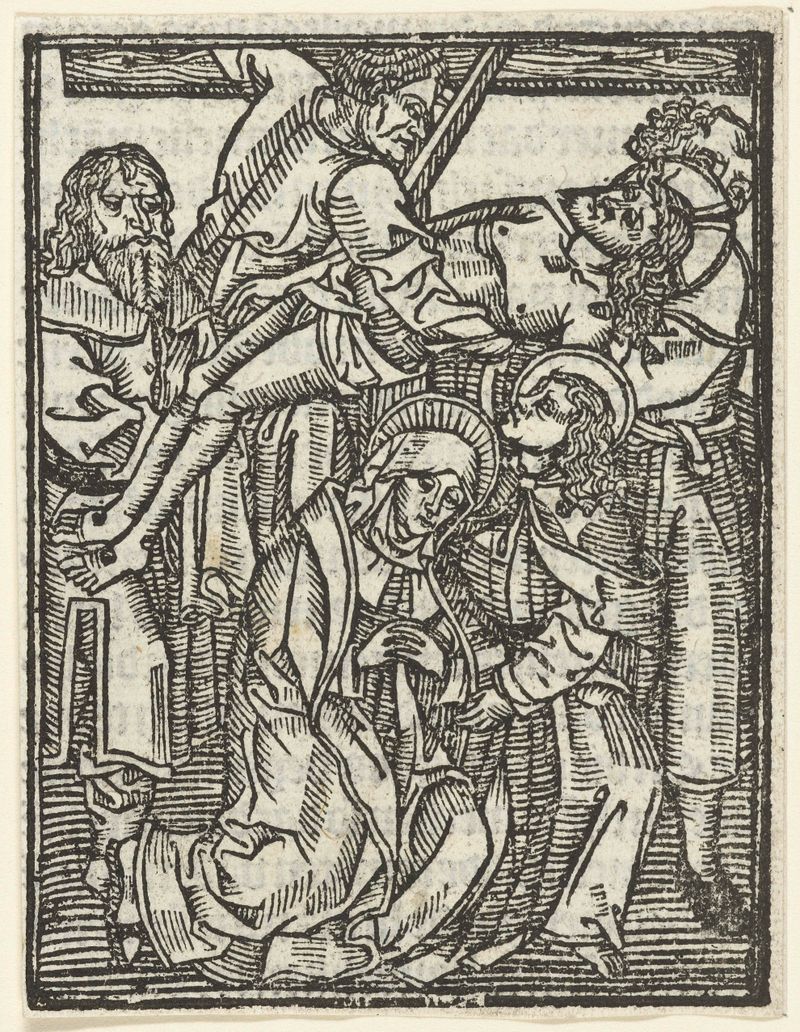
De kruisafname
Meester van de Delbecq-Schreiber-Passie
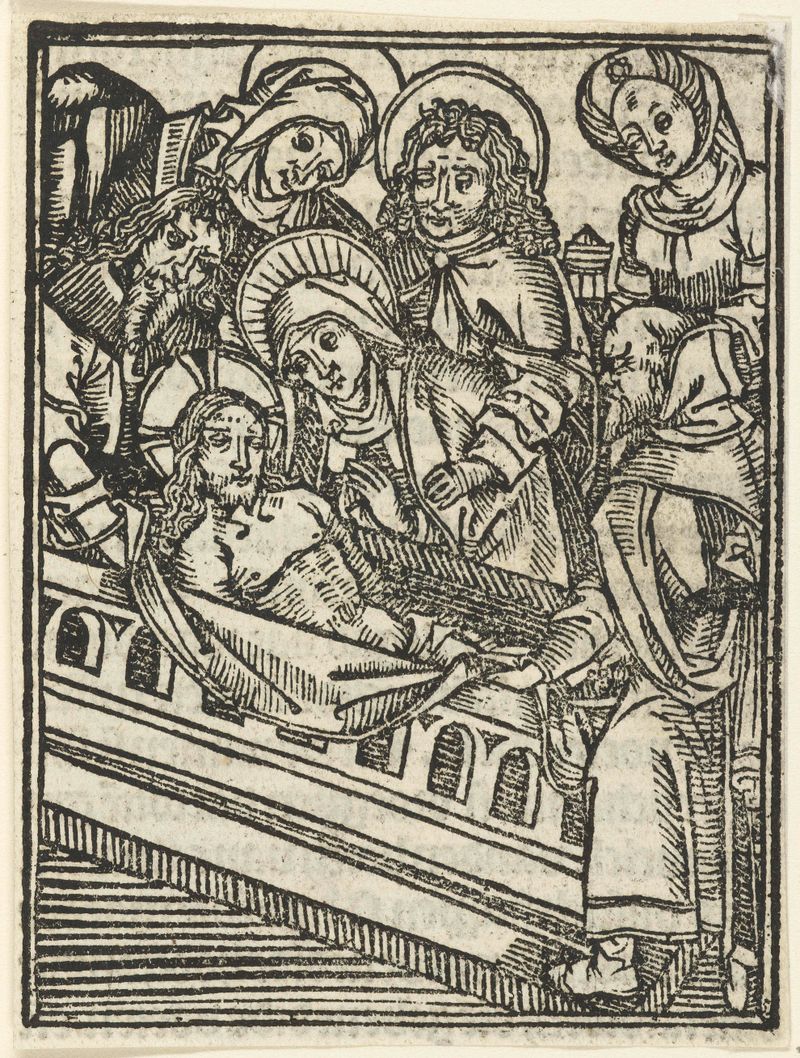
De graflegging
Meester van de Delbecq-Schreiber-Passie

Het Christuskind kastijdt zichzelf.
Meester van de Delbecq-Schreiber-Passie

Opstanding van Christus
Meester van de Delbecq-Schreiber-Passie
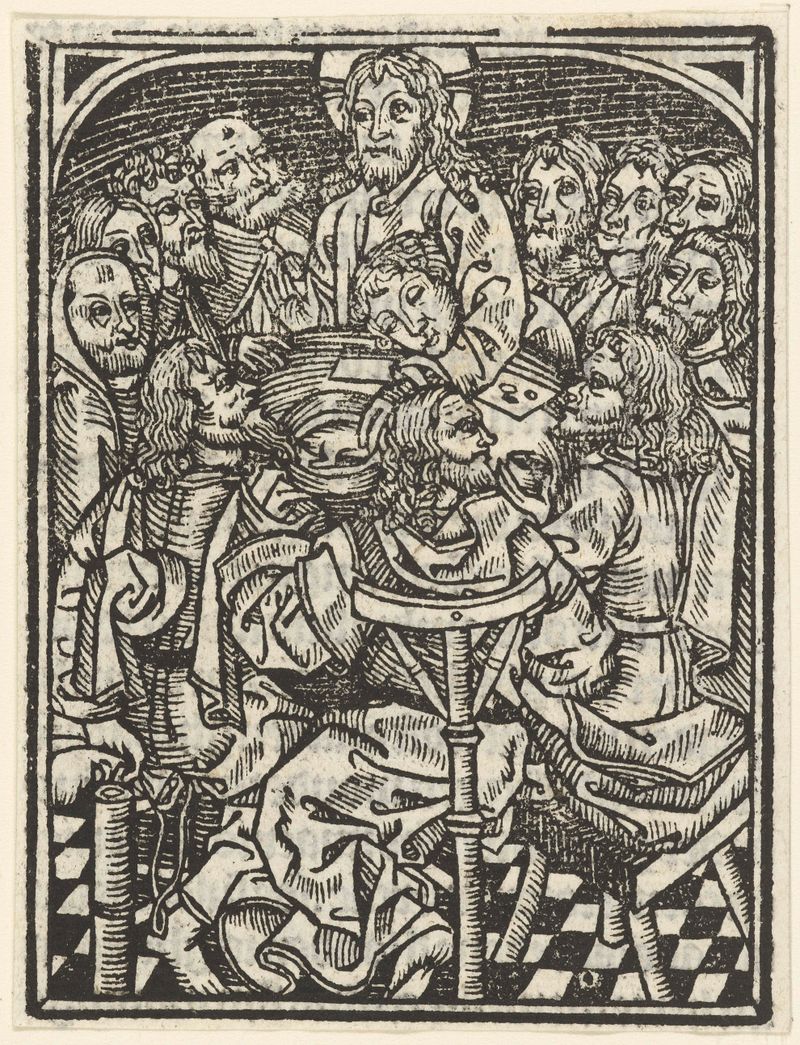
Het laatste avondmaal
Meester van de Delbecq-Schreiber-Passie
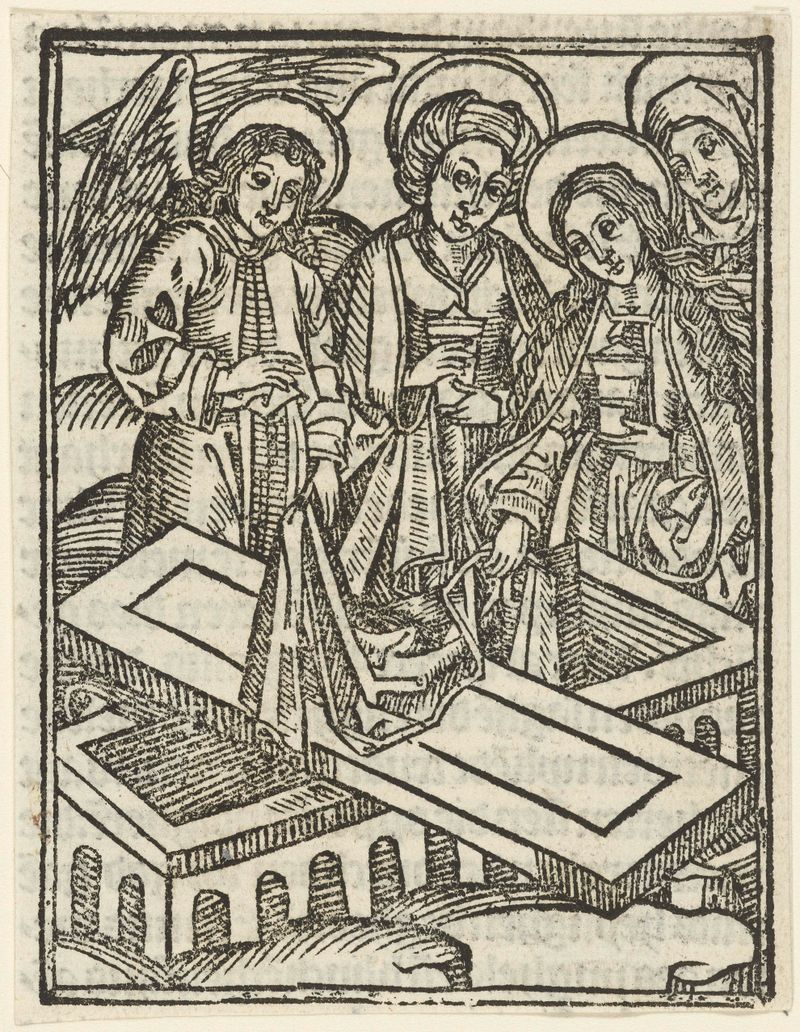
De vrouwen bij het graf
Meester van de Delbecq-Schreiber-Passie
More Religious Art
Browse all →
The Return of the Prodigal Son
Rembrandt van Rijn

The Garden of Earthly Delights
El Bosco

Count Orgaz’ funeral
El Greco

The Hundred Guilder Print: the central piece with Christ preaching, the plate arched
Rembrandt van Rijn

The Descent from the Cross
Rogier van der Weyden

The return of the prodigal son
Rembrandt van Rijn