
Christus aan het kruis — History & Facts
In the stillness of a moment captured, betrayal hangs heavy in the air, echoing the profound weight of sacrifice and loss. Focus on the figure at the center, the crucified Christ, whose expression melds sorrow and resignation. Observe how the artist employs rich, dark hues to cloak the background, casting an ominous shadow over the scene. The starkness of the figure is illuminated by a subtle light that paints his skin with a ghostly pallor, drawing the viewer’s gaze to his wounds.
Each detail, from the thorns encircling his brow to the blood cascading down his side, speaks to an unbearable burden, inviting contemplation of the pain of betrayal. Yet, the emotional tension transcends the immediate suffering. The surrounding figures—those who mourn, those who turn away—suggest a split in allegiance; they symbolize the complexities of faith and doubt. The contrasting warmth of their flesh tones serves as a reminder of human frailty in the presence of divine sacrifice.
Each face tells its own story, hinting at personal betrayals that resonate universally, transcending the moment depicted. In 1503, during a period marked by spiritual and political upheaval, the painter was part of a collective movement exploring deep religious themes through evocative imagery. Working in the Low Countries, this artist drew upon the collective anguish of a society grappling with the ramifications of faith and loss. It was an era when art began to reflect not only divine narratives but the human condition wrapped in the profound pain of betrayal, as seen in this haunting composition.
More Artworks by Meester van de Delbecq-Schreiber-Passie
Browse all →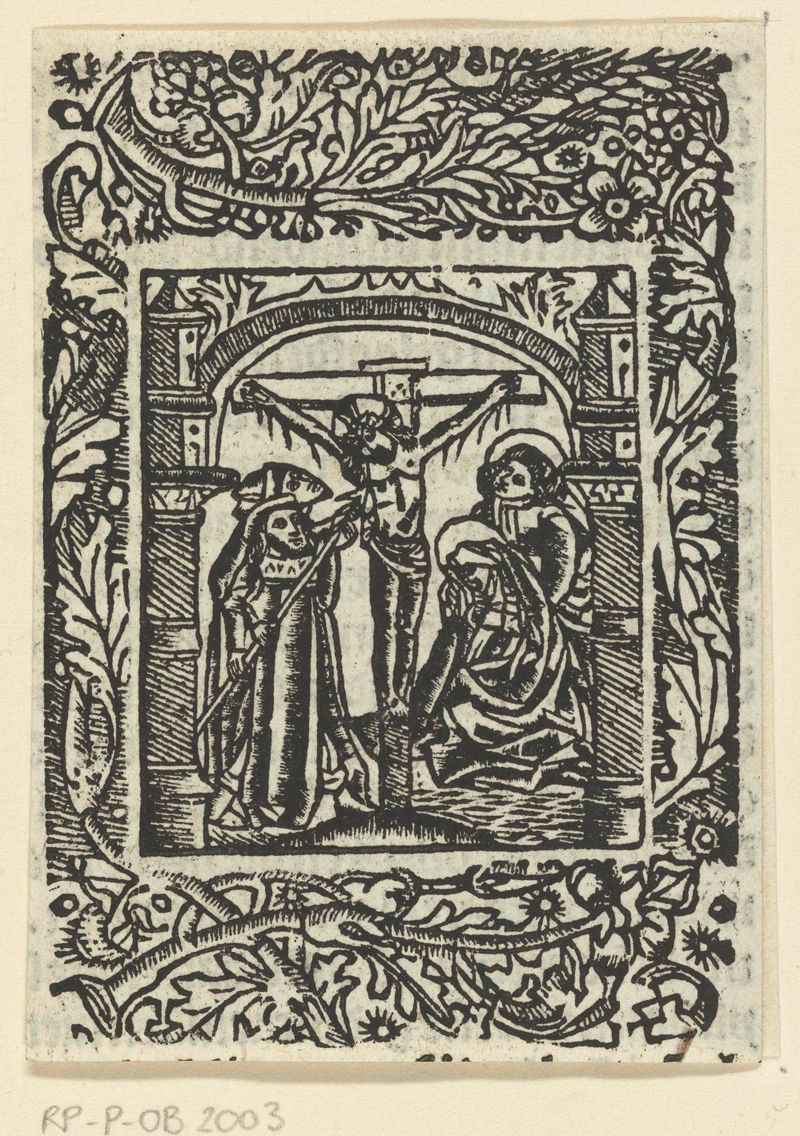
Christus aan het kruis
Meester van de Delbecq-Schreiber-Passie

Christus wordt aan het kruis genageld
Meester van de Delbecq-Schreiber-Passie

De hemelvaart van Christus
Meester van de Delbecq-Schreiber-Passie

De maaltijd te Emmaüs
Meester van de Delbecq-Schreiber-Passie
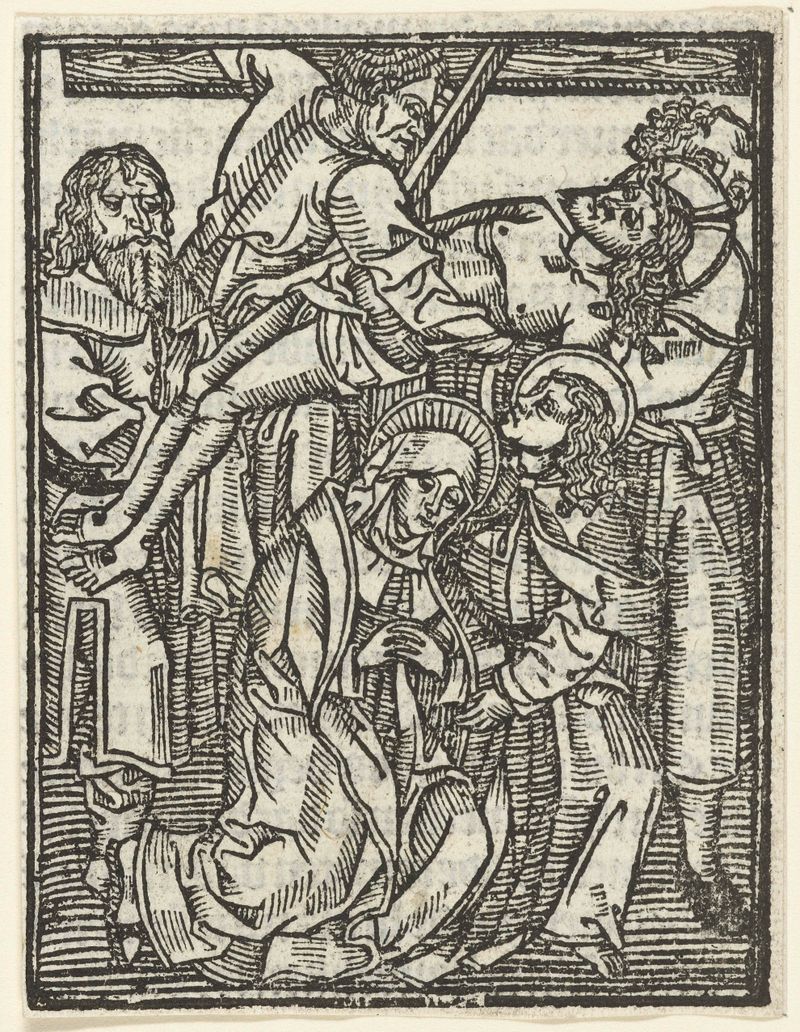
De kruisafname
Meester van de Delbecq-Schreiber-Passie
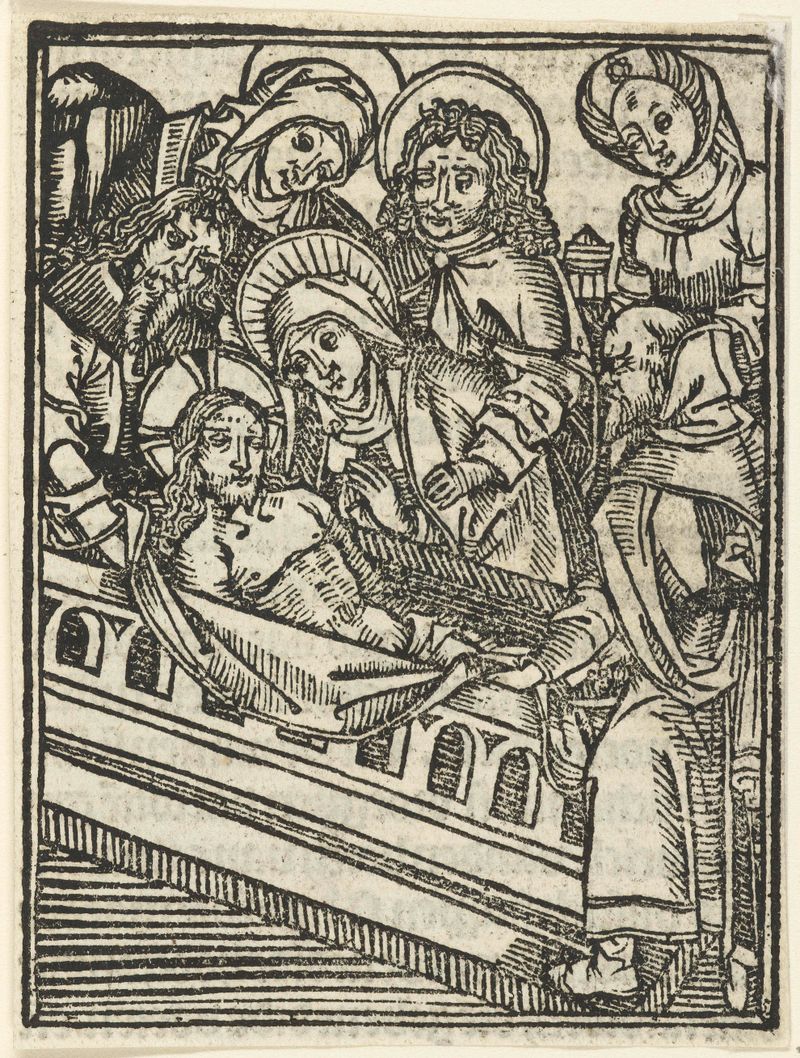
De graflegging
Meester van de Delbecq-Schreiber-Passie

Het Christuskind kastijdt zichzelf.
Meester van de Delbecq-Schreiber-Passie

Opstanding van Christus
Meester van de Delbecq-Schreiber-Passie
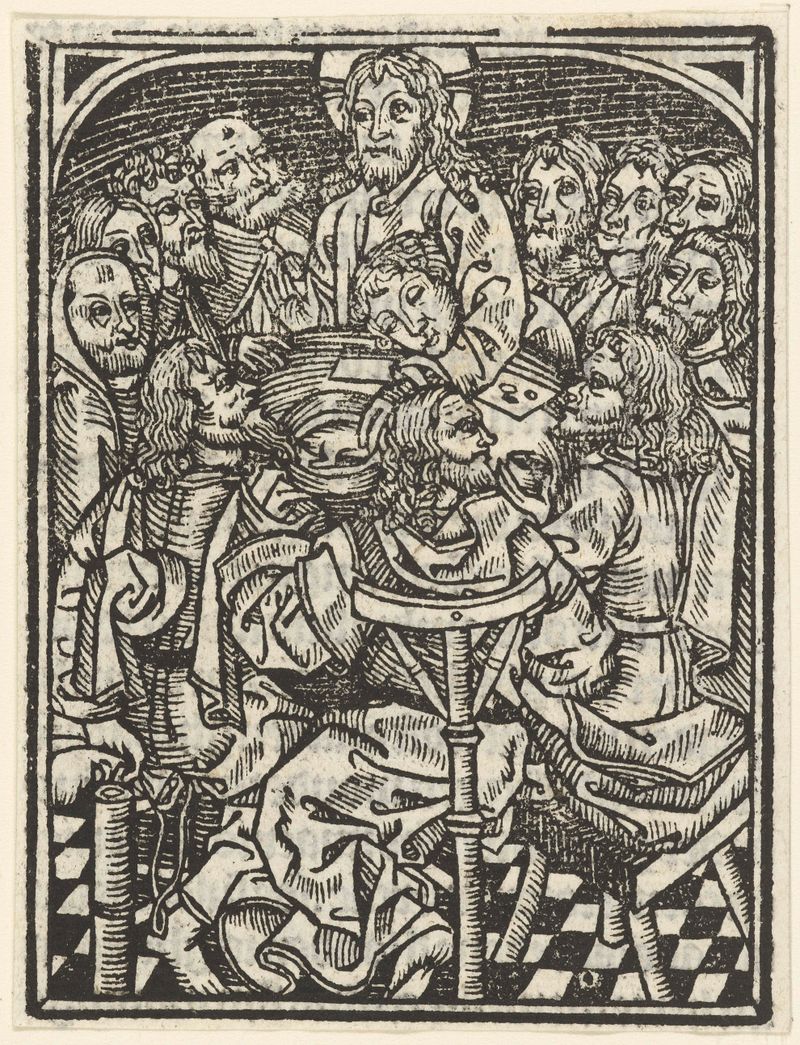
Het laatste avondmaal
Meester van de Delbecq-Schreiber-Passie
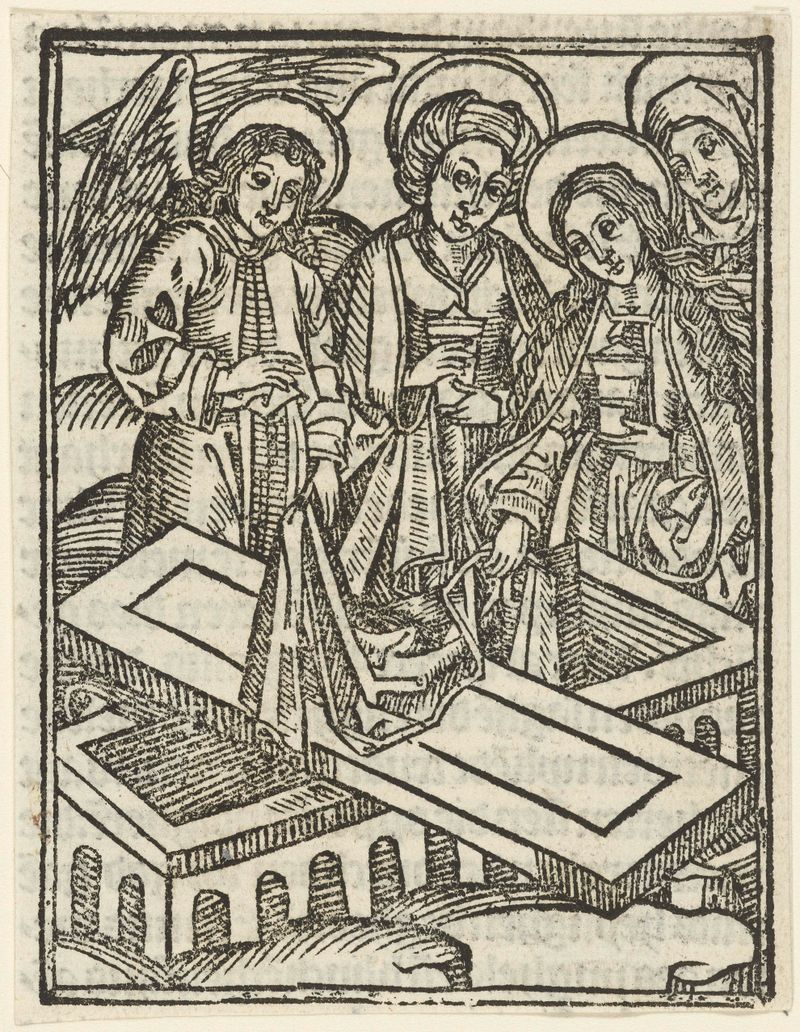
De vrouwen bij het graf
Meester van de Delbecq-Schreiber-Passie
More Religious Art
Browse all →
The Return of the Prodigal Son
Rembrandt van Rijn

The Garden of Earthly Delights
El Bosco

Count Orgaz’ funeral
El Greco

The Hundred Guilder Print: the central piece with Christ preaching, the plate arched
Rembrandt van Rijn

The Descent from the Cross
Rogier van der Weyden

The return of the prodigal son
Rembrandt van Rijn