
Het laatste avondmaal — History & Facts
In the intricate tapestry of time, how do we capture the essence of decay amidst the sacred? Focus on the rich, somber hues that envelop the scene, drawing your gaze toward the central figures, whose expressions reveal both solemnity and profound connection. Notice how the dark surrounding contrasts with ethereal highlights, creating a tension that speaks to mortality. Each figure is carefully placed, creating a rhythm that pulsates through the composition, echoing the gravity of the moment. In this depiction, time feels suspended, as if the figures are caught between existence and oblivion.
The table, laden with sumptuous bread and wine, symbolizes both nourishment and the inevitable passage of life. Subtle decay can be felt in the draped fabrics and weathered faces, suggesting that beauty is fleeting and that moments of communion are precious yet ephemeral. The delicate balance of light and shadow enhances the emotional weight, inviting viewers to contemplate the fragility of life. Painted in 1503, the artist was embedded within a rich context of religious fervor and artistic innovation.
This piece emerged during a time when the Northern Renaissance was flourishing, characterized by meticulous attention to detail and a deep exploration of human emotion. The artist, whose identity remains a mystery, was influenced by both Gothic traditions and emerging humanist ideals, capturing a pivotal moment in a society grappling with the complexities of faith and existence.
More Artworks by Meester van de Delbecq-Schreiber-Passie
Browse all →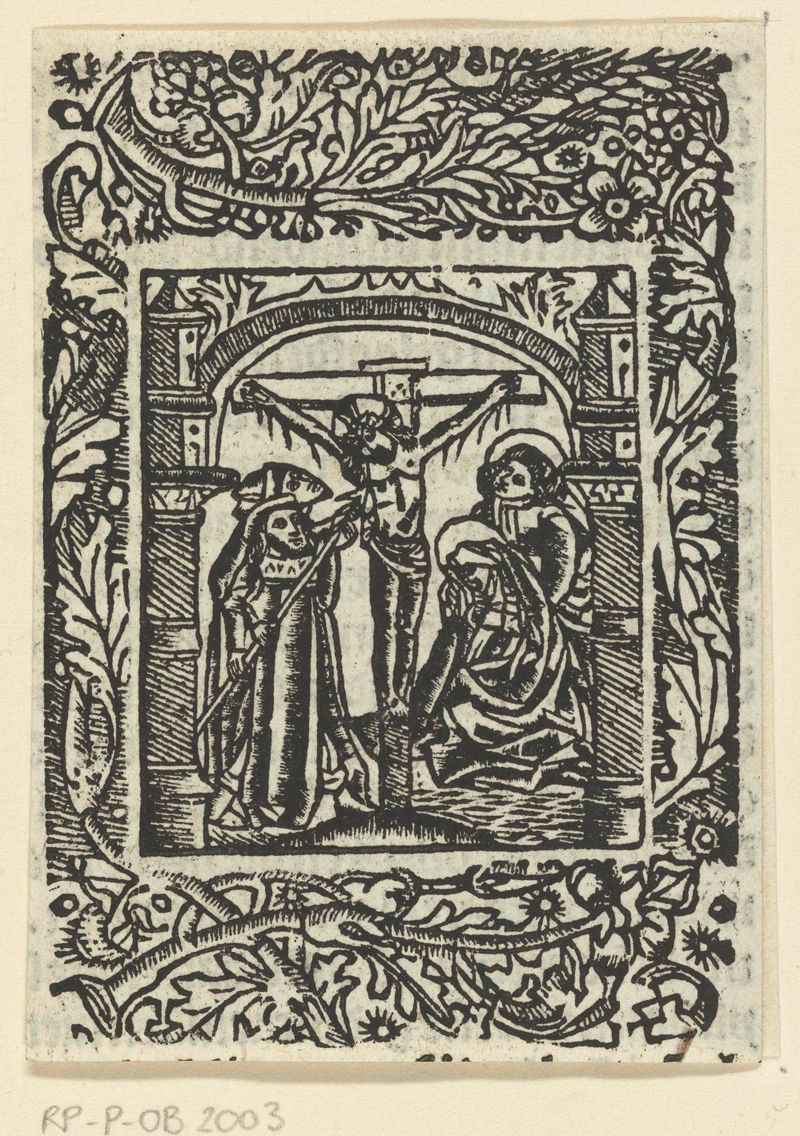
Christus aan het kruis
Meester van de Delbecq-Schreiber-Passie

Christus aan het kruis
Meester van de Delbecq-Schreiber-Passie

Christus wordt aan het kruis genageld
Meester van de Delbecq-Schreiber-Passie

De hemelvaart van Christus
Meester van de Delbecq-Schreiber-Passie

De maaltijd te Emmaüs
Meester van de Delbecq-Schreiber-Passie
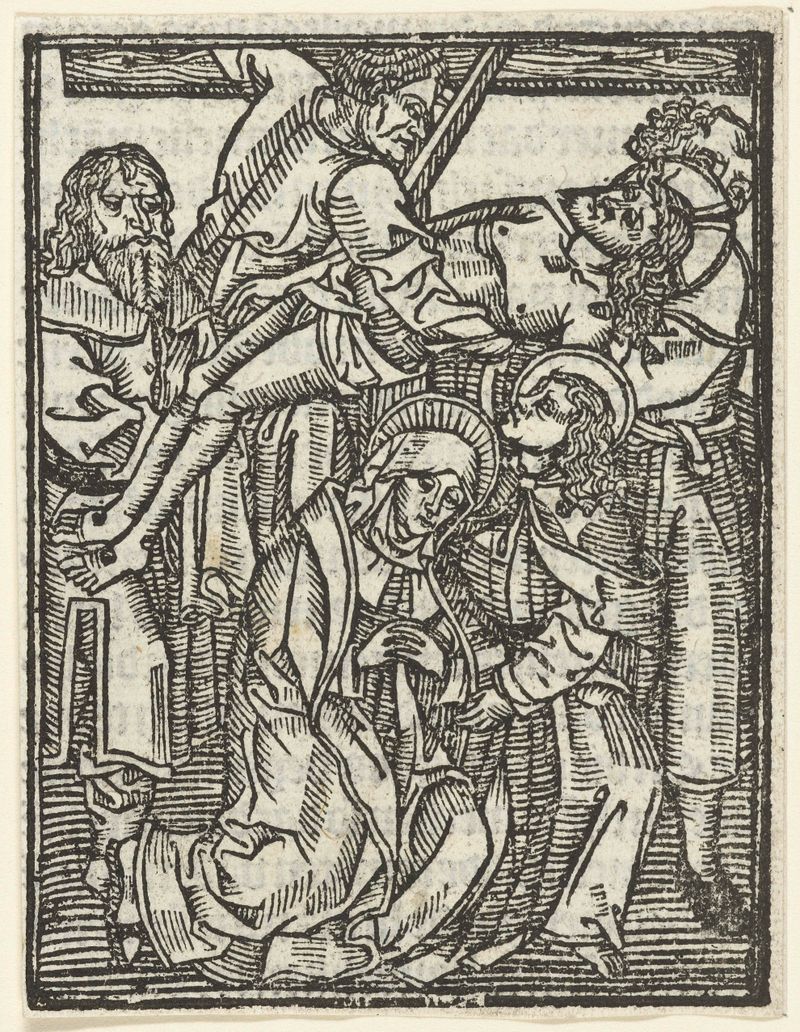
De kruisafname
Meester van de Delbecq-Schreiber-Passie
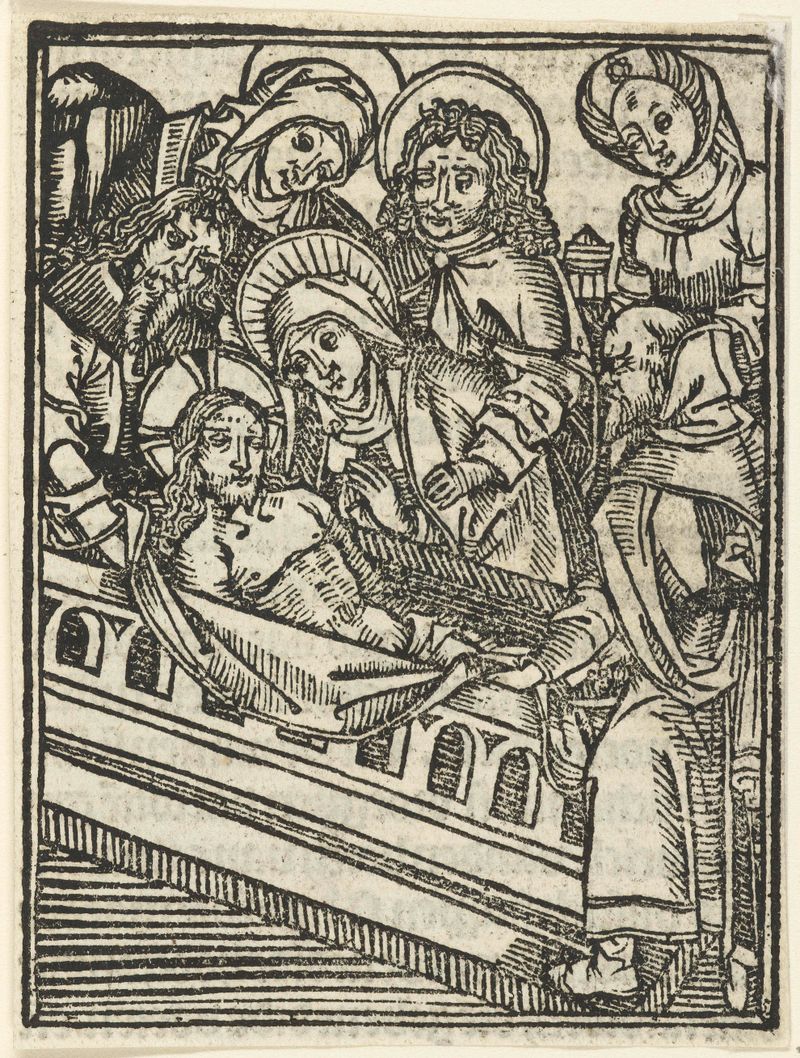
De graflegging
Meester van de Delbecq-Schreiber-Passie

Het Christuskind kastijdt zichzelf.
Meester van de Delbecq-Schreiber-Passie

Opstanding van Christus
Meester van de Delbecq-Schreiber-Passie
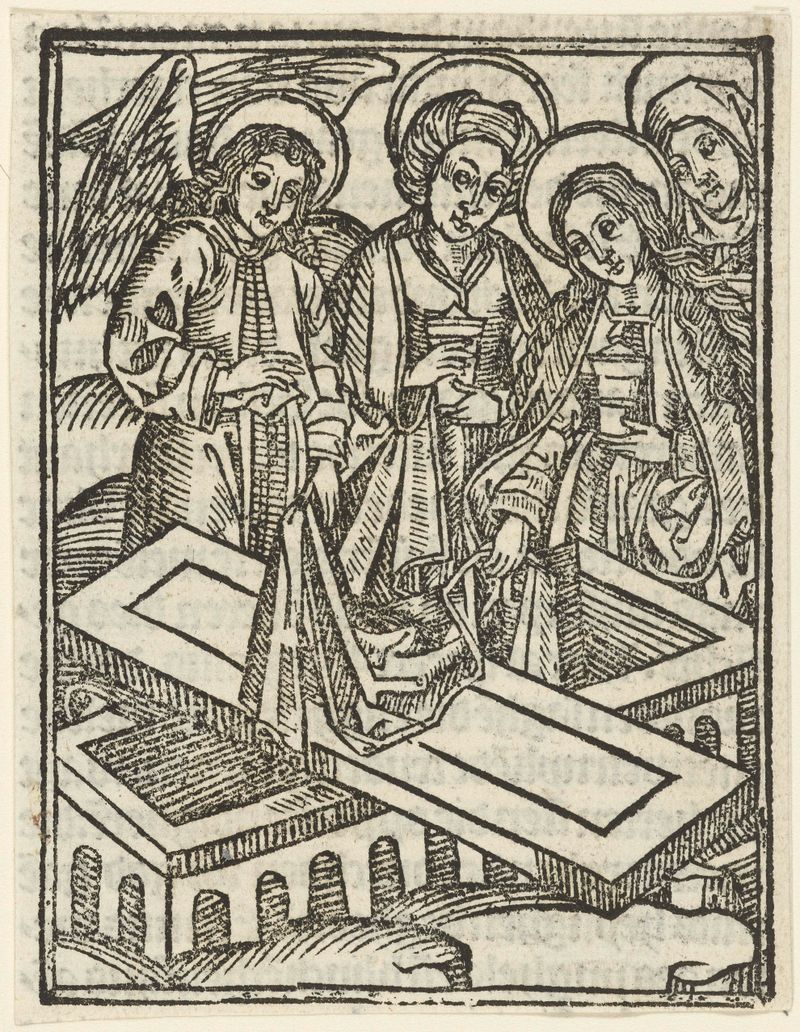
De vrouwen bij het graf
Meester van de Delbecq-Schreiber-Passie
More Religious Art
Browse all →
The Return of the Prodigal Son
Rembrandt van Rijn

The Garden of Earthly Delights
El Bosco

Count Orgaz’ funeral
El Greco

The Hundred Guilder Print: the central piece with Christ preaching, the plate arched
Rembrandt van Rijn

The Descent from the Cross
Rogier van der Weyden

The return of the prodigal son
Rembrandt van Rijn