
De hemelvaart van Christus — History & Facts
Can beauty exist without sorrow? The question lingers in the air as one gazes upon the delicate depiction of ascension captured in this masterpiece. It serves as a poignant reminder of life's transience, awakening the spirit to the profound nuances of joy intertwined with grief. Look to the center of the canvas, where the figure of Christ rises, surrounded by a swirling vortex of angels, each draped in ethereal robes that flutter like the petals of spring blooms. A gentle light emanates from Him, casting soft shadows that play across the faces of the onlookers below, their expressions a tapestry of awe and longing.
The warm hues of gold and soft pastels envelop the scene, lending an otherworldly quality that beckons the viewer to linger, immersing them in a moment suspended between the earthly and the divine. The interplay of light and shadow not only emphasizes the divine nature of the ascendant figure but also hints at the tension felt by those left behind. Each angel's gesture, from outstretched hands to bowed heads, tells a story of both reverence and sorrow. The meticulously detailed drapery of their garments reflects the struggle of acceptance, while the serene countenance of Christ embodies a hope that transcends despair.
This duality creates an emotional richness, echoing the complexity of faith itself. In 1503, the artist, associated with the Delbecq-Schreiber-Passie group, crafted this work during a time when the Renaissance was blossoming, bridging the gap between medieval traditions and humanist ideals. Deeply rooted in the spiritual currents of the era, the piece reflects the shifting tides of art towards more intimate expressions of faith and humanity, as the artist explored themes of divine ascension during a period marked by profound religious introspection.
More Artworks by Meester van de Delbecq-Schreiber-Passie
Browse all →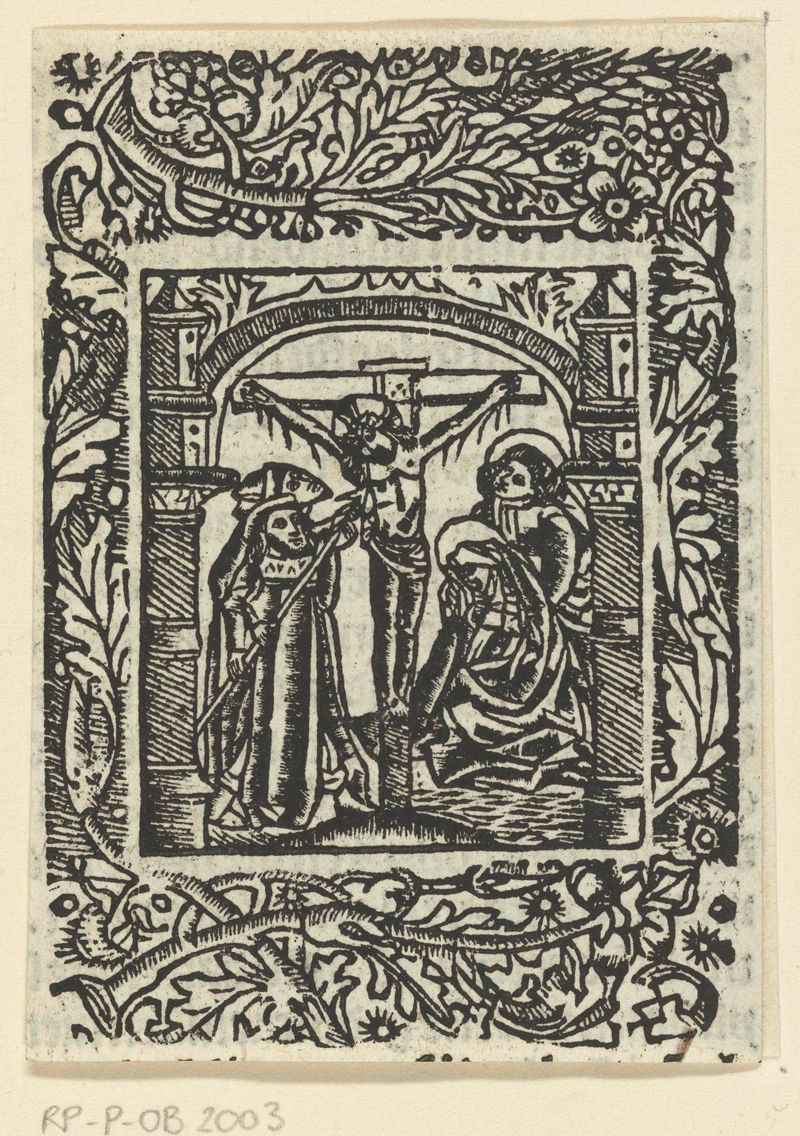
Christus aan het kruis
Meester van de Delbecq-Schreiber-Passie

Christus aan het kruis
Meester van de Delbecq-Schreiber-Passie

Christus wordt aan het kruis genageld
Meester van de Delbecq-Schreiber-Passie

De maaltijd te Emmaüs
Meester van de Delbecq-Schreiber-Passie
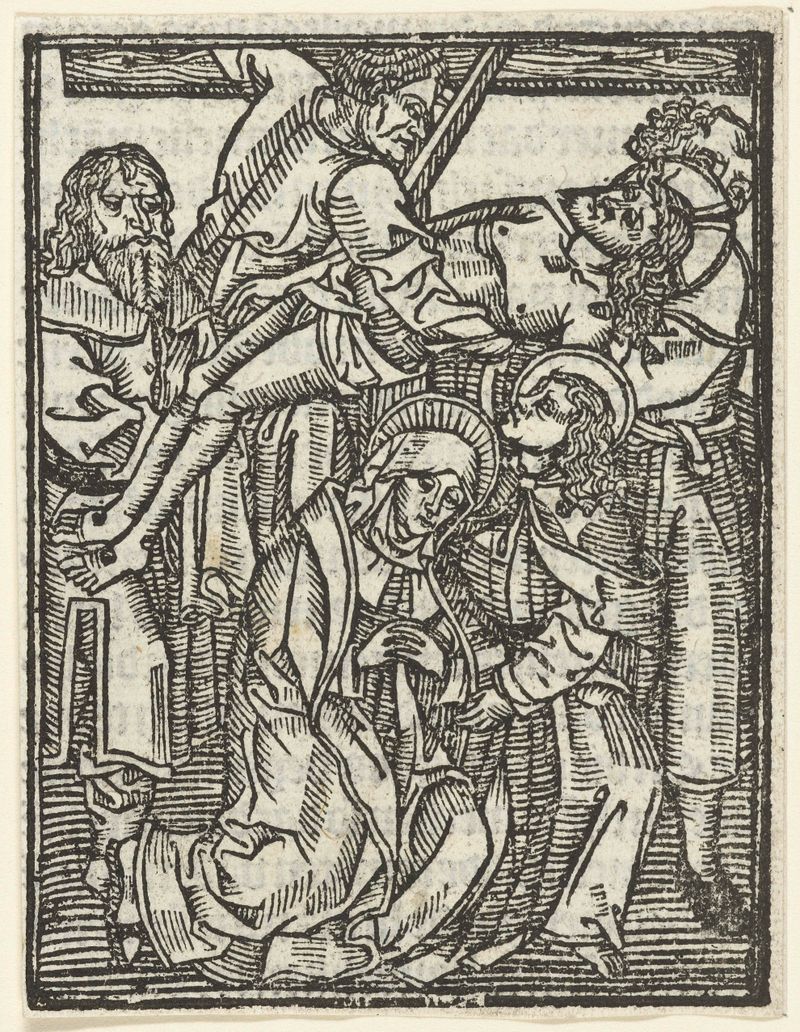
De kruisafname
Meester van de Delbecq-Schreiber-Passie
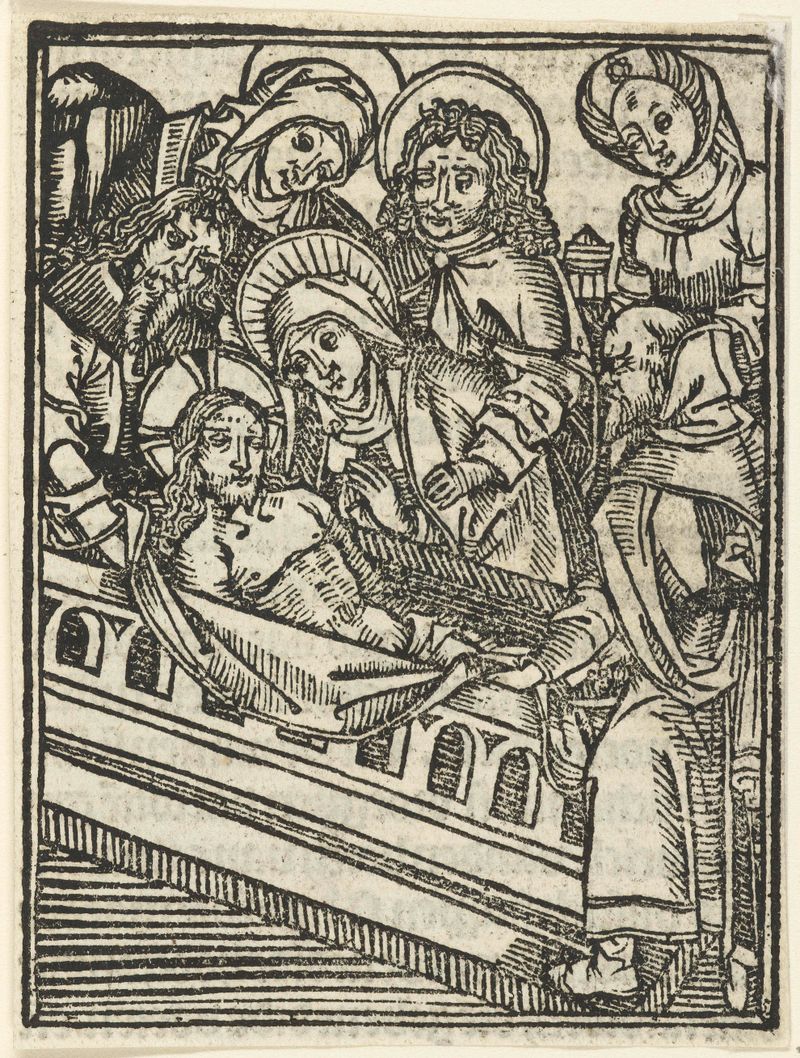
De graflegging
Meester van de Delbecq-Schreiber-Passie

Het Christuskind kastijdt zichzelf.
Meester van de Delbecq-Schreiber-Passie

Opstanding van Christus
Meester van de Delbecq-Schreiber-Passie
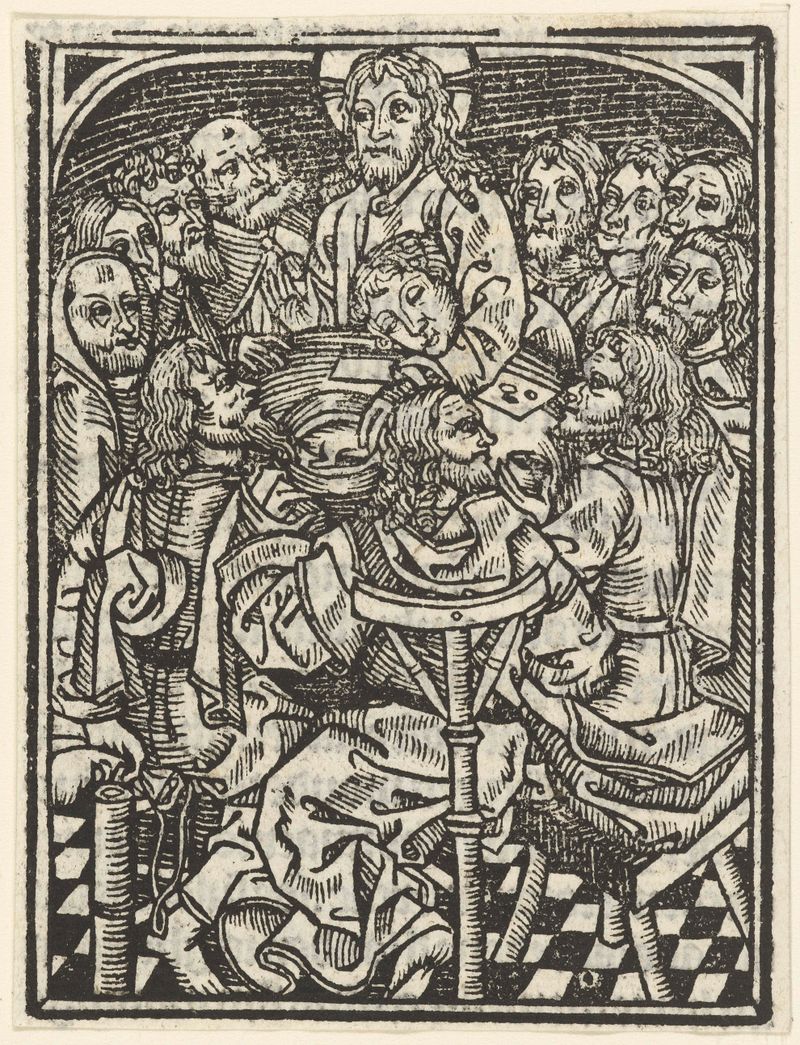
Het laatste avondmaal
Meester van de Delbecq-Schreiber-Passie
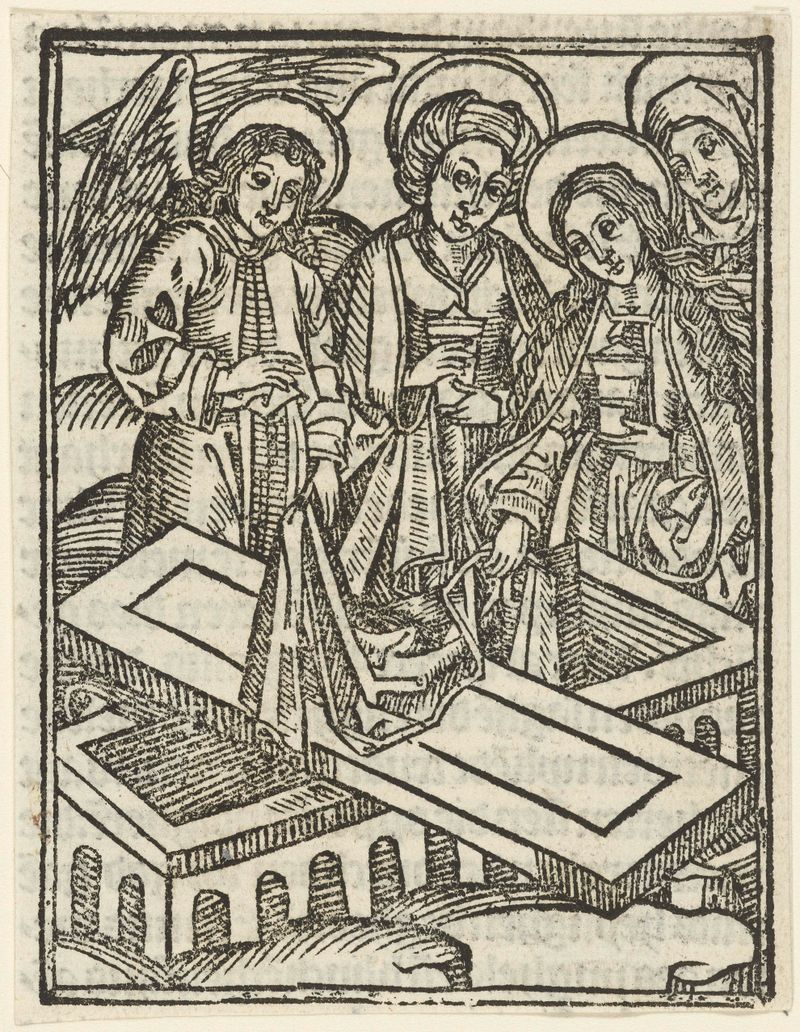
De vrouwen bij het graf
Meester van de Delbecq-Schreiber-Passie
More Religious Art
Browse all →
The Return of the Prodigal Son
Rembrandt van Rijn

The Garden of Earthly Delights
El Bosco

Count Orgaz’ funeral
El Greco

The Hundred Guilder Print: the central piece with Christ preaching, the plate arched
Rembrandt van Rijn

The Descent from the Cross
Rogier van der Weyden

The return of the prodigal son
Rembrandt van Rijn