
De vrouwen bij het graf — History & Facts
Is this a mirror — or a memory? In the delicate interplay of light and shadow, hope flickers like a candle in the depths of sorrow. Look to the center of the composition, where a group of women huddles around a tomb, their expressions etched with an unyielding mix of grief and anticipation. The artist’s meticulous attention to detail brings the scene to life; the flowing garments of the mourners, rendered in muted hues, contrast sharply with the stark white of the tombstone. Notice how the soft light illuminates their faces, each one a vessel of emotion, reflecting myriad shades of loss yet suggesting an undercurrent of resilience. Beneath the surface, this work reveals a profound tension between despair and aspiration.
The positioning of the figures creates a dynamic triangle, emphasizing the bond they share in this moment of mourning, while their gazes upward hint at an unspoken hope — perhaps for resurrection or solace. The flowers at their feet, vibrant against the somber palette, serve as a poignant reminder that even in grief, life persists. Each petal seems to whisper the promise of renewal and the cyclical nature of existence. The piece was created in 1503 by an artist associated with the Northern Renaissance, a period marked by intricate detail and profound emotional depth.
During this time, the artist navigated a world transitioning from medieval to early modern ideologies, influenced by humanism and burgeoning religious reform. The work encapsulates the spirit of an era grappling with faith and the human condition, inviting viewers to contemplate the fragile balance between loss and hope.
More Artworks by Meester van de Delbecq-Schreiber-Passie
Browse all →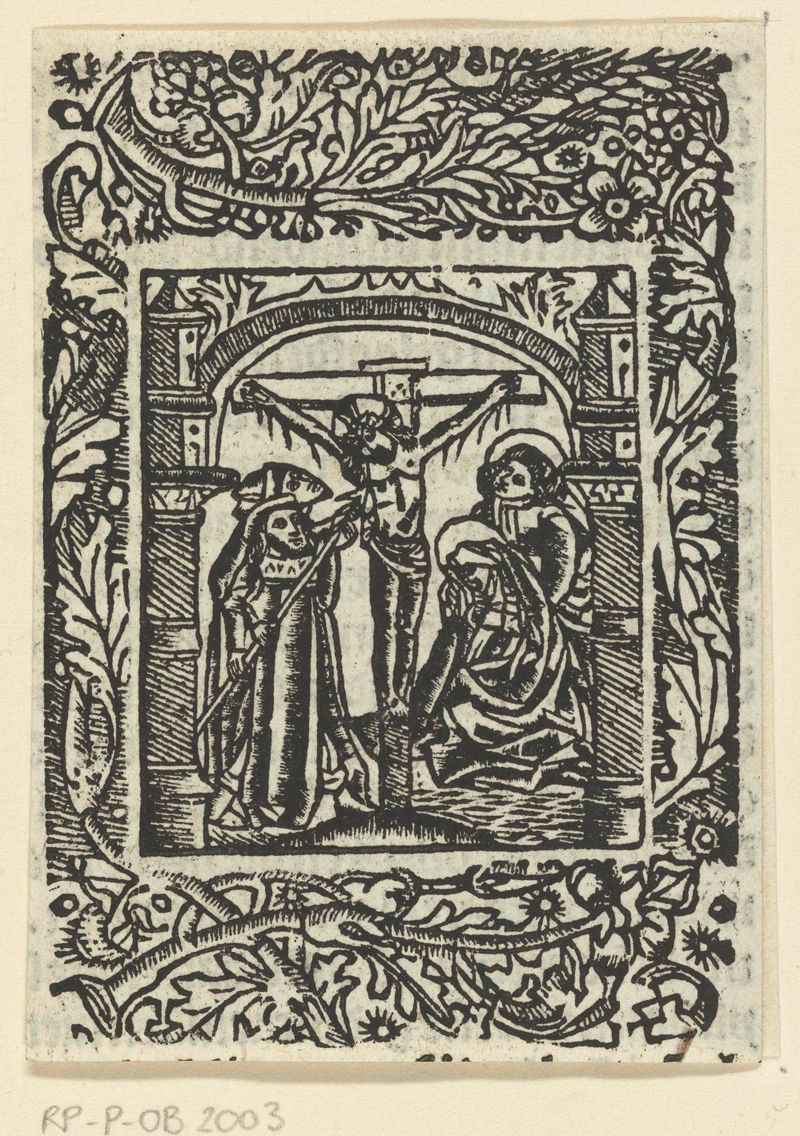
Christus aan het kruis
Meester van de Delbecq-Schreiber-Passie

Christus aan het kruis
Meester van de Delbecq-Schreiber-Passie

Christus wordt aan het kruis genageld
Meester van de Delbecq-Schreiber-Passie

De hemelvaart van Christus
Meester van de Delbecq-Schreiber-Passie

De maaltijd te Emmaüs
Meester van de Delbecq-Schreiber-Passie
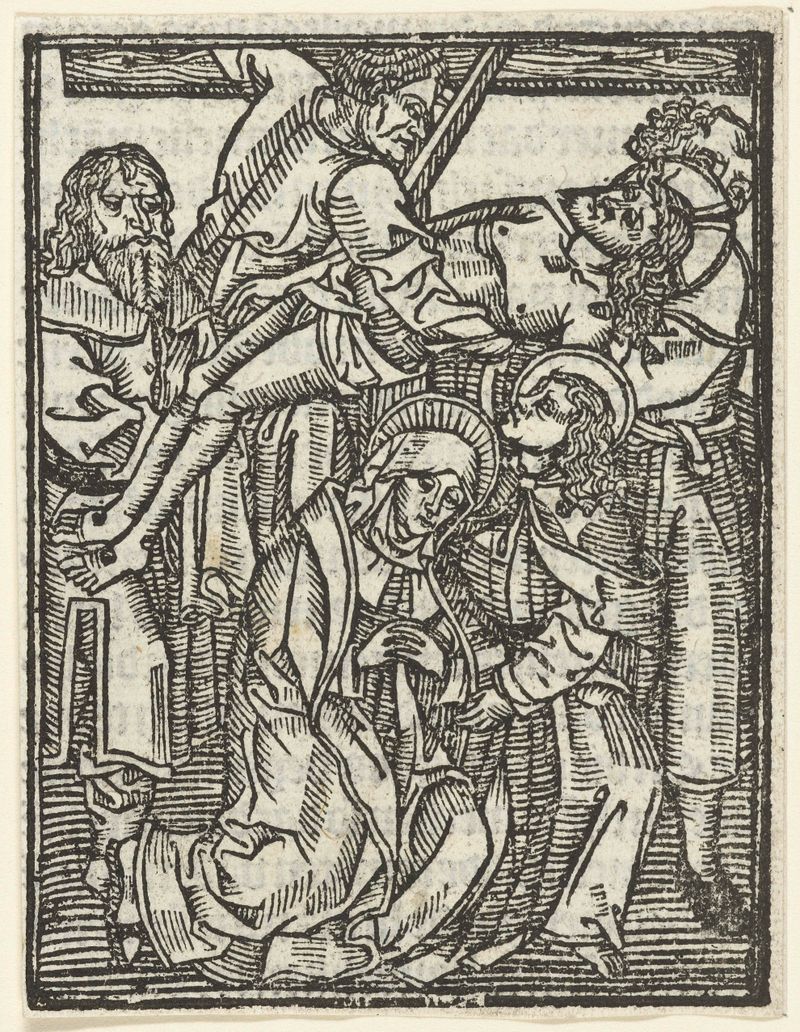
De kruisafname
Meester van de Delbecq-Schreiber-Passie
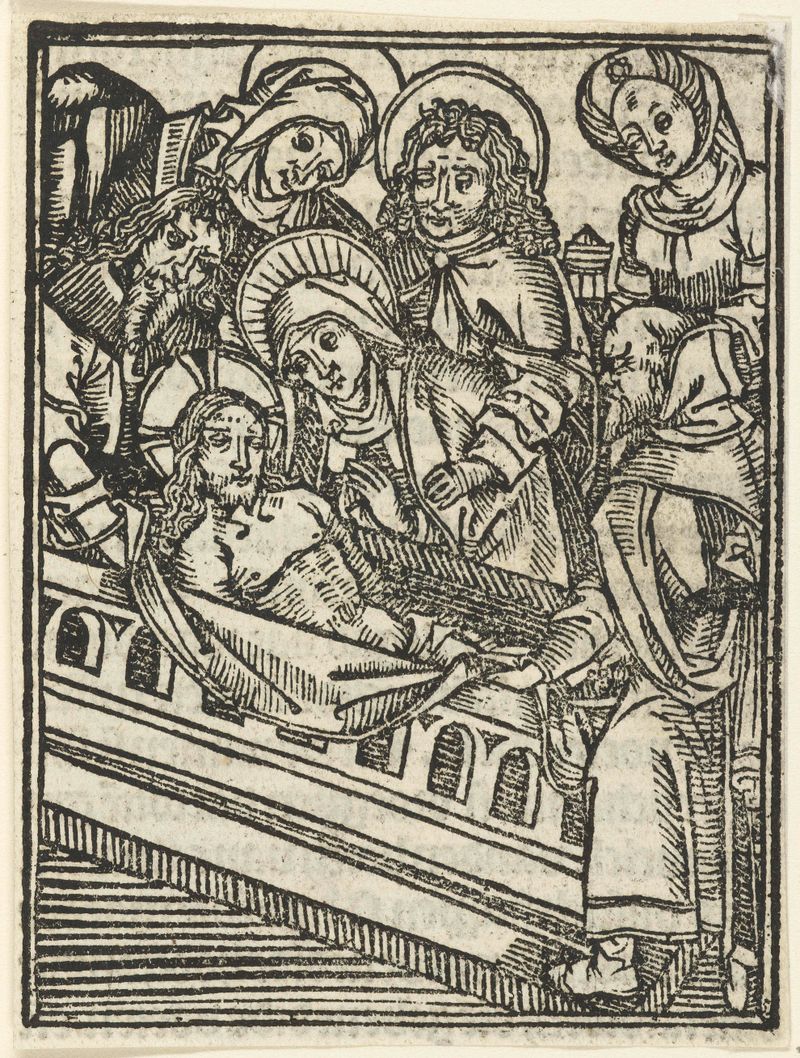
De graflegging
Meester van de Delbecq-Schreiber-Passie

Het Christuskind kastijdt zichzelf.
Meester van de Delbecq-Schreiber-Passie

Opstanding van Christus
Meester van de Delbecq-Schreiber-Passie
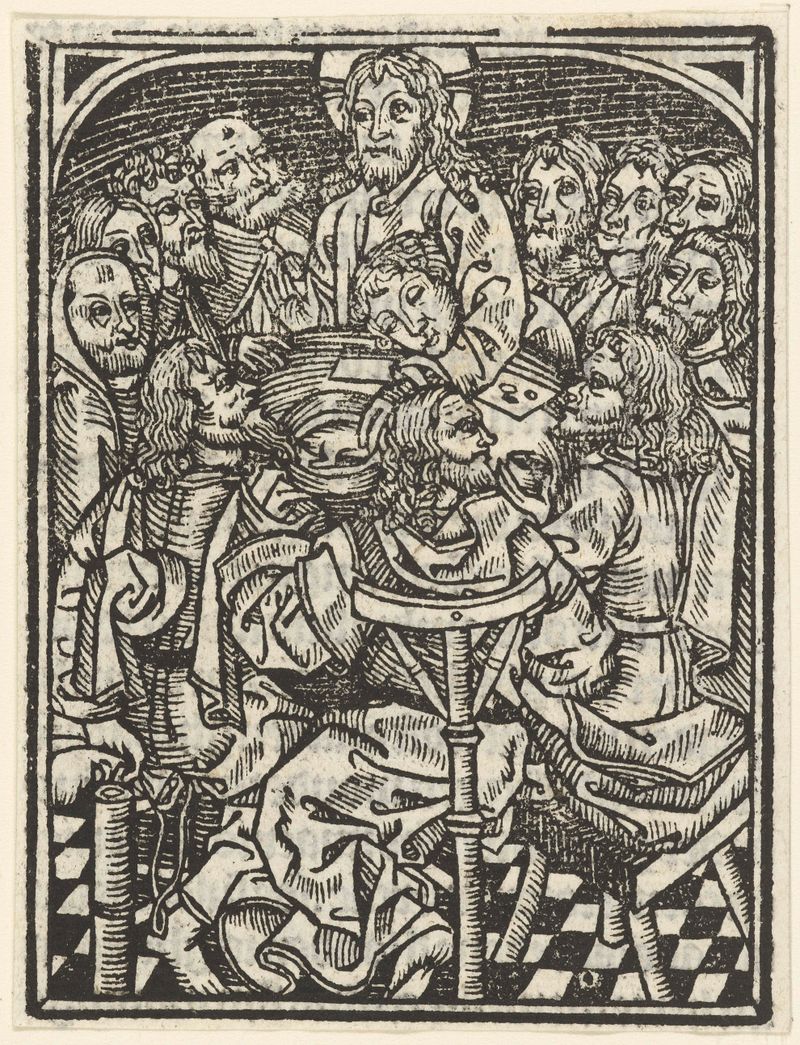
Het laatste avondmaal
Meester van de Delbecq-Schreiber-Passie
More Religious Art
Browse all →
The Return of the Prodigal Son
Rembrandt van Rijn

The Garden of Earthly Delights
El Bosco

Count Orgaz’ funeral
El Greco

The Hundred Guilder Print: the central piece with Christ preaching, the plate arched
Rembrandt van Rijn

The Descent from the Cross
Rogier van der Weyden

The return of the prodigal son
Rembrandt van Rijn