
Christus aan het kruis — History & Facts
In this poignant work, melancholy cloaks the viewer, revealing a profound depth of suffering intertwined with transcendent grace. Focus on the central figure of Christ, suspended between heaven and earth, his face etched with a serene acceptance of his fate. The harsh light falls dramatically on his body, illuminating the contours of his sacrifice while casting long shadows that stretch across the canvas. Look closely at the intricate details of the cross, adorned with subtle textures, and the rich palette of deep reds and muted earth tones that evoke both pain and reverence. The contrasting elements of strength and fragility embrace the viewer—notice how the lifeless hand hangs limply while the other remains poised in an echo of blessing.
The somber expressions of the figures at the foot of the cross encapsulate a shared sorrow that transcends time, their grief speaking to the universal human experience. Each element, from the rich fabric of their garments to the serene landscape in the background, offers layers of meaning, inviting contemplation of the profound sacrifice depicted before us. Created in 1521, this work emerged during a period of significant religious upheaval and artistic innovation in the Netherlands. Lucas van Leyden, a leading figure of the Northern Renaissance, exhibited a sophisticated understanding of human emotion, influenced by both his contemporaries and the growing tension surrounding the Reformation.
His careful craftsmanship in Christus aan het kruis reflects not only a personal exploration of faith but also a broader cultural dialogue about suffering and redemption.
More Artworks by Lucas van Leyden
Browse all →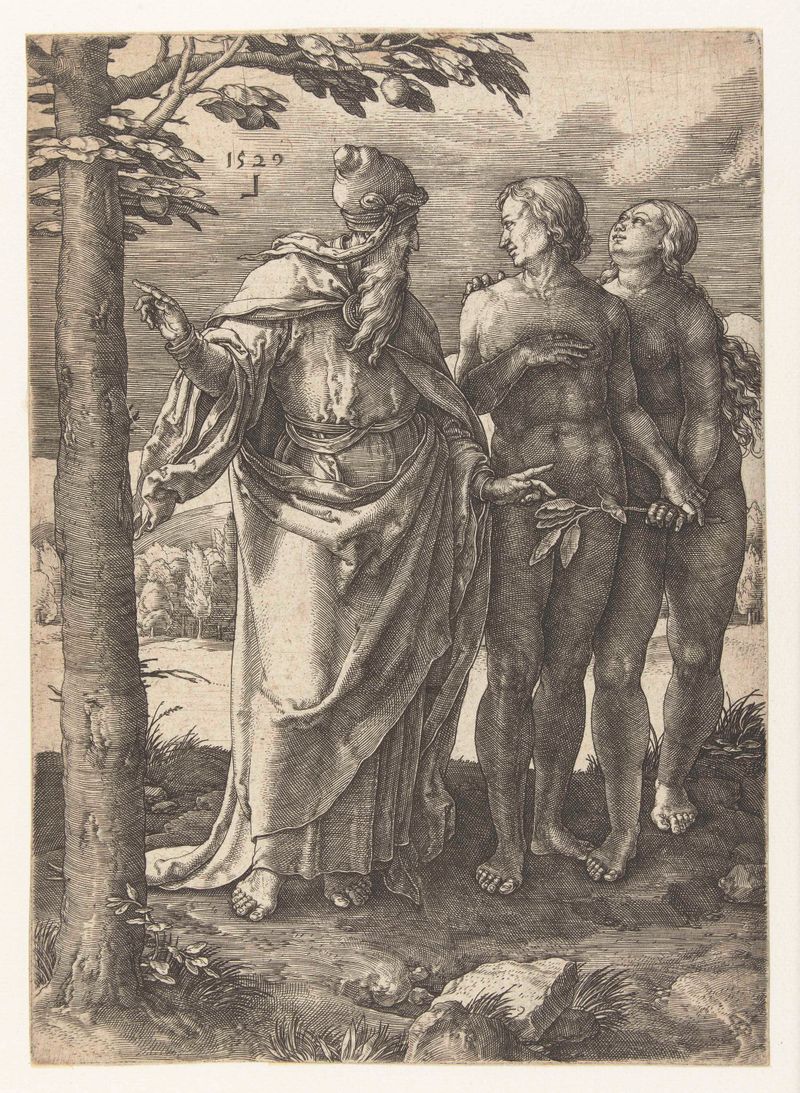
Het eerste verbod
Lucas van Leyden
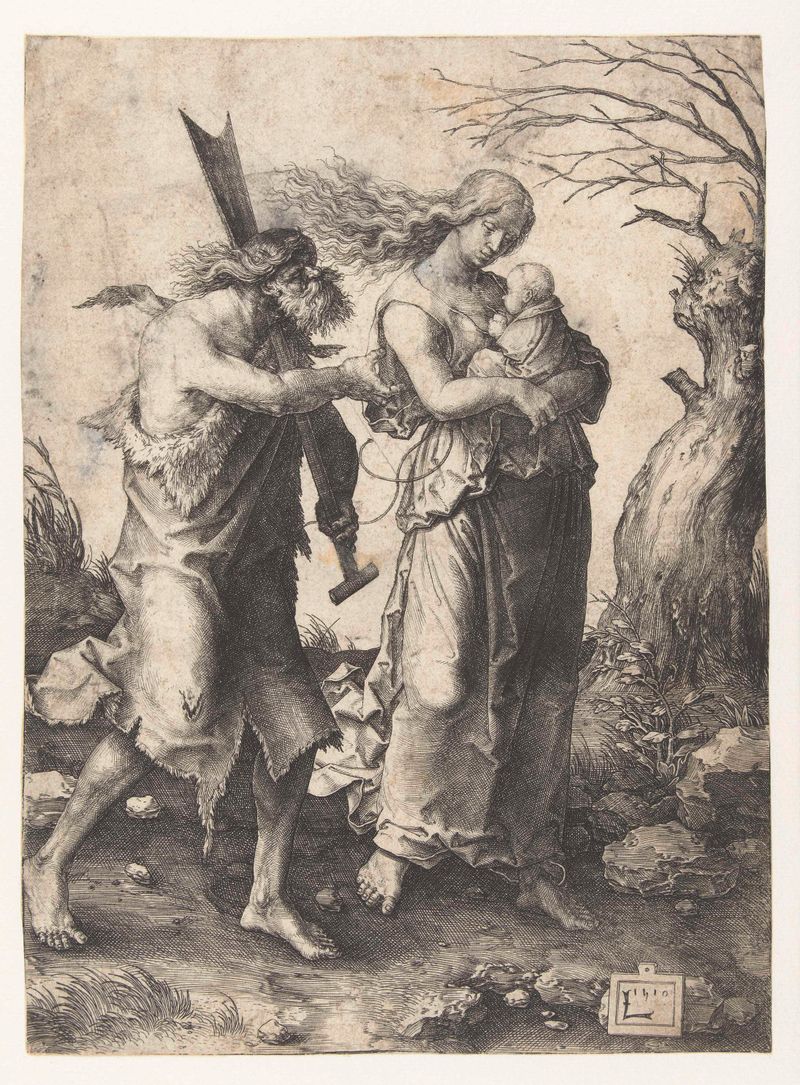
Adam en Eva na de verdrijving uit het paradijs
Lucas van Leyden
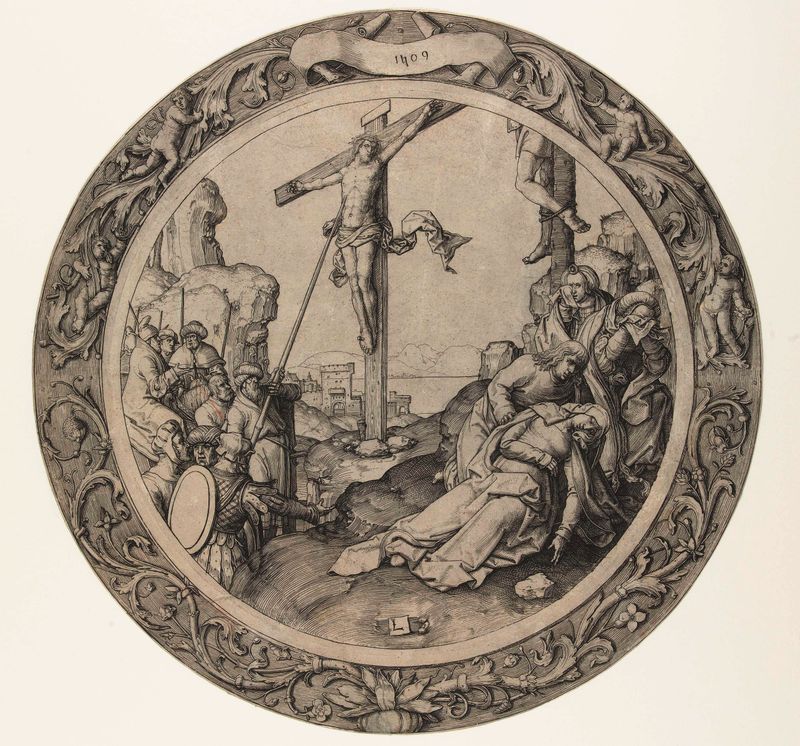
De kruisiging
Lucas van Leyden
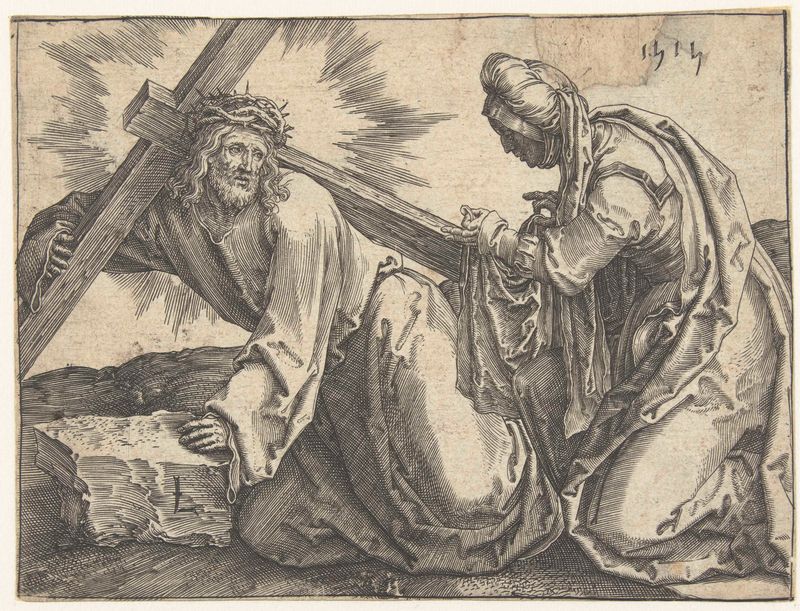
Kruisdraging
Lucas van Leyden
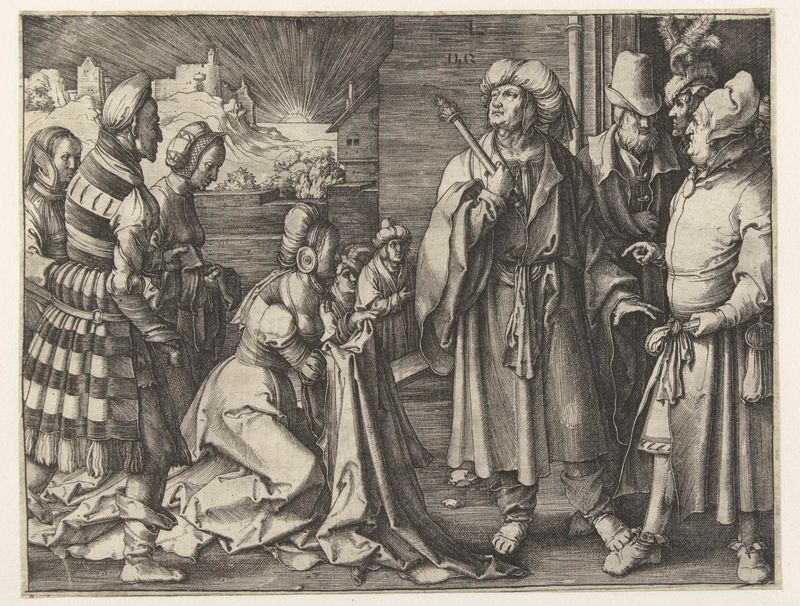
De vrouw van Potifar beschuldigt Jozef
Lucas van Leyden
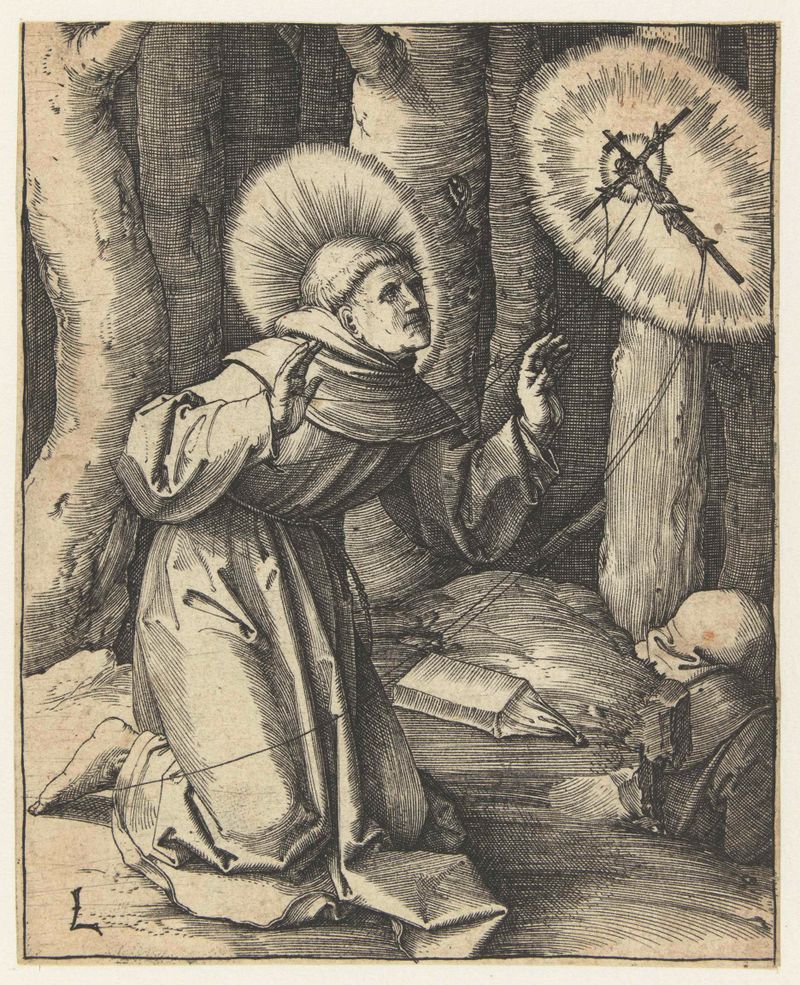
De stigmatisatie van de heilige Franciscus
Lucas van Leyden
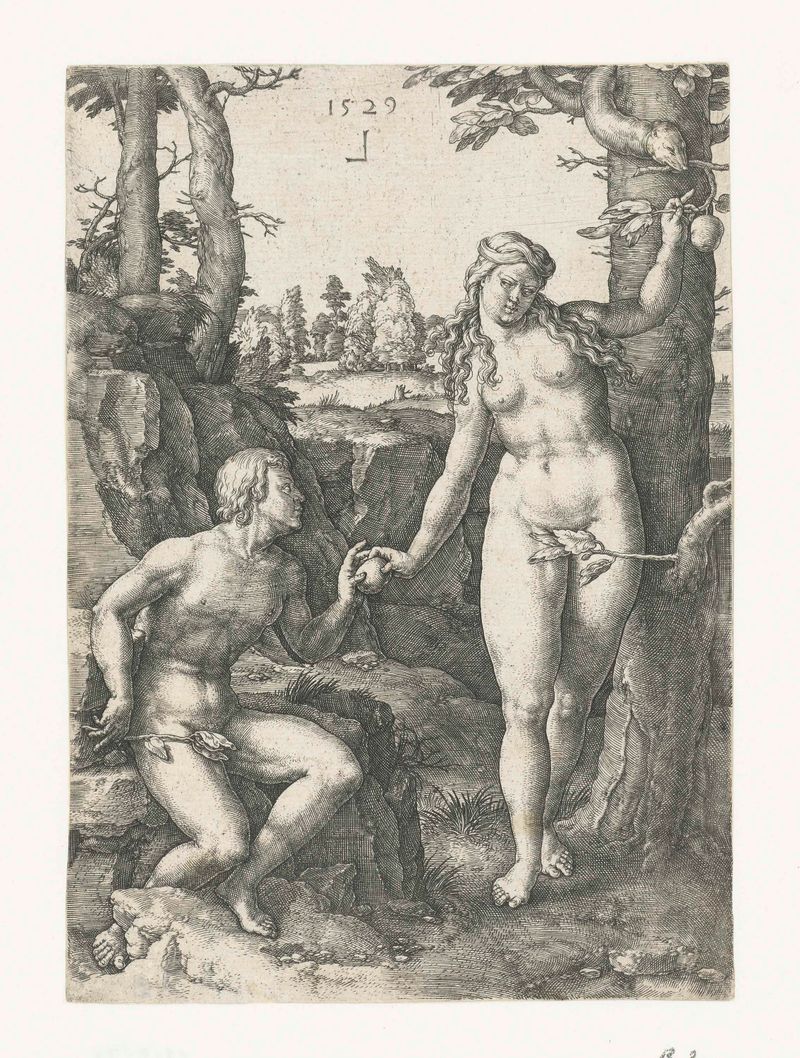
De zondeval
Lucas van Leyden
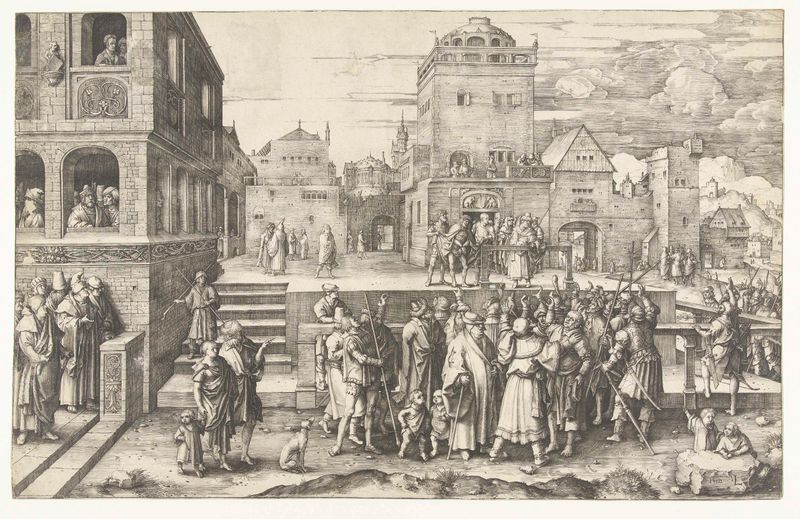
De grote Ecce Homo
Lucas van Leyden
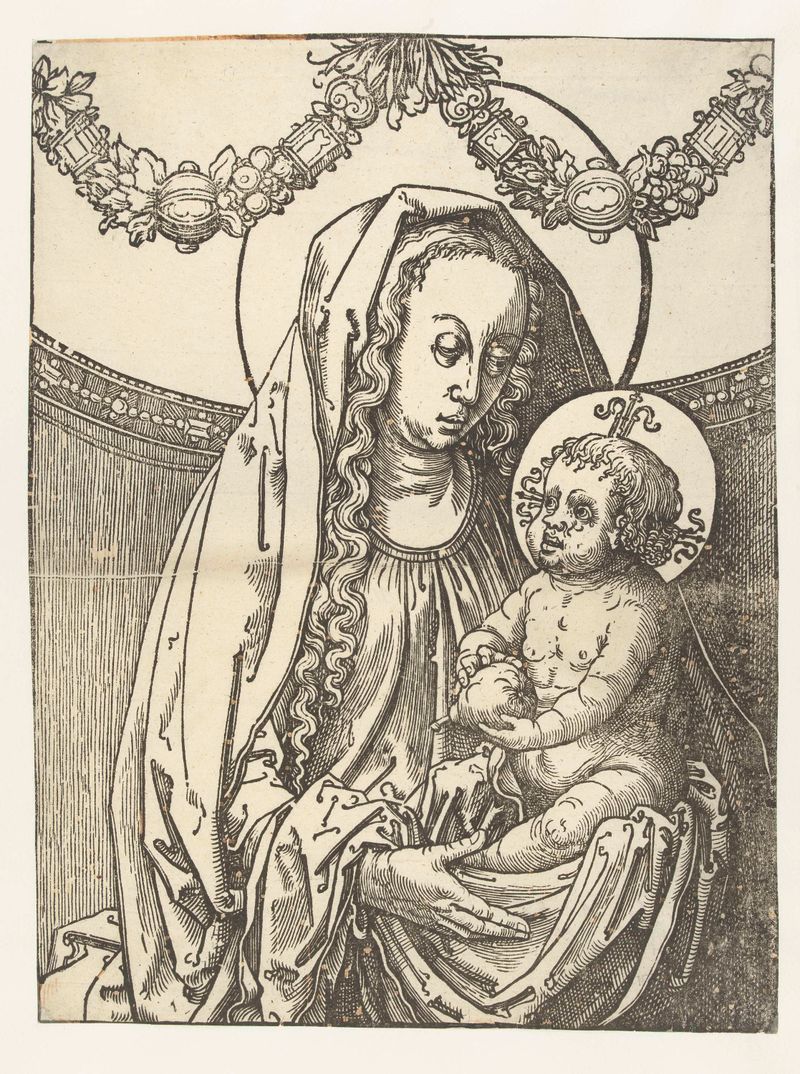
Maria met kind
Lucas van Leyden

Doornenkroning
Lucas van Leyden
More Religious Art
Browse all →
The Return of the Prodigal Son
Rembrandt van Rijn

The Garden of Earthly Delights
El Bosco

Count Orgaz’ funeral
El Greco

The Hundred Guilder Print: the central piece with Christ preaching, the plate arched
Rembrandt van Rijn

The Descent from the Cross
Rogier van der Weyden

The return of the prodigal son
Rembrandt van Rijn