
Christus aan het kruis — History & Facts
Can paint confess what words never could? In Christus aan het kruis, a poignant testament to sacrifice and transcendence, the canvas resonates with the heavy silence of a moment caught between suffering and redemption. Look to the central figure of Christ, suspended in anguish, a stark contrast against the muted palette that envelops him. His body, taut and illuminated, draws the eye with an ethereal glow, while the somber hues of the background amplify the emotional weight of the scene. The meticulous detailing of the wounds and the intensity of his gaze evoke a visceral response, inviting contemplation on the nature of pain and devotion.
Notice how the horizontal lines of the cross stretch across the canvas, both grounding and confining him, a symbol of the tension between earthly existence and divine elevation. Delve deeper into the interplay of light and shadow, where each fold of fabric and contour of skin speaks of vulnerability and resilience. The expressions of the surrounding figures, some in mourning, others in silent awe, reflect the varied responses to sacrifice, revealing the complex human emotions tied to faith and loss. Each element in the composition is a deliberate choice, leading to contrasts that resonate with the viewer: hope amidst despair, strength in fragility. Lucas van Leyden created this masterpiece in 1516, during a period marked by both personal struggles and significant shifts in the art world.
The early Renaissance was a time of great experimentation, and the artist was influenced by the emerging humanist ideals that sought to bridge the spiritual and the earthly. This artwork represents not just a devotional piece but a revolutionary exploration of the human condition within the context of faith.
More Artworks by Lucas van Leyden
Browse all →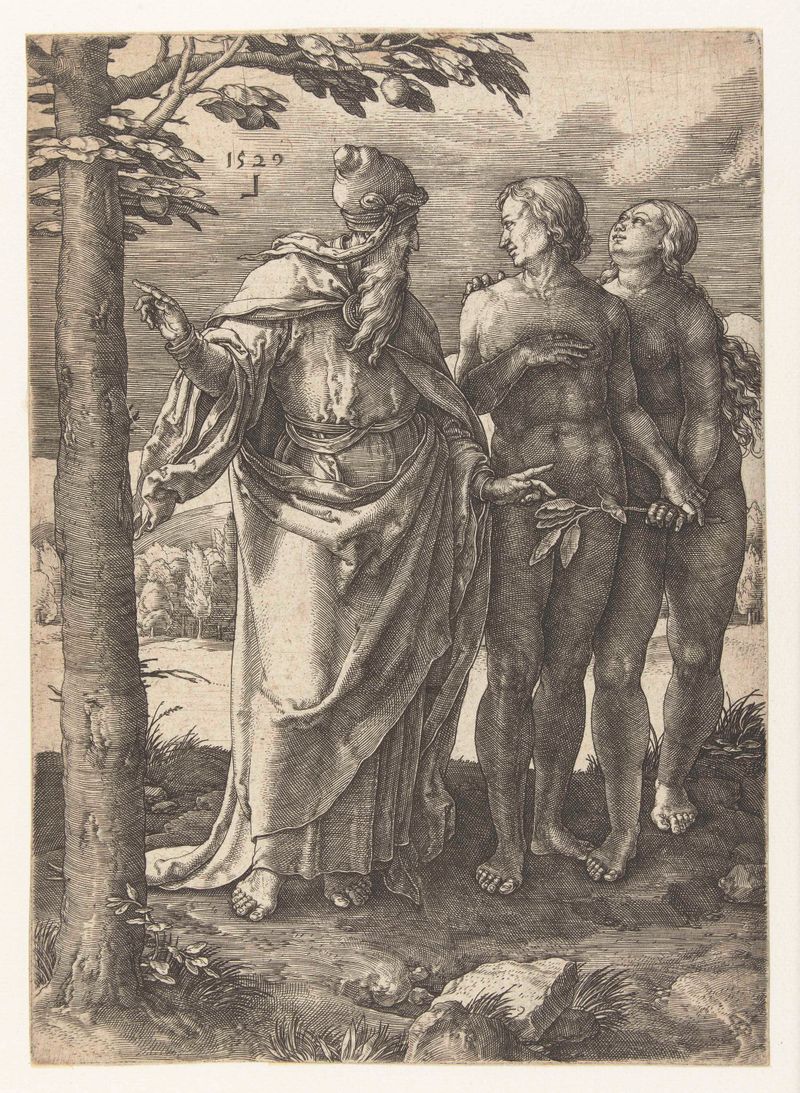
Het eerste verbod
Lucas van Leyden
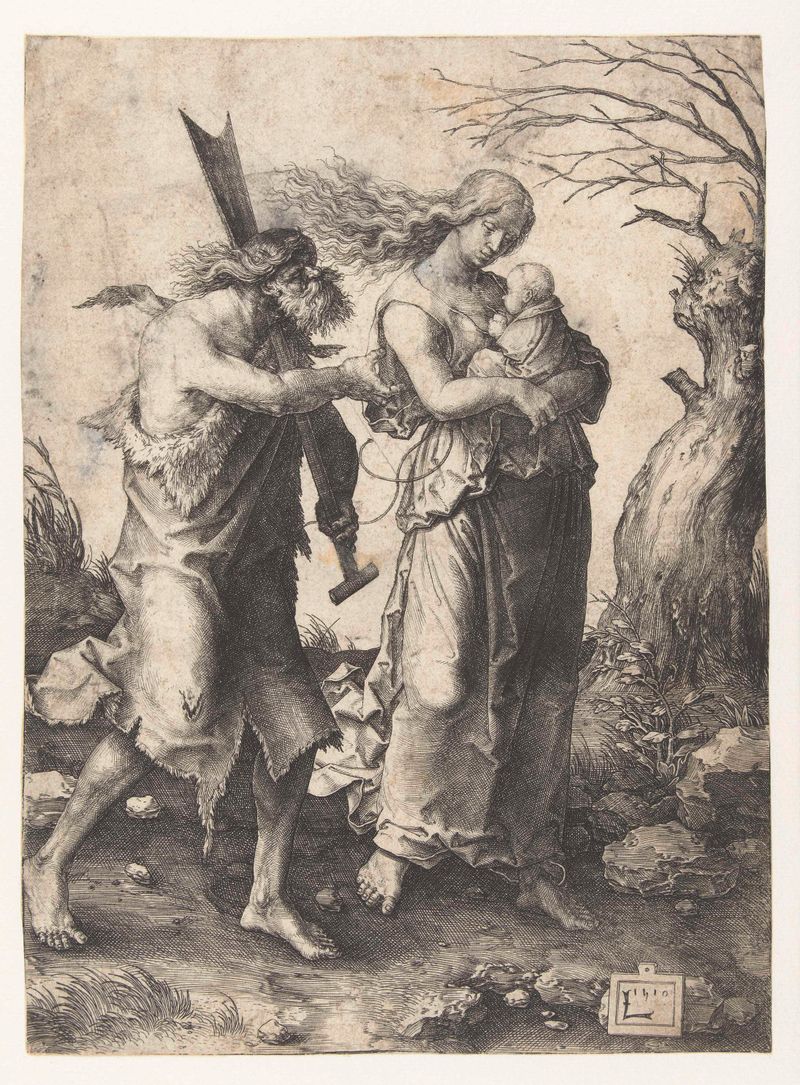
Adam en Eva na de verdrijving uit het paradijs
Lucas van Leyden
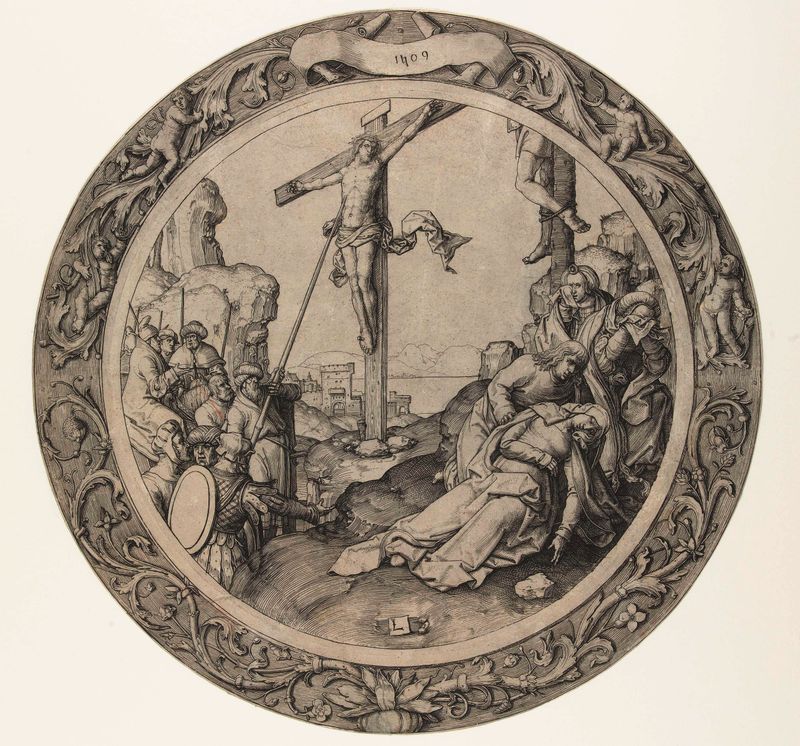
De kruisiging
Lucas van Leyden
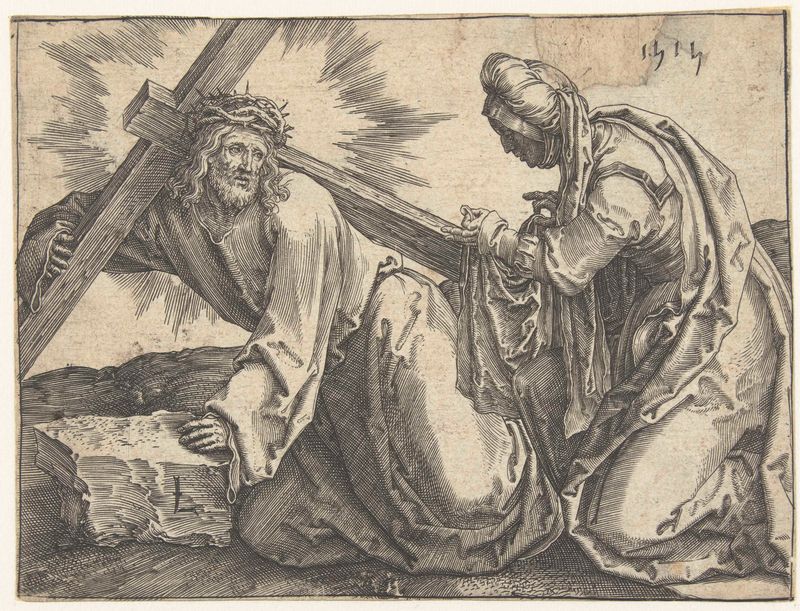
Kruisdraging
Lucas van Leyden
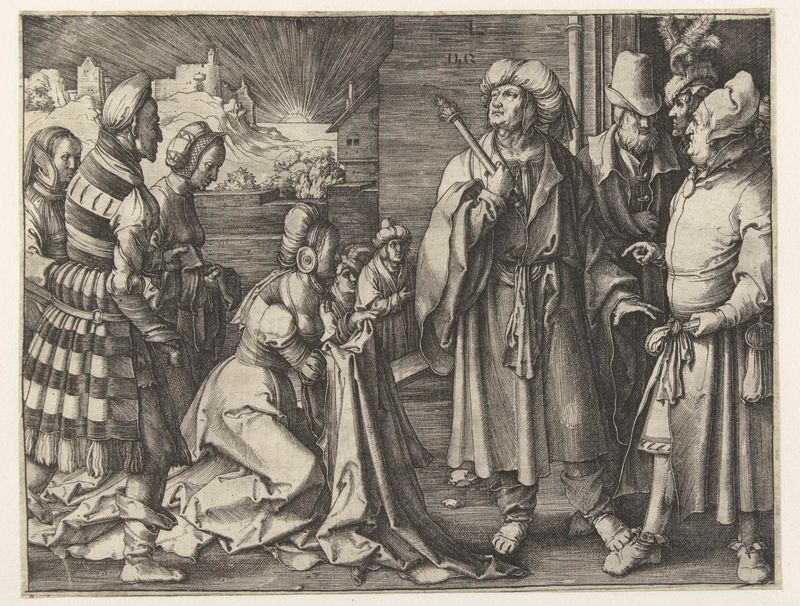
De vrouw van Potifar beschuldigt Jozef
Lucas van Leyden
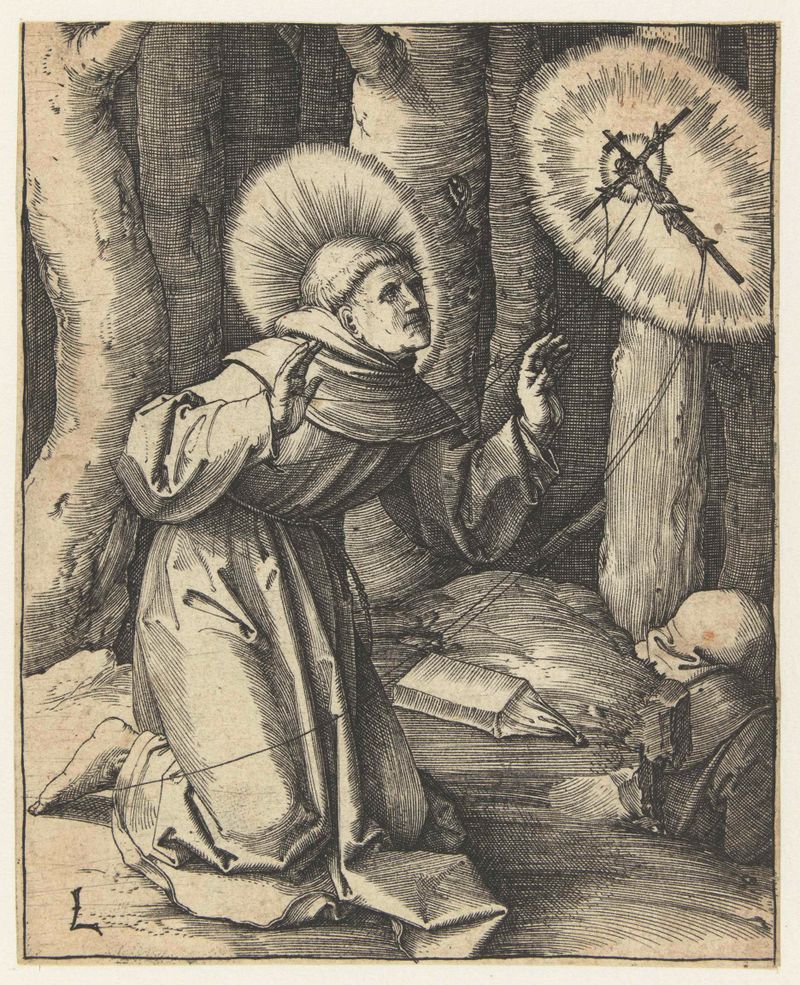
De stigmatisatie van de heilige Franciscus
Lucas van Leyden
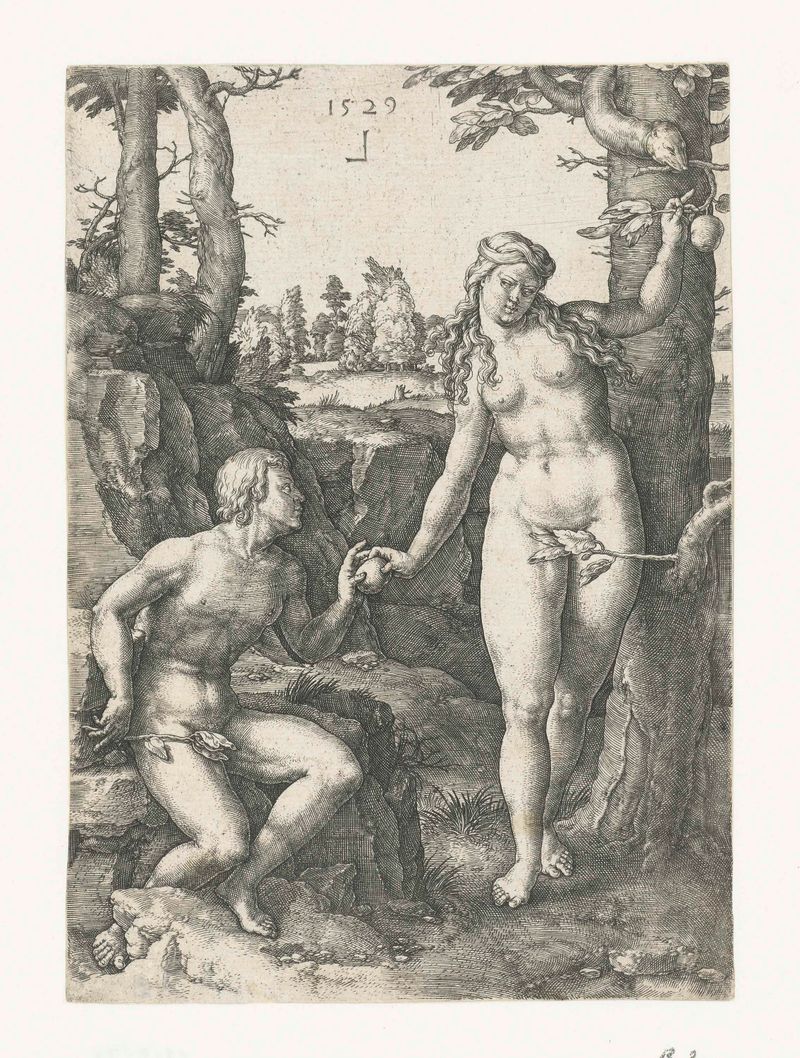
De zondeval
Lucas van Leyden
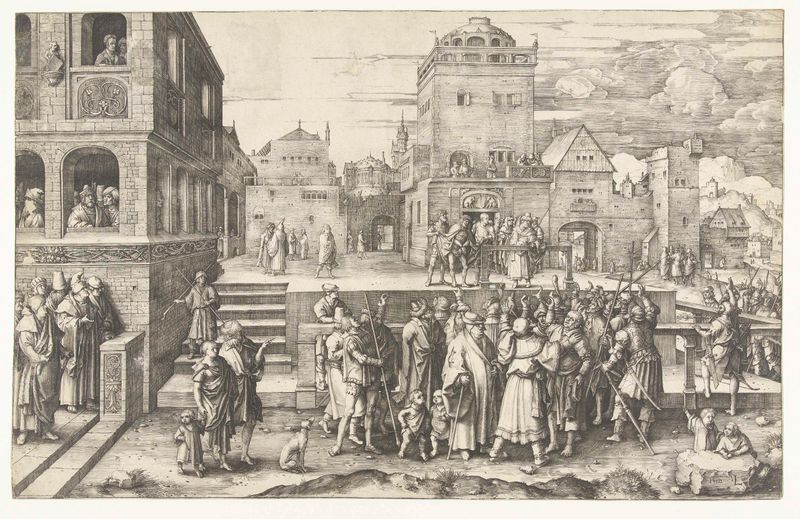
De grote Ecce Homo
Lucas van Leyden
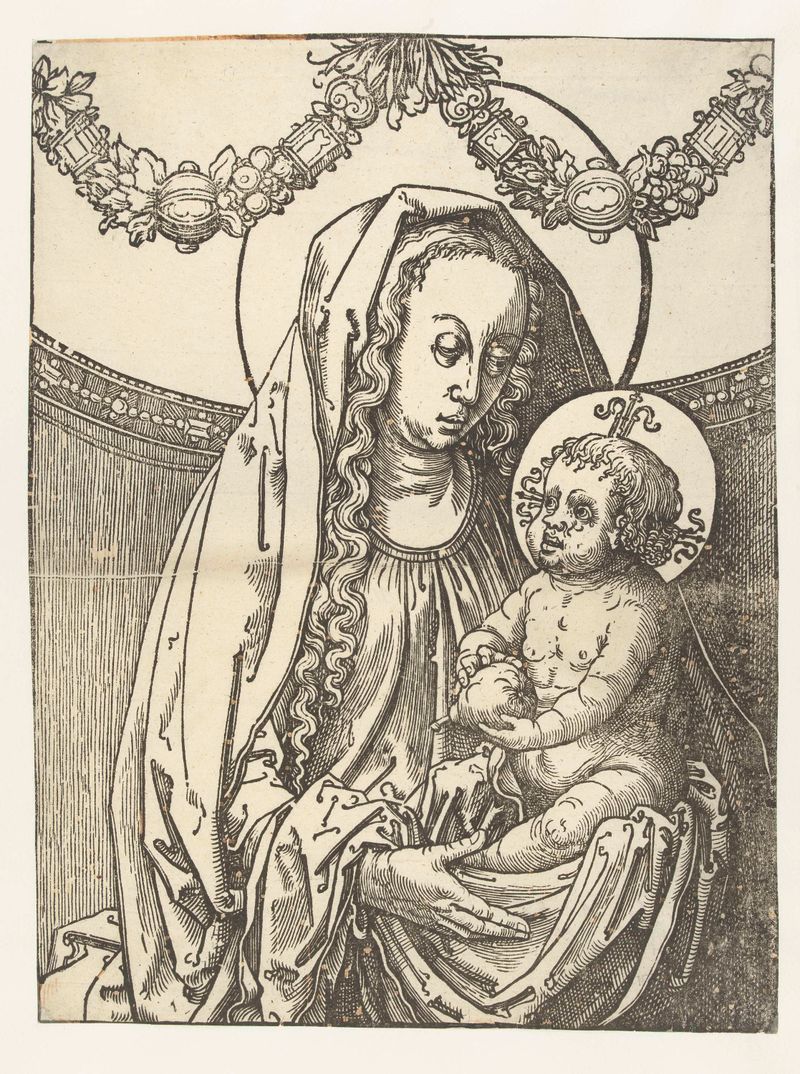
Maria met kind
Lucas van Leyden

Doornenkroning
Lucas van Leyden
More Religious Art
Browse all →
The Return of the Prodigal Son
Rembrandt van Rijn

The Garden of Earthly Delights
El Bosco

Count Orgaz’ funeral
El Greco

The Hundred Guilder Print: the central piece with Christ preaching, the plate arched
Rembrandt van Rijn

The Descent from the Cross
Rogier van der Weyden

The return of the prodigal son
Rembrandt van Rijn