
Christus aan het kruis — History & Facts
When did color learn to lie? This question resonates deeply as we contemplate the intricate layers of the human experience captured within the canvas. Focus first on the figure at the center, the crucified Christ, whose pale skin starkly contrasts with the deep, shadowy background. The artist employs a rich, varied palette, drawing the eye to the delicate play of light and shadow that highlights the raw emotion etched upon Christ's face. The use of gesture is compelling as the outstretched arms not only signify suffering but also invite us into a moment of profound contemplation. Within the details, traces of creation emerge—notice the finely rendered thorns of the crown and the subtle interplay of textures in the fabric of Christ's garment.
These elements not only amplify the anguish of his sacrifice but also evoke a sense of human fragility. The juxtaposition of the serene expression against the harshness of the crucifixion serves as a haunting reminder of both divinity and vulnerability, weaving a narrative that speaks to the depths of faith and despair. In 1540, Lucas van Leyden painted this work amid a period of religious turmoil in Europe. Influenced by the Renaissance and the growing emphasis on humanism, he sought to explore complex themes of spirituality and mortality.
During this time, the artist was navigating the transition between medieval traditions and the burgeoning new approaches of the Reformation, a context that enriched his creative exploration.
More Artworks by Lucas van Leyden
Browse all →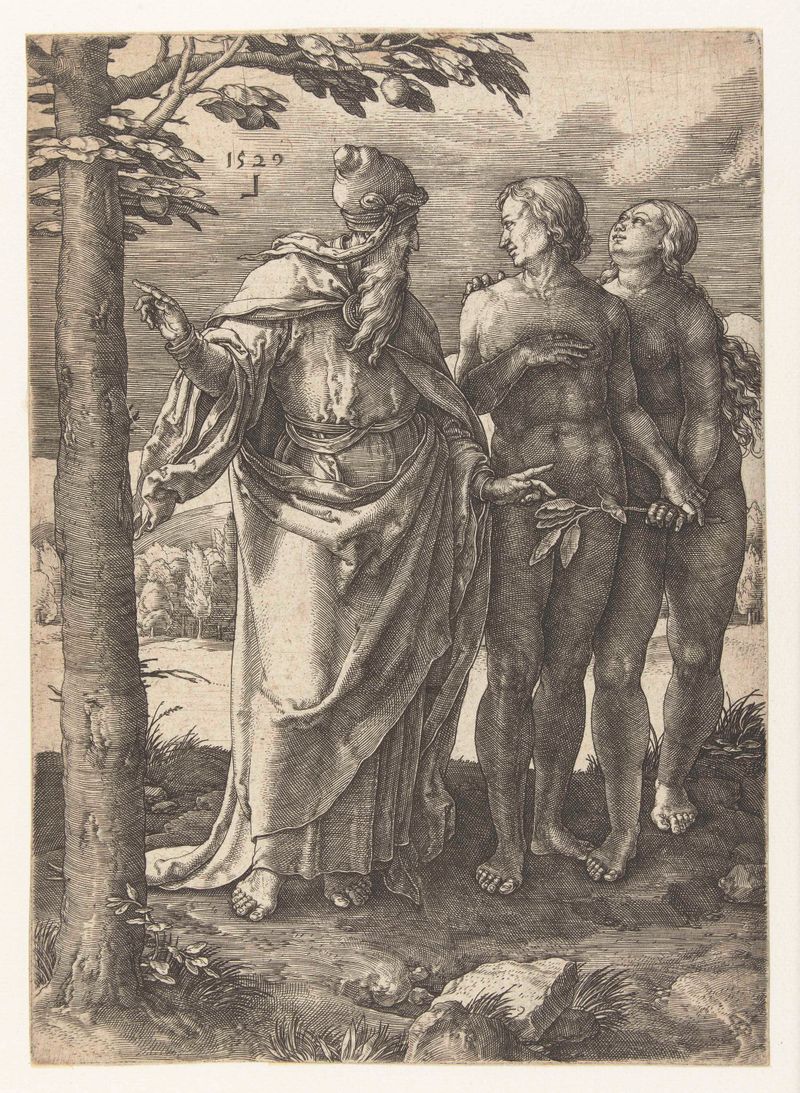
Het eerste verbod
Lucas van Leyden
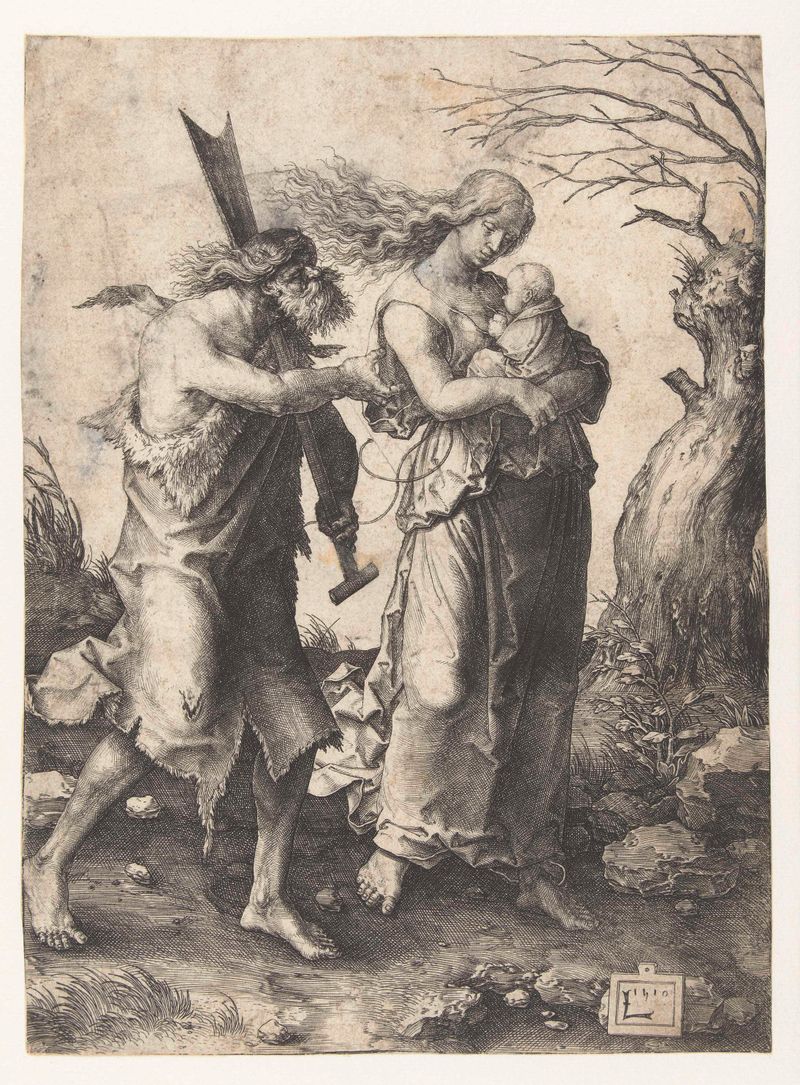
Adam en Eva na de verdrijving uit het paradijs
Lucas van Leyden
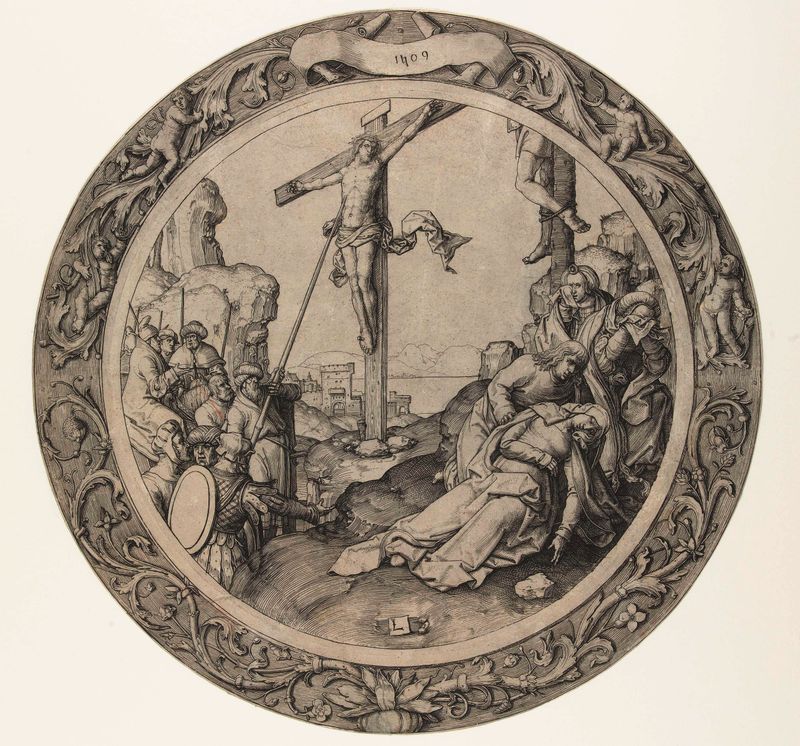
De kruisiging
Lucas van Leyden
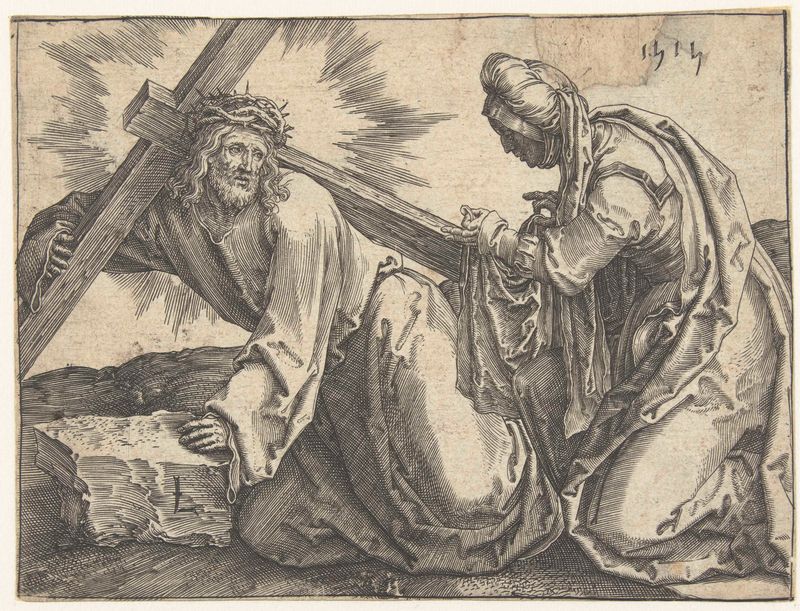
Kruisdraging
Lucas van Leyden
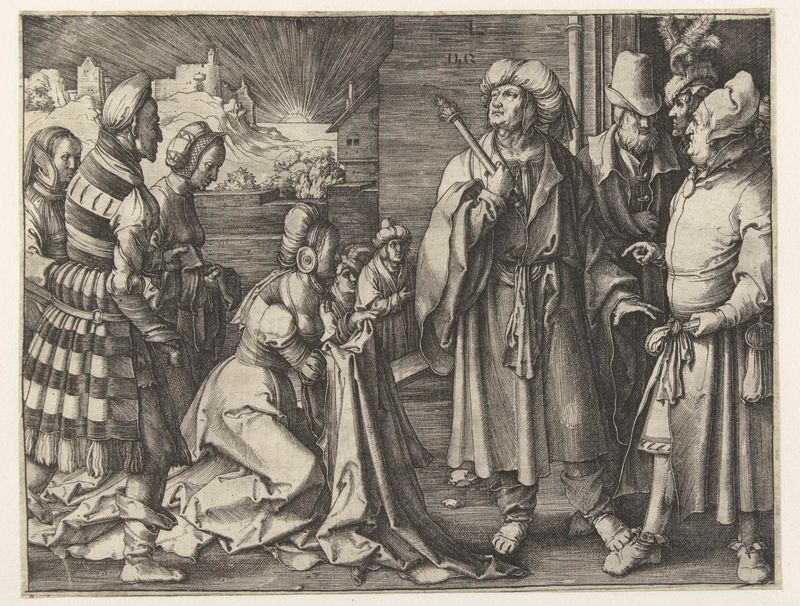
De vrouw van Potifar beschuldigt Jozef
Lucas van Leyden
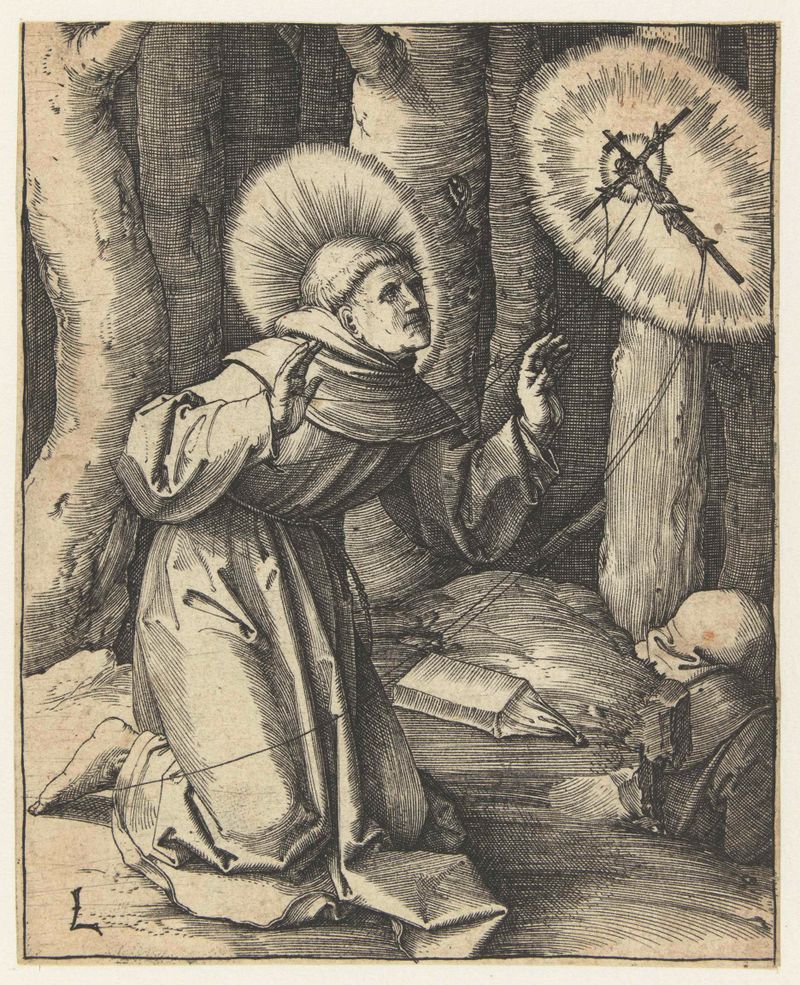
De stigmatisatie van de heilige Franciscus
Lucas van Leyden
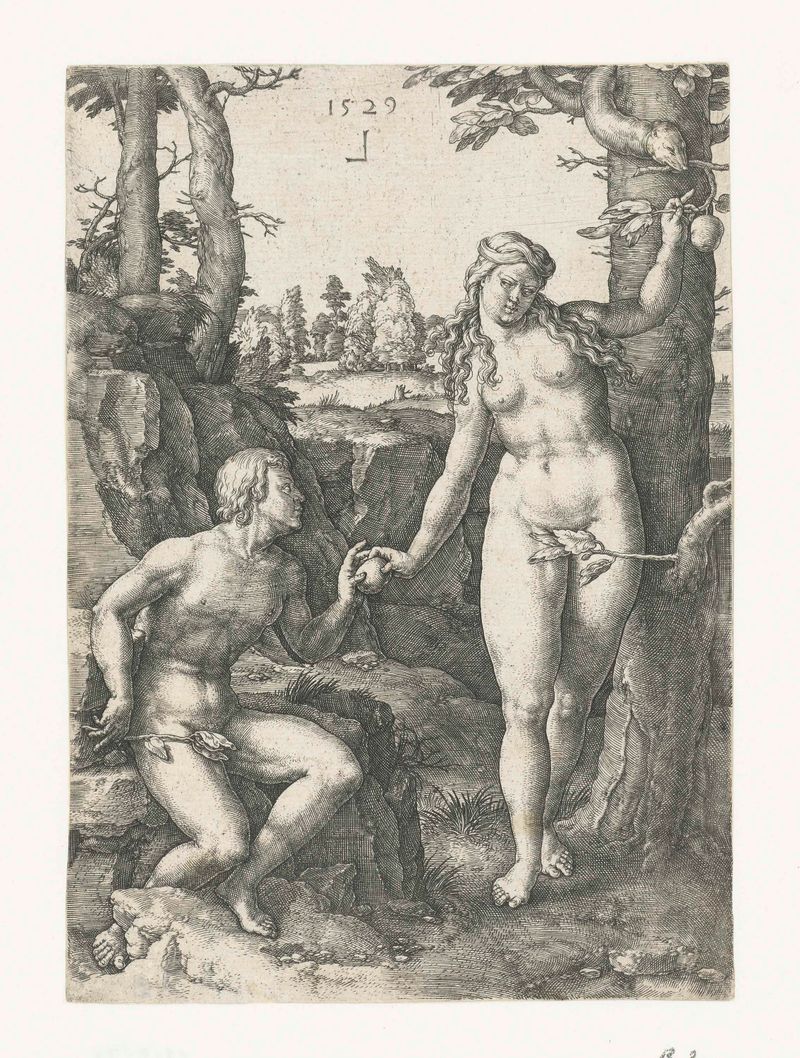
De zondeval
Lucas van Leyden
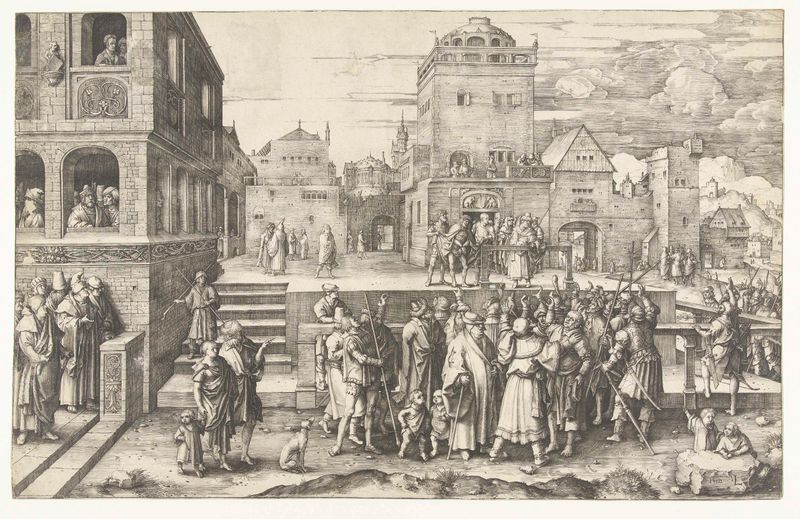
De grote Ecce Homo
Lucas van Leyden
Maria met kind
Lucas van Leyden

Doornenkroning
Lucas van Leyden
More Religious Art
Browse all →
The Return of the Prodigal Son
Rembrandt van Rijn

The Garden of Earthly Delights
El Bosco

Count Orgaz’ funeral
El Greco

The Hundred Guilder Print: the central piece with Christ preaching, the plate arched
Rembrandt van Rijn

The Descent from the Cross
Rogier van der Weyden

The return of the prodigal son
Rembrandt van Rijn