
Christus aan het kruis — History & Facts
Can paint confess what words never could? In Christus aan het kruis, every brushstroke whispers the fragility of life against the permanence of suffering and decay. Focus first on the figure of Christ, suspended in a moment of anguish at the center of the composition. The stark contrast of light and shadow creates a dramatic interplay, casting a somber glow on his body while the surrounding darkness looms, hinting at the encroaching void of despair. The meticulous detail in the fabric of his loincloth draws the viewer's eye, revealing the fine textures and folds that envelop the sacred figure, inviting a closer examination of both the corporeal and the celestial. This artwork speaks to the tension between the divine and the mortal.
The decay of the material world is mirrored in the suffering of Christ, suggesting a profound connection between pain and redemption. Notice the faint halo above his head, juxtaposed with the desolation that surrounds him; it evokes an emotional conflict, a battle between hope and hopelessness. The seemingly lifeless background enhances the viewer's focus on the crucified body, amplifying the sense of isolation and sacrifice that permeates the piece. Created in 1517, this work emerged during a time of significant upheaval in both religion and art.
Lucas van Leyden, a pioneering figure of the Northern Renaissance, was grappling with the shifting tides of humanism and faith. His exploration of religious themes against a backdrop of personal and societal change reflects the contemplative nature of an artist seeking to capture the essence of existence, revealing the interplay of faith and the human condition through his extraordinary craftsmanship.
More Artworks by Lucas van Leyden
Browse all →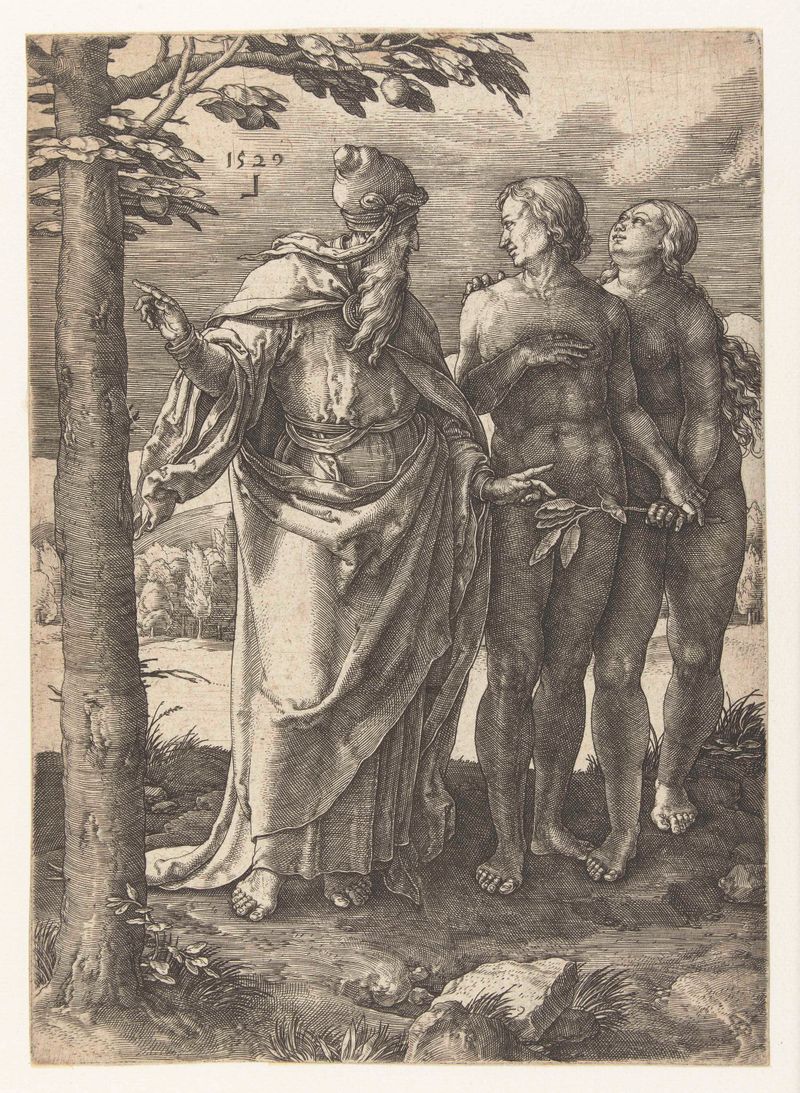
Het eerste verbod
Lucas van Leyden
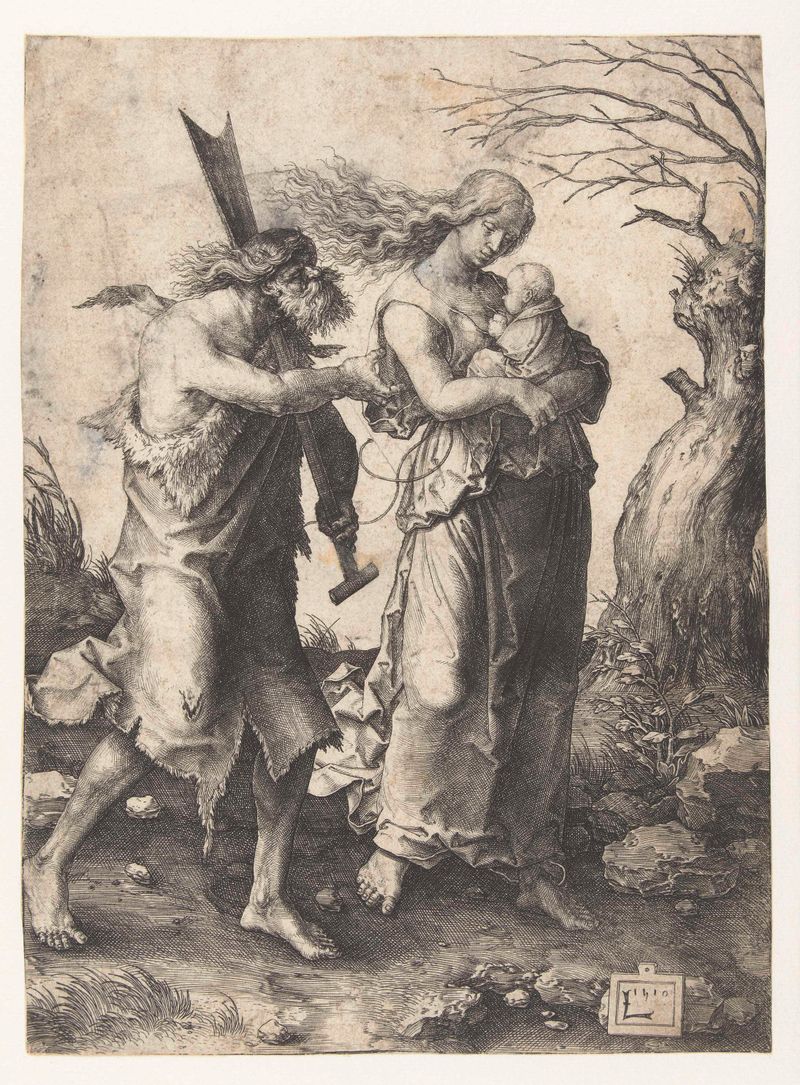
Adam en Eva na de verdrijving uit het paradijs
Lucas van Leyden
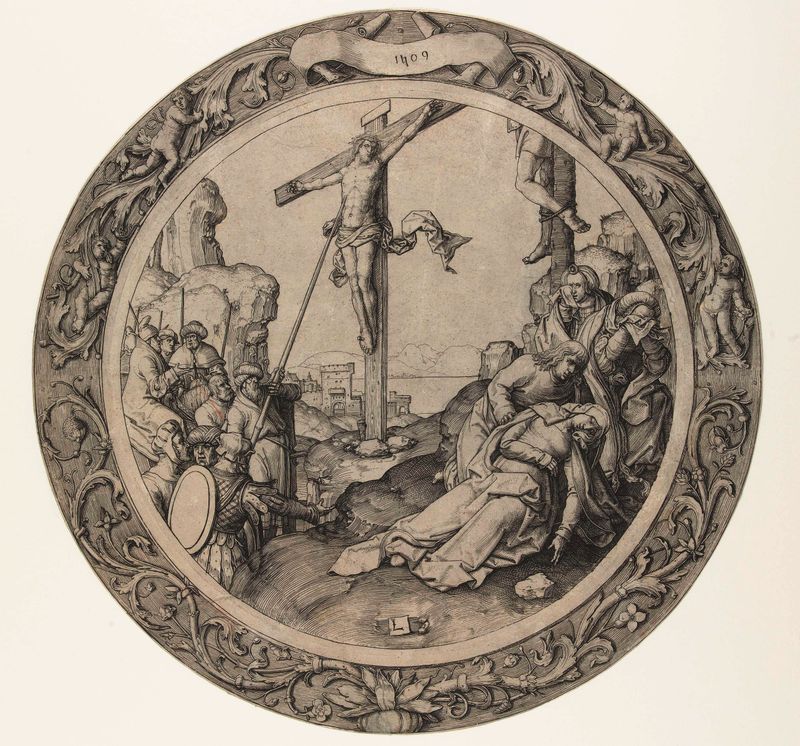
De kruisiging
Lucas van Leyden
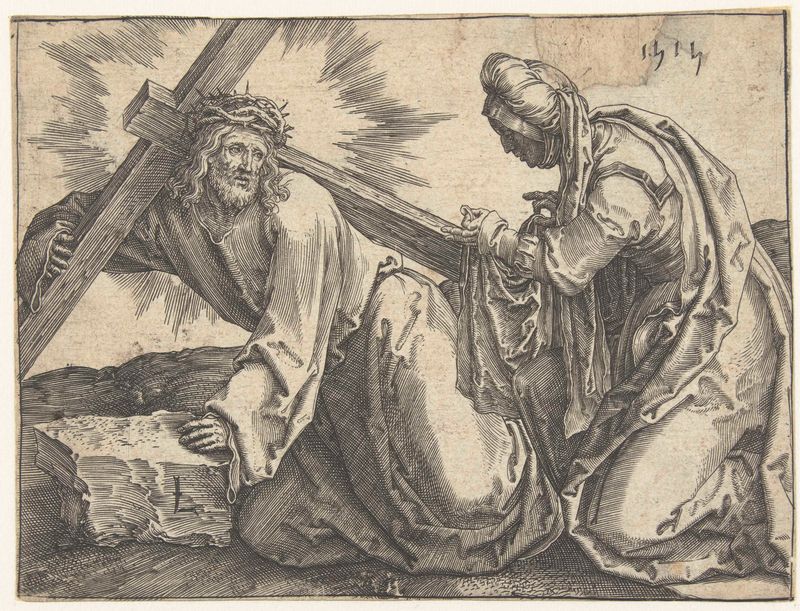
Kruisdraging
Lucas van Leyden
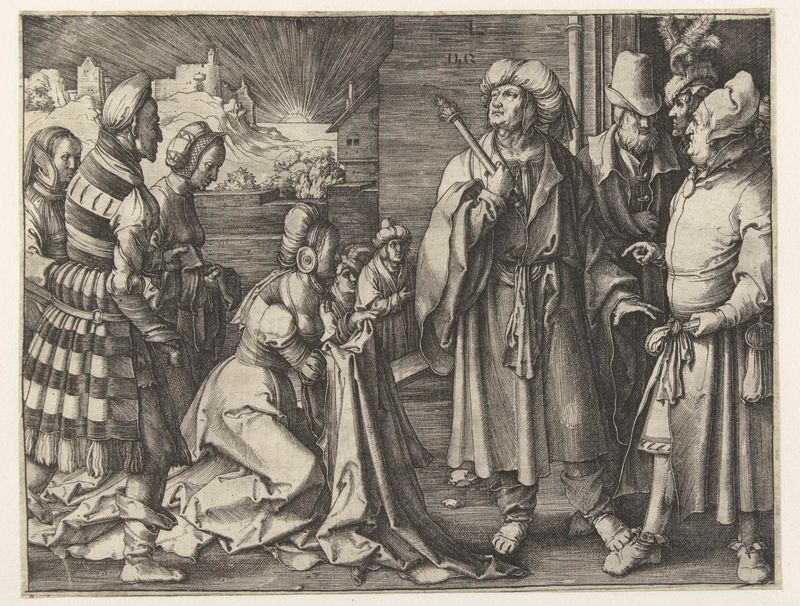
De vrouw van Potifar beschuldigt Jozef
Lucas van Leyden
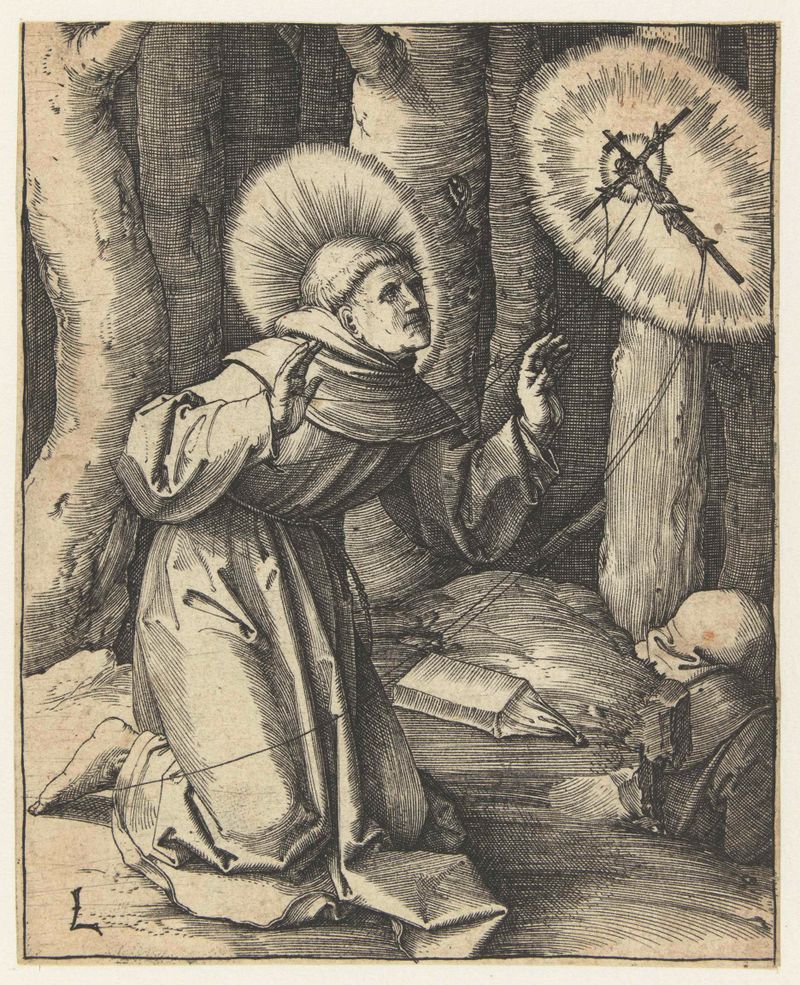
De stigmatisatie van de heilige Franciscus
Lucas van Leyden
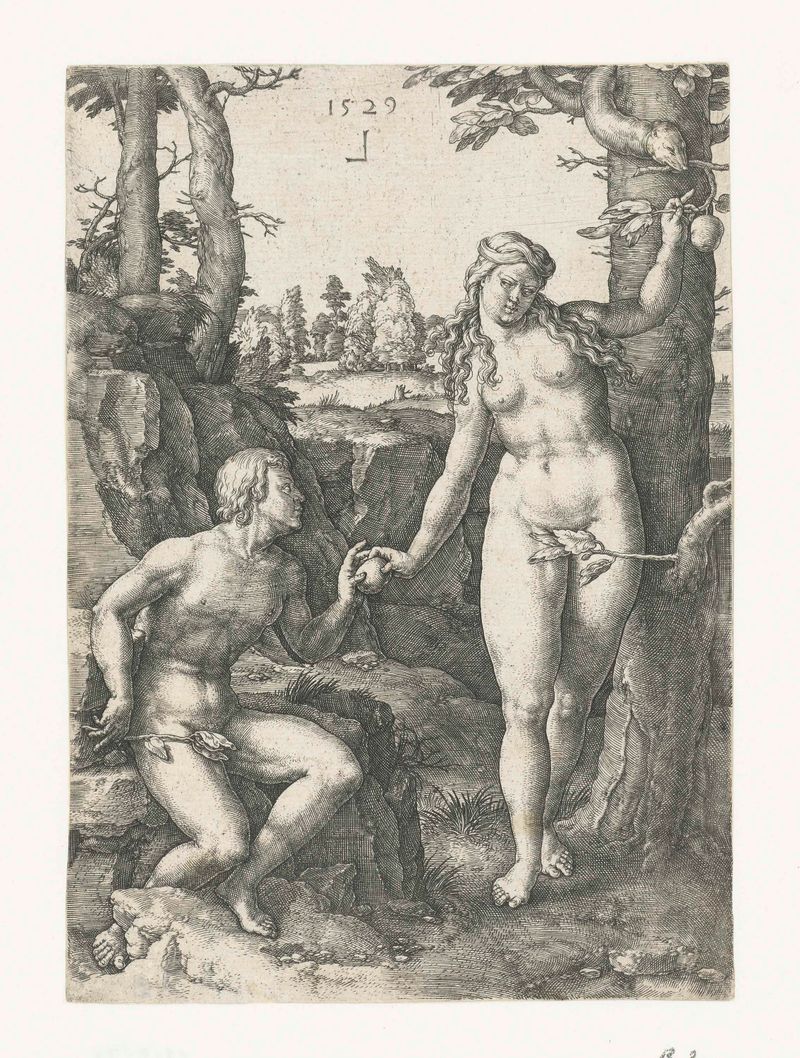
De zondeval
Lucas van Leyden
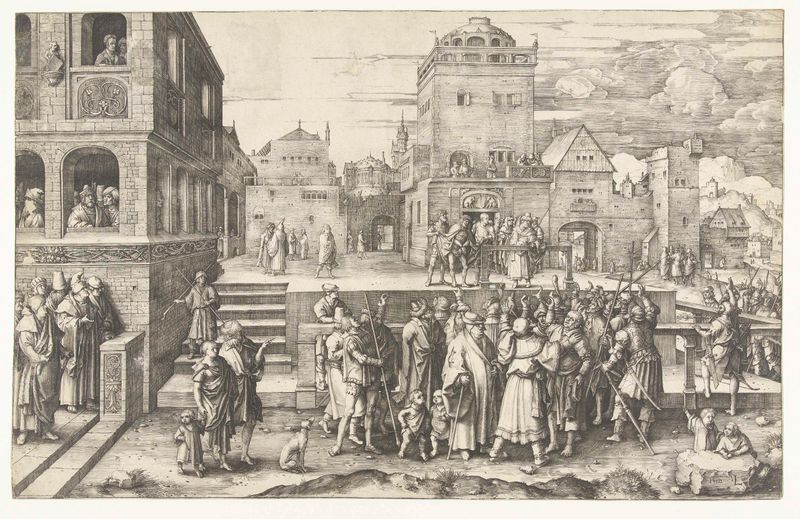
De grote Ecce Homo
Lucas van Leyden
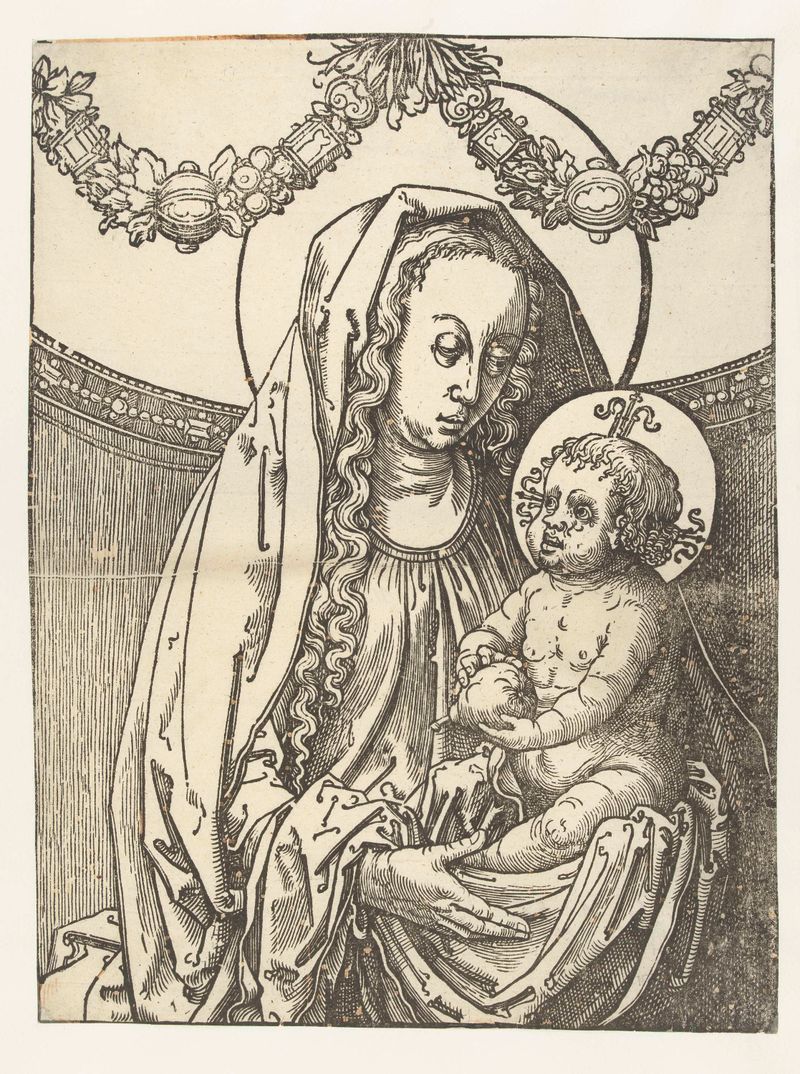
Maria met kind
Lucas van Leyden

Doornenkroning
Lucas van Leyden
More Religious Art
Browse all →
The Return of the Prodigal Son
Rembrandt van Rijn

The Garden of Earthly Delights
El Bosco

Count Orgaz’ funeral
El Greco

The Hundred Guilder Print: the central piece with Christ preaching, the plate arched
Rembrandt van Rijn

The Descent from the Cross
Rogier van der Weyden

The return of the prodigal son
Rembrandt van Rijn