
Christus als Salvator Mundi — History & Facts
In the stillness of a moment captured, light serves as both a revelation and a mystery, illuminating a figure who transcends time and earthly bounds. Look to the center, where the serene visage of Christ stands resplendent, draped in rich robes of blue and deep red. The meticulous detailing reveals a delicate interplay of shadow and luminosity, drawing the viewer's eye to his gentle hand, which cradles a crystalline orb. Notice how the light cascades over his features, accentuating the tender expression that radiates both wisdom and compassion, inviting contemplation amid the surrounding darkness. As you delve deeper, consider the orb itself—symbolizing the universe or eternal life—reflecting not only light but the weight of divine responsibility.
The contrast between the figures’ ethereal presence and the dark background underscores the sacredness of his role as savior. Each stroke not only reveals the artist's skill but also evokes a sense of longing, a yearning for enlightenment in a world cloaked in uncertainty. In the years between 1508 and 1512, Lucas van Leyden was honing his craft and establishing his reputation in the Netherlands. The early 16th century was marked by a shift towards humanism and a renewed interest in religious themes, reflecting broader societal transformations.
During this period, Leyden's meticulous attention to detail and innovative use of light would help define his contribution to the Northern Renaissance, anchoring his work in both tradition and emerging modernity.
More Artworks by Lucas van Leyden
Browse all →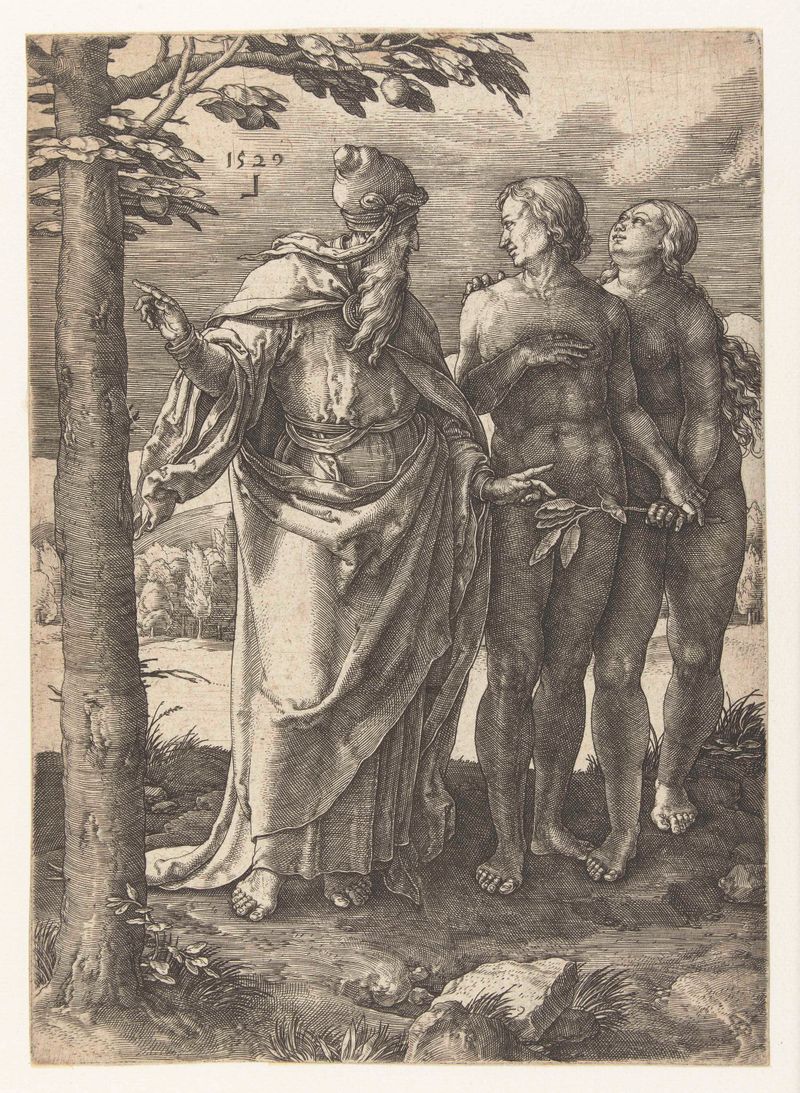
Het eerste verbod
Lucas van Leyden
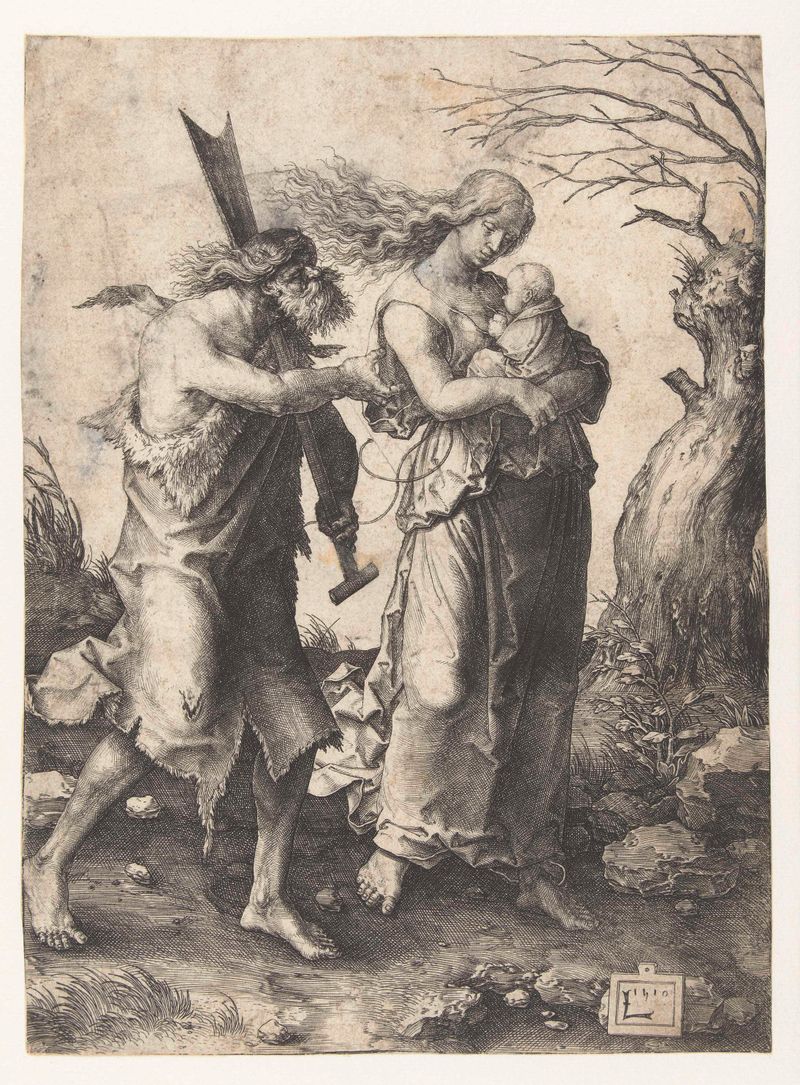
Adam en Eva na de verdrijving uit het paradijs
Lucas van Leyden
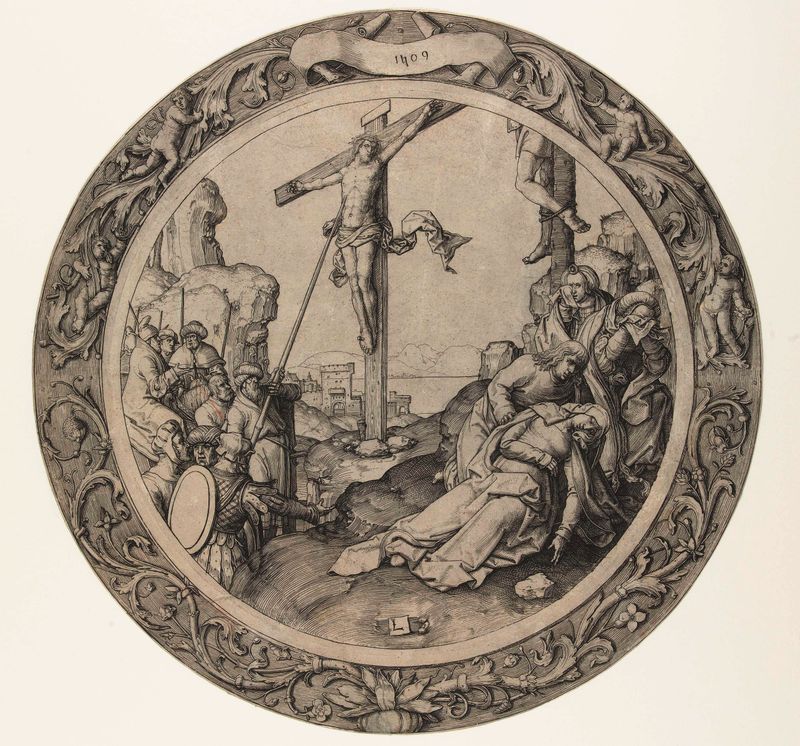
De kruisiging
Lucas van Leyden
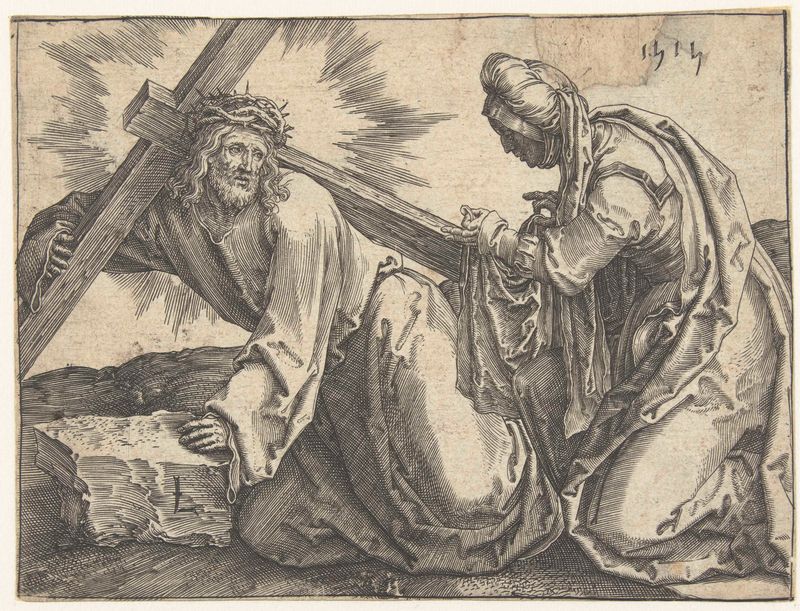
Kruisdraging
Lucas van Leyden
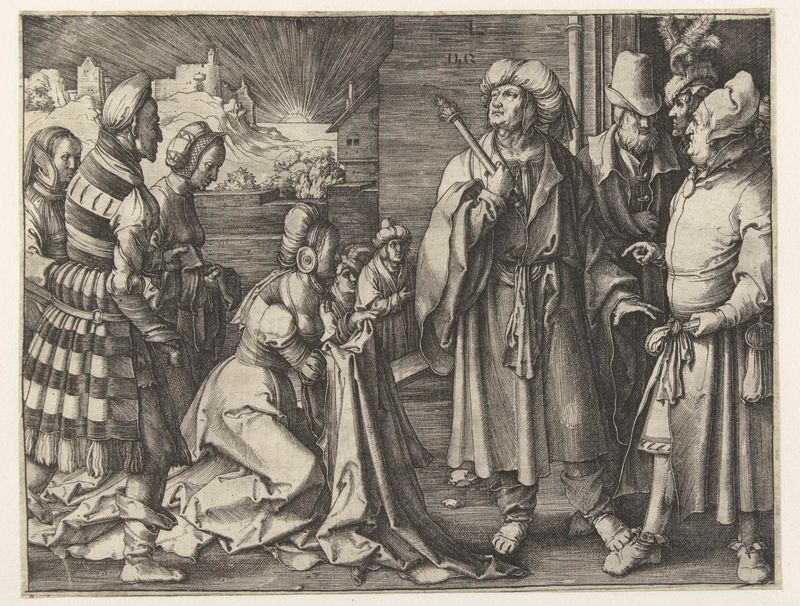
De vrouw van Potifar beschuldigt Jozef
Lucas van Leyden
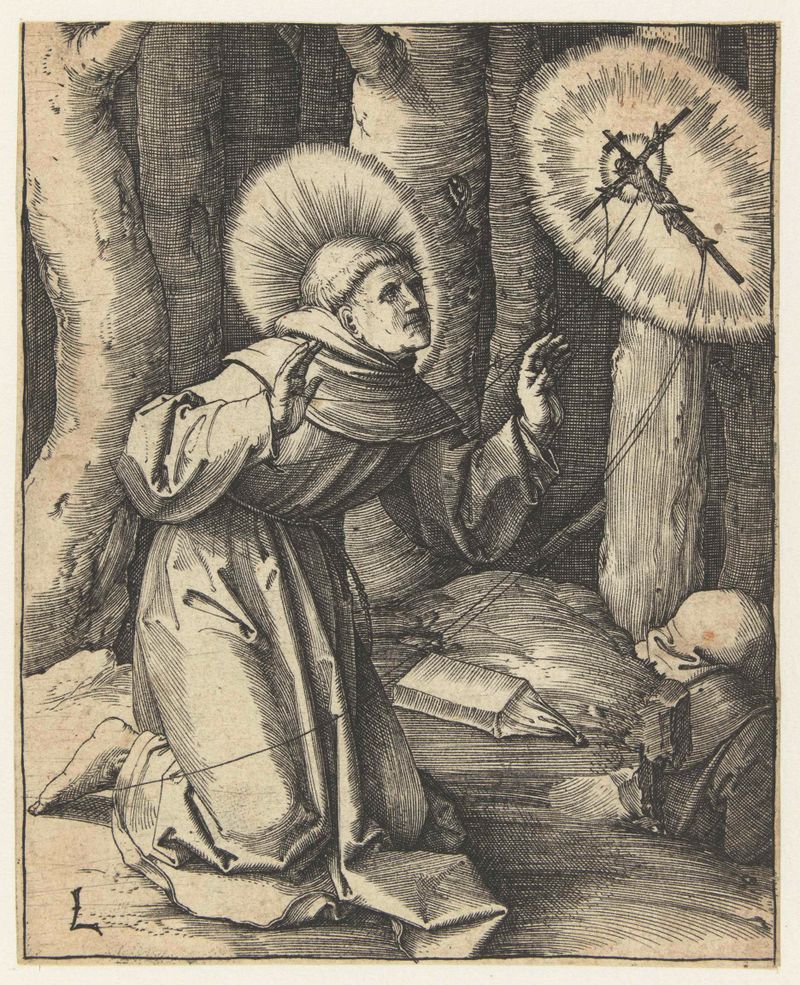
De stigmatisatie van de heilige Franciscus
Lucas van Leyden
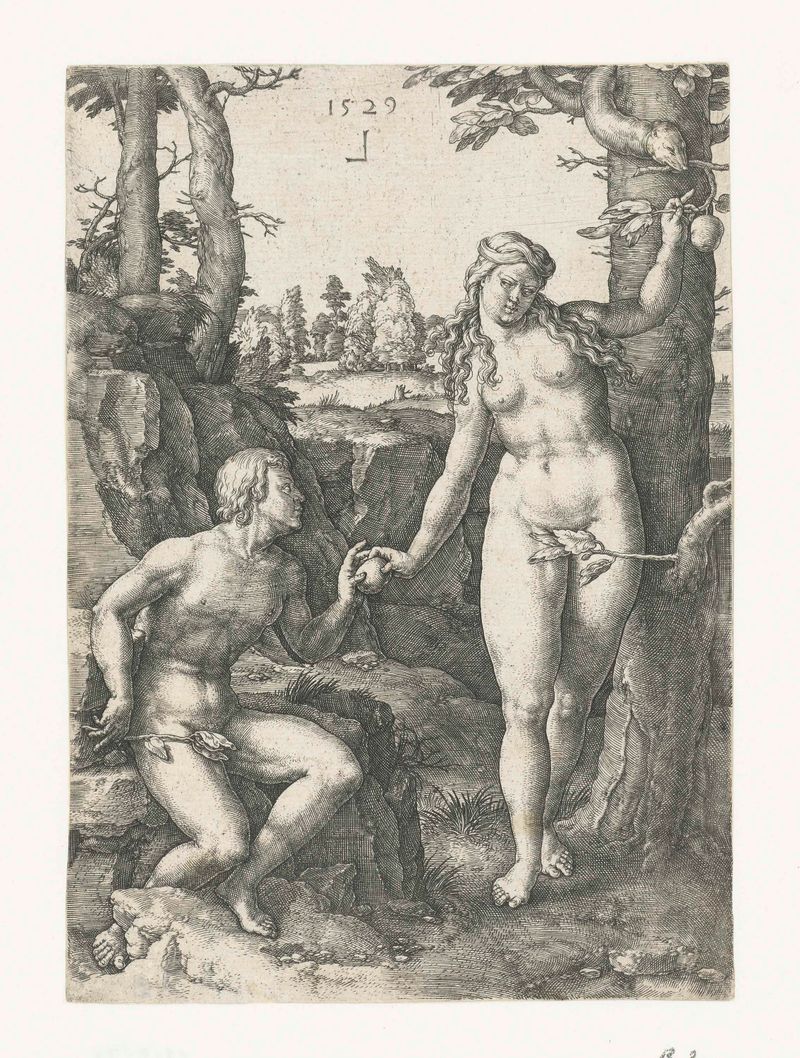
De zondeval
Lucas van Leyden
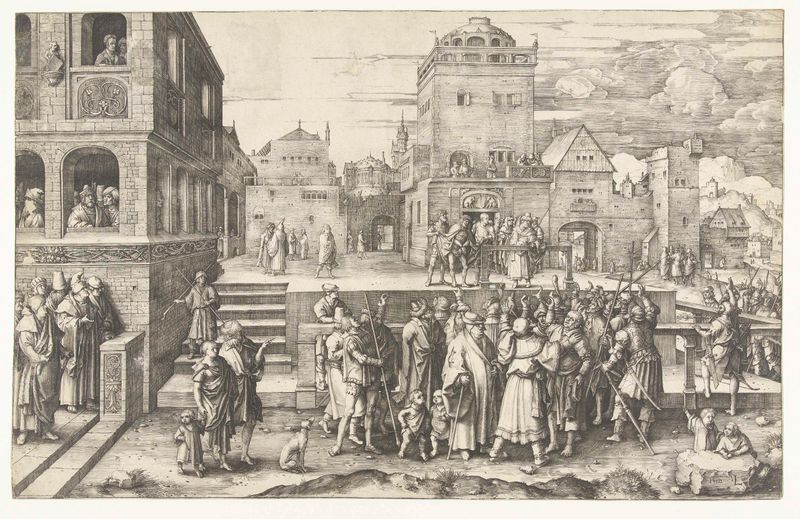
De grote Ecce Homo
Lucas van Leyden
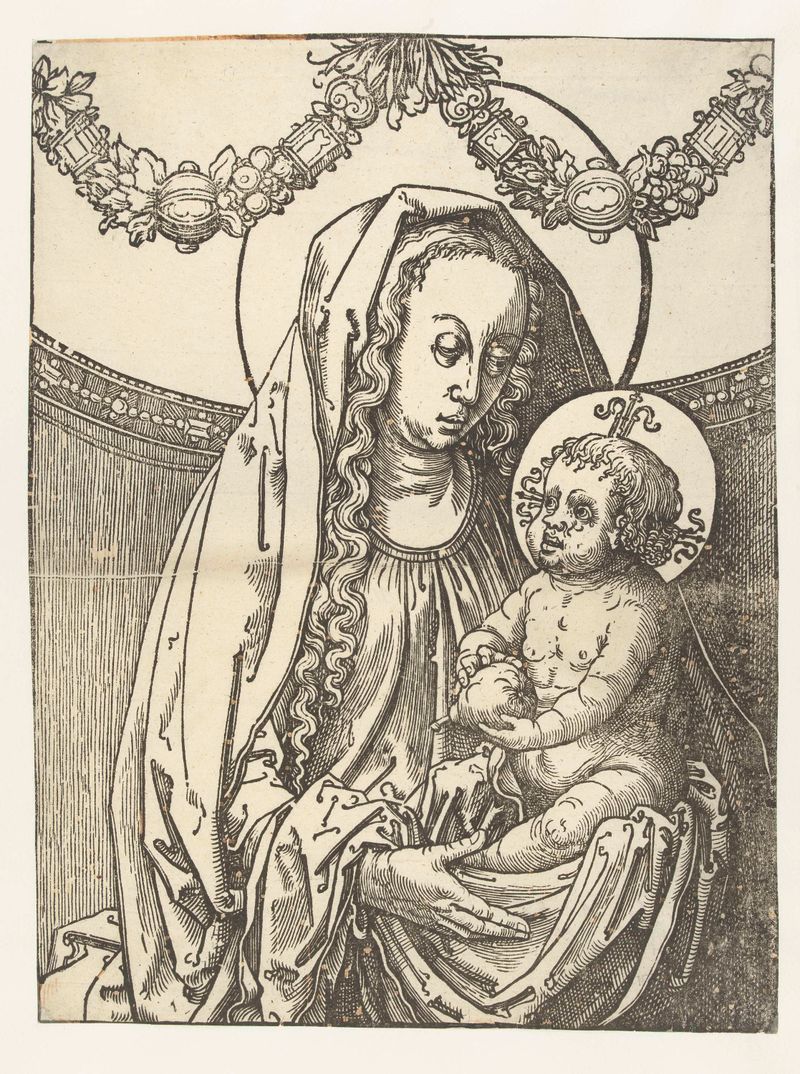
Maria met kind
Lucas van Leyden

Doornenkroning
Lucas van Leyden
More Religious Art
Browse all →
The Return of the Prodigal Son
Rembrandt van Rijn

The Garden of Earthly Delights
El Bosco

Count Orgaz’ funeral
El Greco

The Hundred Guilder Print: the central piece with Christ preaching, the plate arched
Rembrandt van Rijn

The Descent from the Cross
Rogier van der Weyden

The return of the prodigal son
Rembrandt van Rijn