
Christus door Pilatus aan het volk getoond (Ecce Homo) — History & Facts
Did the painter know this moment would outlive them? The tableau of despair and judgment unfolds, a haunting reminder of mortality, sacrifice, and the echoes of loss. Focus on the figure at the center, Christ, depicted with serene dignity despite the turmoil surrounding Him. His expression is marked by resignation, the light cascading down his form, illuminating the delicate details of his visage and draping him in an ethereal glow. Notice how the figures around him—Pilate, the guards, and the crowd—are rendered in a flurry of movement, their gestures oscillating between accusation and sympathy, creating a stark contrast with the stillness of Christ.
The muted color palette, punctuated by deep shadows, enhances the somber gravity of the moment. Beneath the surface, the painting encapsulates themes of power and vulnerability. The shouting crowd, with their varied expressions, reflects a cacophony of human emotion—fear, rage, confusion—all juxtaposed against Christ’s calm acceptance. The architecture behind them serves as a metaphor for the societal structures that imprison both the innocent and the guilty.
Each gaze in the crowd speaks of an inner conflict, highlighting the tension between collective judgment and individual suffering. Created between 1510 and 1514, this artwork emerged during a transformative period for Lucas van Leyden, as he navigated the burgeoning Renaissance. His mastery of chiaroscuro and detail positioned him among the early northern Renaissance artists, exploring religious themes while capturing the weight of human experience. In an era marked by upheaval and change, his depiction of this pivotal moment invites viewers to confront the intersection of faith, authority, and the haunting specter of loss.
More Artworks by Lucas van Leyden
Browse all →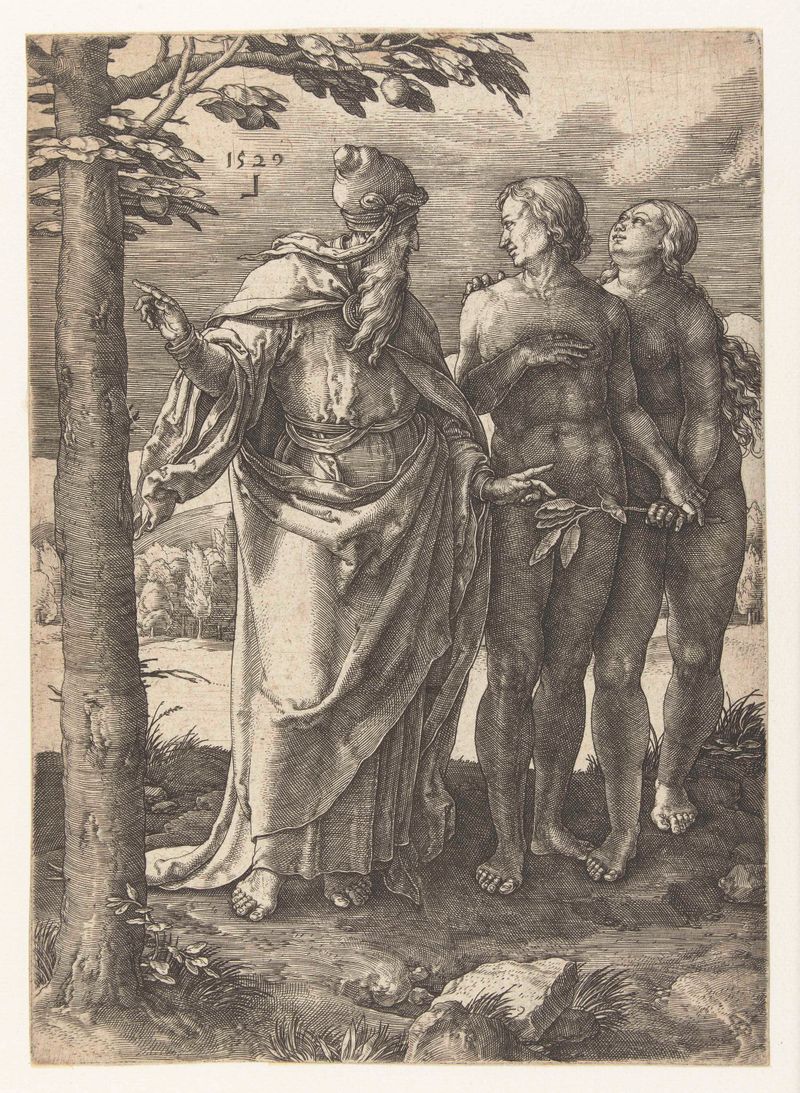
Het eerste verbod
Lucas van Leyden
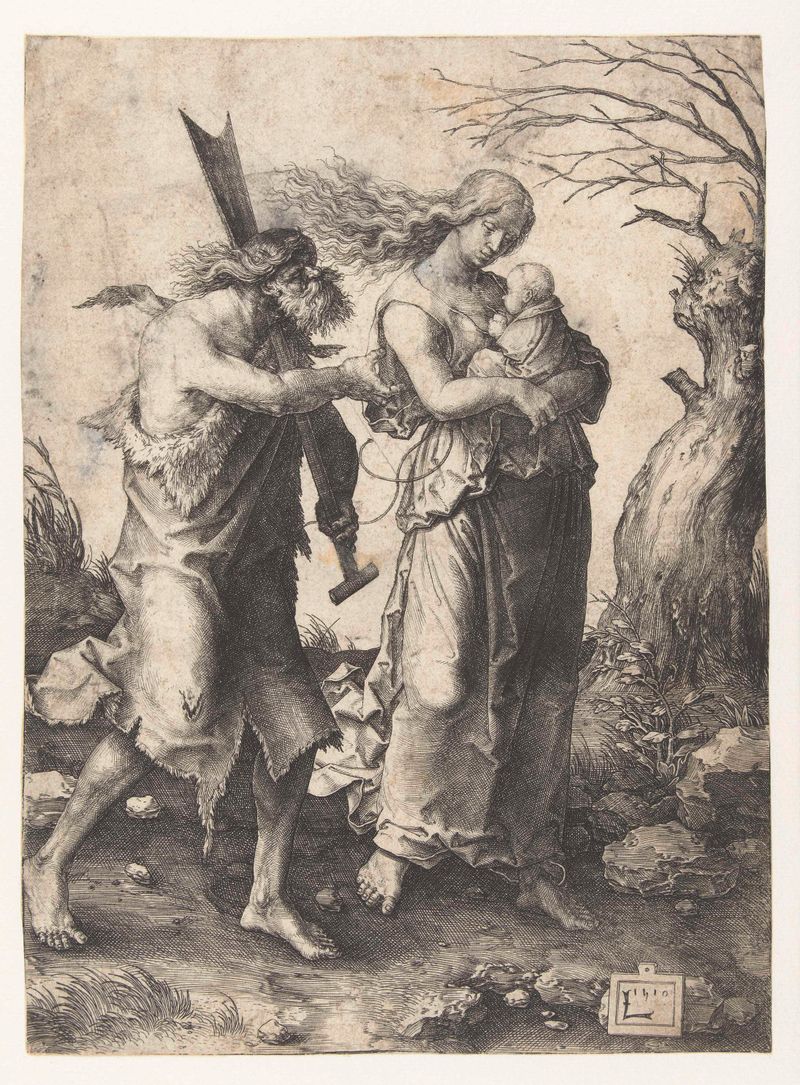
Adam en Eva na de verdrijving uit het paradijs
Lucas van Leyden
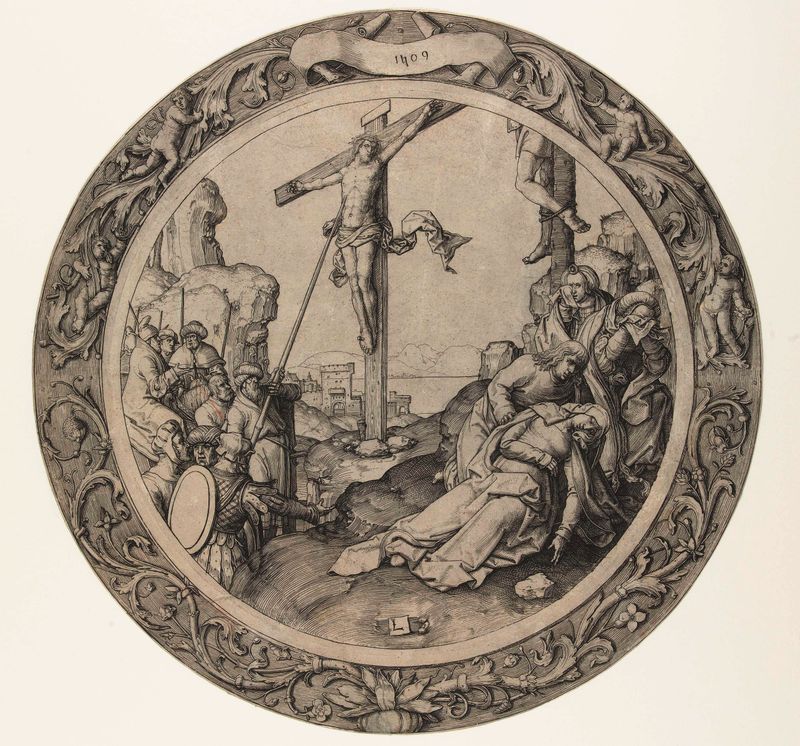
De kruisiging
Lucas van Leyden
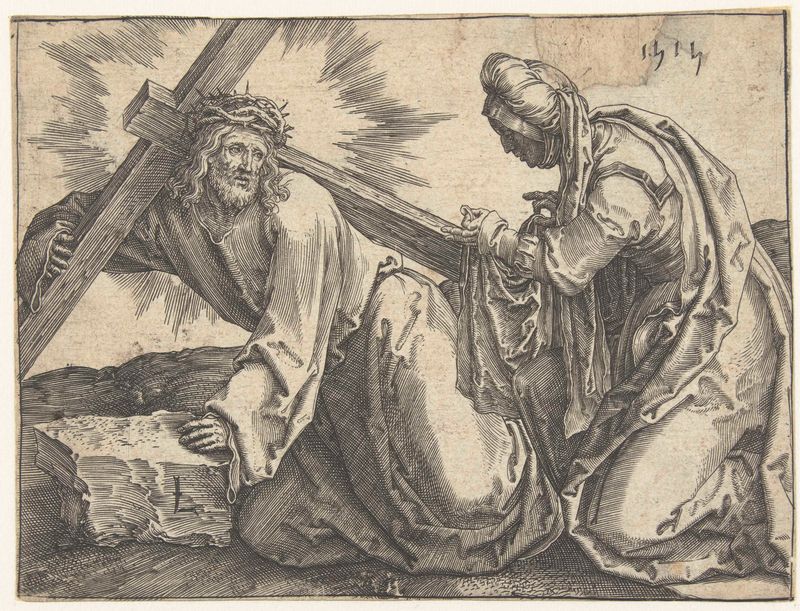
Kruisdraging
Lucas van Leyden
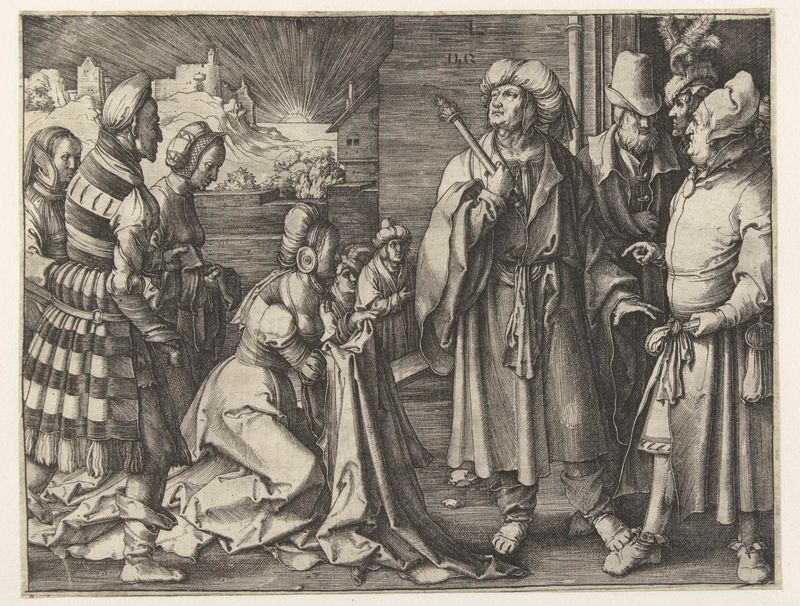
De vrouw van Potifar beschuldigt Jozef
Lucas van Leyden
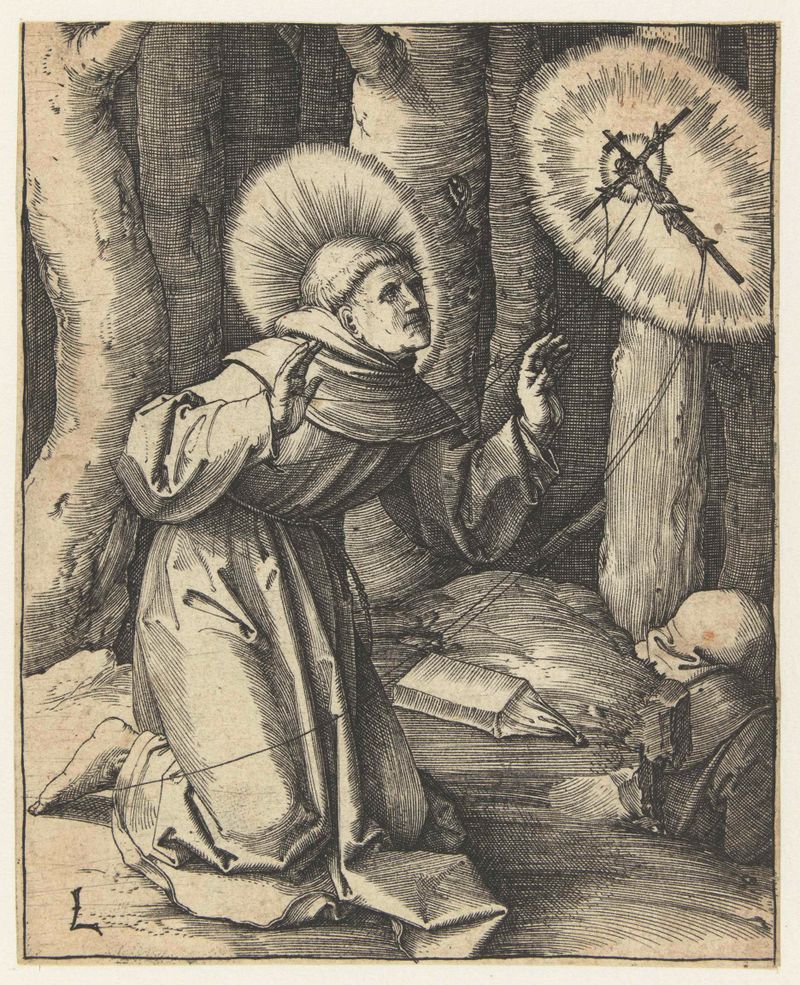
De stigmatisatie van de heilige Franciscus
Lucas van Leyden
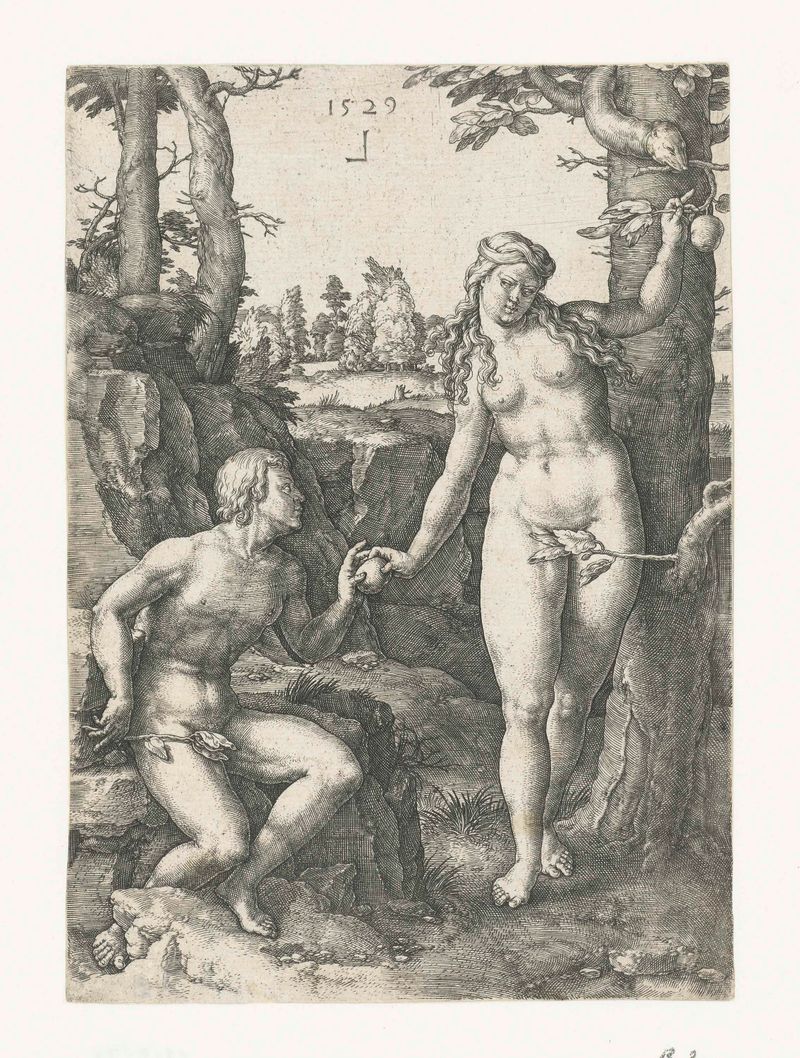
De zondeval
Lucas van Leyden
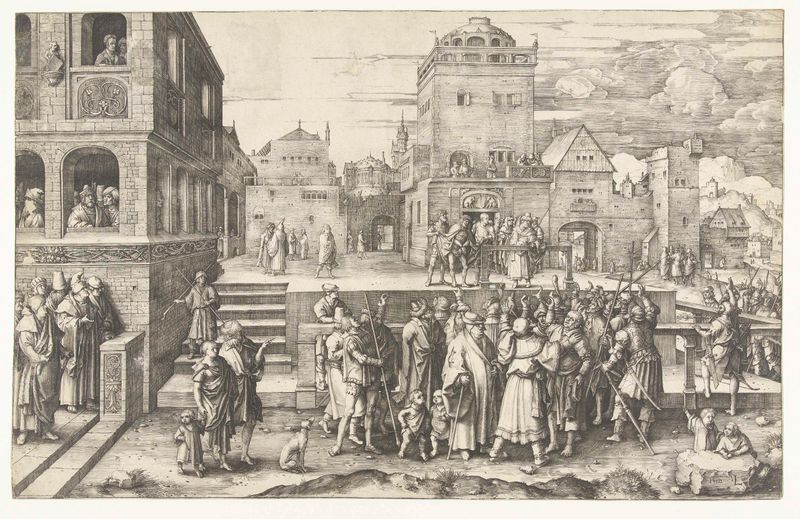
De grote Ecce Homo
Lucas van Leyden
Maria met kind
Lucas van Leyden

Doornenkroning
Lucas van Leyden
More Religious Art
Browse all →
The Return of the Prodigal Son
Rembrandt van Rijn

The Garden of Earthly Delights
El Bosco

Count Orgaz’ funeral
El Greco

The Hundred Guilder Print: the central piece with Christ preaching, the plate arched
Rembrandt van Rijn

The Descent from the Cross
Rogier van der Weyden

The return of the prodigal son
Rembrandt van Rijn