
Christus in de hof van Getsemane — History & Facts
Where does light end, and longing begin? In Christus in de hof van Getsemane, the question of desire unfolds through a masterful interplay of shadow and illumination. Focus on the somber, ethereal glow that envelops the figure of Christ, capturing the profound weight of his impending sacrifice. Look closely at the rich blues and deep golds that dominate the scene; they create a stark contrast, emphasizing the agony and solitude of the moment. Notice how the meticulously painted foliage frames the figure, almost as if nature itself holds its breath, waiting for the fateful decision to be made.
The serene expression, touched by a hint of sorrow, invites the viewer to feel the gravity of his struggle against despair. In this composition, the tension between divine purpose and human vulnerability is palpable. The soft light illuminating Christ's face reflects not only his inner turmoil but also his deep desire for connection—both with his disciples and his divine calling. The juxtaposition of the tranquil setting against the looming emotional storm encapsulates the duality of hope and fear, love and loneliness.
Each brushstroke reveals a layer of complexity, echoing a universal longing for understanding and acceptance. Lucas van Leyden created this work in 1521, during a time when the Renaissance was flourishing throughout Europe. Living in Leiden, he was greatly influenced by the burgeoning humanist movement, which sought to reconcile religious themes with human emotion and experience. This period marked a pivotal shift in art, as artists began to explore the depths of the human soul, and this piece serves as a testament to that evolution.
More Artworks by Lucas van Leyden
Browse all →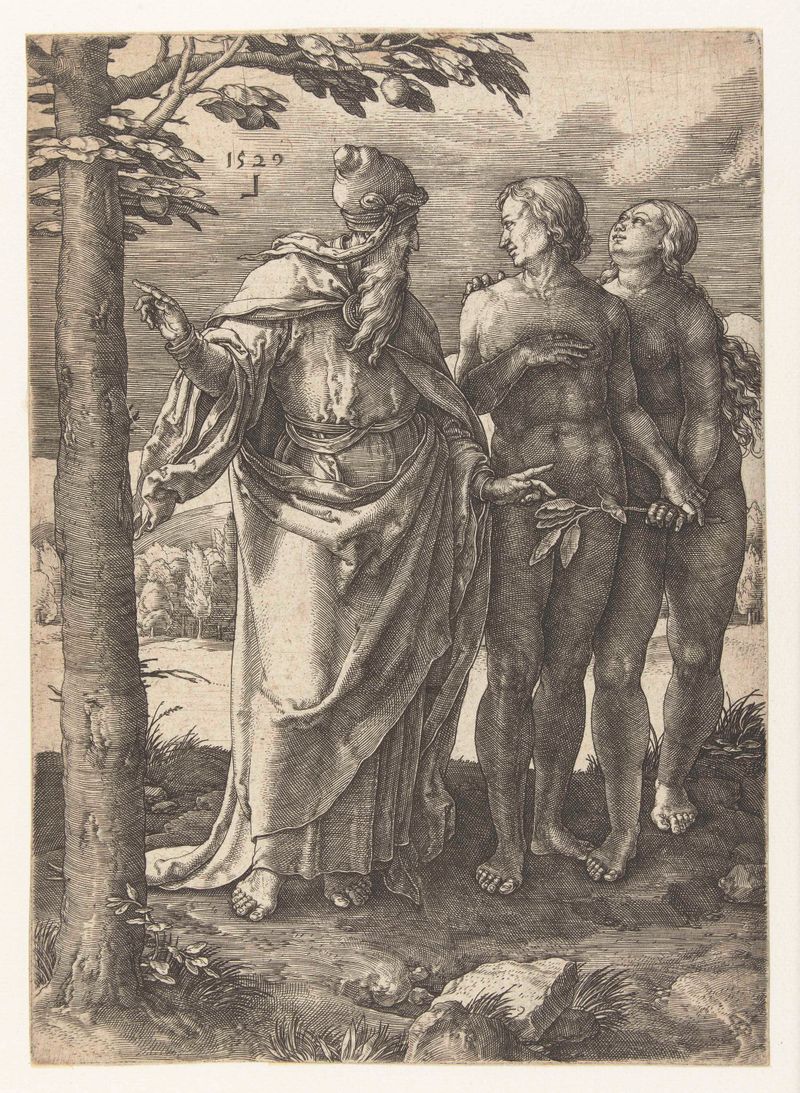
Het eerste verbod
Lucas van Leyden
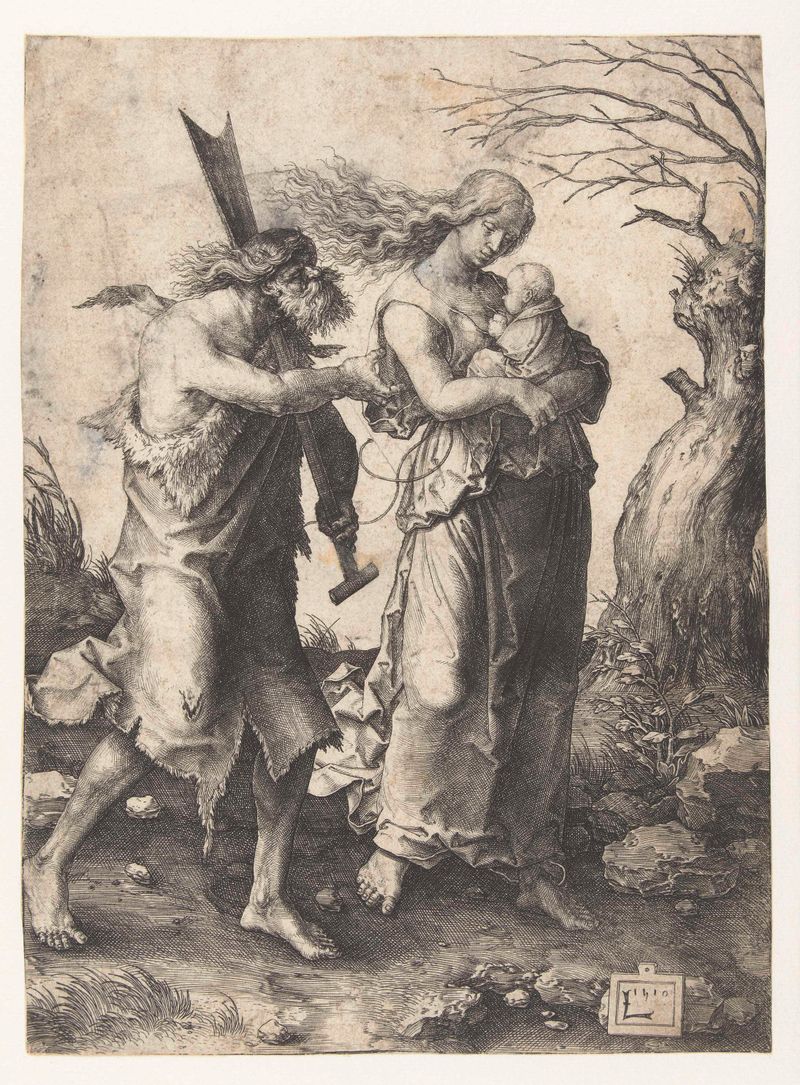
Adam en Eva na de verdrijving uit het paradijs
Lucas van Leyden
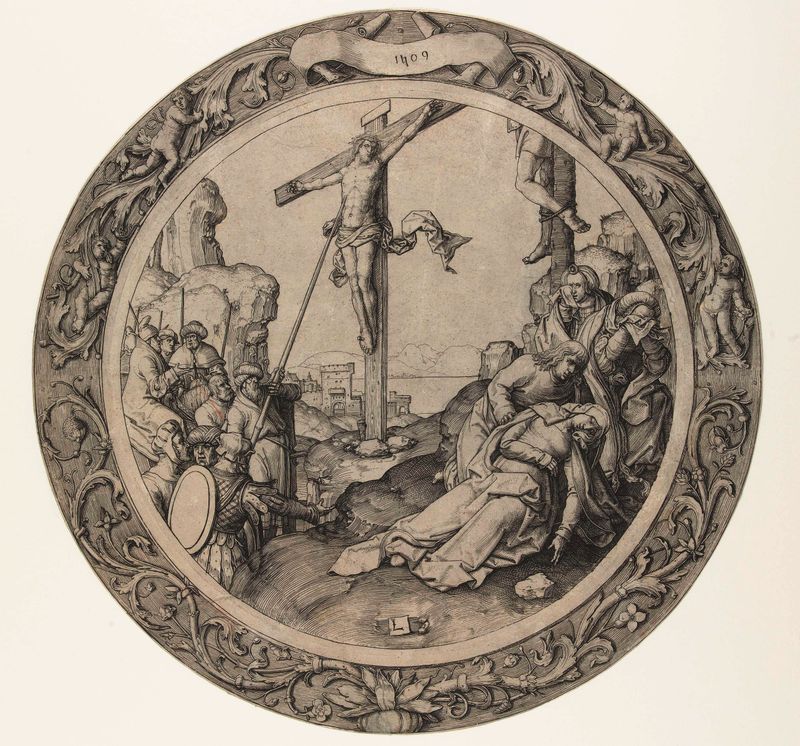
De kruisiging
Lucas van Leyden
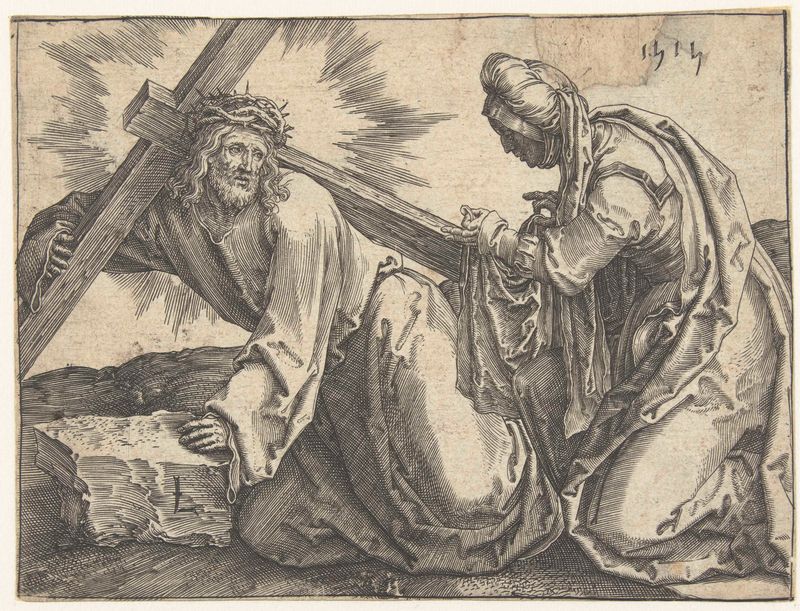
Kruisdraging
Lucas van Leyden
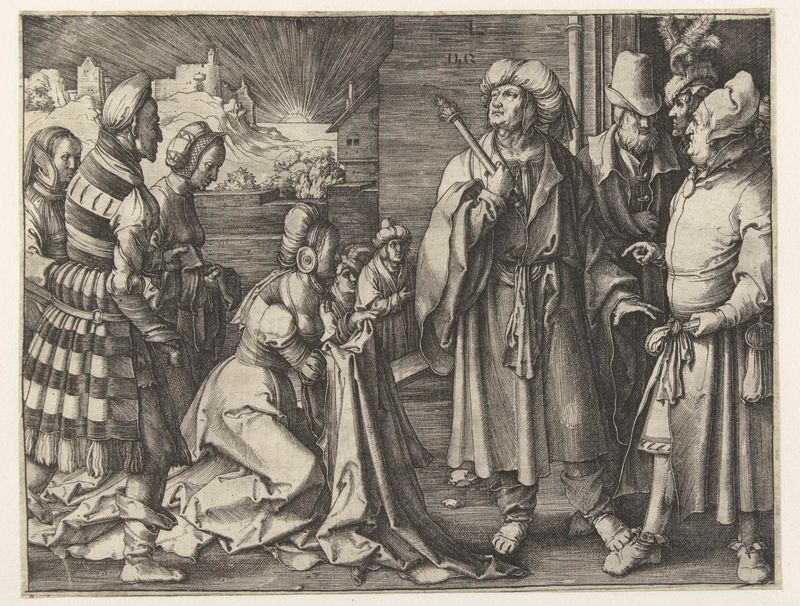
De vrouw van Potifar beschuldigt Jozef
Lucas van Leyden
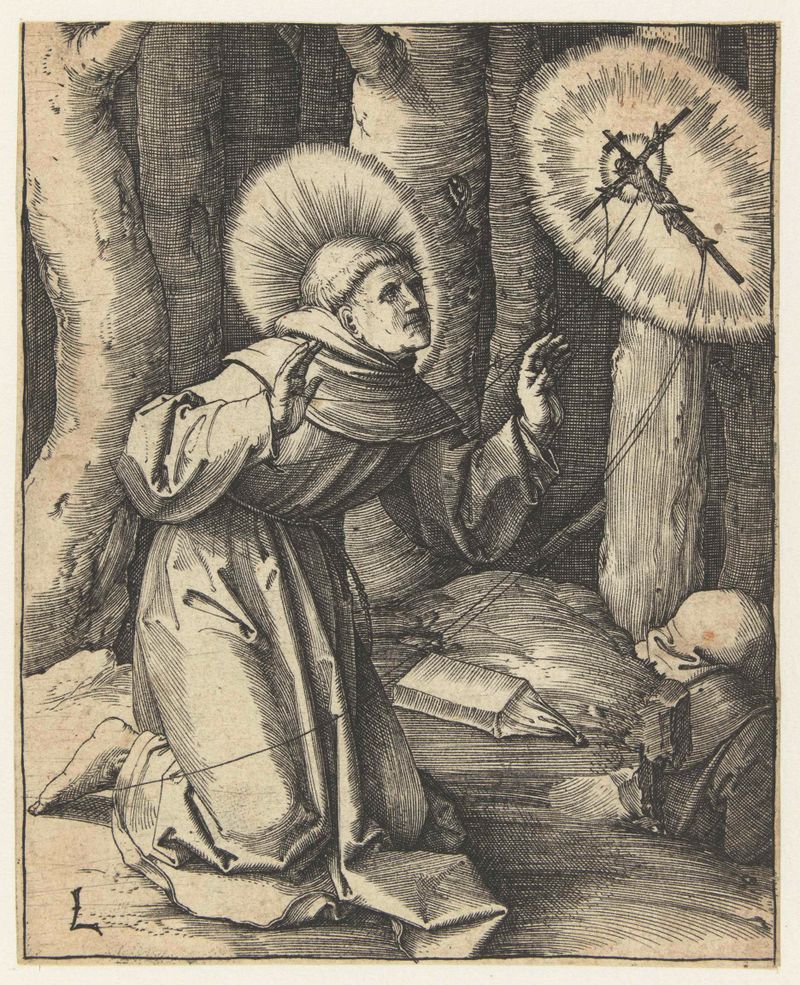
De stigmatisatie van de heilige Franciscus
Lucas van Leyden
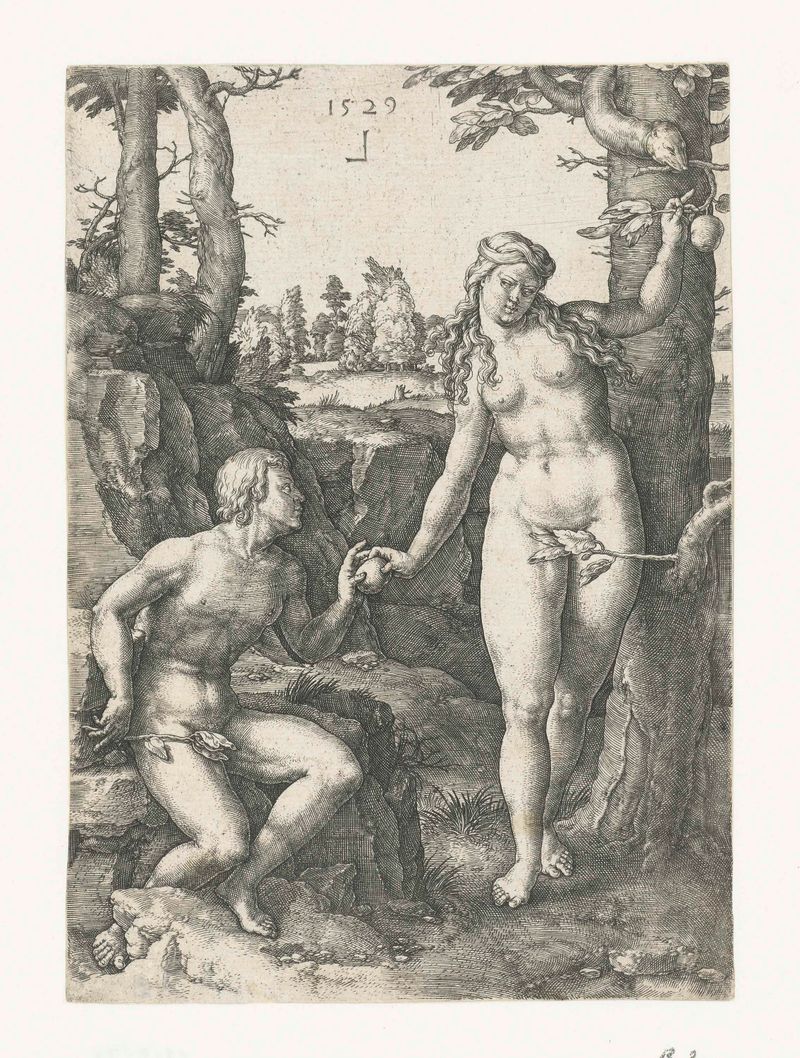
De zondeval
Lucas van Leyden
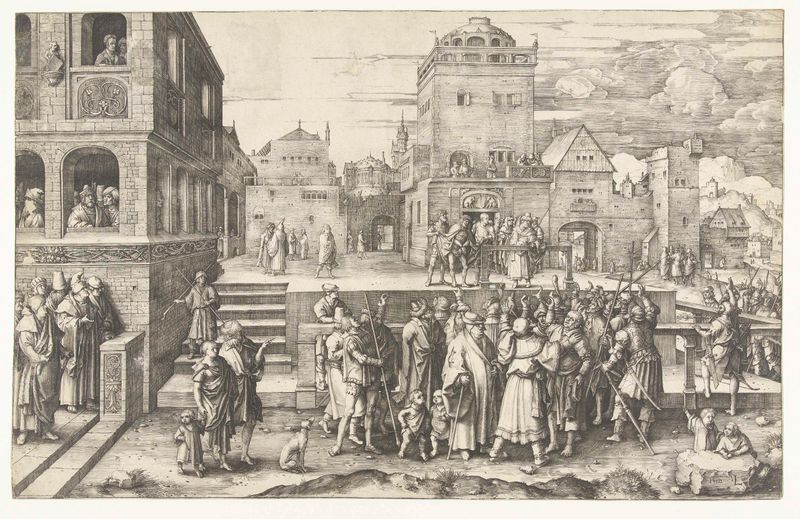
De grote Ecce Homo
Lucas van Leyden
Maria met kind
Lucas van Leyden

Doornenkroning
Lucas van Leyden
More Religious Art
Browse all →
The Return of the Prodigal Son
Rembrandt van Rijn

The Garden of Earthly Delights
El Bosco

Count Orgaz’ funeral
El Greco

The Hundred Guilder Print: the central piece with Christ preaching, the plate arched
Rembrandt van Rijn

The Descent from the Cross
Rogier van der Weyden

The return of the prodigal son
Rembrandt van Rijn