
Christus op de olijfberg — History & Facts
Did the painter know this moment would outlive them? In the delicate brushstrokes of a distant past, melancholy seeps through every detail of the work, inviting contemplation on the weight of sacrifice and the passage of time. Focus on the figure in the foreground—Christ in anguish, his features etched with deep sorrow. Notice how the chiaroscuro enhances the somber tones of the night, drawing your gaze to the tender interplay of light and shadow that encapsulates both vulnerability and strength. The subdued blues and earthy browns create an atmosphere thick with emotion, while the subtle halo around Christ’s head offers a glimmer of hope amid despair, guiding your understanding of his divine nature. As you explore the surrounding figures, the tension between sleep and vigilance emerges, embodying the struggle between faith and doubt.
The disciples’ relaxed postures sharply contrast with Christ’s tormented stance, highlighting the isolation he feels in this pivotal moment. Each face tells a story—some are serene, others anxious—collectively capturing the disparate reactions to impending sacrifice, thus deepening the emotional resonance of the scene. In 1509, Lucas van Leyden painted this poignant work during a time of personal and artistic growth. Emerging from the influence of the Northern Renaissance, he sought to convey profound narratives through detailed compositions.
With the backdrop of a changing spiritual landscape, Christus op de olijfberg stands as a testament to both religious devotion and artistic ambition, forever linking the painter to an eternal moment of introspection.
More Artworks by Lucas van Leyden
Browse all →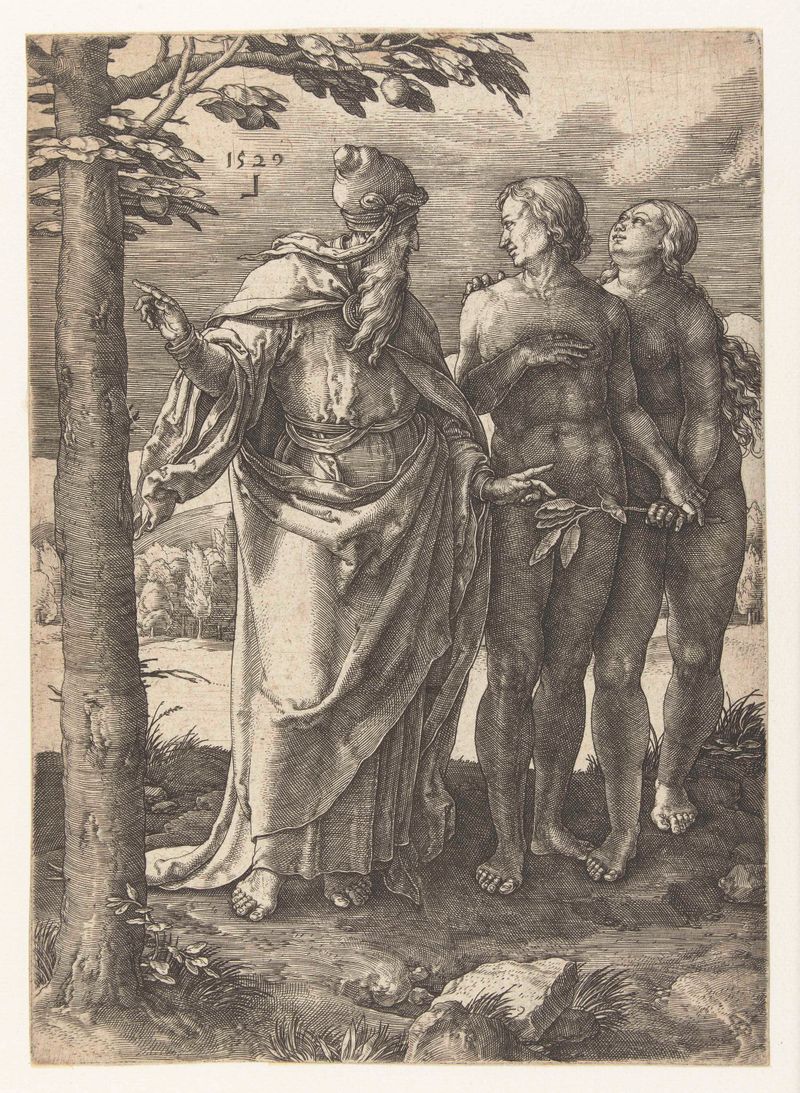
Het eerste verbod
Lucas van Leyden
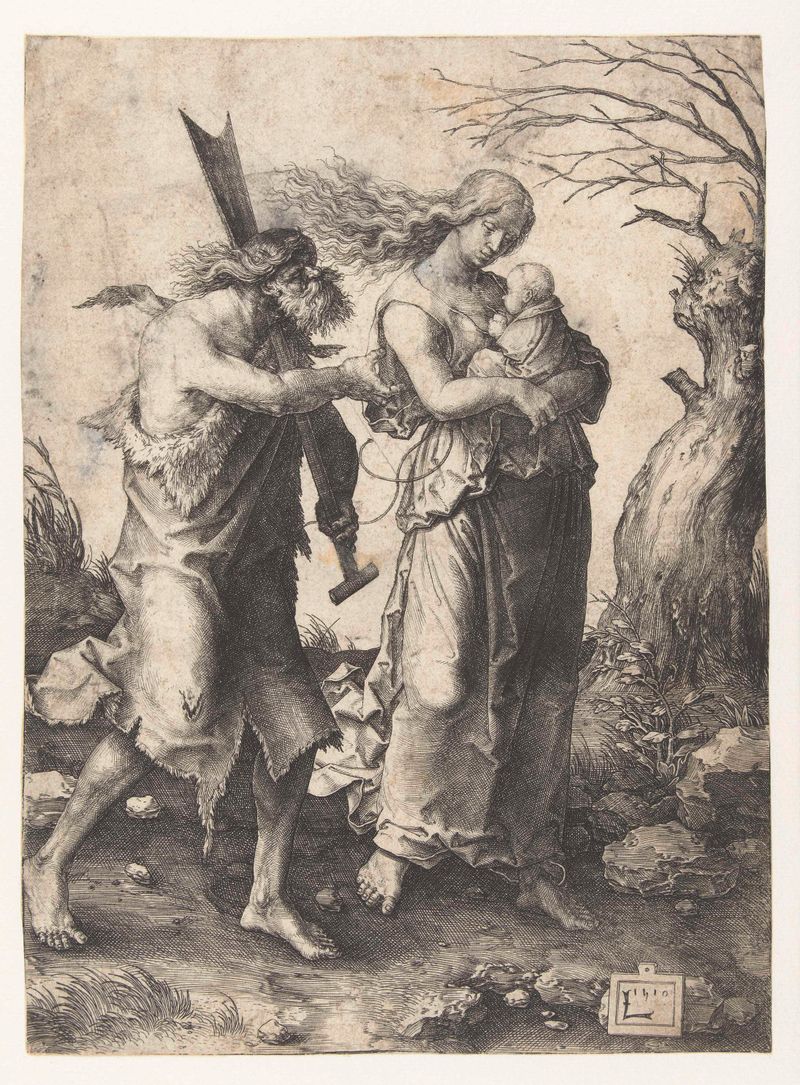
Adam en Eva na de verdrijving uit het paradijs
Lucas van Leyden
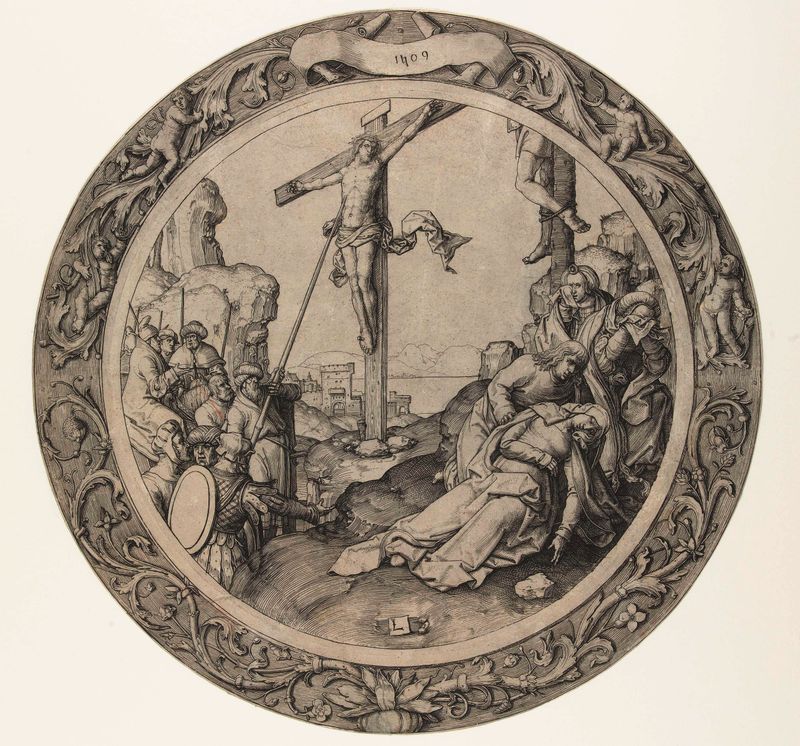
De kruisiging
Lucas van Leyden
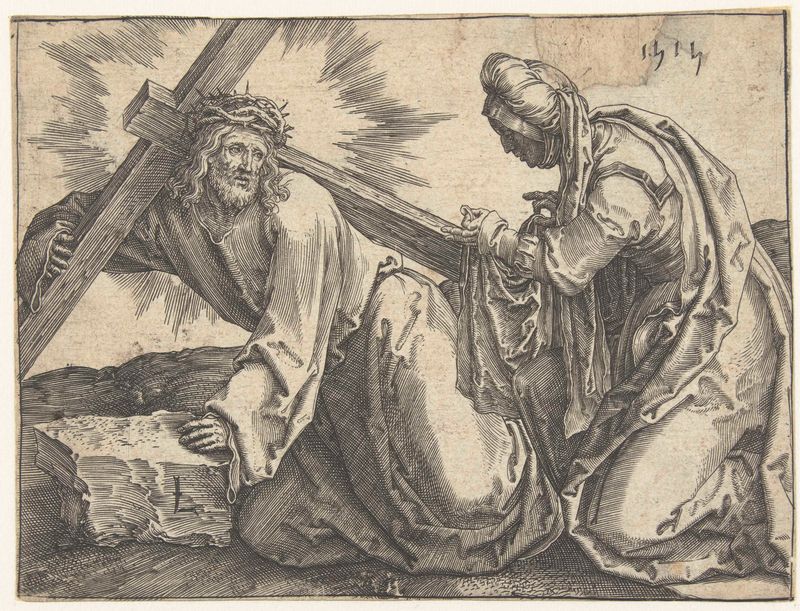
Kruisdraging
Lucas van Leyden
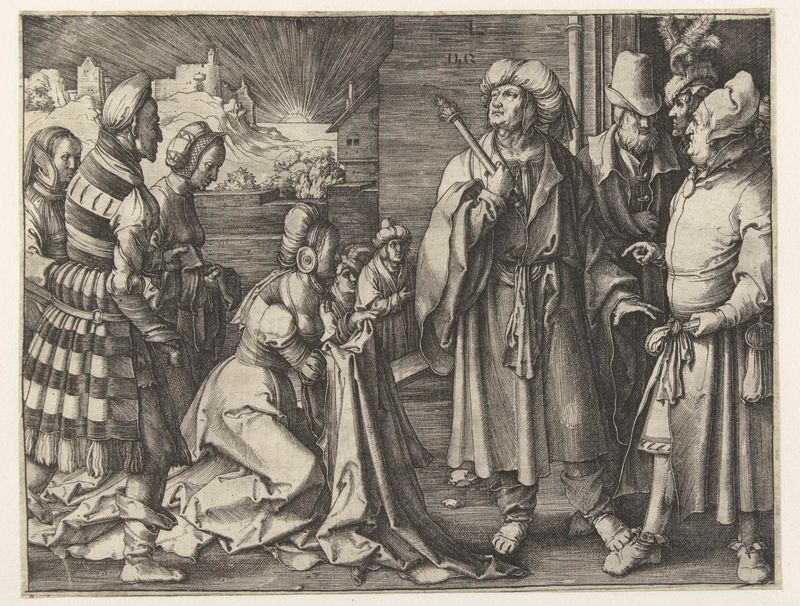
De vrouw van Potifar beschuldigt Jozef
Lucas van Leyden
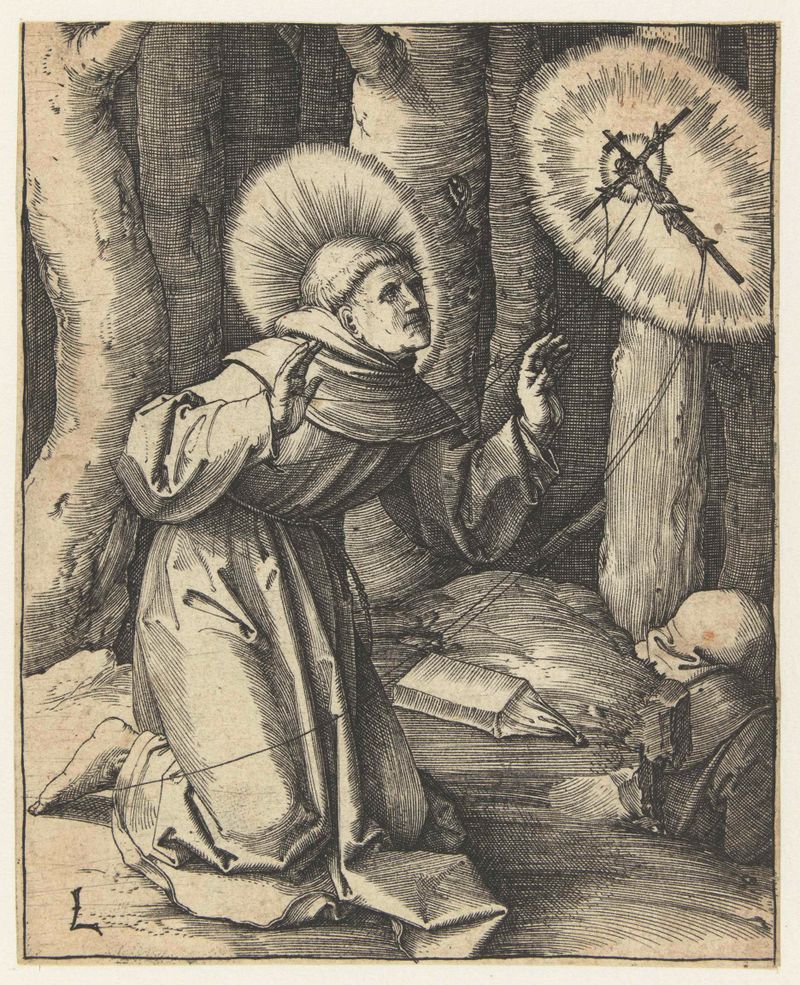
De stigmatisatie van de heilige Franciscus
Lucas van Leyden
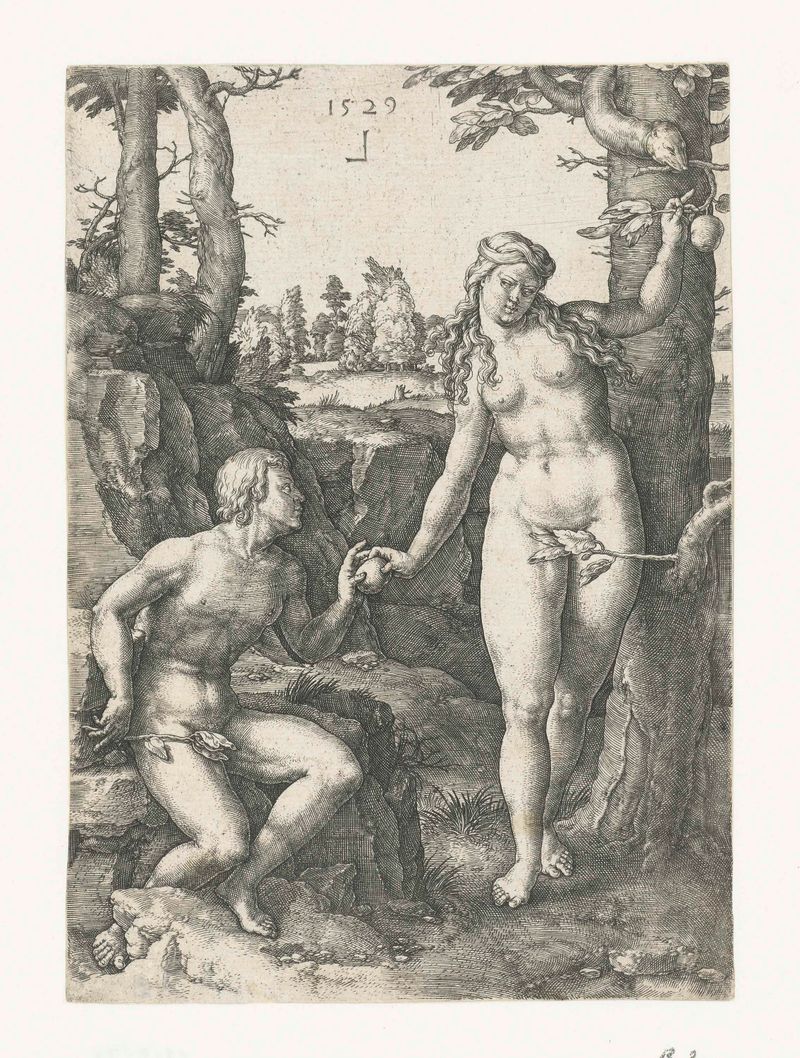
De zondeval
Lucas van Leyden
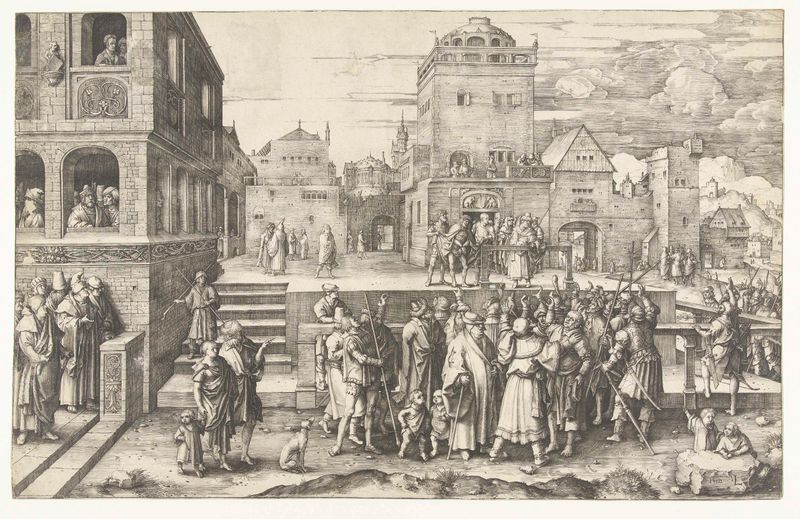
De grote Ecce Homo
Lucas van Leyden
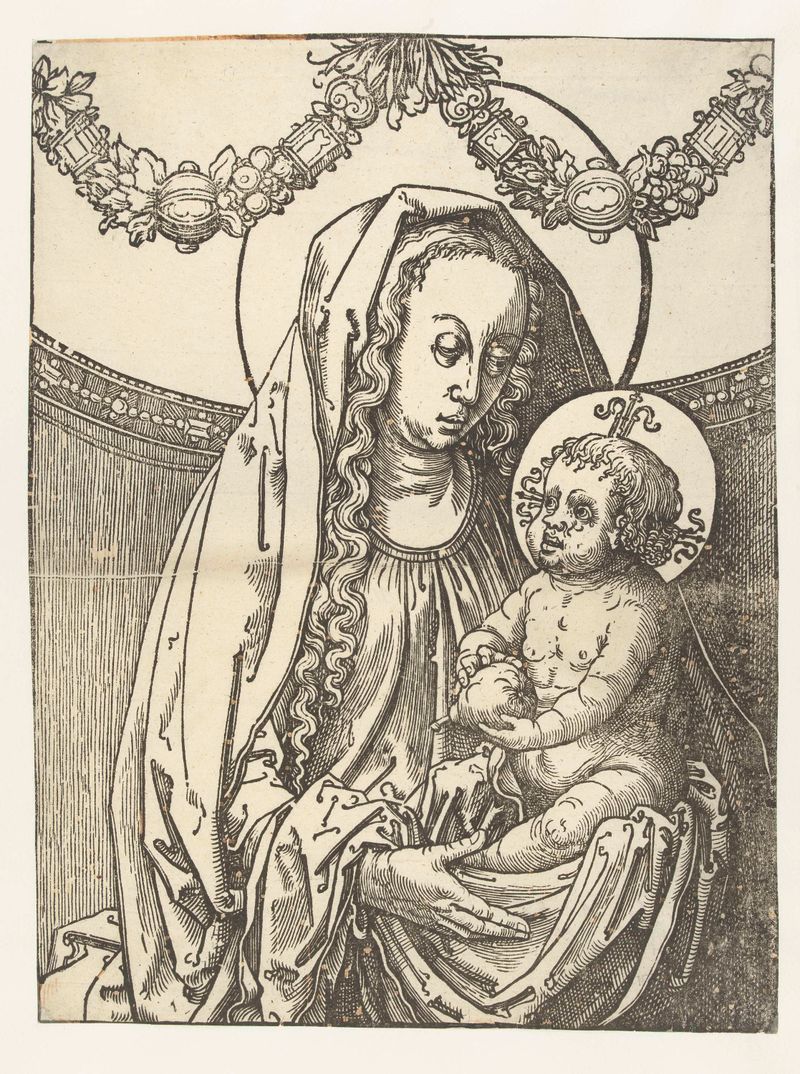
Maria met kind
Lucas van Leyden

Doornenkroning
Lucas van Leyden
More Religious Art
Browse all →
The Return of the Prodigal Son
Rembrandt van Rijn

The Garden of Earthly Delights
El Bosco

Count Orgaz’ funeral
El Greco

The Hundred Guilder Print: the central piece with Christ preaching, the plate arched
Rembrandt van Rijn

The Descent from the Cross
Rogier van der Weyden

The return of the prodigal son
Rembrandt van Rijn