
Christus voor Gods troon — History & Facts
In the intricate layers of art, hope emerges alongside sorrow, entwining like ivy on a crumbling façade. This duality is palpably present in a work that captures the essence of spiritual transcendence amidst earthly struggle. Look to the center of the composition, where the figure of Christ stands resplendent against a backdrop of divine radiance. The golden halo encircling his head catches the light, creating a striking contrast with the muted tones of the surrounding figures.
Notice how the soft drapery of his garments flows gracefully, symbolizing both grace and the weight of sacrifice. The artist’s meticulous attention to detail creates a rich tapestry of textures, inviting the viewer to study each element closely. Yet, beyond the apparent beauty lies a profound tension. The solemn expressions of those in attendance reflect deep reverence and a hint of despair, suggesting the heavy cost of divine salvation.
The juxtaposition of the serene Christ with the grieving onlookers hints at the emotional struggle inherent in faith and redemption. Each figure’s posture speaks volumes—some kneeling in submission, others gazing upward, as if wrestling with their aspiration for grace amidst their human flaws. Created between 1520 and 1562, this work emerges from a period of profound change in the art world and society, particularly amidst the Reformation. The artist, identified only as Monogrammist AC, crafted this piece during a time when spiritual themes were being contested, and the role of religious imagery was evolving.
The painting encapsulates not only a personal exploration of faith but also a broader dialogue within a rapidly shifting cultural landscape.
More Artworks by Monogrammist AC (16e eeuw)
Browse all →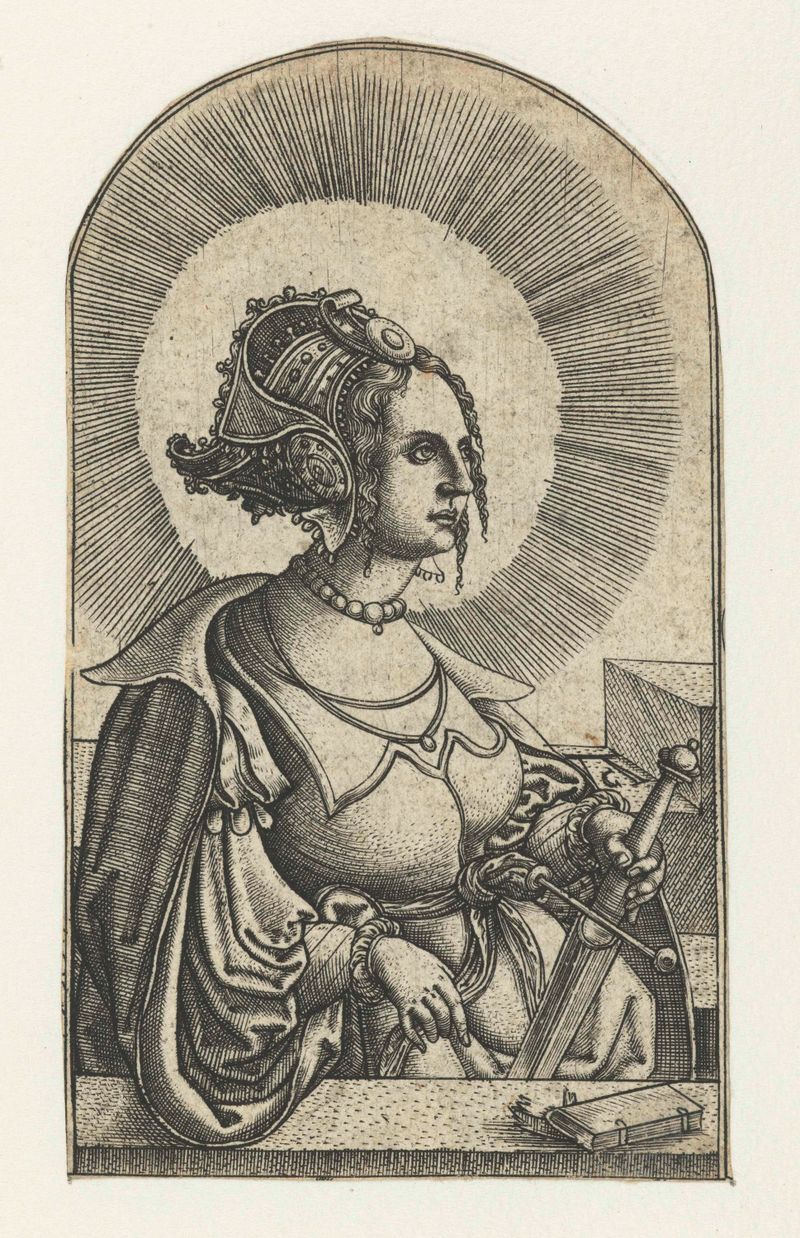
Heilige Catharina
Monogrammist AC (16e eeuw)
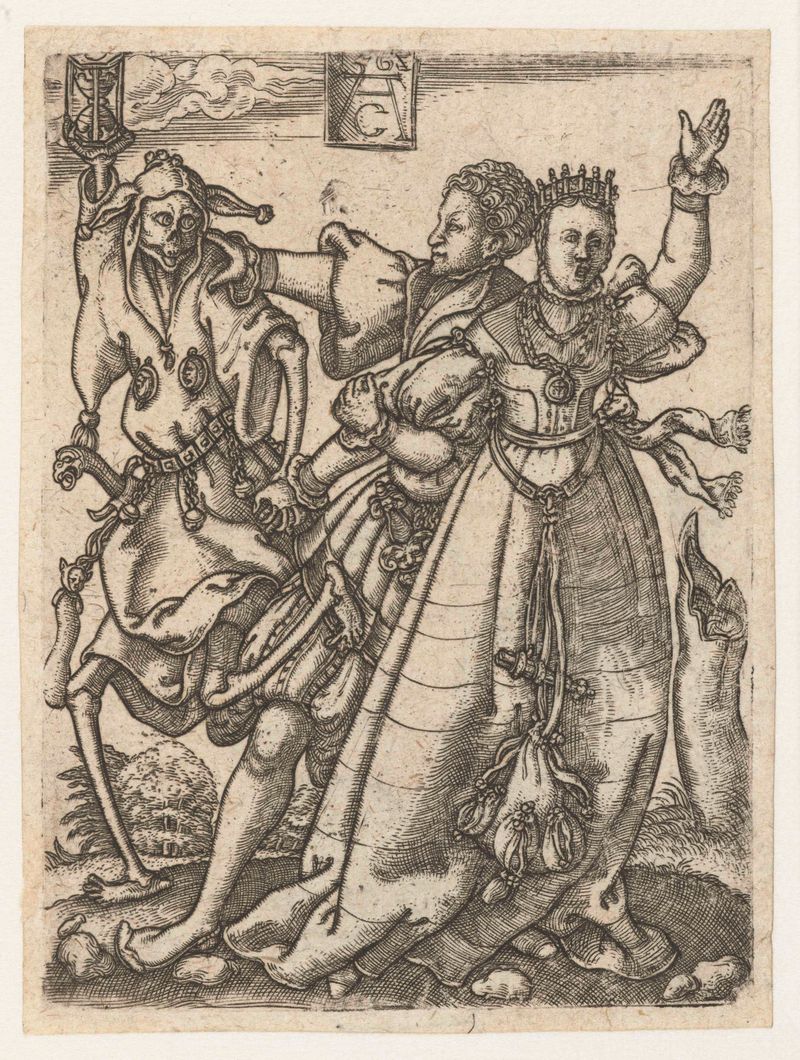
Echtpaar met de Dood
Monogrammist AC (16e eeuw)
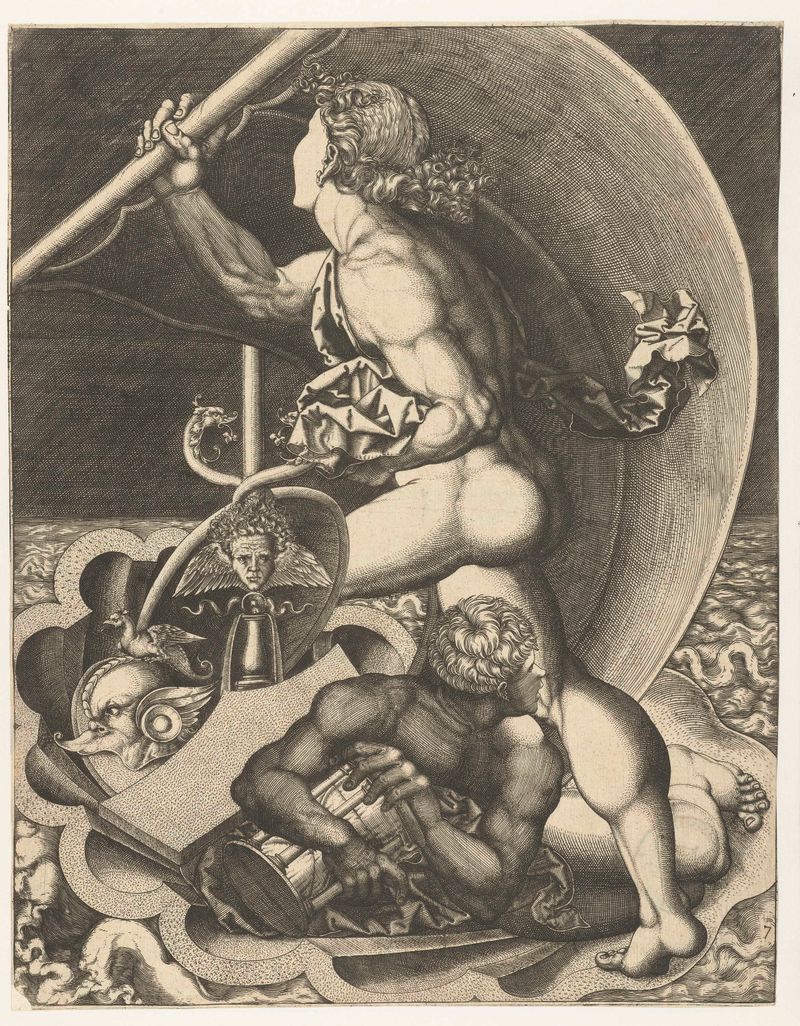
Allegorie van Tijd en Fortuin
Monogrammist AC (16e eeuw)

Portret van een jongeman (Vanitas)
Monogrammist AC (16e eeuw)

Heilige Martha en de draak
Monogrammist AC (16e eeuw)
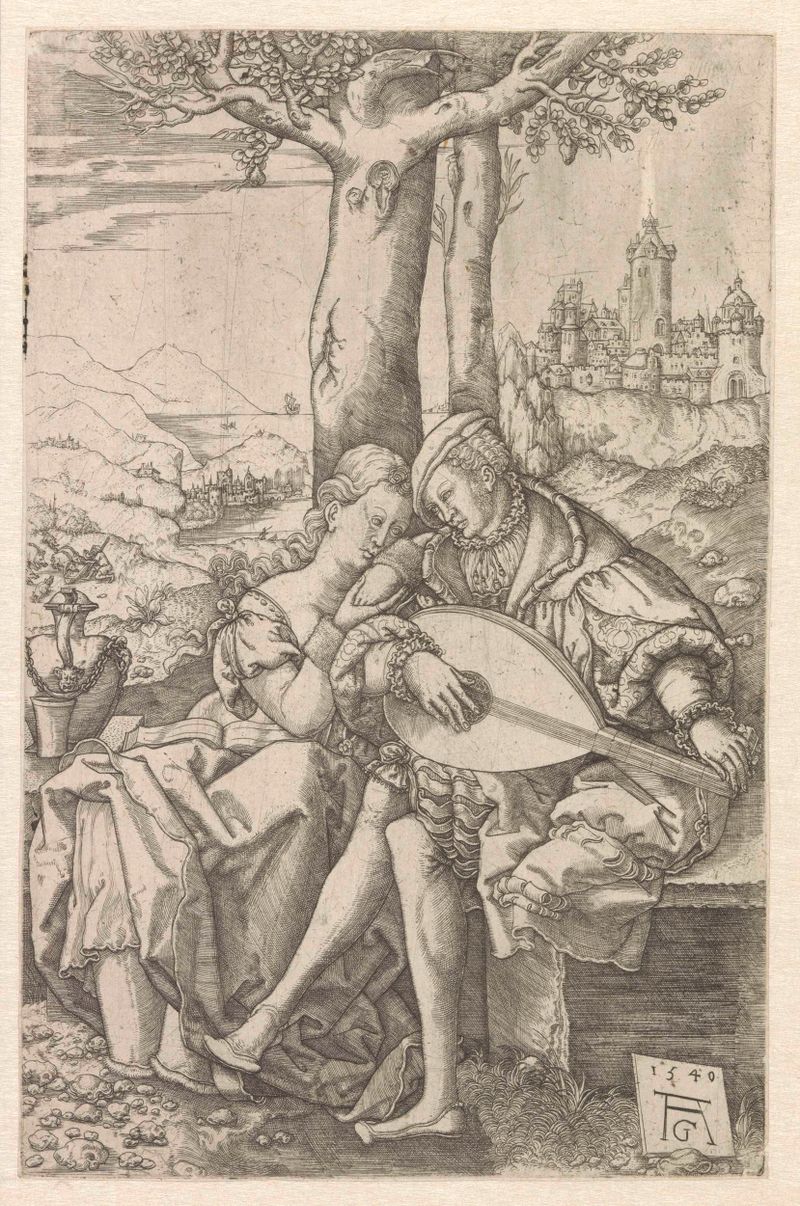
Twee verliefden onder een boom
Monogrammist AC (16e eeuw)
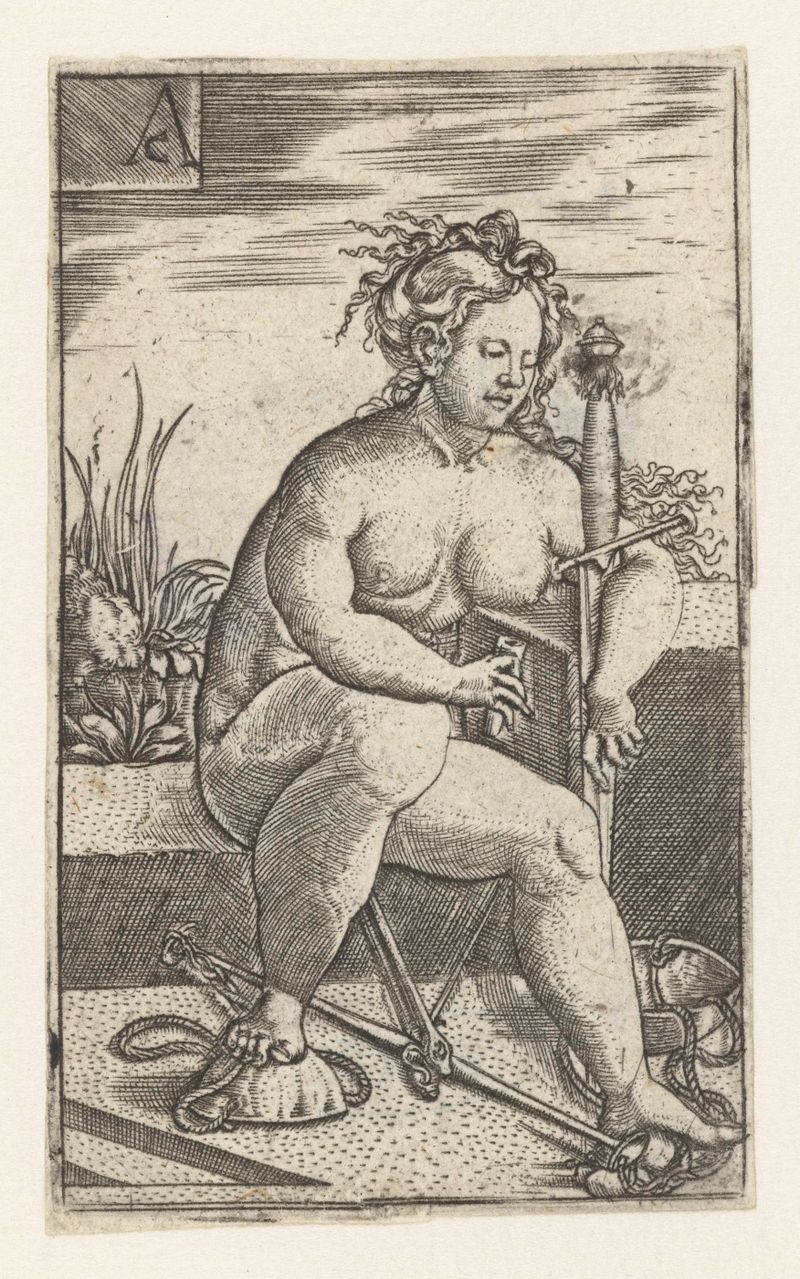
Gerechtigheid (Justitia)
Monogrammist AC (16e eeuw)
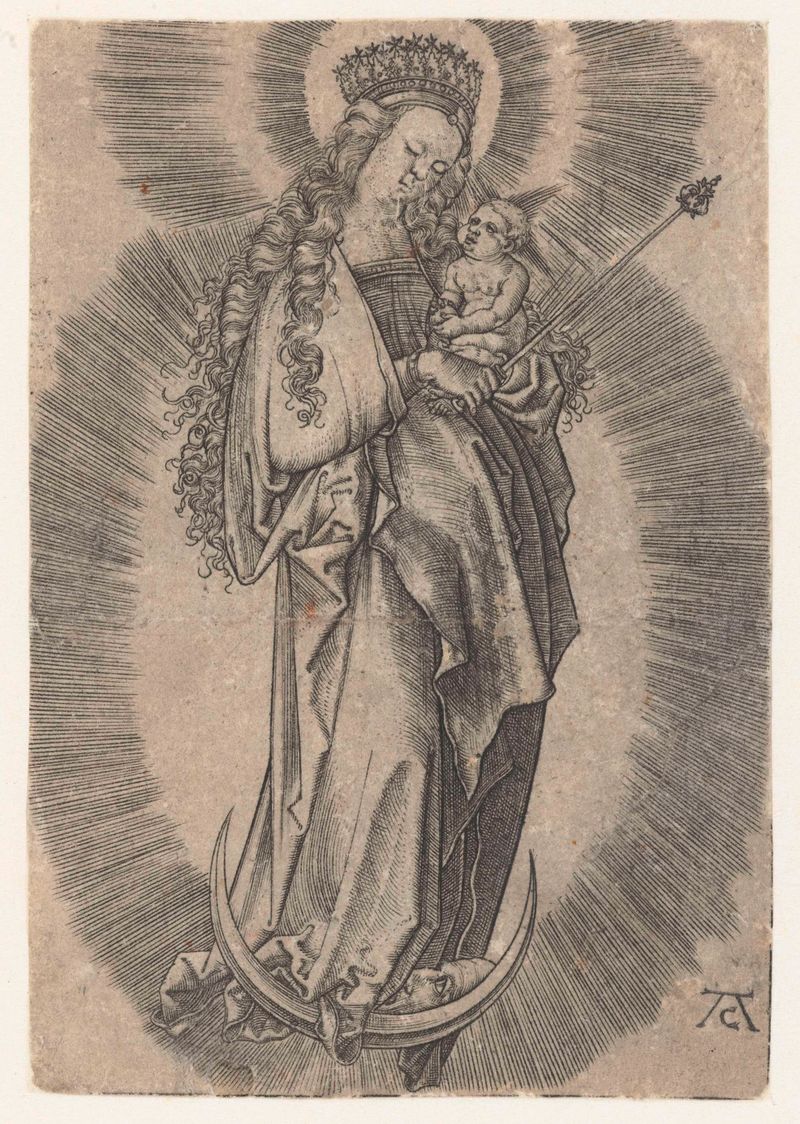
Madonna op de maansikkel.
Monogrammist AC (16e eeuw)
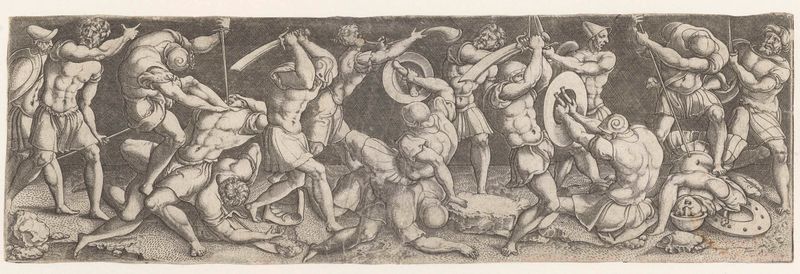
Gevecht tussen Romeinse soldaten
Monogrammist AC (16e eeuw)
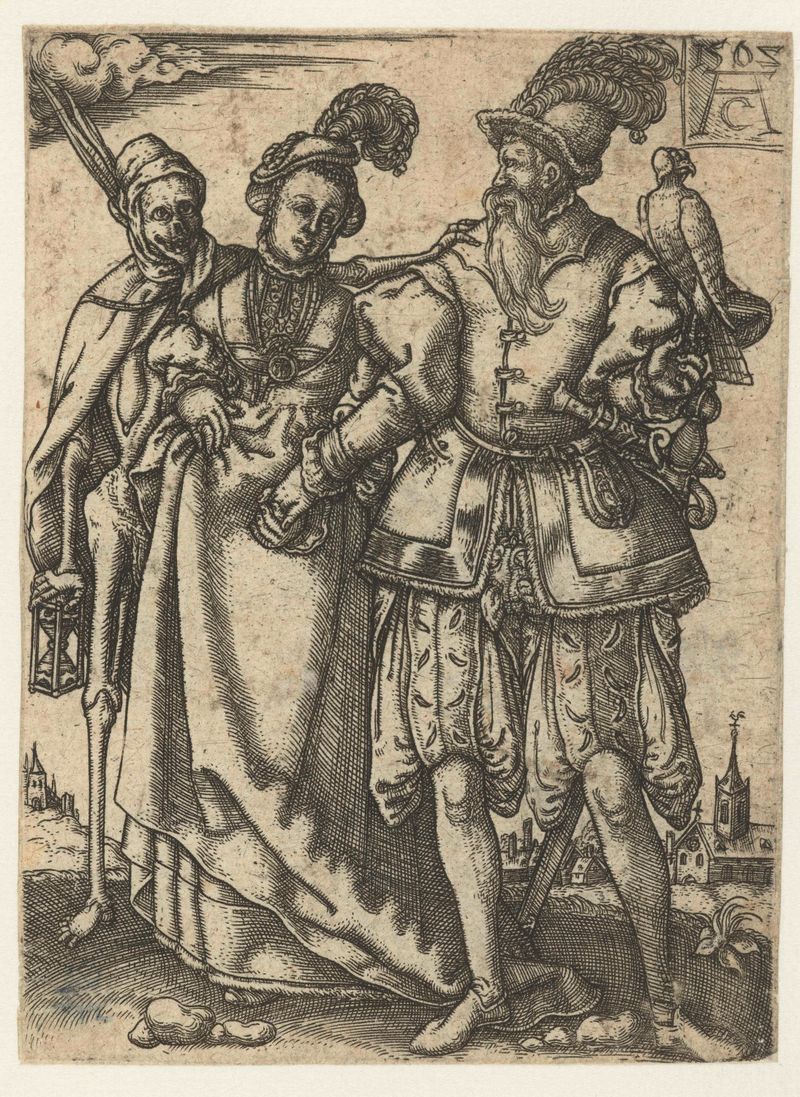
Echtpaar met de Dood
Monogrammist AC (16e eeuw)
More Religious Art
Browse all →
The Return of the Prodigal Son
Rembrandt van Rijn

The Garden of Earthly Delights
El Bosco

Count Orgaz’ funeral
El Greco

The Hundred Guilder Print: the central piece with Christ preaching, the plate arched
Rembrandt van Rijn

The Descent from the Cross
Rogier van der Weyden

The return of the prodigal son
Rembrandt van Rijn