
Christus wordt door Pilatus aan het volk getoond (Ecce Homo) — History & Facts
Did the painter know this moment would outlive them? A fleeting encounter between authority and innocence, caught in the tension of a choice that would echo through centuries. Look to the center of the composition, where a pale-skinned figure stands, bound in humility, yet exuding an aura of strength amidst turmoil. Notice how the luminous light cascades over his form, highlighting the subtle contours of his face, capturing a complexity of emotions: sorrow, resignation, and an unwavering resolve. The figures surrounding him, from the menacing guards to the agitated crowd, amplify the drama with their gestures—a clenched fist here, a raised brow there—all painted in a palette of muted earth tones that contrasts sharply with the radiant figure. Delve deeper into the scene, and you’ll uncover layers of meaning—how the somber gaze of Christ subtly challenges the viewer’s perspective on power and justice.
The almost palpable tension between Pilate and the crowd hints at the struggle between popular will and moral conviction, a theme relevant in every era of history. The dissonance of the surrounding chaos against the serene portrayal of Christ encapsulates the emotional weight of this moment, suggesting that the true revolution lies not in the act of violence, but in the silent stand of one against many. In 1509, Lucas van Leyden created this pivotal work during a time when Northern Renaissance art was flourishing, blending intricate detail with profound narratives. Working in a decade marked by artistic innovation and burgeoning humanism, he sought to reflect not only biblical truths but also the societal tensions of his day, which foreshadowed the broader religious upheavals to come.
More Artworks by Lucas van Leyden
Browse all →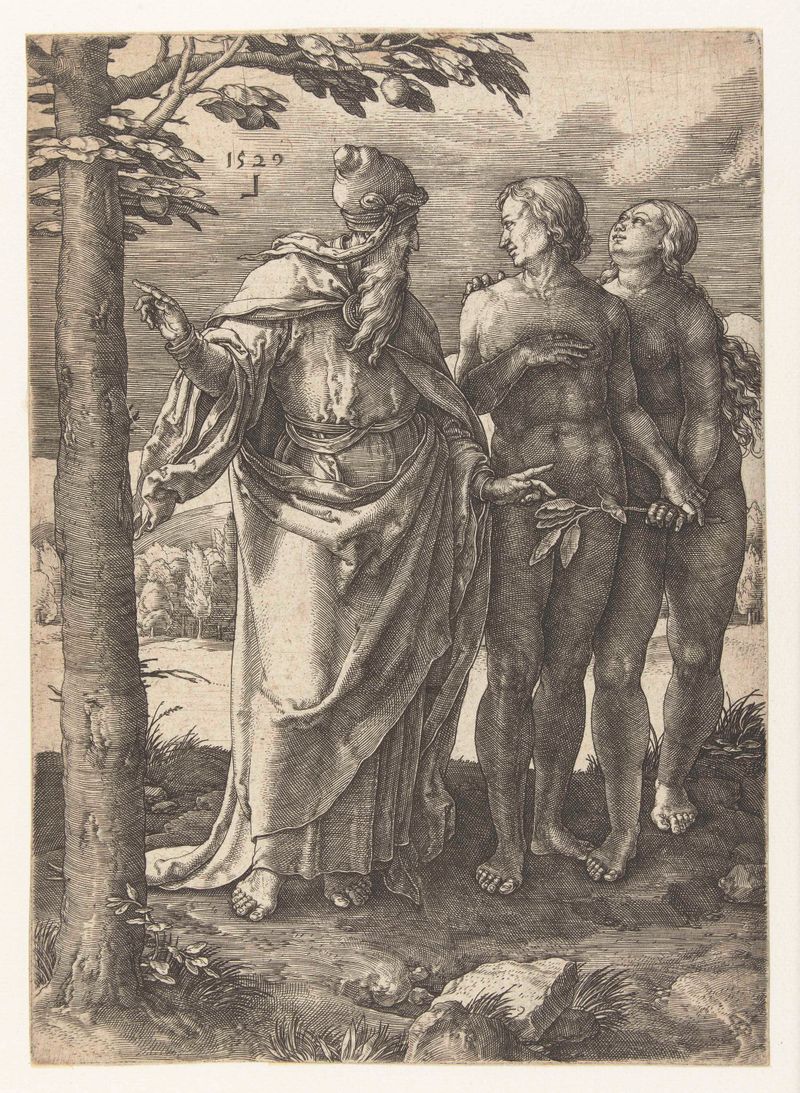
Het eerste verbod
Lucas van Leyden
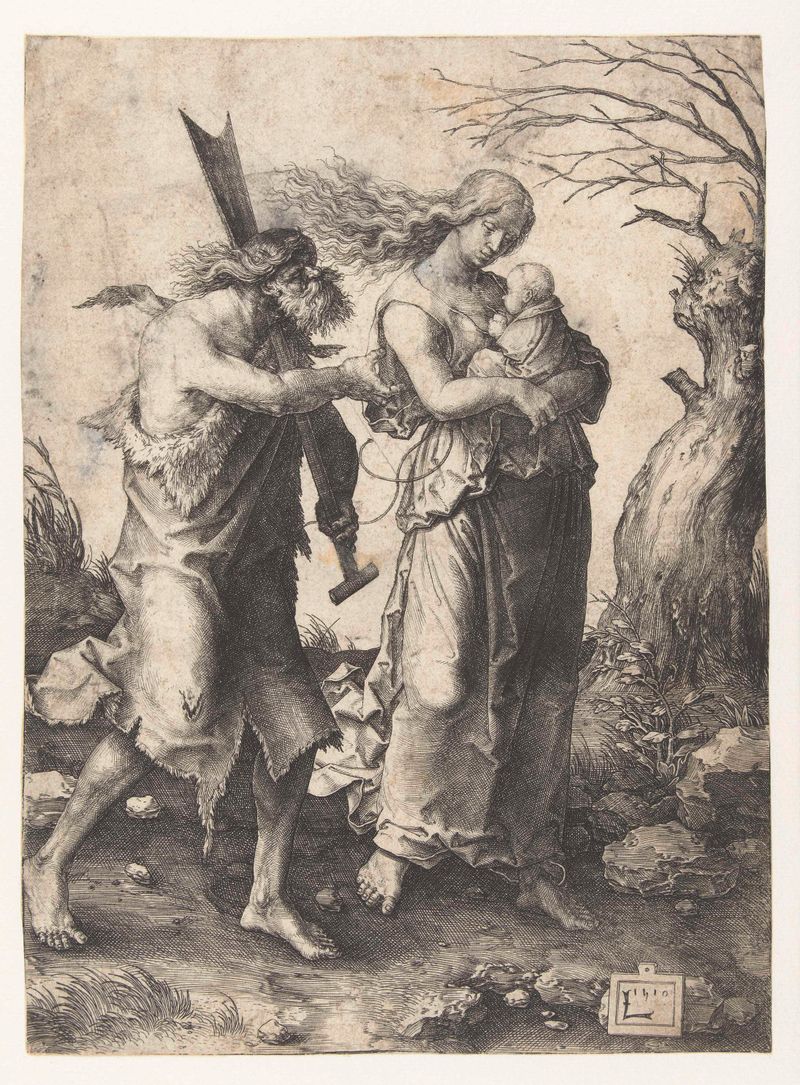
Adam en Eva na de verdrijving uit het paradijs
Lucas van Leyden
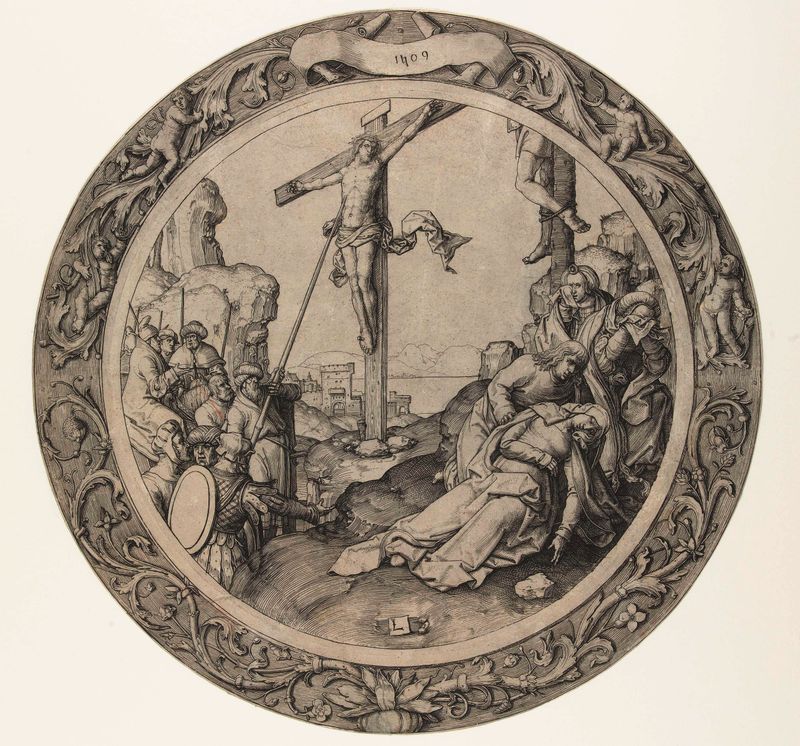
De kruisiging
Lucas van Leyden
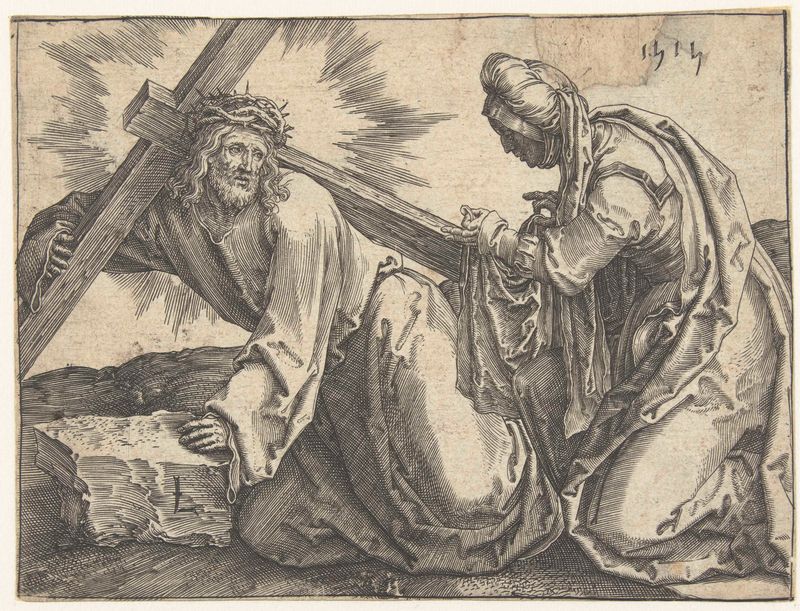
Kruisdraging
Lucas van Leyden
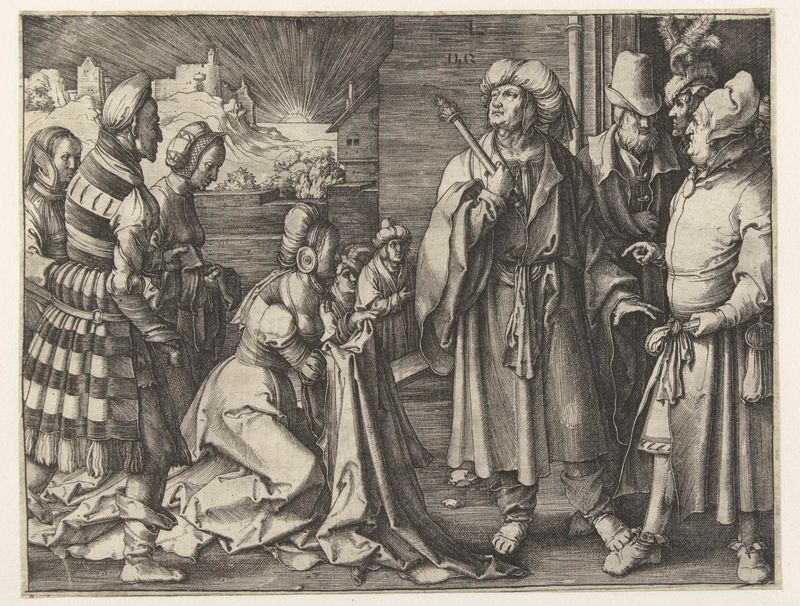
De vrouw van Potifar beschuldigt Jozef
Lucas van Leyden
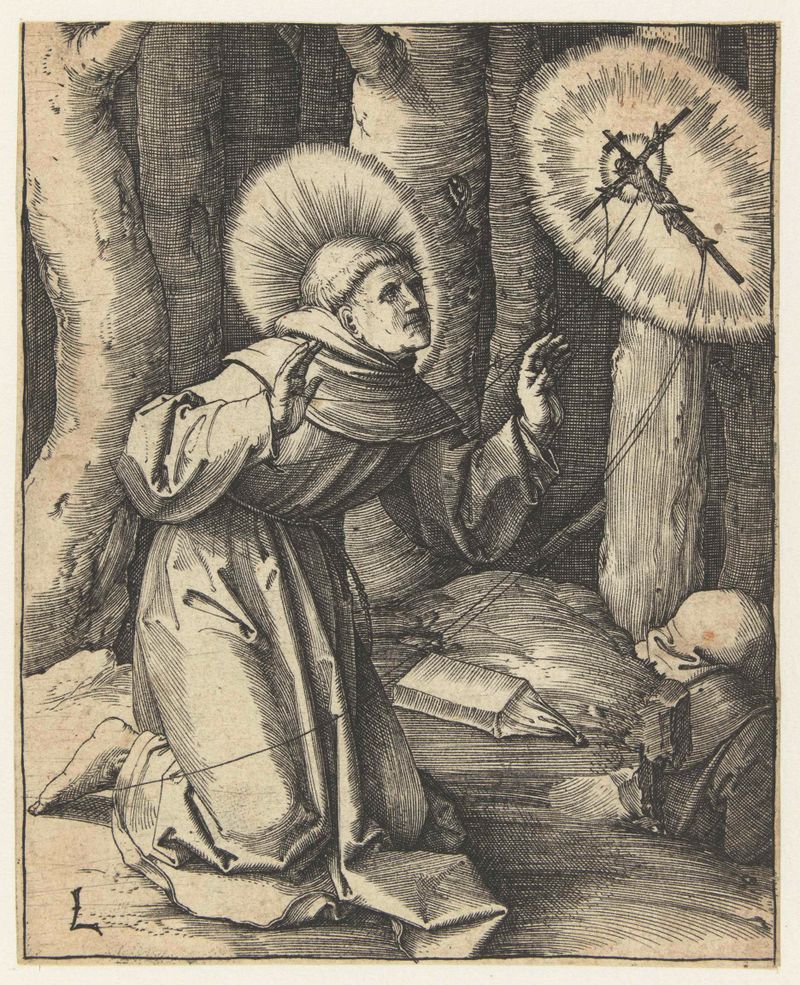
De stigmatisatie van de heilige Franciscus
Lucas van Leyden
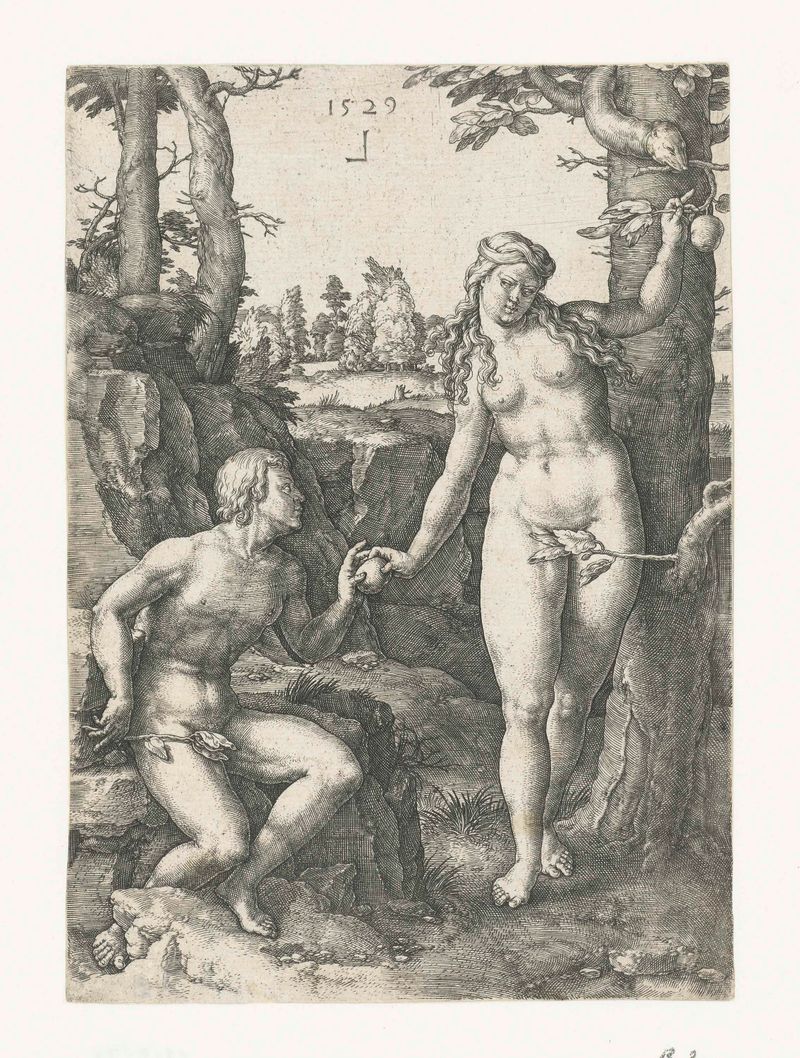
De zondeval
Lucas van Leyden
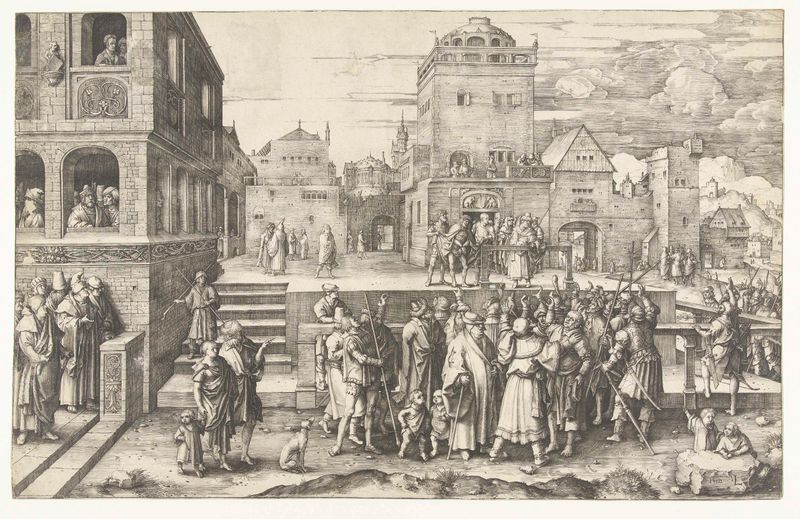
De grote Ecce Homo
Lucas van Leyden
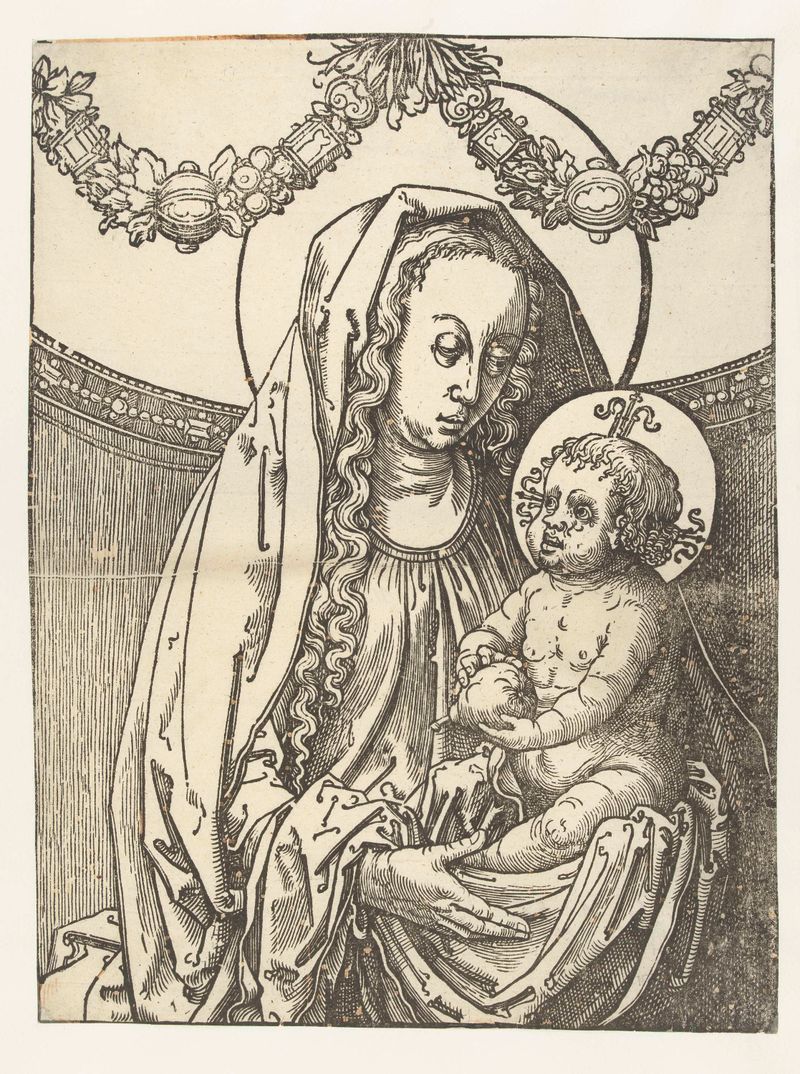
Maria met kind
Lucas van Leyden

Doornenkroning
Lucas van Leyden
More Religious Art
Browse all →
The Return of the Prodigal Son
Rembrandt van Rijn

The Garden of Earthly Delights
El Bosco

Count Orgaz’ funeral
El Greco

The Hundred Guilder Print: the central piece with Christ preaching, the plate arched
Rembrandt van Rijn

The Descent from the Cross
Rogier van der Weyden

The return of the prodigal son
Rembrandt van Rijn