
Chuo shijo (The Central Market) — History & Facts
In the stillness of a bustling market, movement dances through the air like an unspoken secret, weaving tales of life and commerce. The juxtaposition of sharp lines and soft hues invites viewers to ponder the stories behind each figure, urging them to listen beyond the surface. Look to the foreground, where the vibrant colors of vendors’ wares catch the eye, creating a tapestry of life. Notice how the cool blues and subtle greens of the background contrast with the warm yellows and reds of the produce, guiding your gaze toward the heart of the scene.
The artist employs delicate brushwork to convey the rhythm of the market, with each stroke echoing the pulse of human activity intertwined with nature. There is a palpable tension between intimacy and anonymity; the figures bustle about, yet their faces remain elusive, blurring the line between individual narratives and collective experience. The play of light reveals shadows, hinting at the deeper stories hidden in the corners and alleys of daily life. The dynamic movement encapsulated within the still image breathes life into the moment, reminding us that every transaction is steeped in significance. In 1936, Kawase Hasui painted this scene in Japan, during a time of tremendous change and modernization.
The world was transitioning, and traditional marketplaces were adapting to the encroaching influences of urbanization. As part of the Shin-hanga movement, Hasui sought to capture the beauty of everyday life through his printmaking, blending Western techniques with traditional Japanese aesthetics, thus preserving the essence of culture amidst shifting societal landscapes.
More Artworks by Kawase Hasui
Browse all →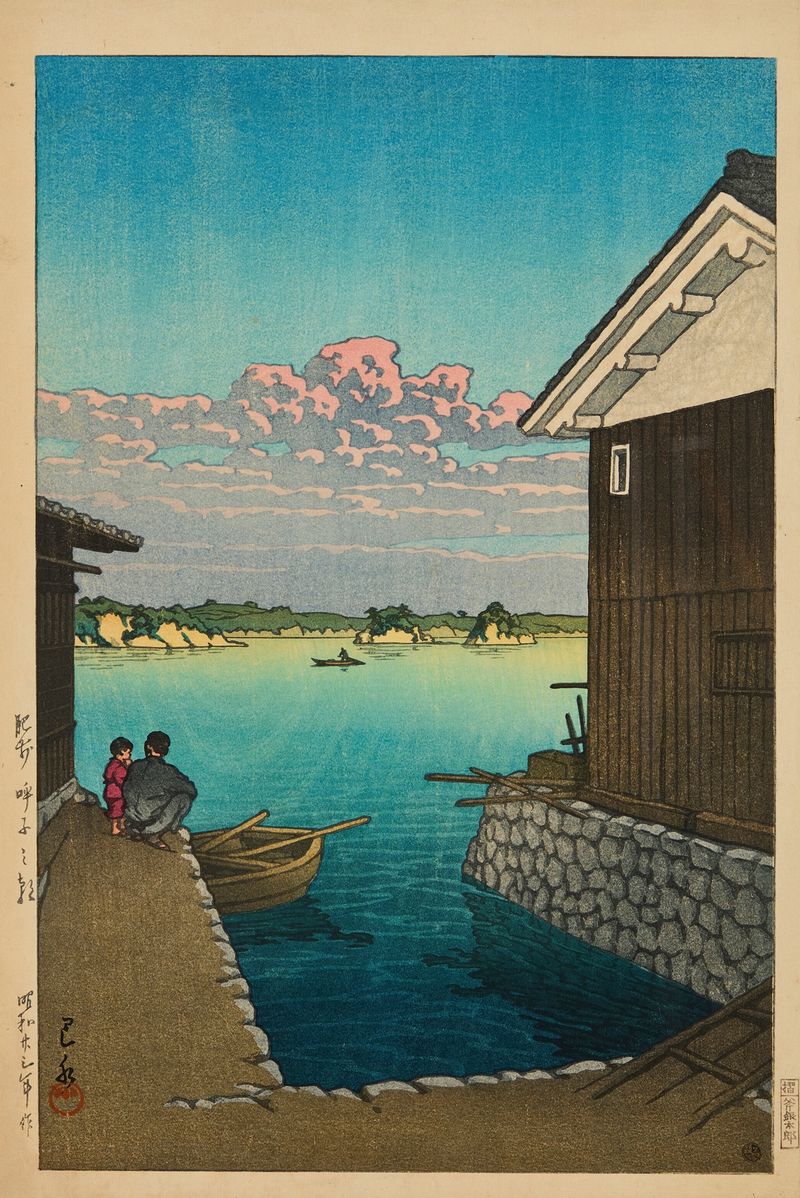
Hizen Yobuko no asa (Morning in Yobuko, Hizen)
Kawase Hasui
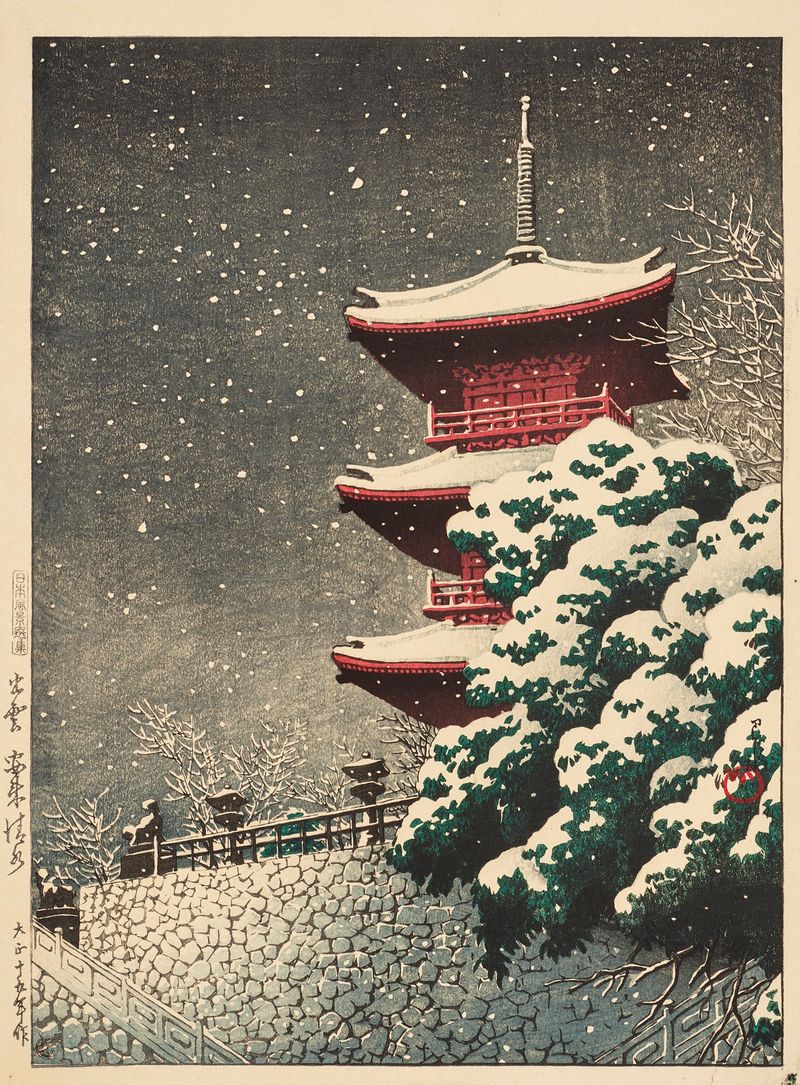
Izumo, Yasugi Kiyomizu (Yasugi Kiyomizu Temple at Izumo)
Kawase Hasui
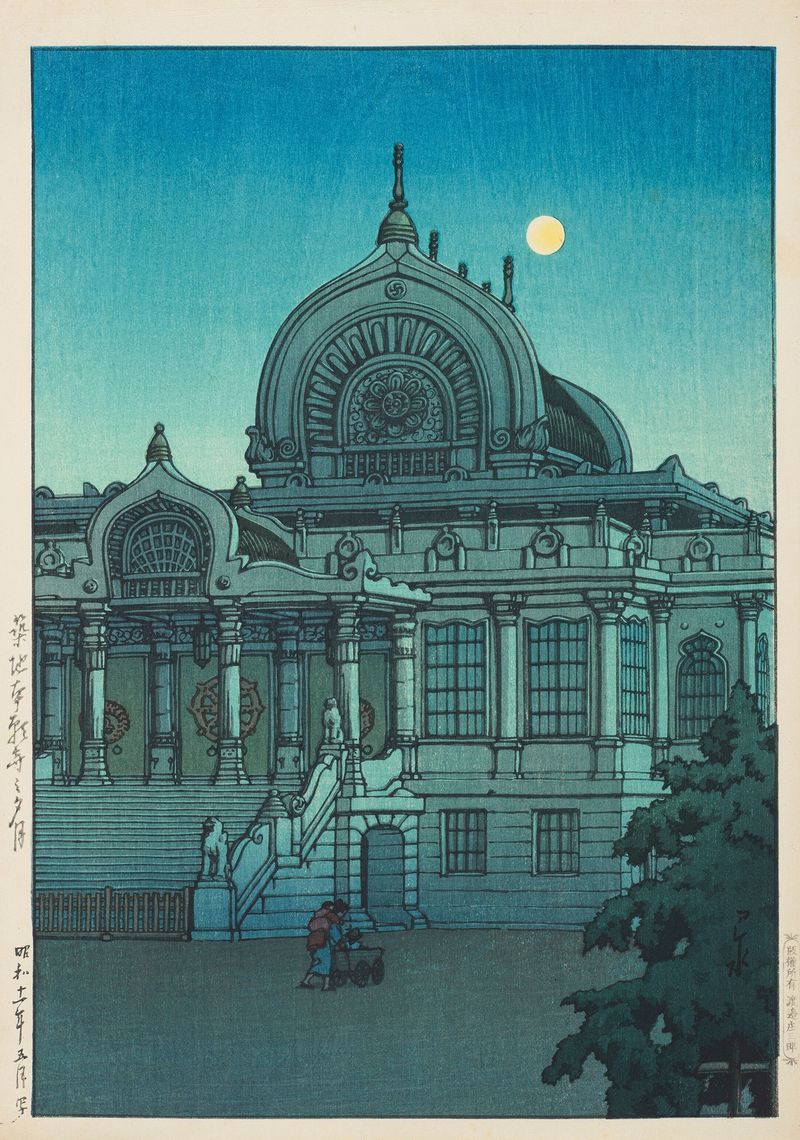
Tsukiji Honganji no yuzuki (Evening moon at Honganji Temple in Tsukiji)
Kawase Hasui
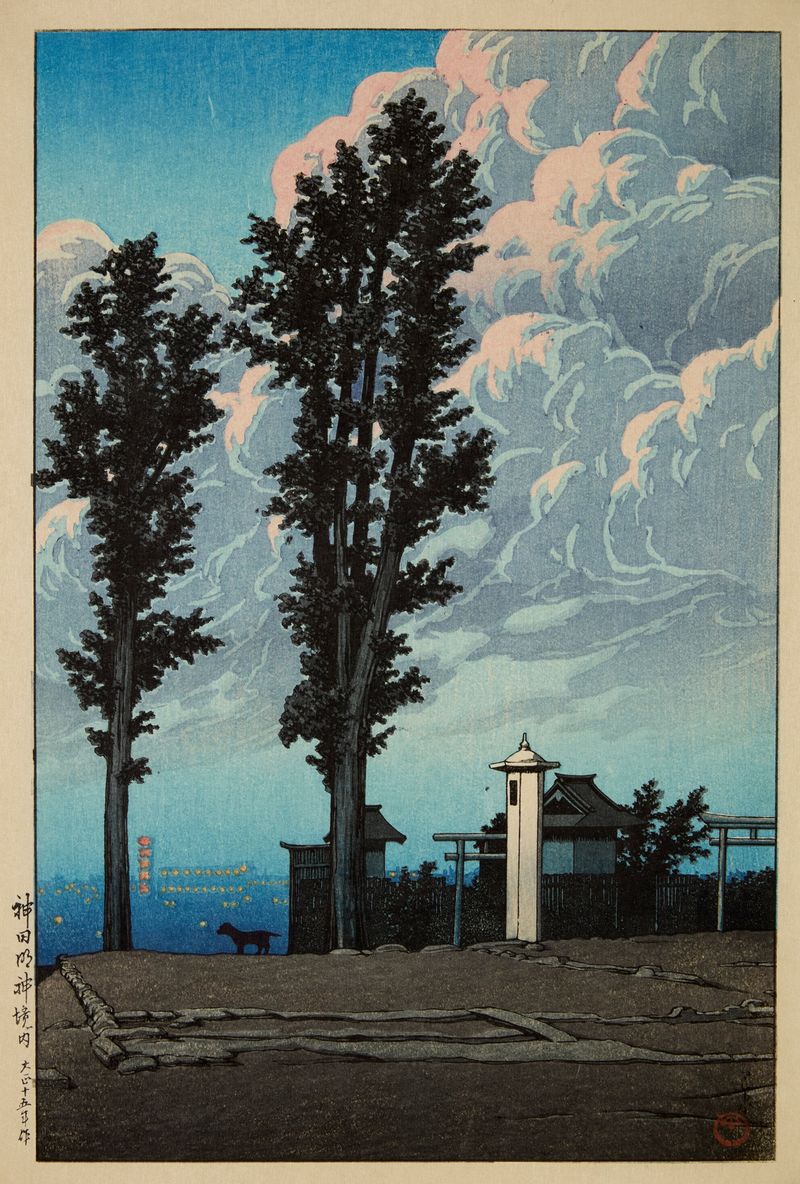
Kanda Myojin keidai (Kanda Myojin Shrine precent)
Kawase Hasui
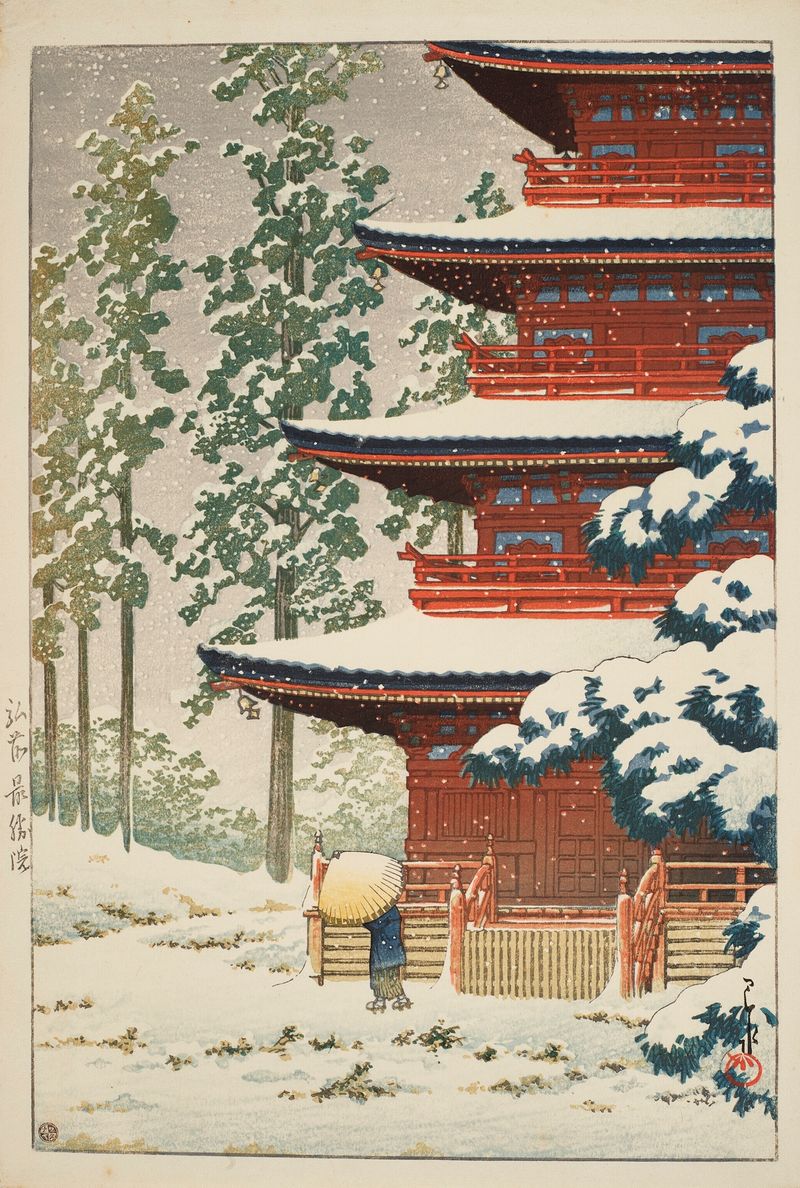
Saisho-in Temple, Hirosaki
Kawase Hasui
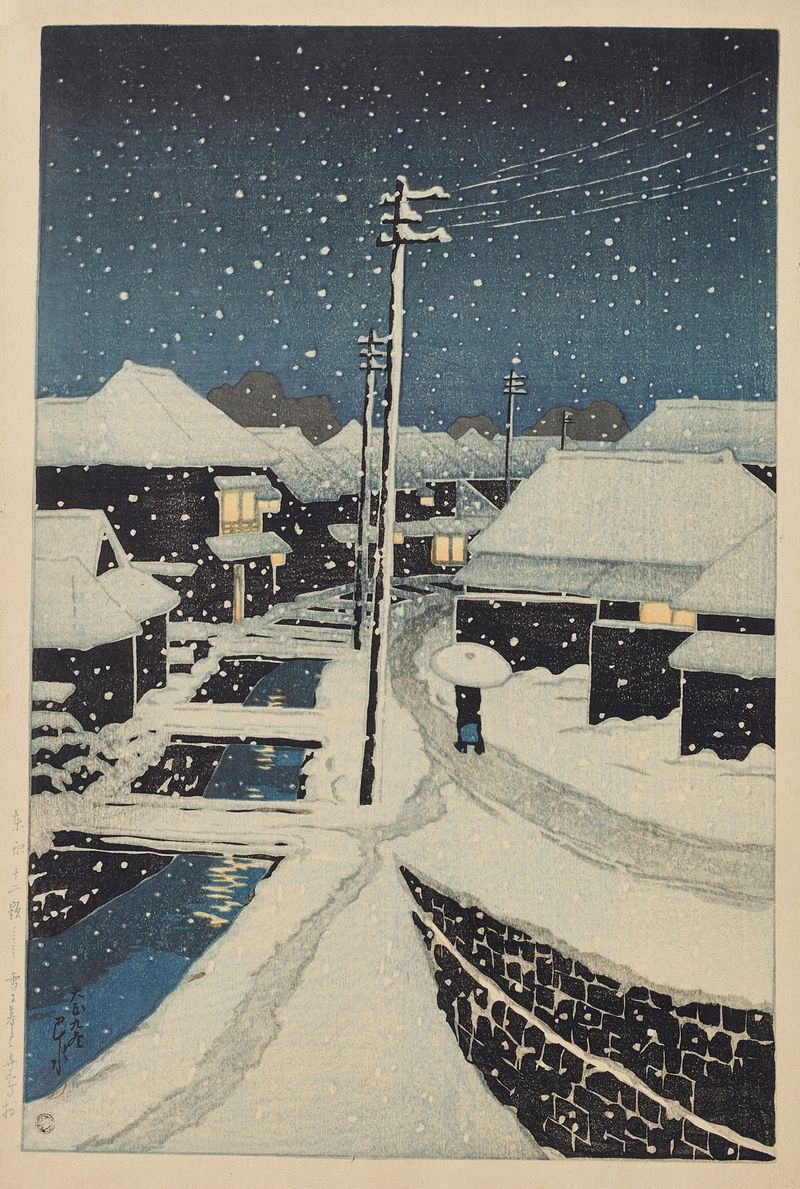
Yuki ni fururu Terajima mura (Evening snow at Terajima Village)
Kawase Hasui
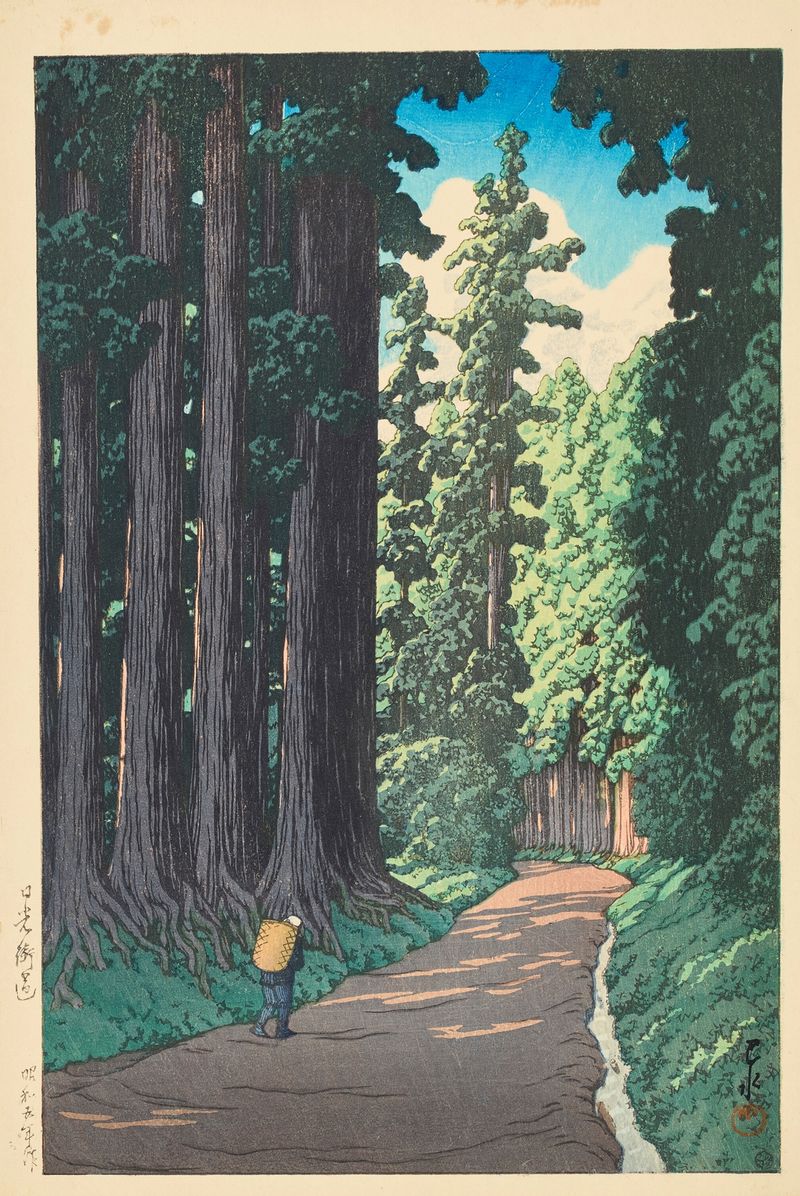
Nikko gaido (The Road to Nikko)
Kawase Hasui
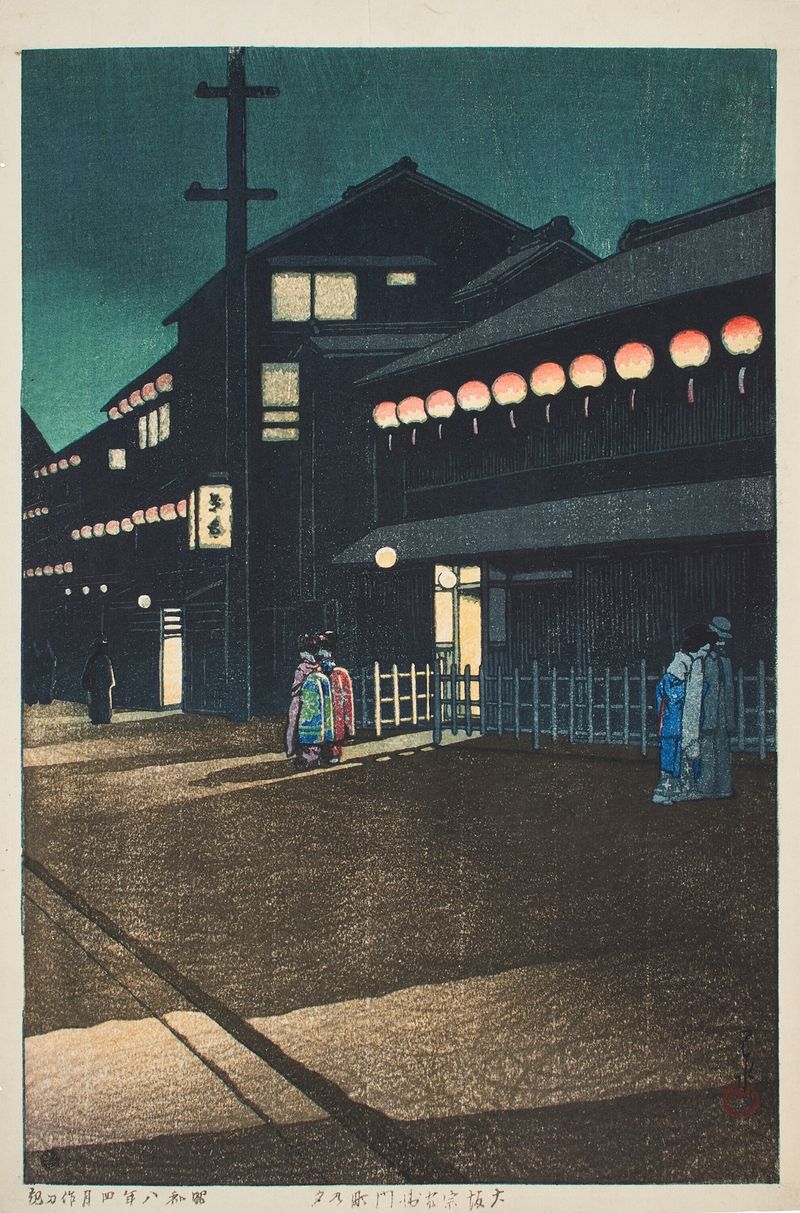
Osaka Soemon-cho no yu (Evening in Soemon-cho, Osaka)
Kawase Hasui
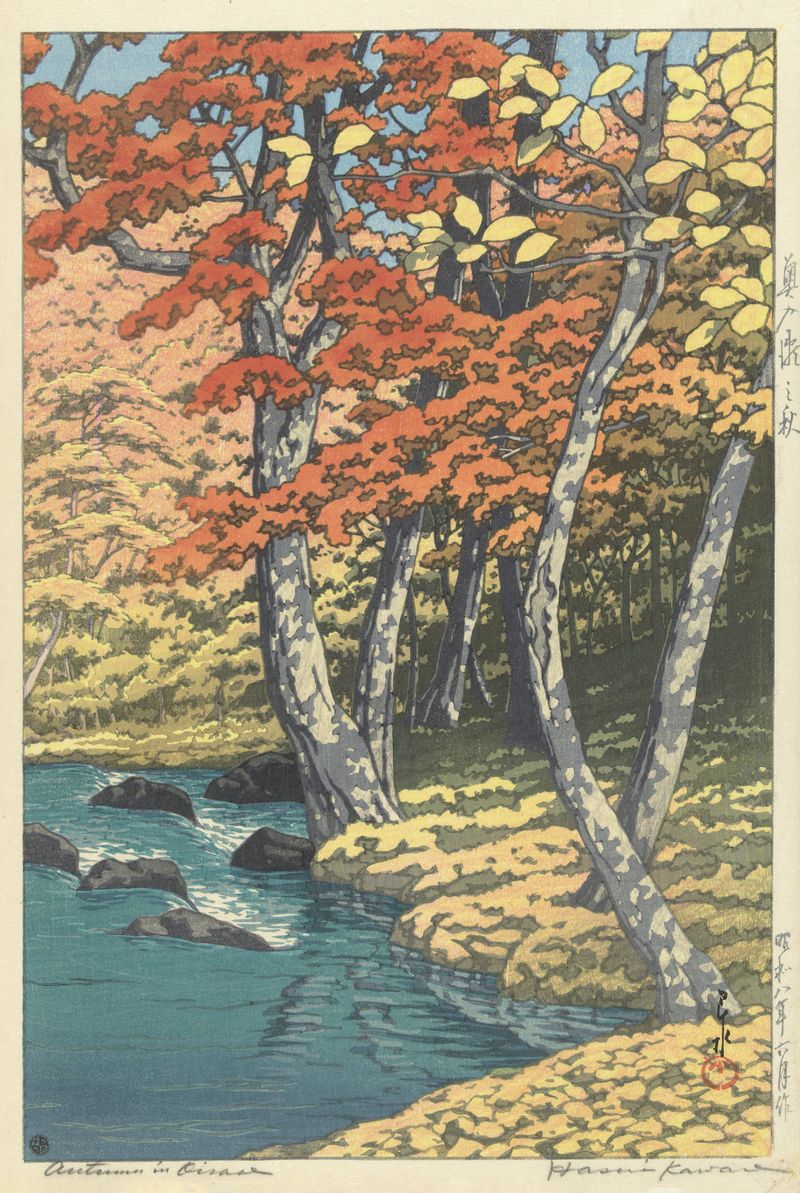
Autumn In Oirase
Kawase Hasui
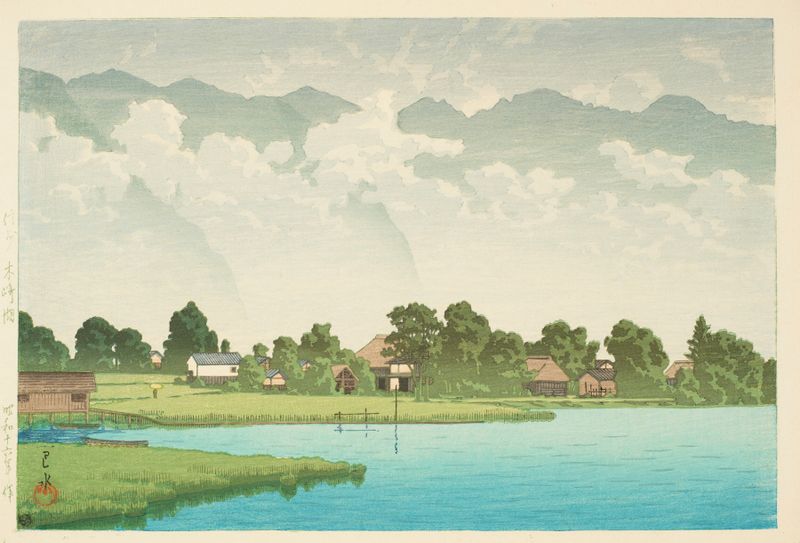
Shinshu Kizakiko (Kizaki Lake in Shinshu)
Kawase Hasui





