Church Silence — History & Facts
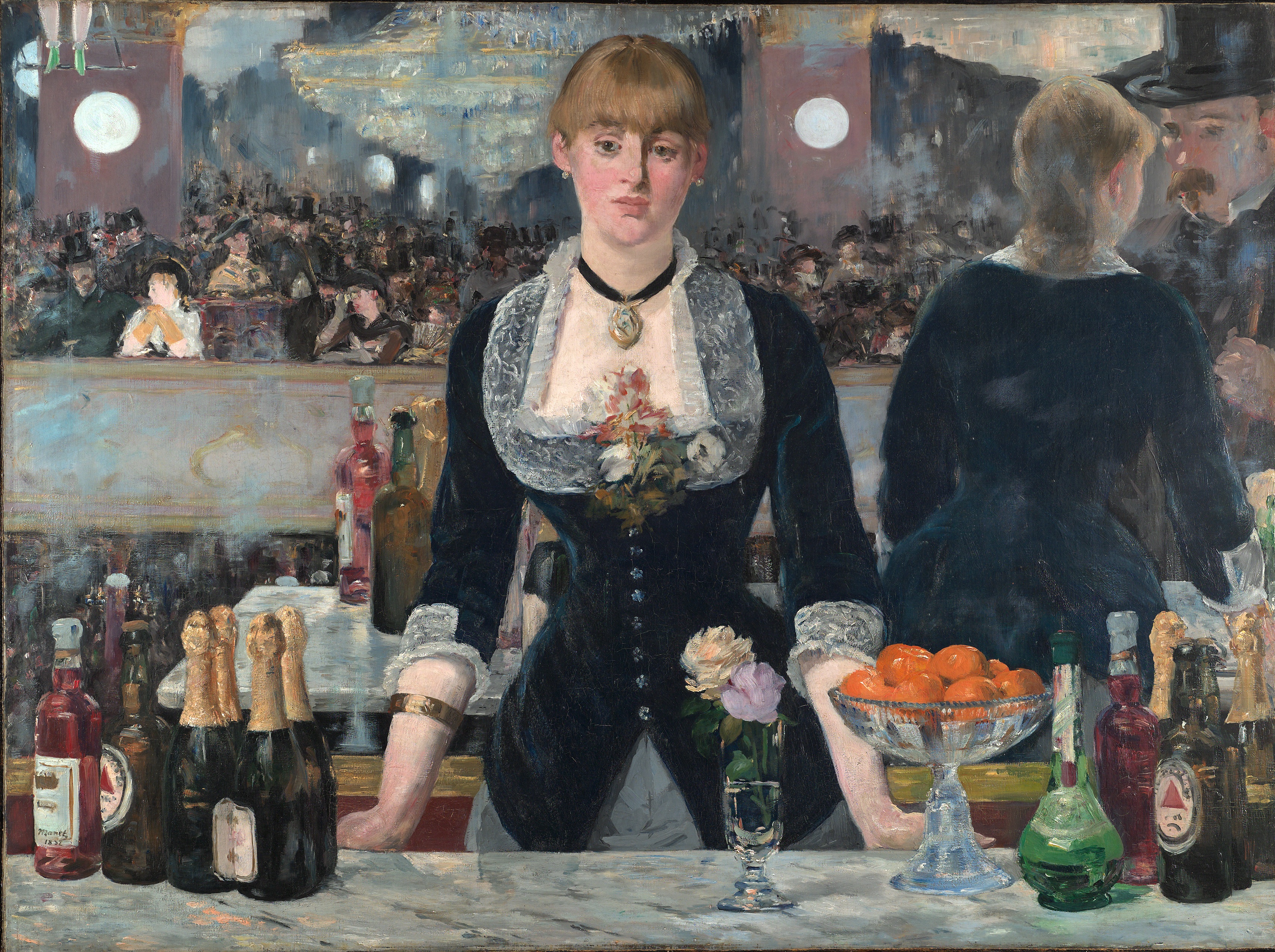
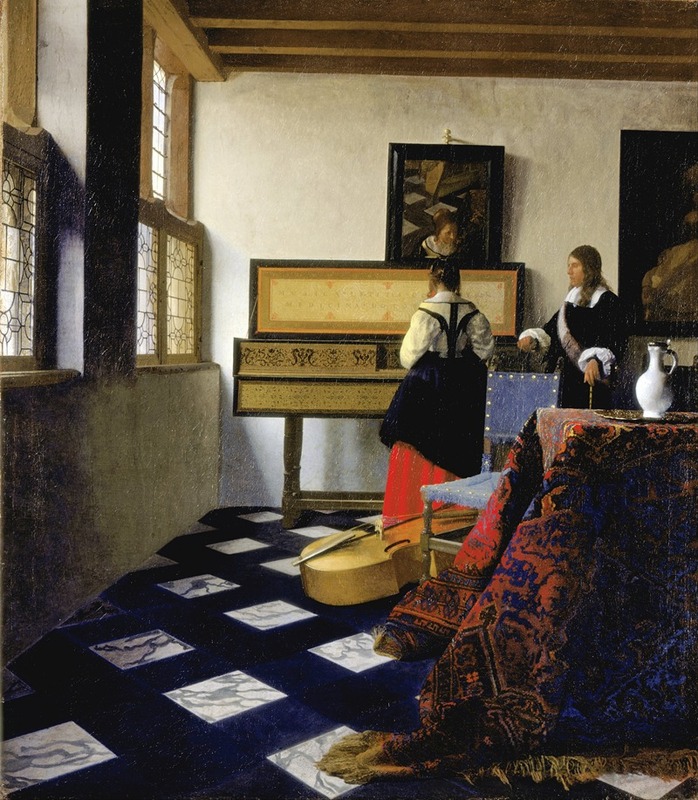
In a world where silence echoes, the heart beats heavier among the stillness, cloaked in an uneasy tranquility. Look to the left at the intricate woodwork of the church pews, their polished surfaces reflecting flickers of light that dance like whispers. The muted colors of the walls amplify the somber ambiance, wrapping the viewer in a cocoon of reverence. Notice how the light streams through the stained glass, casting fragmented rainbows that contrast with the solemn, dark corners, hinting at both hope and despair. In this sacred space, the juxtaposition of grandeur and isolation is palpable.
The rich golds and deep browns evoke a sense of warmth, yet the overall atmosphere stirs an undercurrent of fear, as if the beauty invites sorrow rather than comfort. Each detail—carefully rendered faces in the glass, the untouched dust of forgotten prayers—speaks volumes about the human condition, suggesting a yearning for connection amid the quietude of faith. During the years 1906 to 1910, the artist created this piece while navigating contemporary art's shift towards modernism in Poland. It was a time of both personal and national introspection, where tradition and innovation collided.
Kamocki, grounded in the academic styles of his education, sought to capture the sacredness of spaces that were simultaneously familiar and distant, reflecting his own search for meaning in an evolving world.
More Artworks by Stanisław Kamocki
Browse all →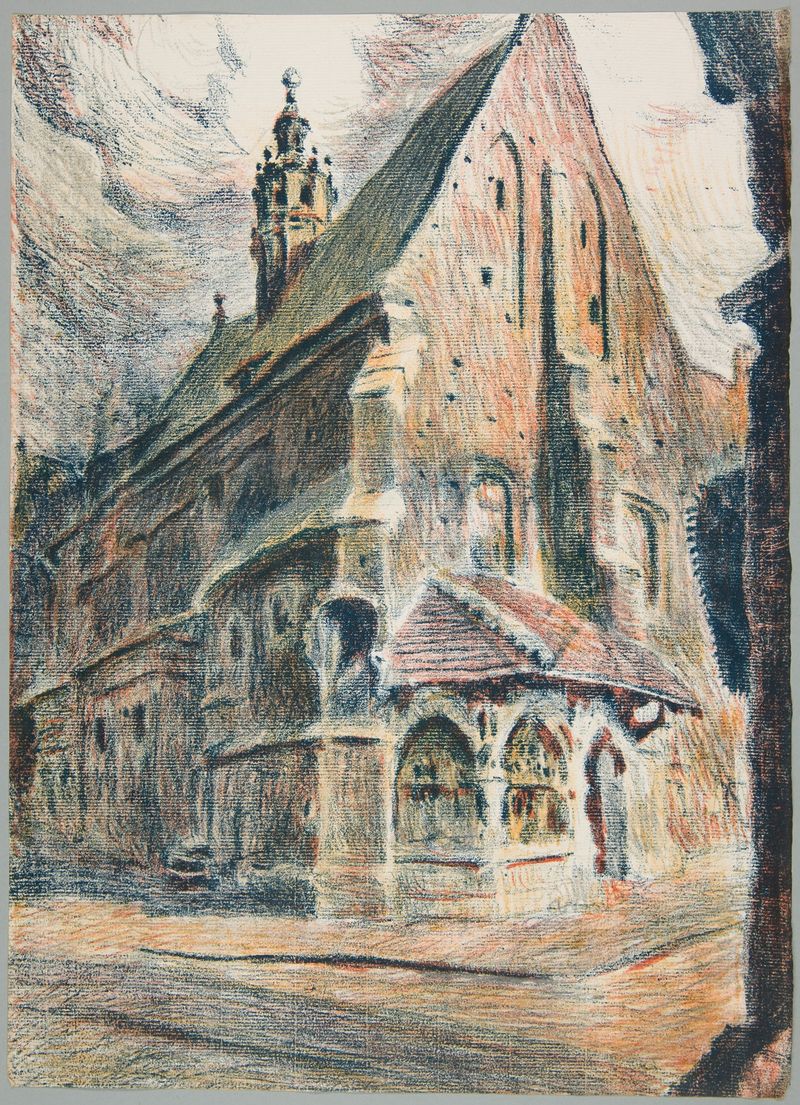
Church of St. Barbara
Stanisław Kamocki
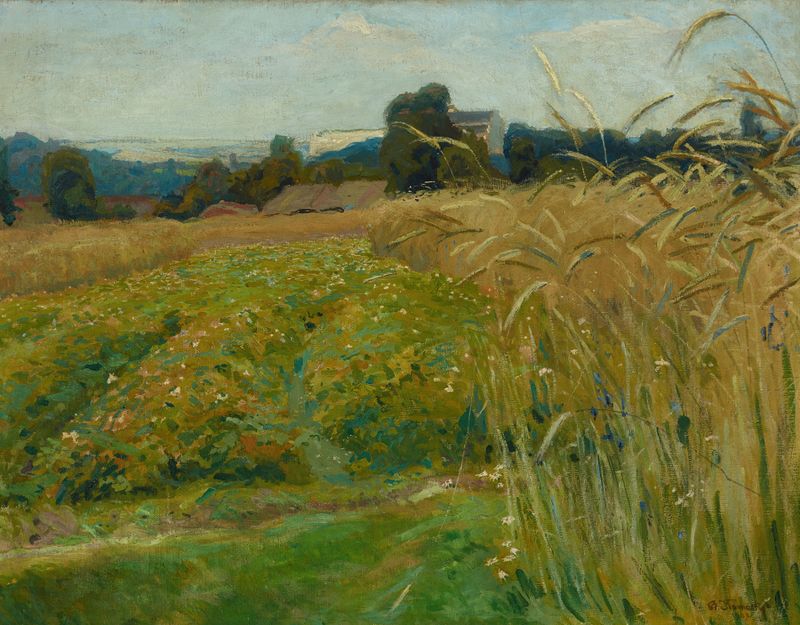
Landscape from the Vincity of Krakow
Stanisław Kamocki
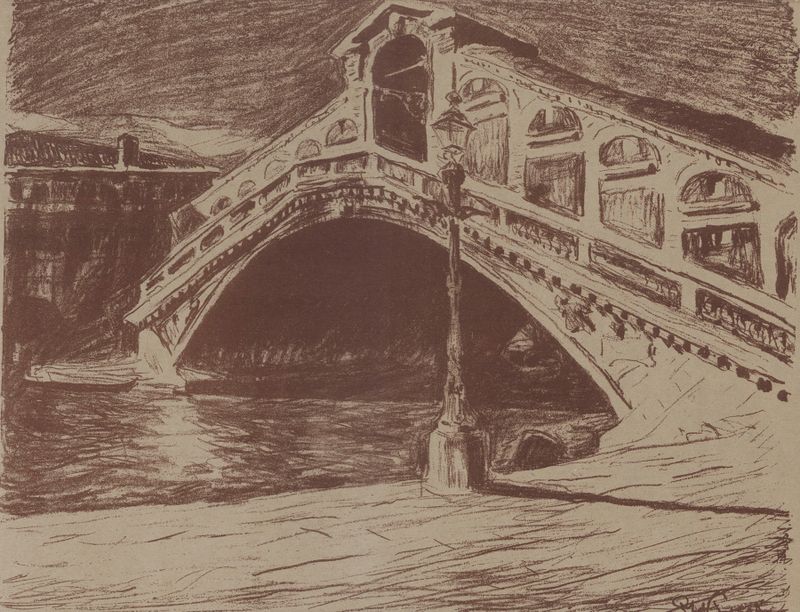
Rialto Bridge in Venice
Stanisław Kamocki
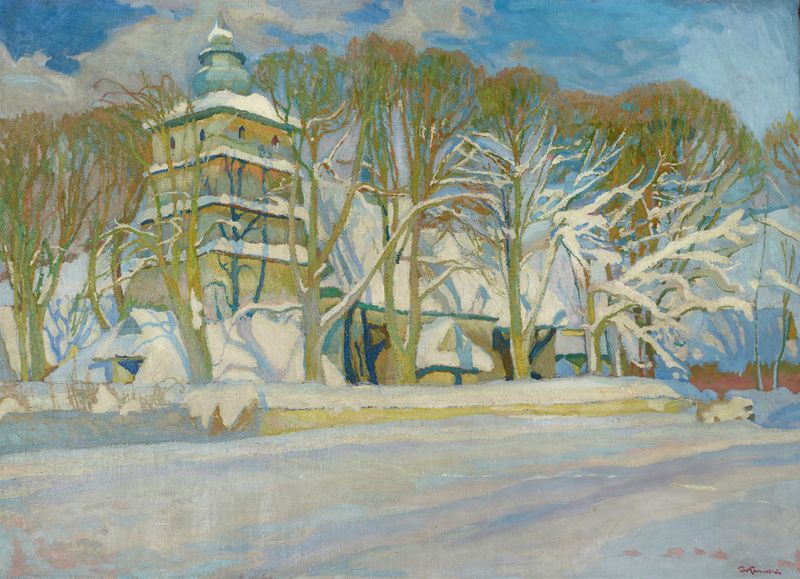
Church in Poronin
Stanisław Kamocki
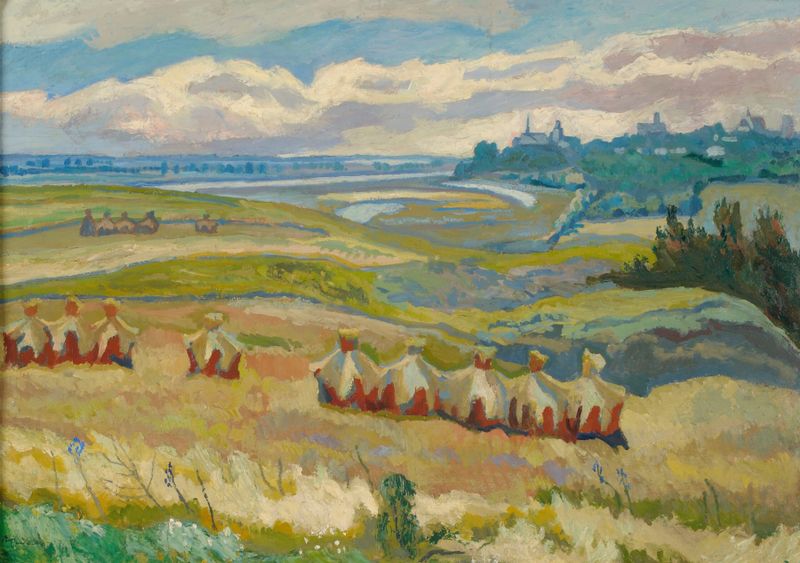
View of Sandomierz
Stanisław Kamocki
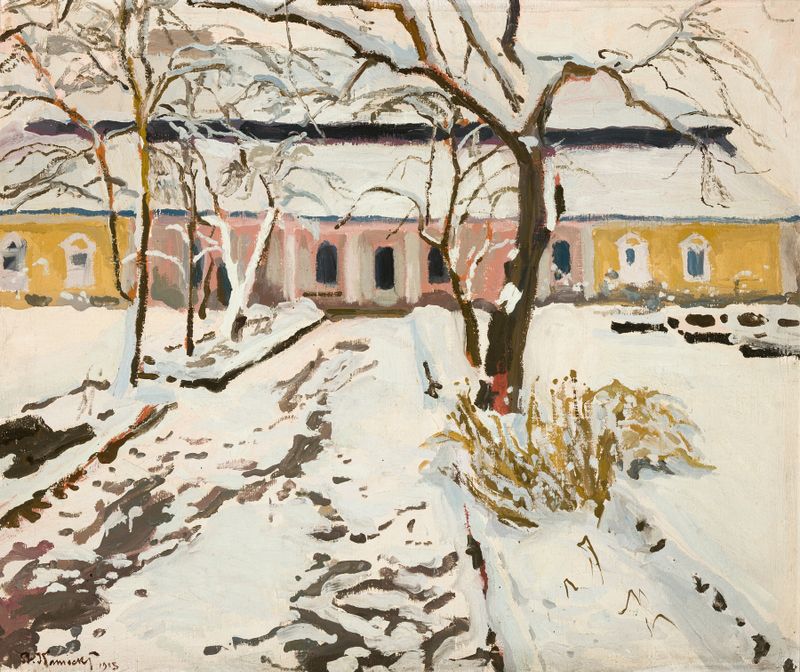
Manor-House at Modlnica in Winter
Stanisław Kamocki

Church in Libusza
Stanisław Kamocki
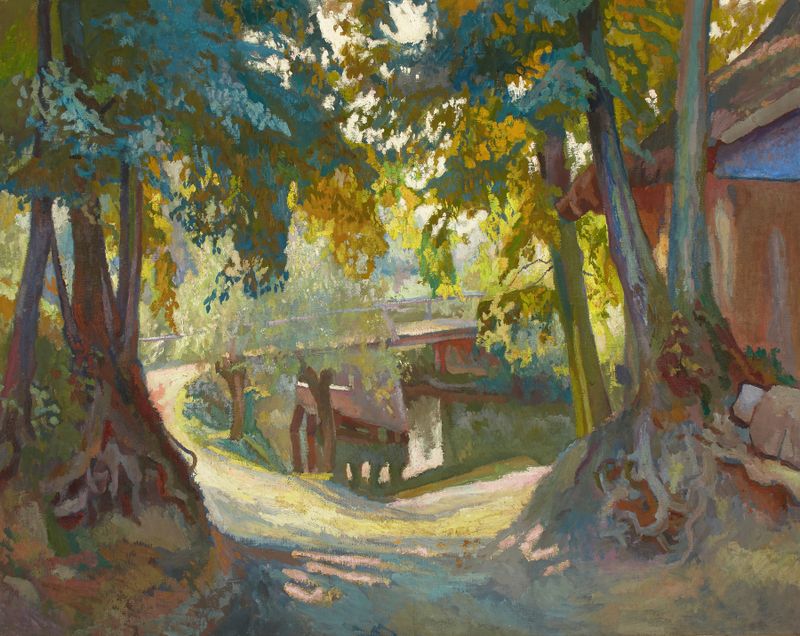
Day in Autumn
Stanisław Kamocki
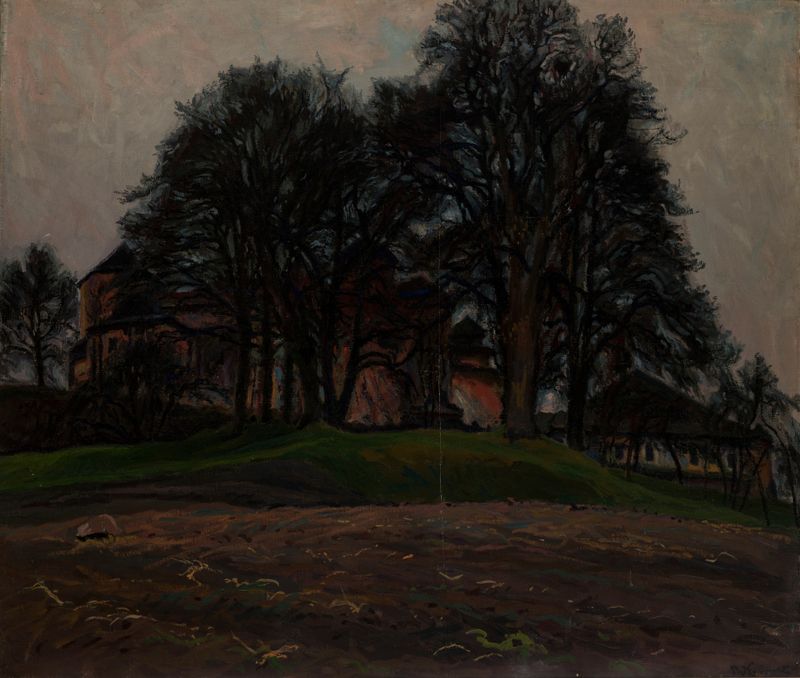
Late Autumn
Stanisław Kamocki
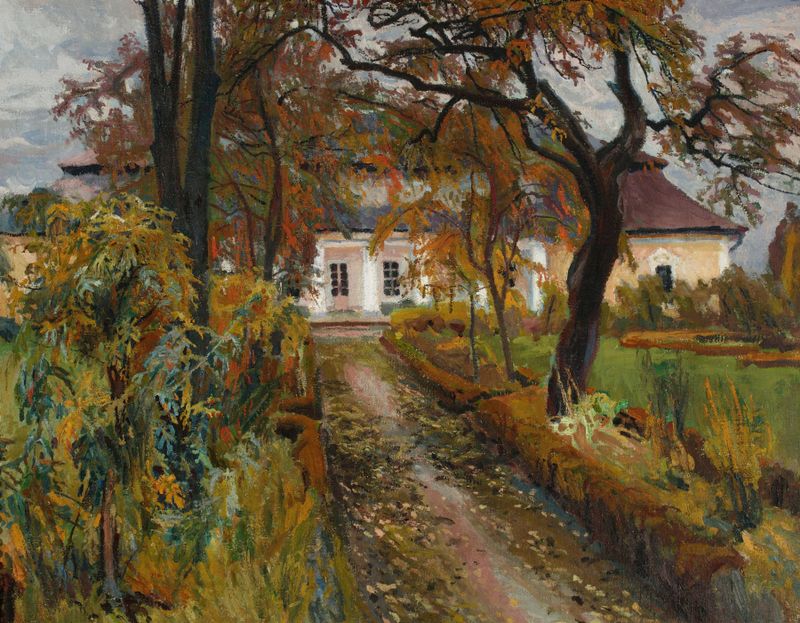
Manor house in autumn
Stanisław Kamocki