
Cimon and Pero (Roman Charity) — History & Facts
What first grips the viewer in Cimon and Pero (Roman Charity) is the charged intimacy of the gesture at its heart: a young woman, her gaze lowered in concentration and care, presses her breast to the lips of an aged, shackled man. The scene’s light falls directly on this act, as if the world narrows to the silent exchange between father and daughter, while the dark cell around them recedes into shadow. The woman’s free hand gently supports her father’s head, her fingers threading through his hair, underscoring both tenderness and resolve.
To the right, a child reaches upward, its gesture echoing the plea for sustenance, amplifying the painting’s meditation on need and nurture. This work belongs to a tradition that flourished in the Baroque and early Enlightenment eras, when painters relished stories that tested the boundaries of virtue and familial duty. The tale of Roman Charity—where Pero secretly nurses her starving father Cimon in prison—became a favored subject for artists seeking to provoke both admiration and discomfort. Created between 1670 and 1750, this painting by Adriaen van der Werff draws on the theatrical lighting and poised figures typical of Dutch classicism, yet the emotional charge is unmistakably direct.
Such pictures often hung in private homes or cabinets of curiosity, prompting conversation about the limits of piety, sacrifice, and the human body. The painting now forms part of the Rijksmuseum collection, where its quiet drama invites each new viewer to reckon with the power and complexity of its central act.
More Artworks by Adriaen van der Werff

Descent from the Cross
Adriaen van der Werff
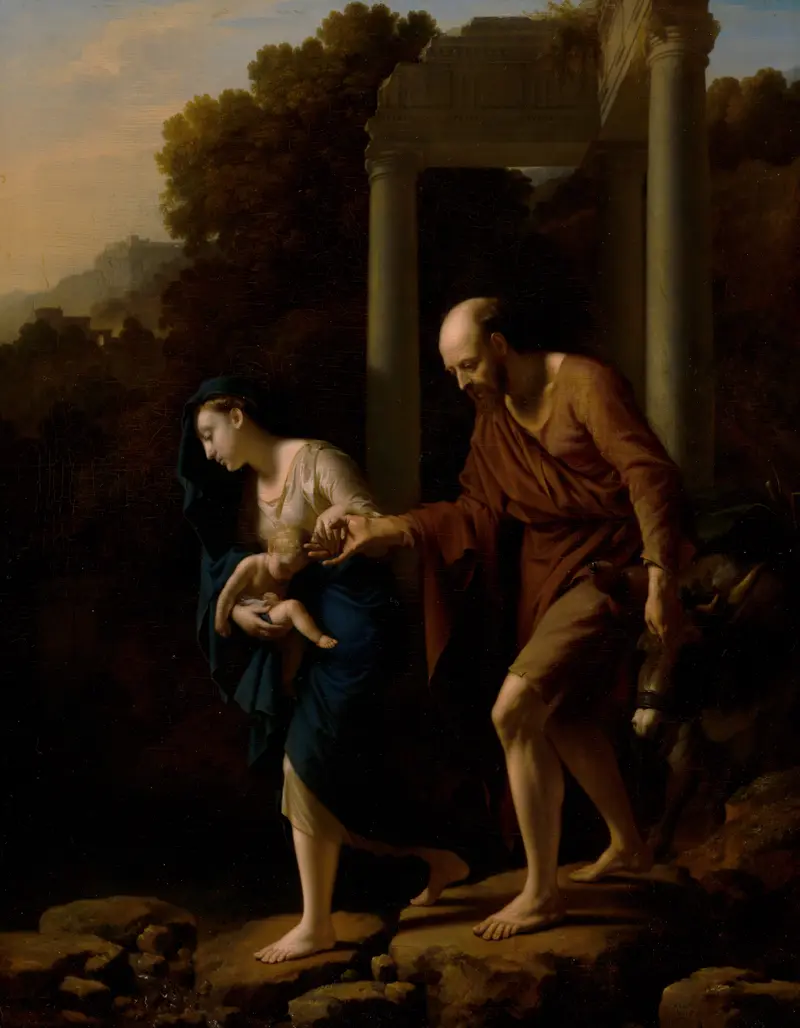
The Flight into Egypt
Adriaen van der Werff
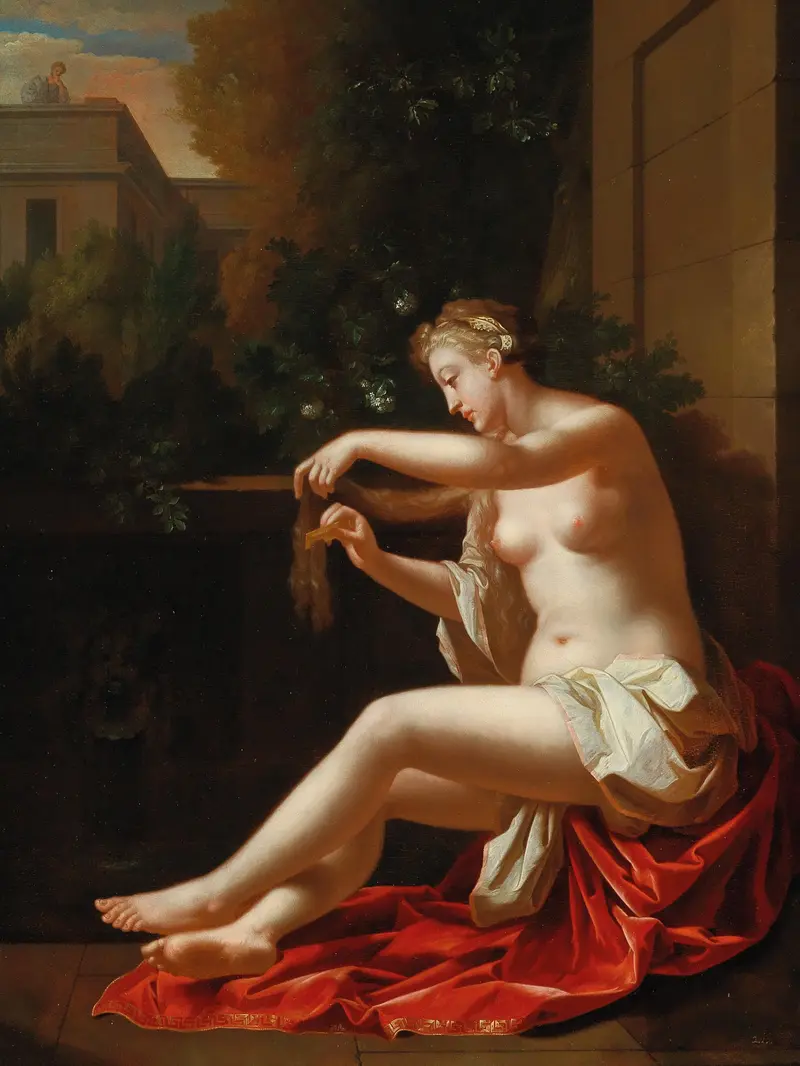
Bathsheba
Adriaen van der Werff
Portrait of Johan Versijden de Jonge
Adriaen van der Werff
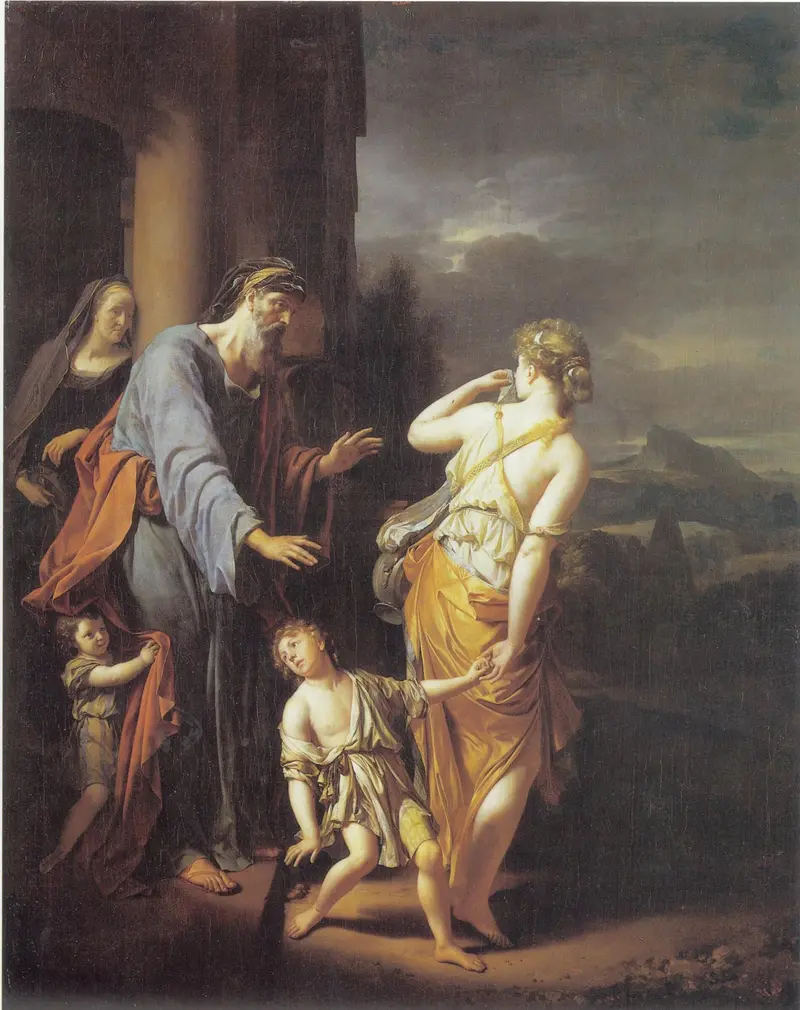
The Banishment of Hagar
Adriaen van der Werff
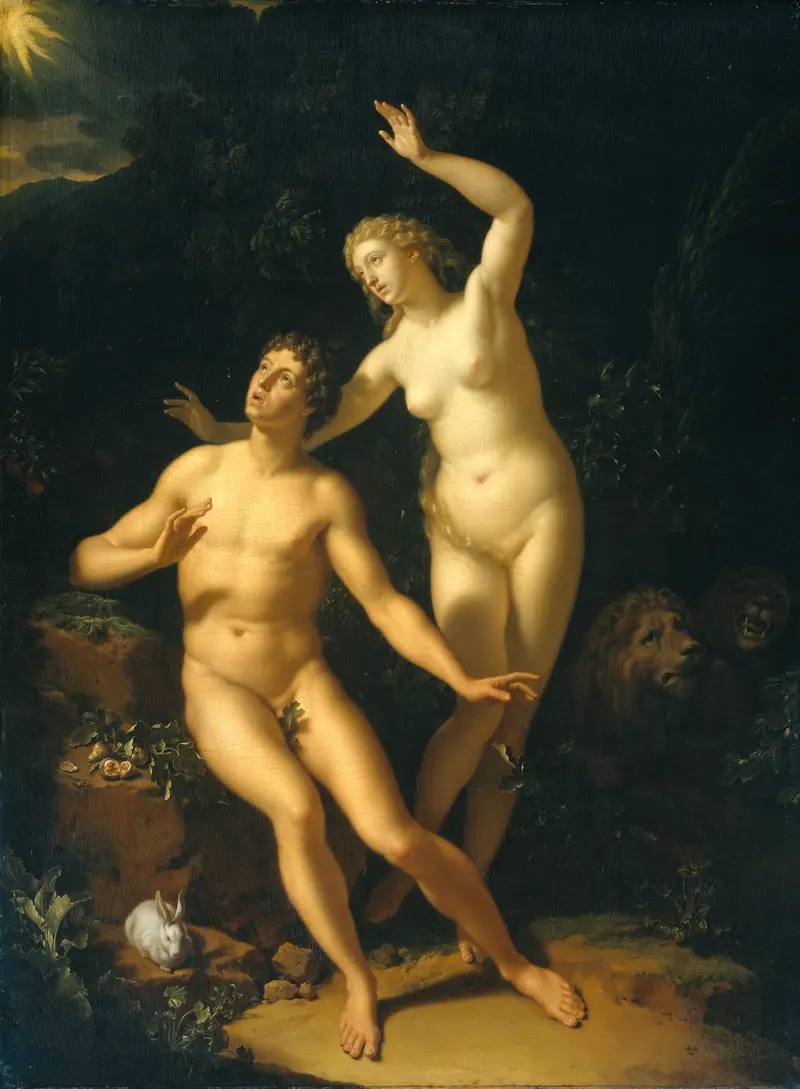
God Holds Adam and Eve Responsible
Adriaen van der Werff
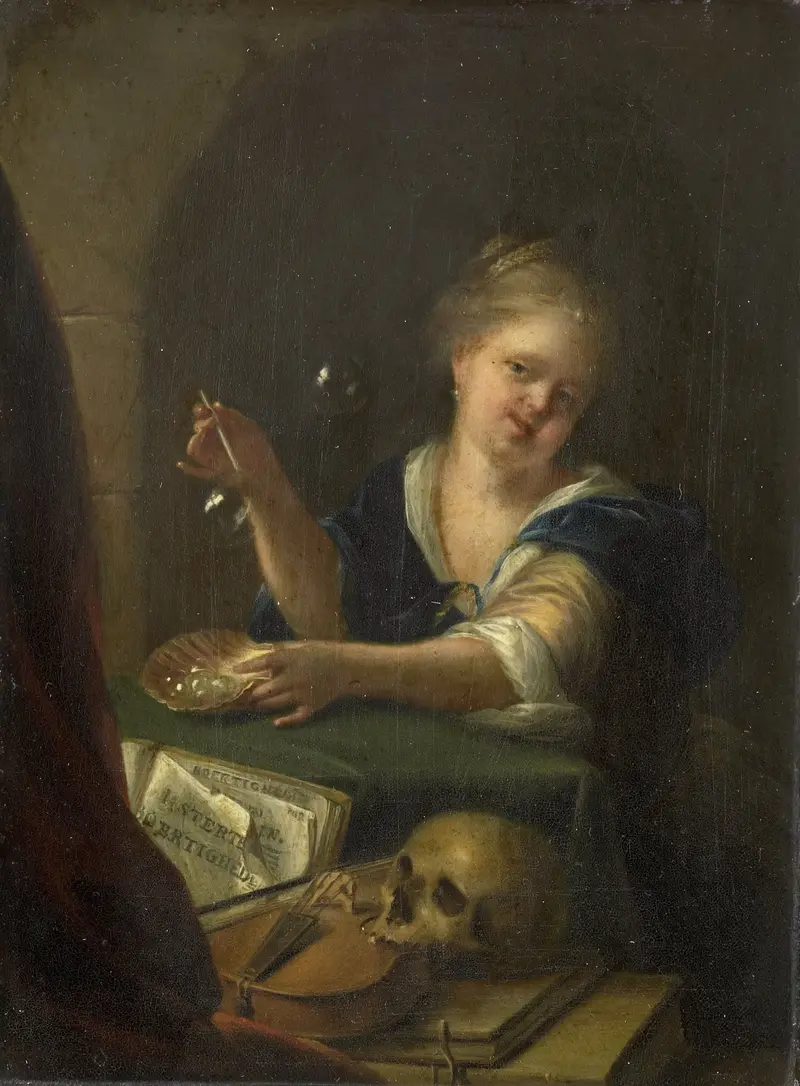
Bubble-blowing Girl with a Vanitas Still Life
Adriaen van der Werff
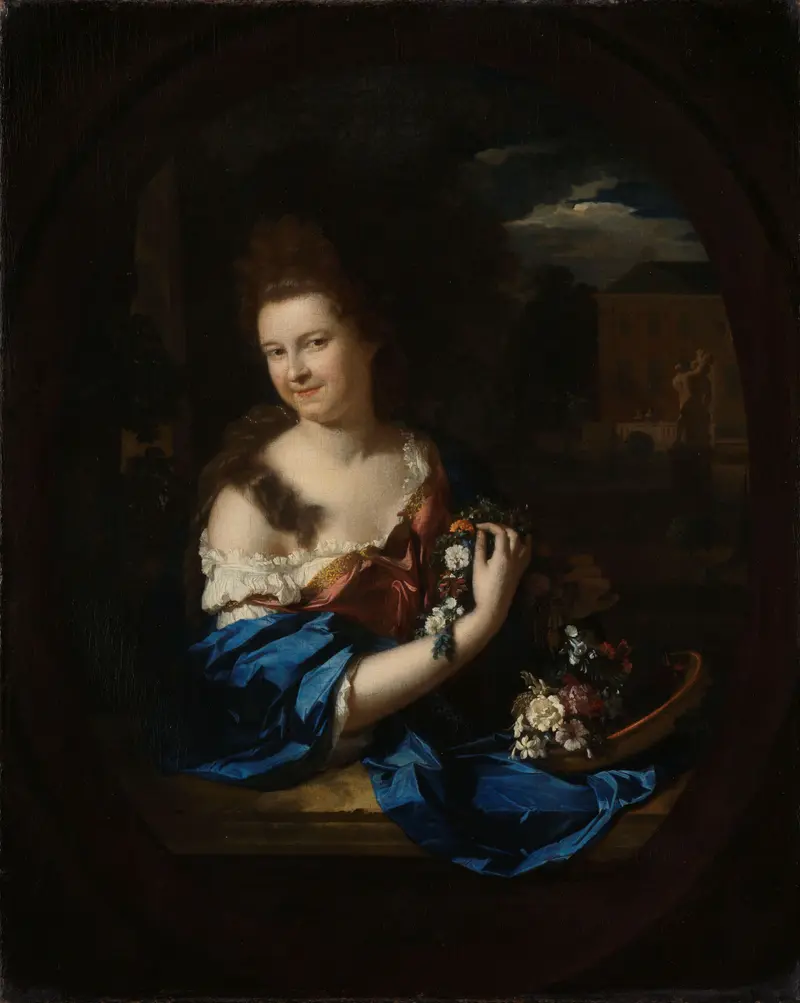
Portrait of Margaretha Rendorp (1673-1730), wife of Jan van de Poll
Adriaen van der Werff
Portrait of Jacob Hendricksz. Vingerhoed
Adriaen van der Werff
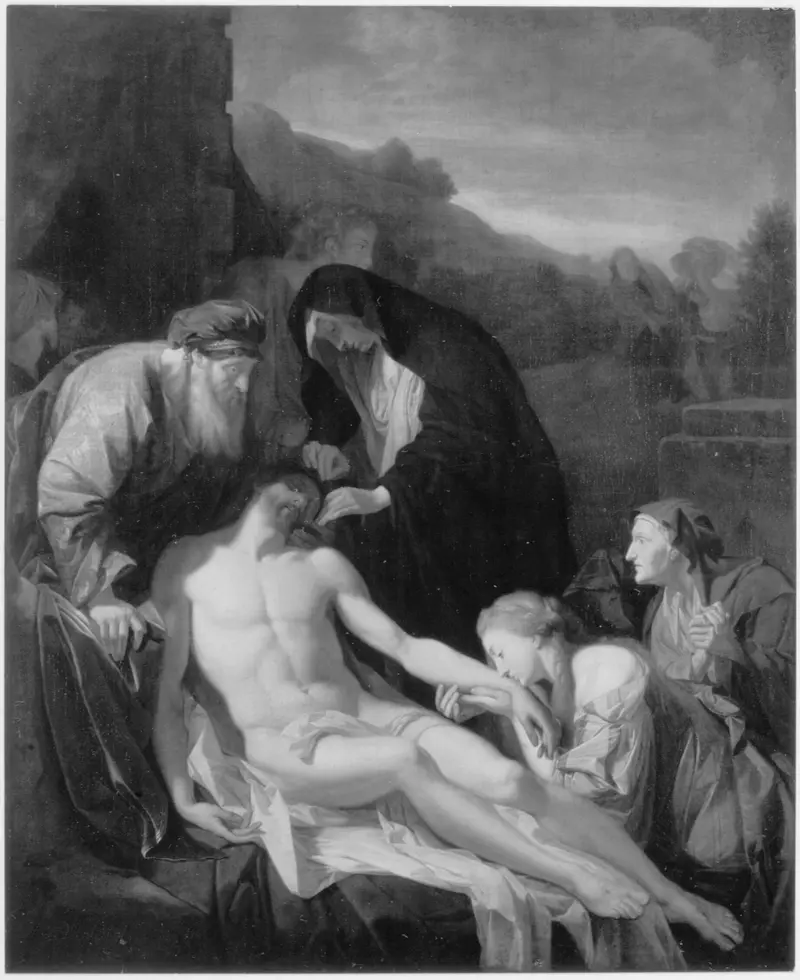
The burial of Christ
Adriaen van der Werff
More Genre Scene Art

Banquet of the Officers of the St George Civic Guard
Frans Hals

Rembrandt and Saskia in the Scene of the Prodigal Son
Rembrandt van Rijn

Bal du moulin de la Galette
Pierre-Auguste Renoir

Quadrille at the Moulin Rouge
Henri de Toulouse-Lautrec

A Burial at Ornans
Gustave Courbet

When Will You Marry?
Paul Gauguin