
Clearing in the Woods — History & Facts
In the world of art, rebirth often emerges from the tangled embrace of nature, where every stroke carries a whisper of renewal. Look to the foreground, where the vivid greens and ochres of the foliage intertwine, suggesting a burgeoning life amidst the quiet stillness of the woods. Notice how the dappled light plays upon the leaves, creating a dance of shadows that guides your gaze deeper into the scene. The composition, with its layered textures and harmonious color palette, invites a sense of serenity, as though the viewer is momentarily suspended in the tranquility of this secluded glade. Yet, beneath the surface beauty lies a deeper narrative — an interplay of light and dark, an invitation to reflect on the cycles of nature and existence.
The vibrant patches of sunlight evoke vitality, while the encroaching shadow hints at life's inevitable challenges. This duality suggests that rebirth is not merely a beginning, but a complex journey filled with both warmth and struggle, beauty and decay. Renoir painted this work in 1865, during a period when he was solidifying his reputation as a leading figure in the Impressionist movement. At this time, he grappled with the tensions between artistic innovation and traditional techniques, finding solace in nature as a source of inspiration.
The evolving art world provided a backdrop for his exploration of light and emotion, as he sought to capture not just what he saw, but also what he felt in the soul of the landscape.
More Artworks by Pierre-Auguste Renoir
Browse all →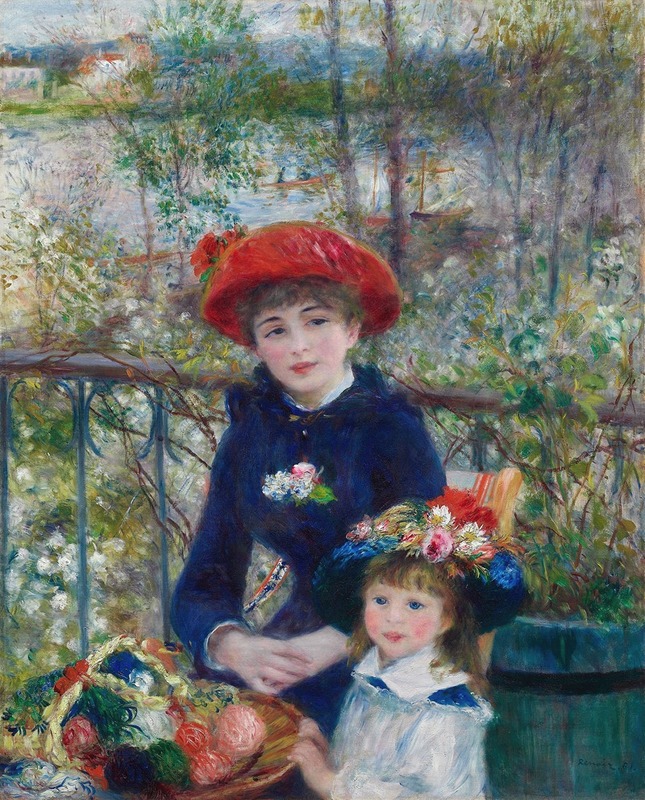
Two Sisters (On the Terrace)
Pierre-Auguste Renoir
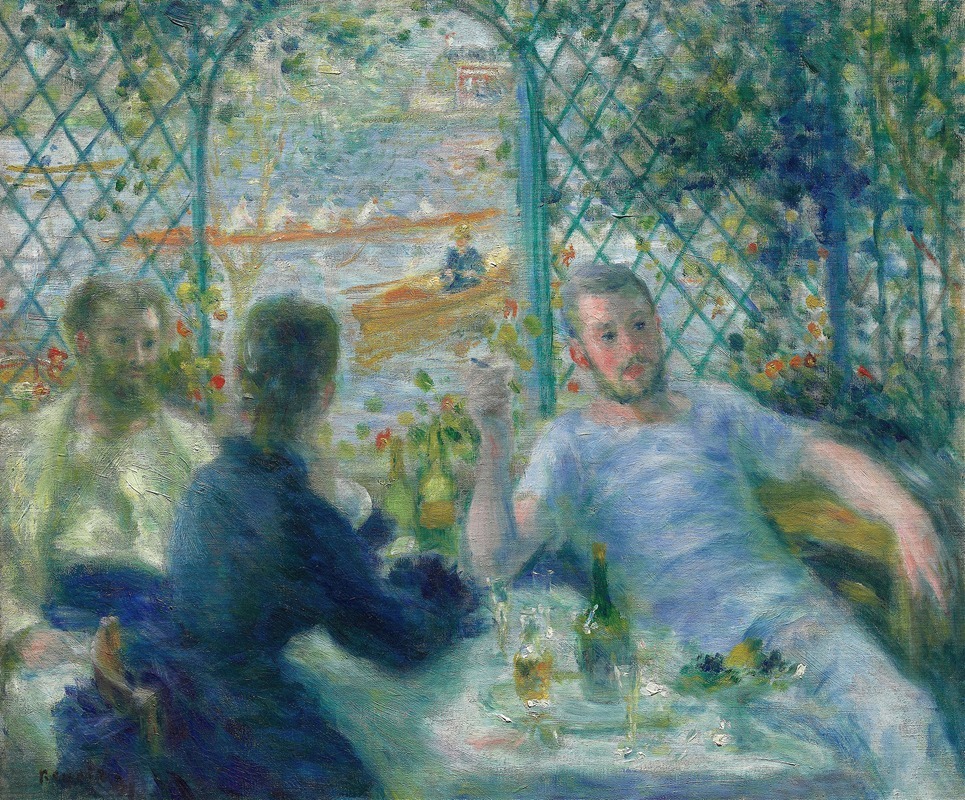
Lunch at the Restaurant Fournaise (The Rowers' Lunch)
Pierre-Auguste Renoir
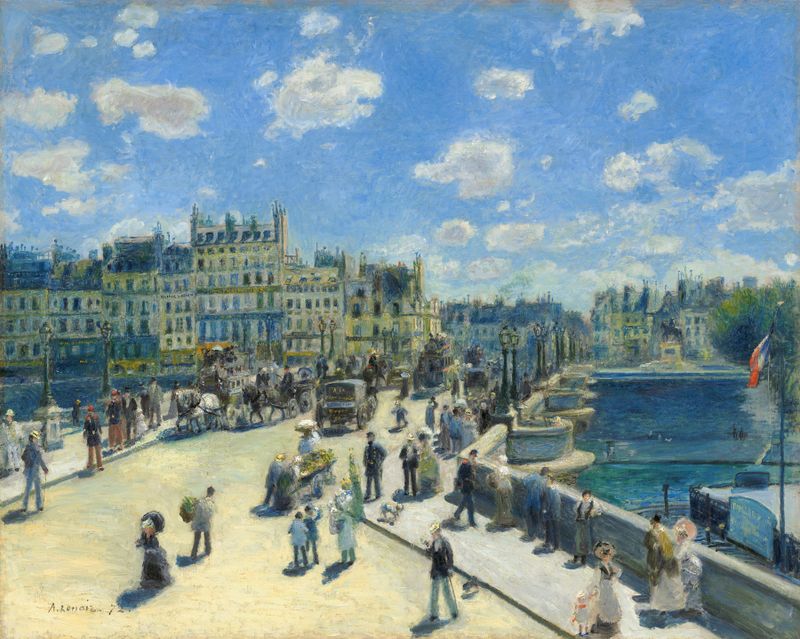
Pont Neuf, Paris
Pierre-Auguste Renoir
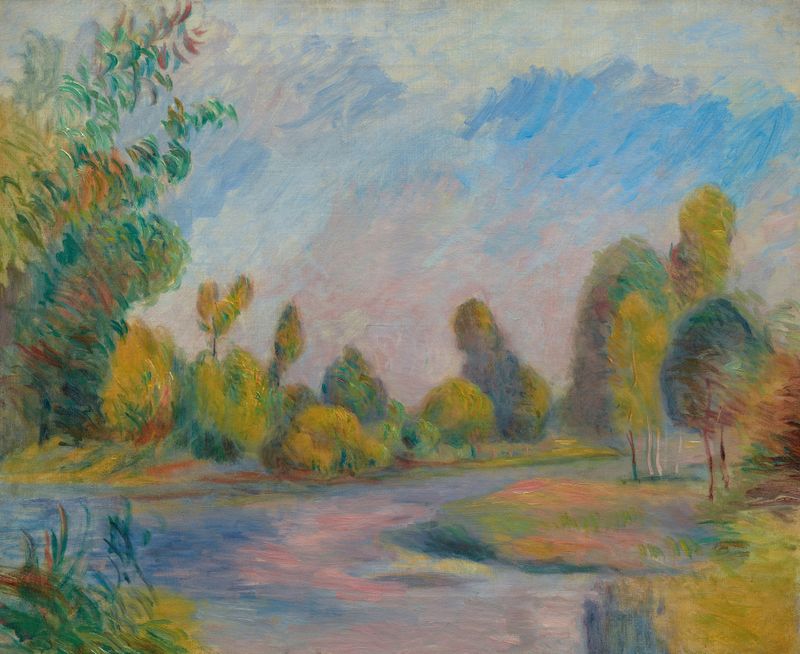
Au bord de la rivière
Pierre-Auguste Renoir

Near the Lake
Pierre-Auguste Renoir
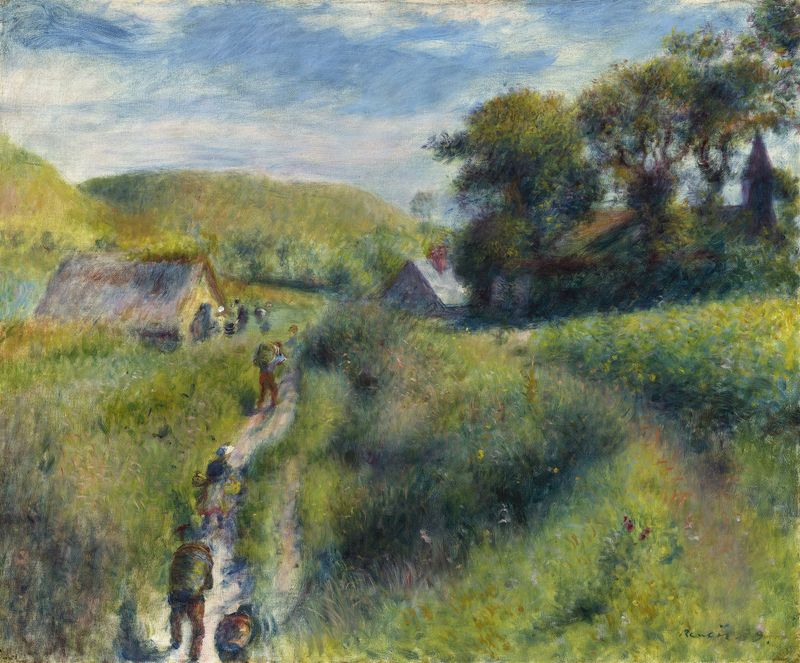
The Mussel Harvest
Pierre-Auguste Renoir

The Seine at Chatou
Pierre-Auguste Renoir
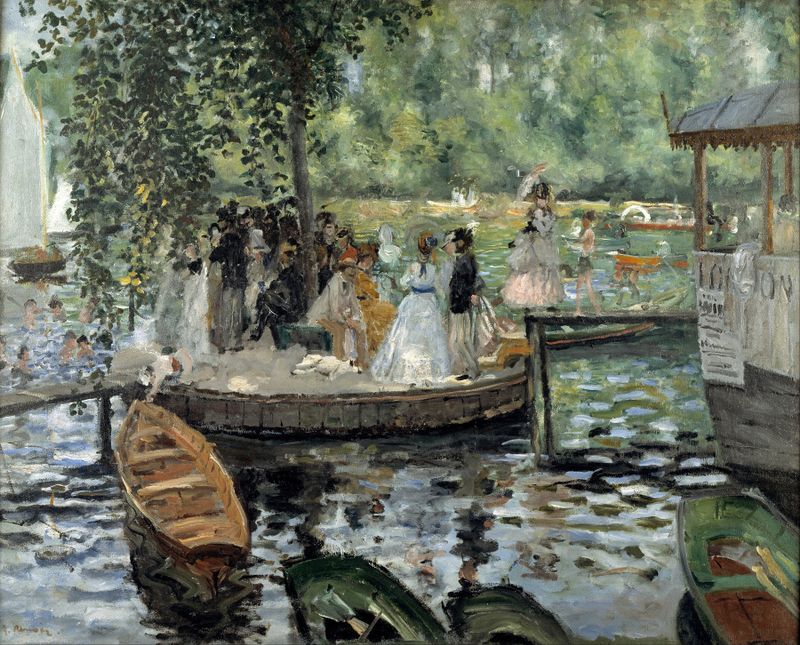
La Grenouillère
Pierre-Auguste Renoir
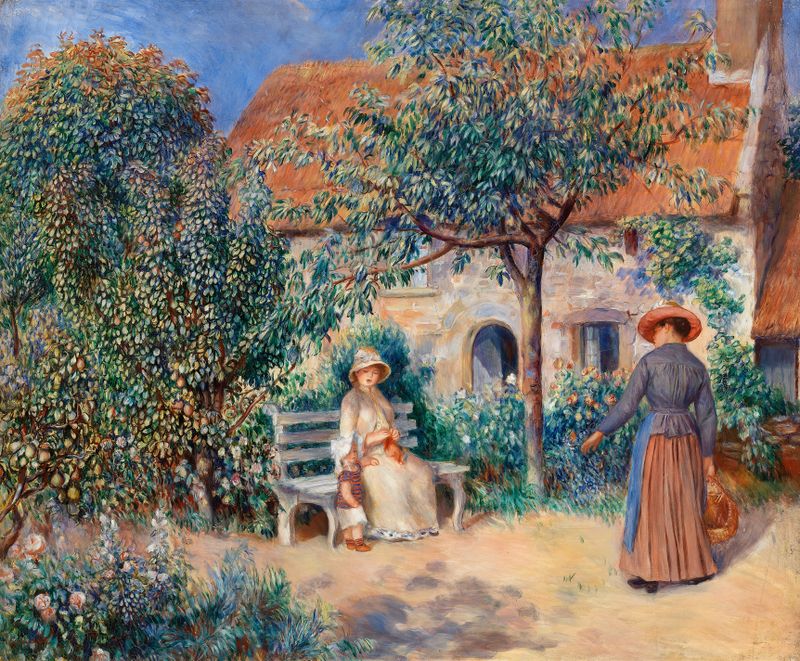
In Brittany (En Bretagne)
Pierre-Auguste Renoir
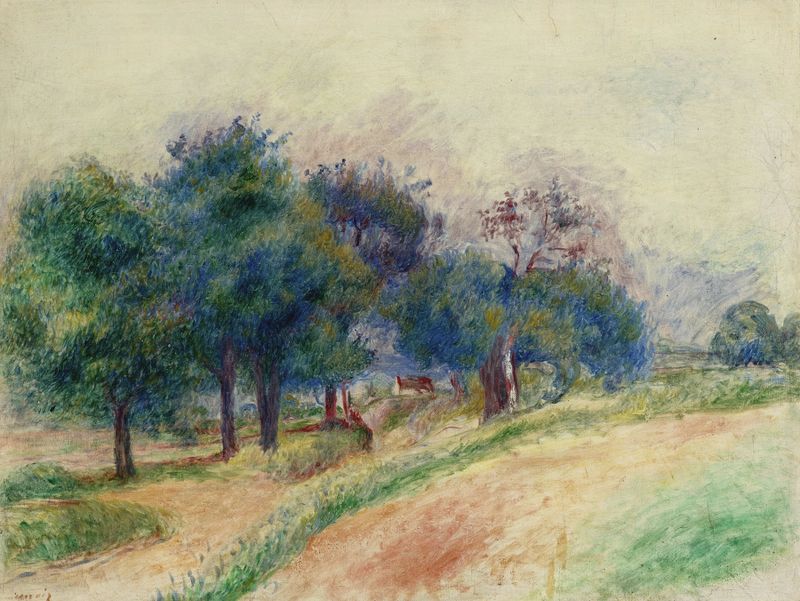
Paysage d’Essoyes
Pierre-Auguste Renoir





