
Cliff By The Water — History & Facts
In a world where the tumult of revolution brews beneath the surface, the serene yet striking landscapes speak volumes. The quietude of nature often belies the underlying currents of change, urging a deeper exploration of what lies beneath. Look to the foreground, where the rugged cliff juts boldly into the water, its earthy browns and deep greens set against the shimmering blue of the lake. Notice how the interplay of light and shadow creates a dramatic tension; the cliff appears both ageless and fragile, a testament to nature's power.
The brushwork is both deliberate and raw, emphasizing the artist's commitment to portraying the unvarnished reality of his subject. Beneath the surface, the contrast between the solidity of the land and the fluidity of the water evokes a sense of conflict. The cliff's imposing presence speaks of stability, while the gentle ripples hint at the transient nature of life and change. This duality can be interpreted as a metaphor for society's upheaval—how the rigid structures of the past may be challenged by emerging movements, creating a landscape that is both beautiful and fraught with tension. Courbet created this work during a time when France was rife with social and political upheaval, particularly the 1848 Revolution.
Living in Paris, he became a pivotal figure in the Realism movement, seeking to depict contemporary life with authenticity. At this juncture in his career, he was embracing subjects that reflected the struggles of the common people, marking a departure from the idealized representations that had dominated previous artistic epochs.
More Artworks by Gustave Courbet
Browse all →
Marine
Gustave Courbet
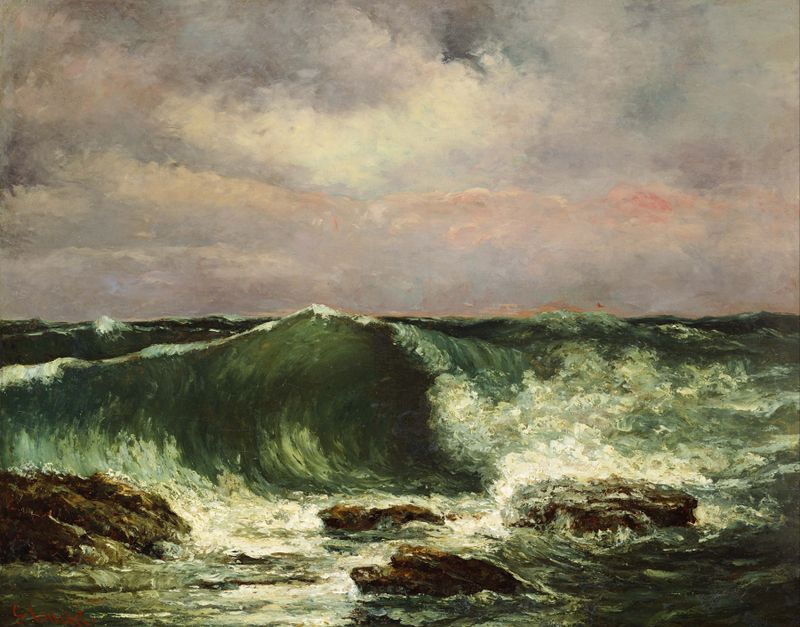
Waves
Gustave Courbet

Étretat; Les Falaises
Gustave Courbet
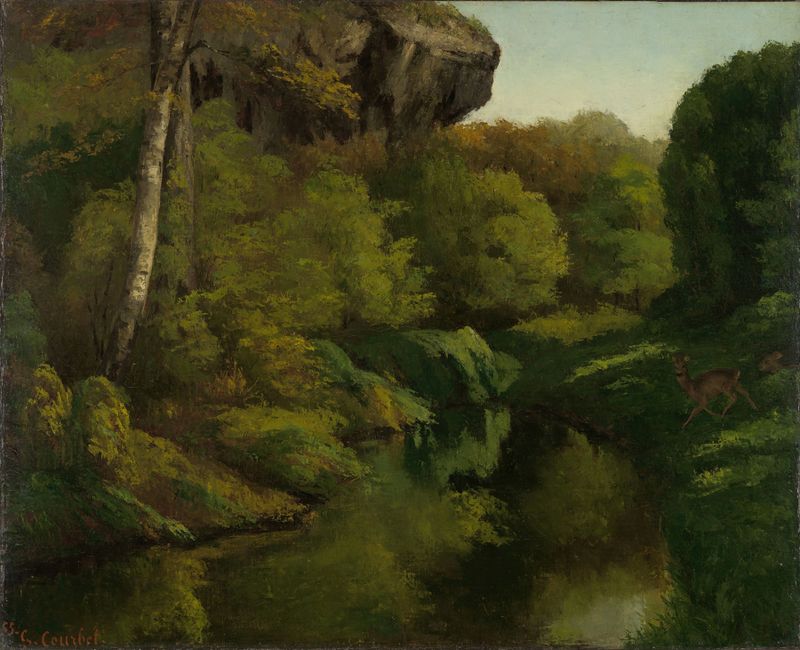
View in the Forest of Fontainebleau
Gustave Courbet
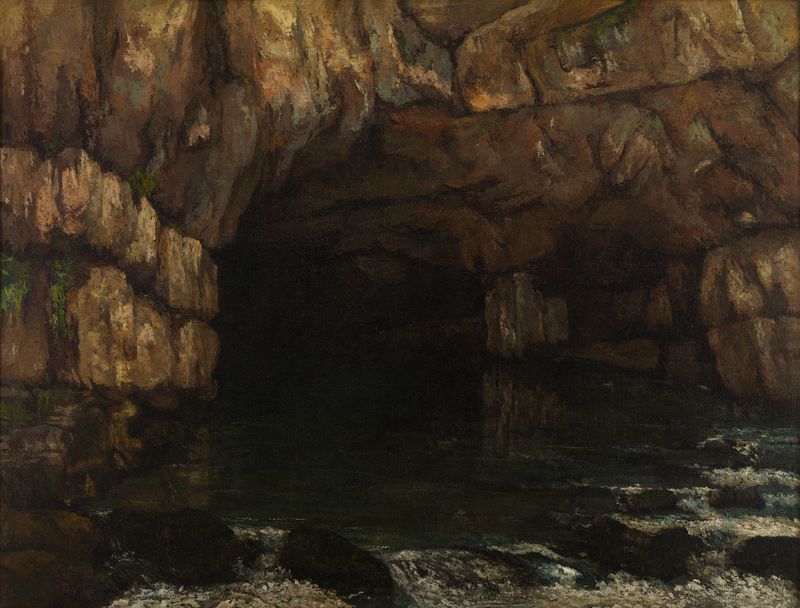
La source de la Loue (The Source of the Loue)
Gustave Courbet

Low Tide at Trouville
Gustave Courbet
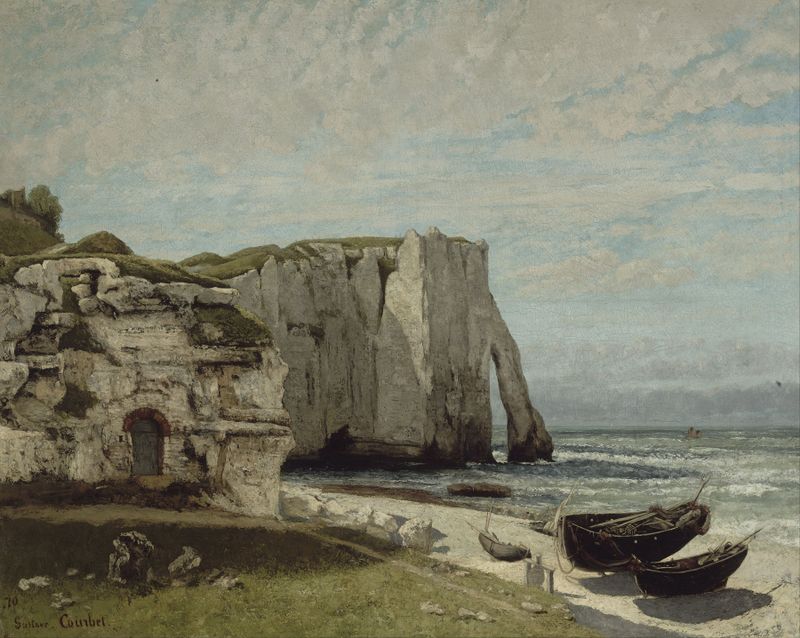
The Etretat Cliffs after the Storm
Gustave Courbet
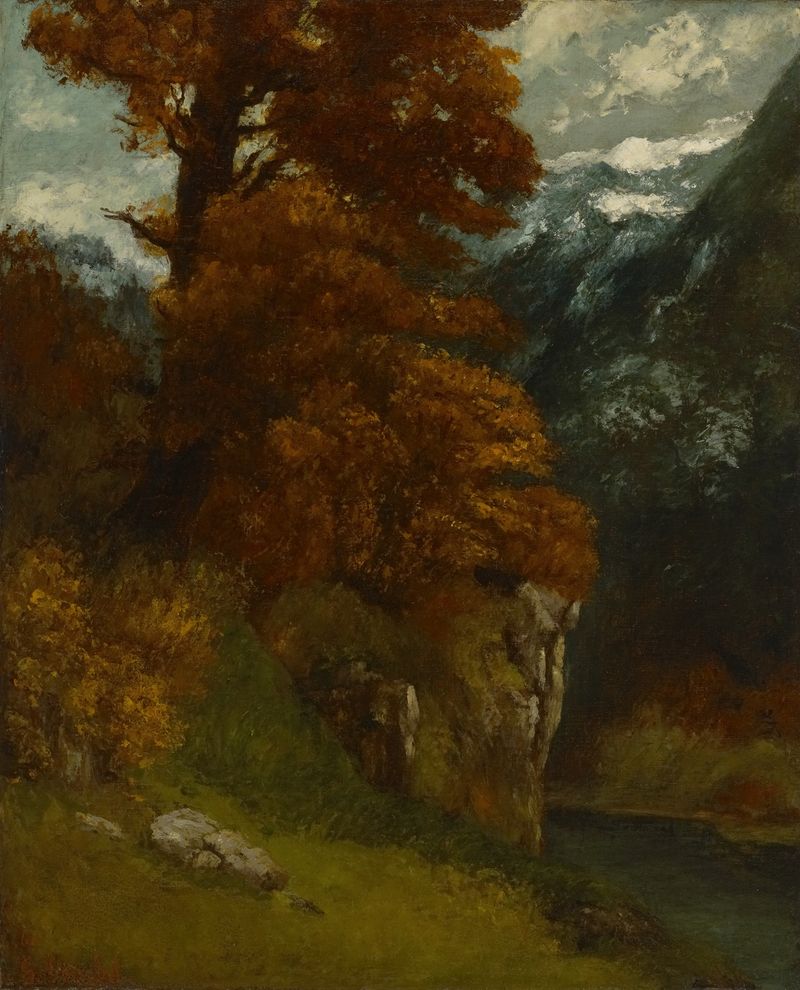
The Glen at Ornans (Bords du Doubs; Effet d’Automne)
Gustave Courbet
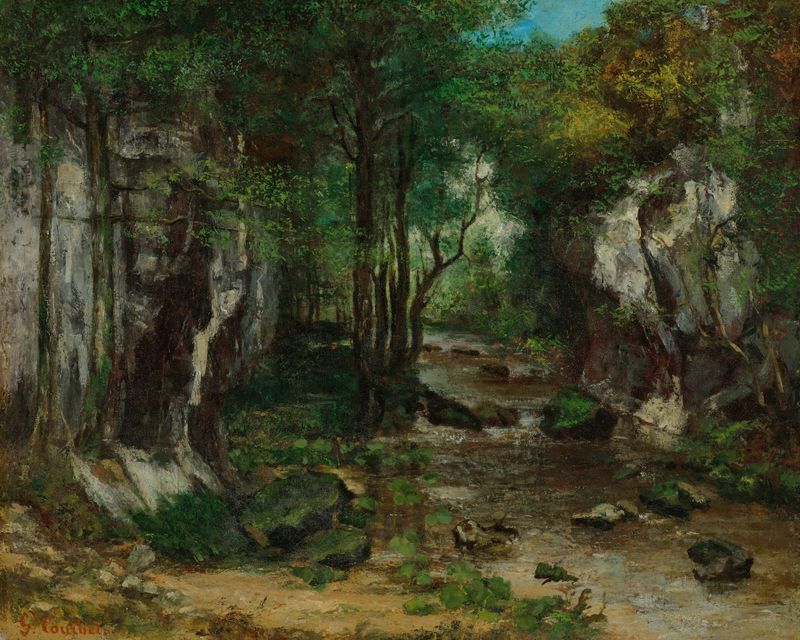
Le Ruisseau de Puits Noir
Gustave Courbet
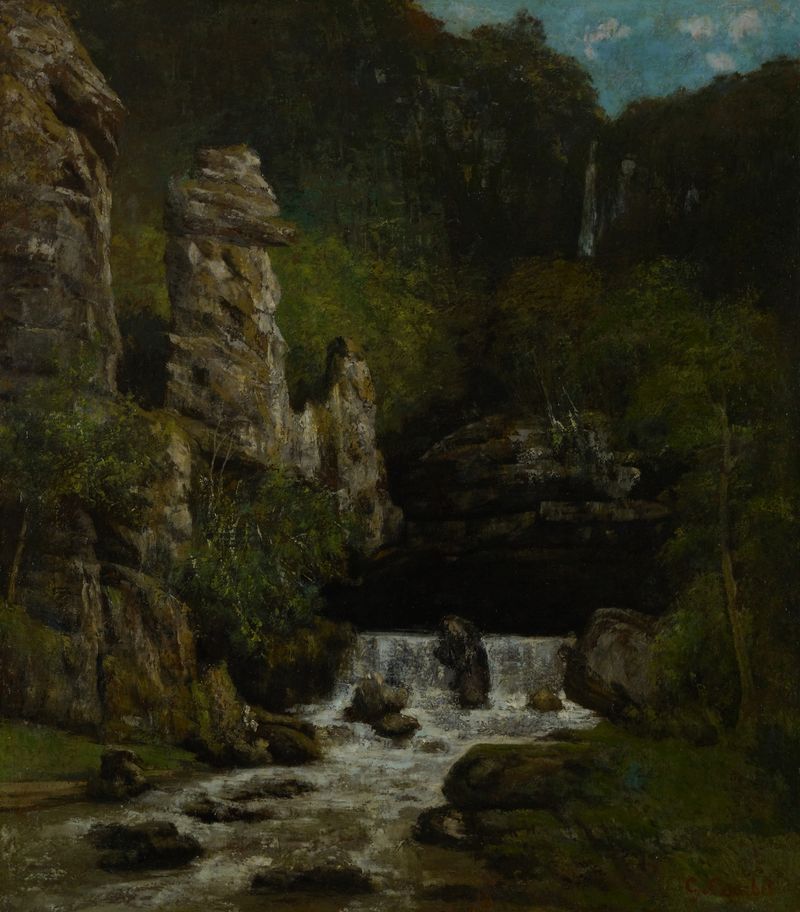
Landscape with a Waterfall
Gustave Courbet





