
Coast of Maine — History & Facts
In the stillness of a coastal landscape, silence permeates the canvas, capturing the heart of solitude and reflection. Look to the foreground where the jagged rocks meet the gentle waves; the contrast of dark stone against the shimmering blue sea draws your eye immediately. Notice how the light plays upon the water, creating a dance of highlights and shadows that reveal both the beauty and the treachery of nature. The palette, saturated with blues and earthy tones, invokes a sense of calm yet hints at the tumultuous emotions beneath the surface. Hidden within this serene scene lie deeper tensions—between the vibrant life of the water and the stark stillness of the land, between the eternal ebb and flow of the tide and the momentary pause of existence.
The lonely figure in the distance embodies introspection, as if contemplating the weight of both beauty and solitude. Each brushstroke captures the rawness of the environment, reflecting the bittersweet truth that peace often carries an undercurrent of pain. Created in 1893, this work marked a pivotal moment for its creator, who was deeply influenced by the rugged landscapes of Maine. At this time, he was exploring themes of isolation and nature’s evocative power, transitioning from the more romanticized depictions of his earlier works.
The late 19th century saw Homer's acknowledgment of the nuanced relationship between man and nature, transforming his artistic voice into one that resonates with timeless poignancy.
More Artworks by Winslow Homer
Browse all →
The Gulf Stream
Winslow Homer
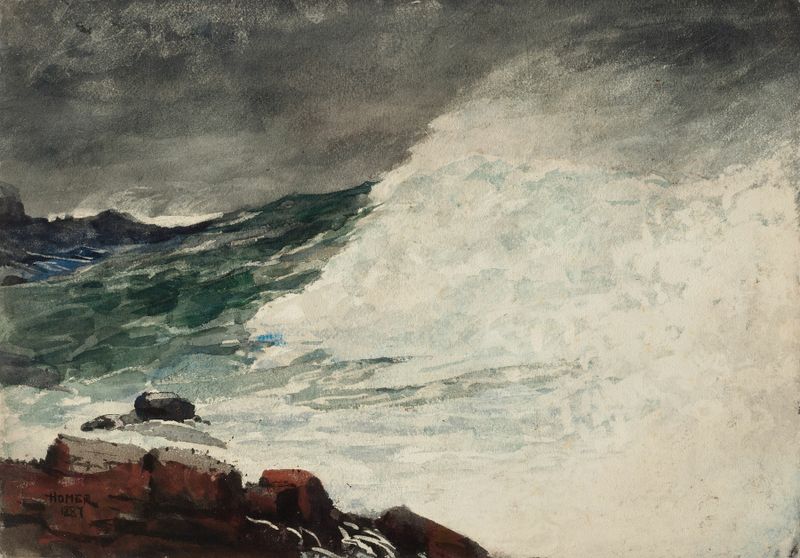
Prout’s Neck, Breaking Wave
Winslow Homer
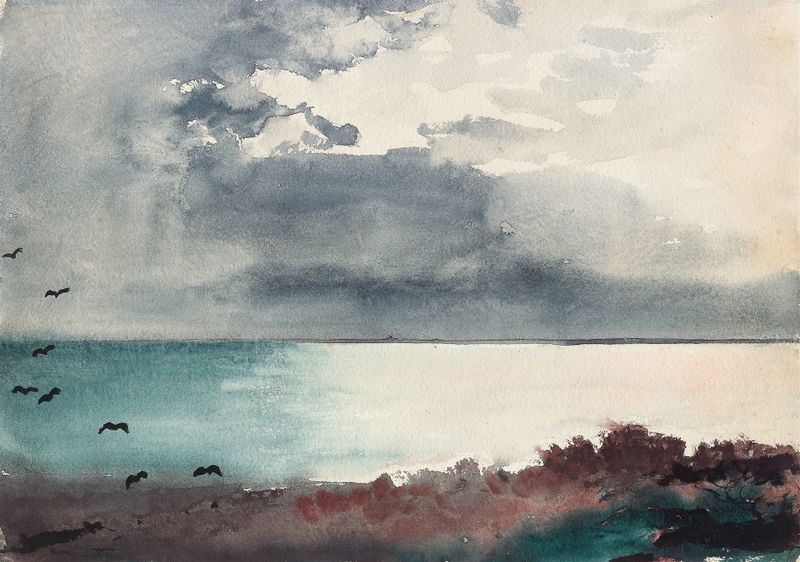
Breaking Storm, Coast of Maine
Winslow Homer
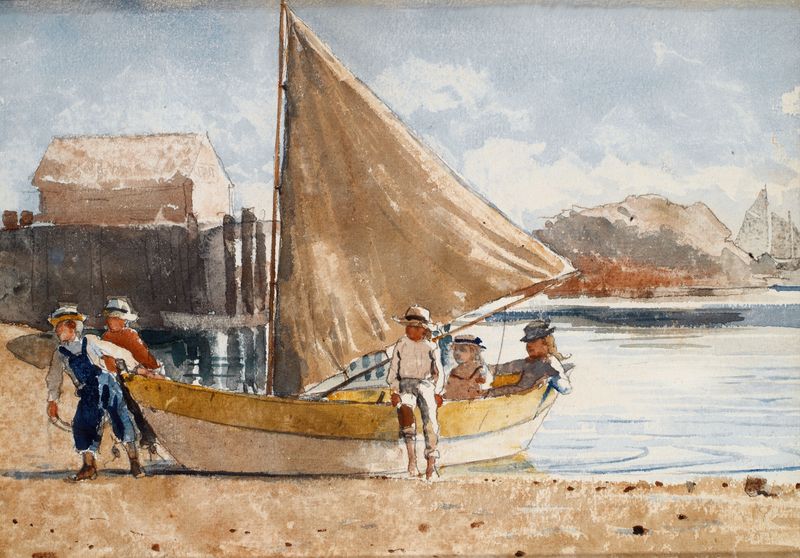
Summertime
Winslow Homer
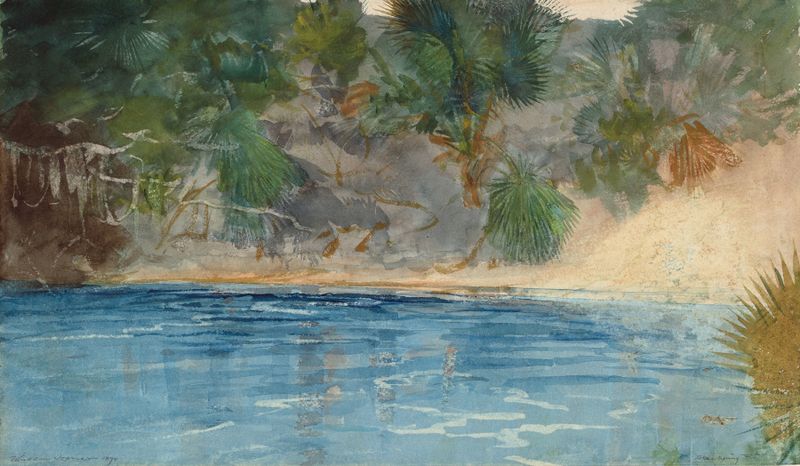
Blue Spring, Florida
Winslow Homer
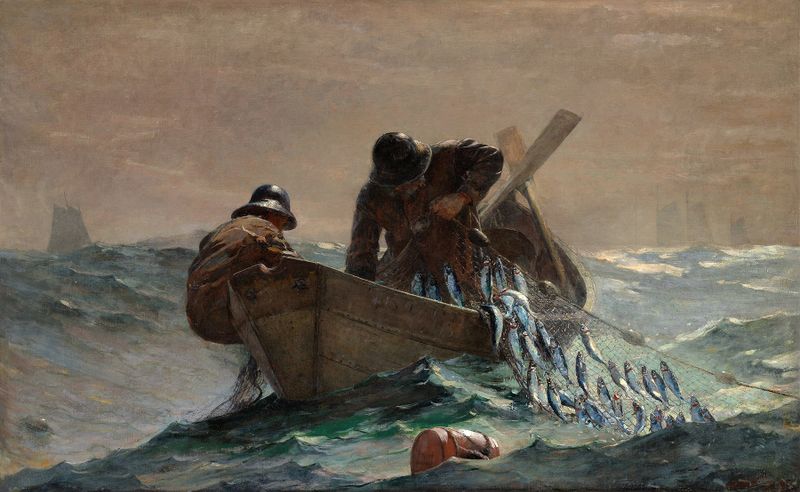
The Herring Net
Winslow Homer
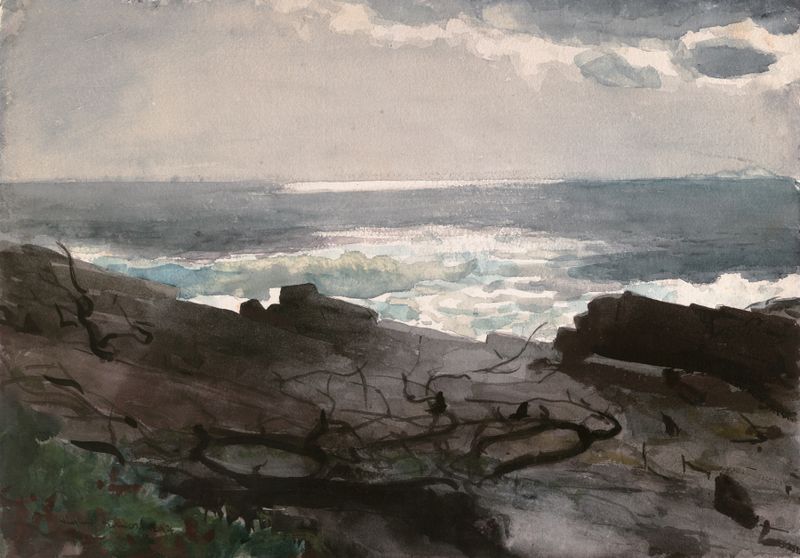
Sunshine and Shadow, Prout’s Neck
Winslow Homer
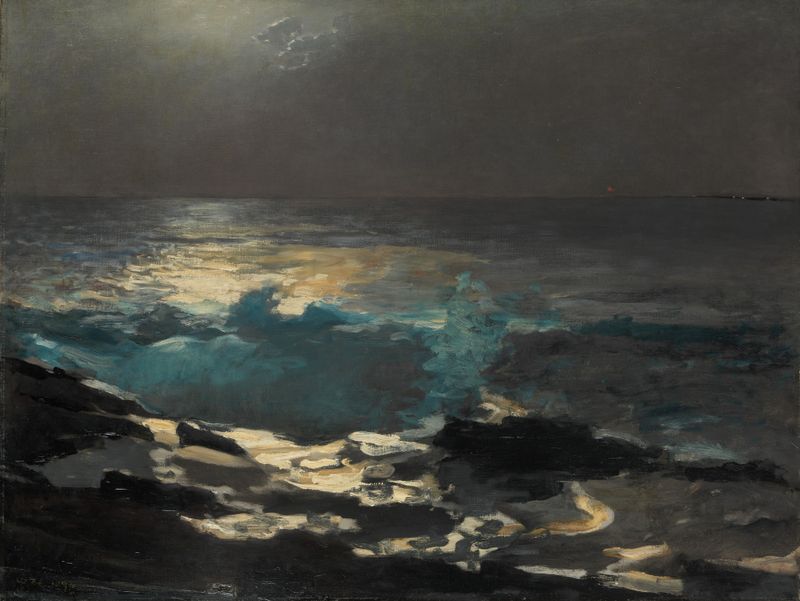
Moonlight, Wood Island Light
Winslow Homer
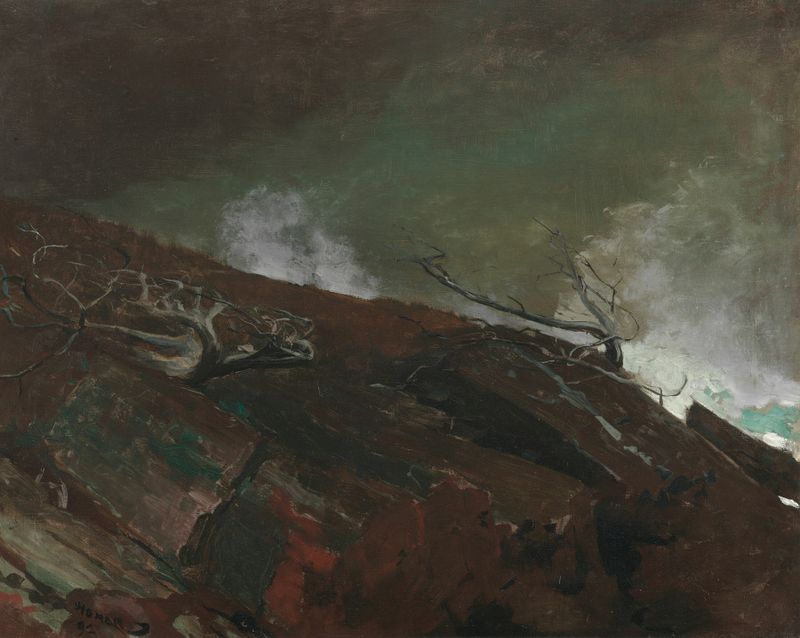
Coast of Maine
Winslow Homer
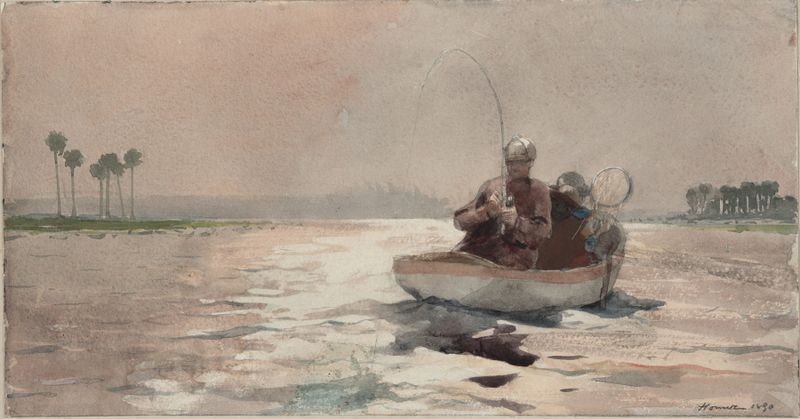
Bass Fishing – Florida
Winslow Homer




