
Coast Scene — History & Facts
In the soft embrace of twilight, light whispers secrets to the sea, crafting a moment that feels both fleeting and eternal. Each brushstroke seems to breathe, inviting the observer to linger in the tranquil spaces between the colors and forms, where silence speaks louder than noise. Look to the horizon, where the gentle waves meet the fading sky, a delicate interplay of blues that transition into warm amber and gold. Notice how the sunlight dances on the water’s surface, creating a shimmering path that draws the eye toward infinity.
The meticulous blending of colors reveals not just the scenery but a palpable sense of peace, encapsulating nature's serene beauty against the encroaching night. Amid the calmness, there lies a tension between light and shadow, evoking a sense of both comfort and longing. The distant cliffs, softened by mist, symbolize the boundaries of the known world, contrasting with the expansive sea, which suggests infinite possibilities. This dialogue between the solid earth and the fluid water reflects the human experience—our search for grounding in a world that's ever-changing. During the late 1860s, Kensett painted Coast Scene while immersed in the Hudson River School movement, which celebrated America's landscapes.
Living in New York, he was influenced by the era's growing appreciation for nature’s beauty, even amidst the industrial changes surrounding him. This period marked his exploration of light and atmosphere, capturing the essence of the American spirit through his serene coastal views.
More Artworks by John Frederick Kensett
Browse all →
White Mountains from Shelburne, NH
John Frederick Kensett

An October Day in the White Mountains
John Frederick Kensett
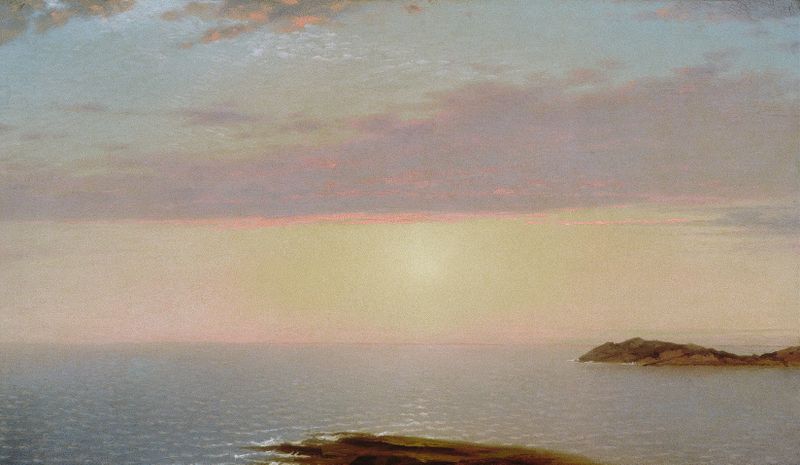
Sunset
John Frederick Kensett
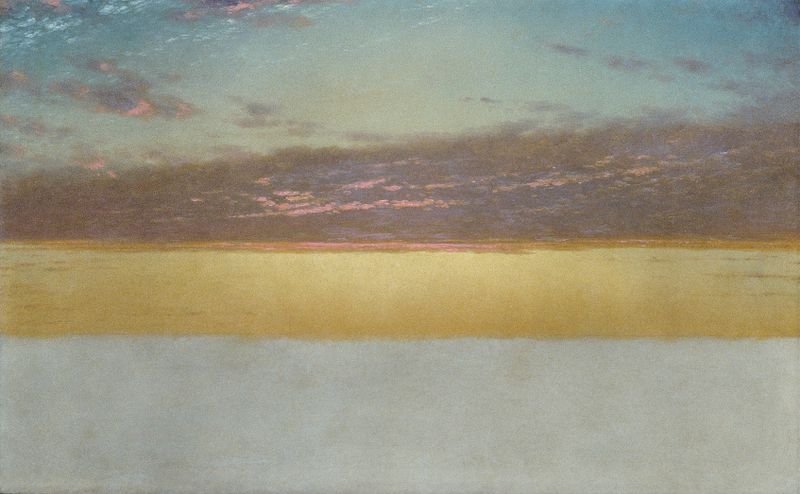
Sunset Sky
John Frederick Kensett
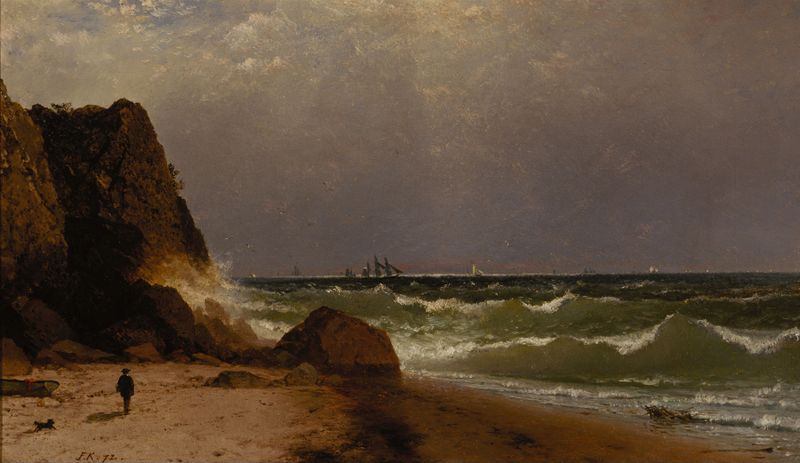
Near Newport, Rhode Island
John Frederick Kensett
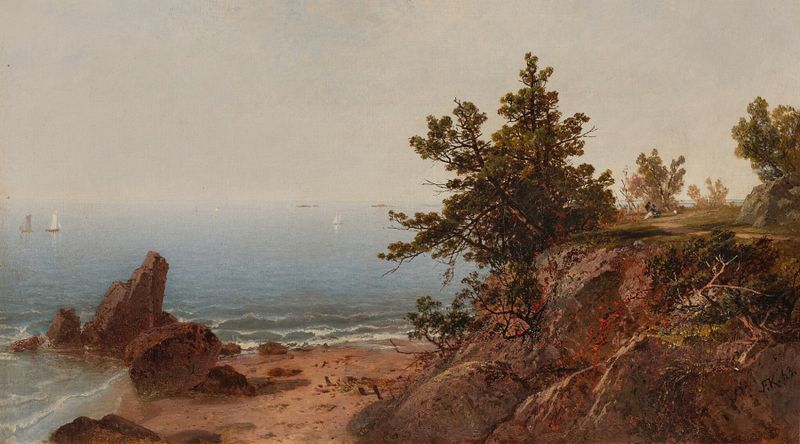
View from the Cliff (Noon on the Seashore)
John Frederick Kensett
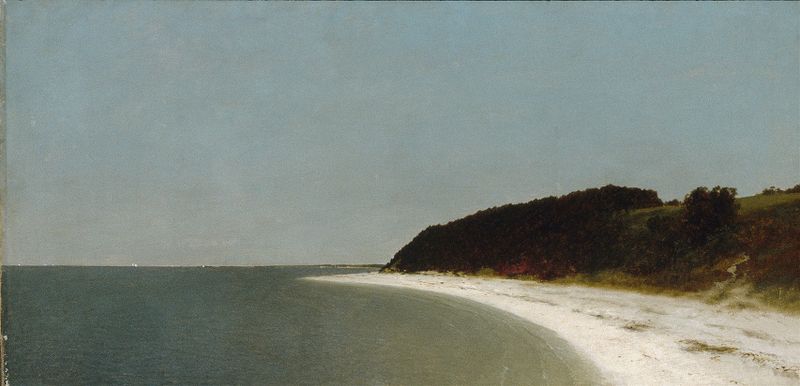
Eaton’s Neck, Long Island
John Frederick Kensett
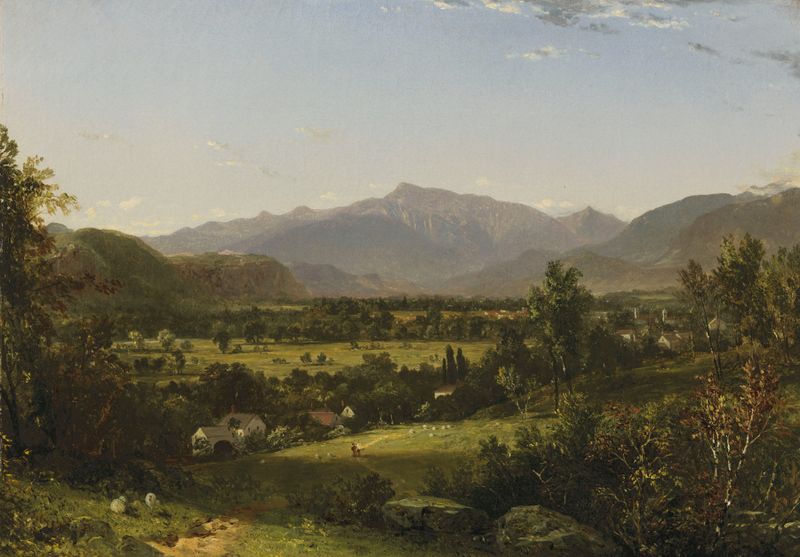
Mount Washington from North Conway
John Frederick Kensett
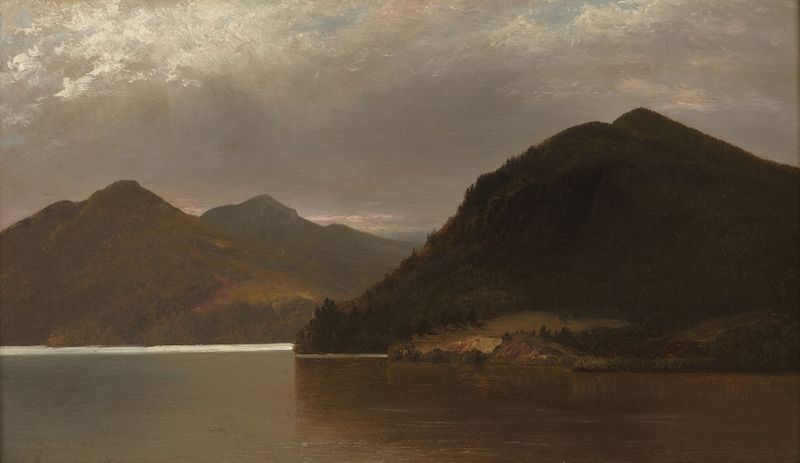
Lake George
John Frederick Kensett
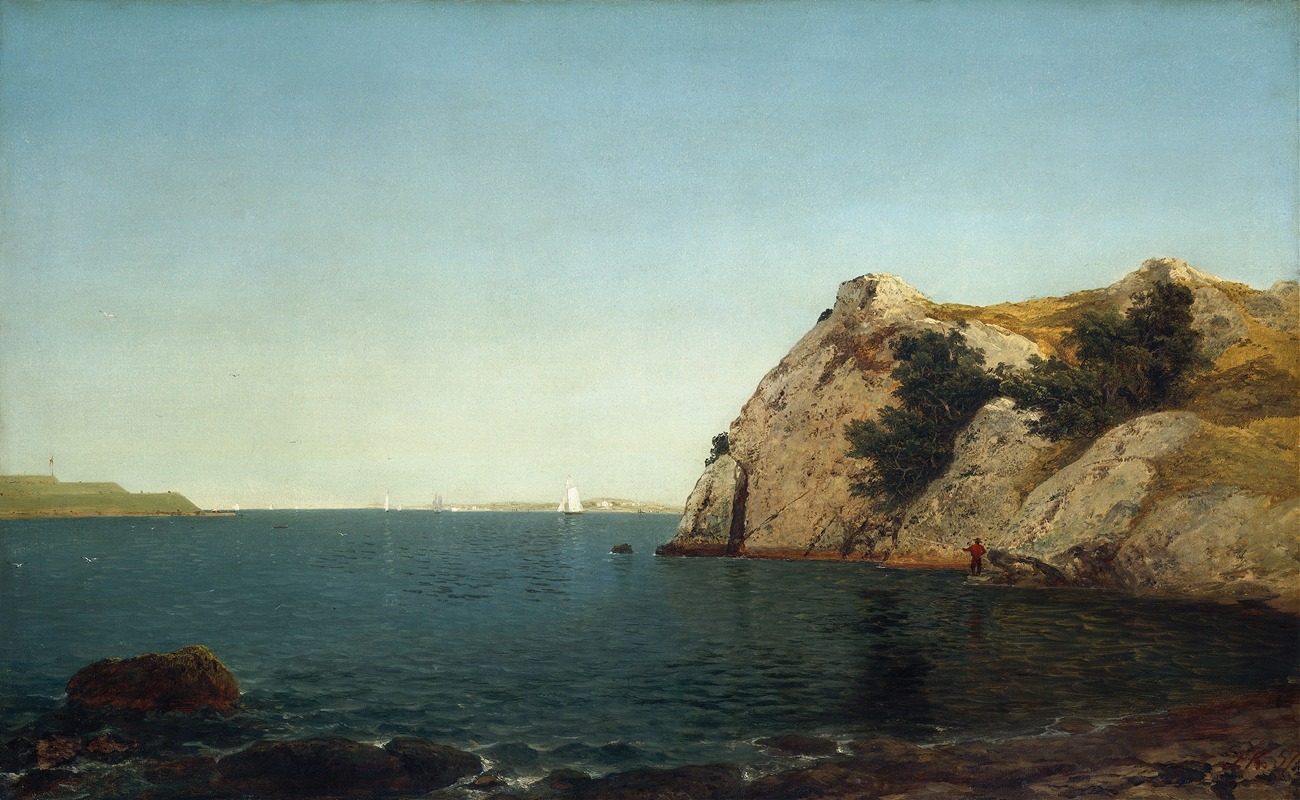
Near Newport
John Frederick Kensett





