
Coast Scene With Figures — History & Facts
Can paint confess what words never could? In the quiet embrace of the coast, a scene unfolds that evokes the ephemeral nature of existence and the whispers of mortality. Look to the left at the figures standing at the water's edge; their silhouettes are softly etched against the backdrop of a muted sky. The delicate brushwork captures the gentle ripple of the waves, while hues of blue and grey mingle to create a serene yet poignant atmosphere. Notice how the light dances on the surface of the water, illuminating their faces while casting shadows that hint at an unseen depth, inviting contemplation about life’s transience. In the subtle contrast between the figures and the vastness of the sea lies a meditation on isolation and connection.
Their stance, both grounded and fragile, reflects a moment of introspection, as if they are pondering their place in the world amidst the endless horizon. The sandy shore, dotted with rocks, symbolizes the passage of time, reminding us that each moment, like the tide, is fleeting and irrevocable. The gentle brushstrokes enhance the sense of movement, suggesting both the pull of the ocean and the inevitable drift of life. Richard Parkes Bonington painted this piece between 1822 and 1828, during a period of profound artistic exploration in France.
Working primarily in oil, he sought to capture the essence of the landscape and its fleeting moments. This was an era marked by the rise of Romanticism, where artists like Bonington began to embrace emotion and the sublime, reflecting the changing tides of society and the artist's own burgeoning desire to encapsulate the transient beauty of the world around him.
More Artworks by Richard Parkes Bonington
Browse all →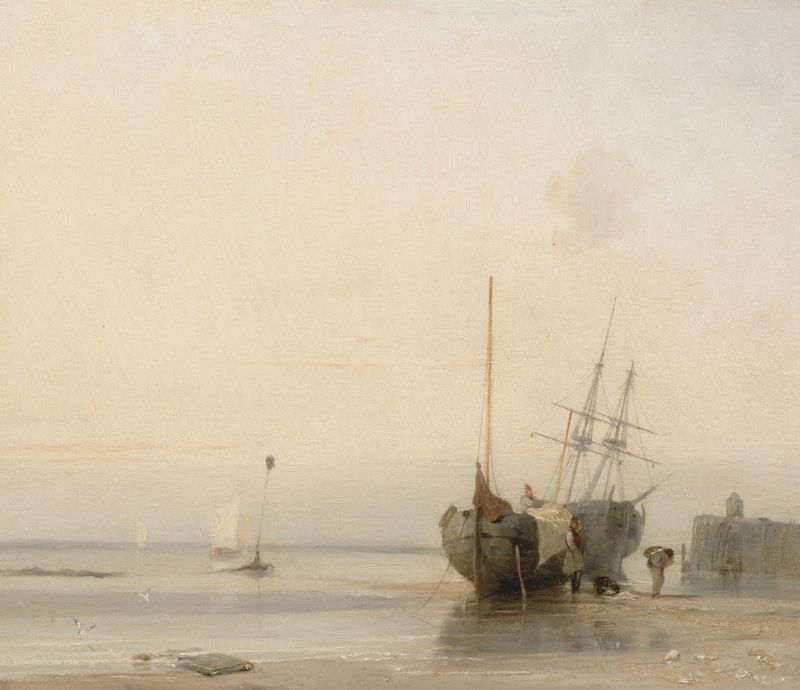
Calais Jetty, France
Richard Parkes Bonington
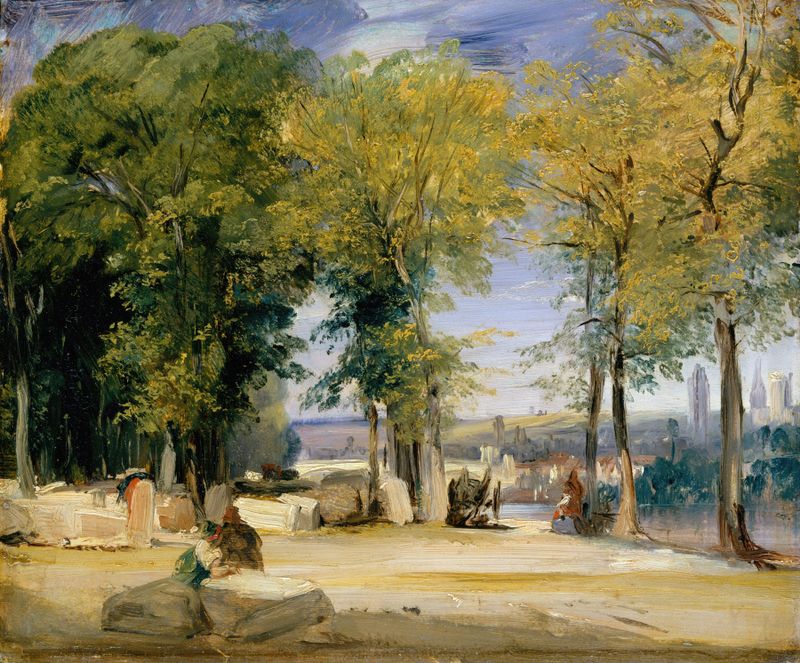
View near Rouen
Richard Parkes Bonington
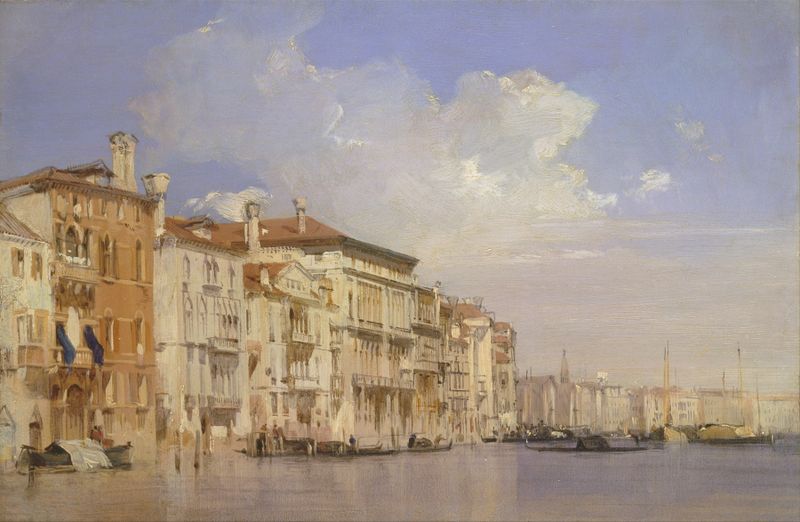
Grand Canal, Venice
Richard Parkes Bonington
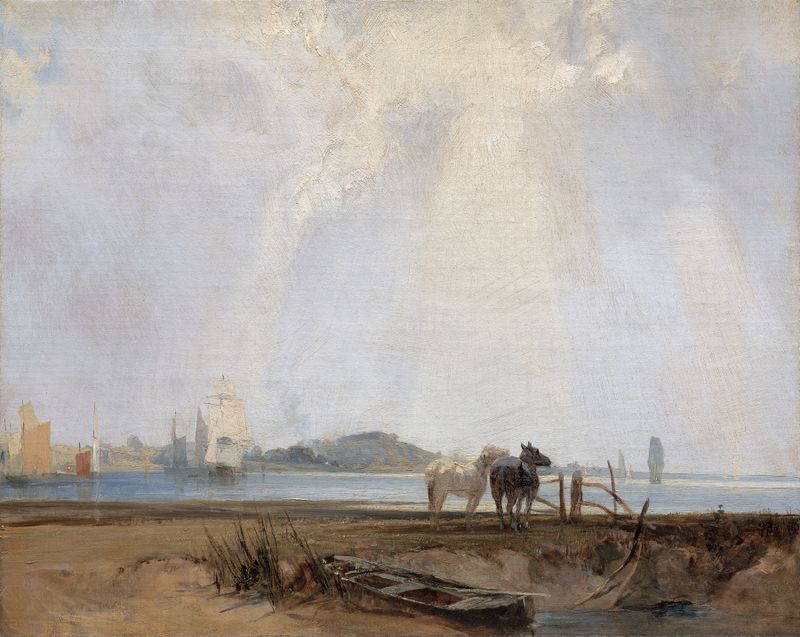
Near Quillebeuf
Richard Parkes Bonington
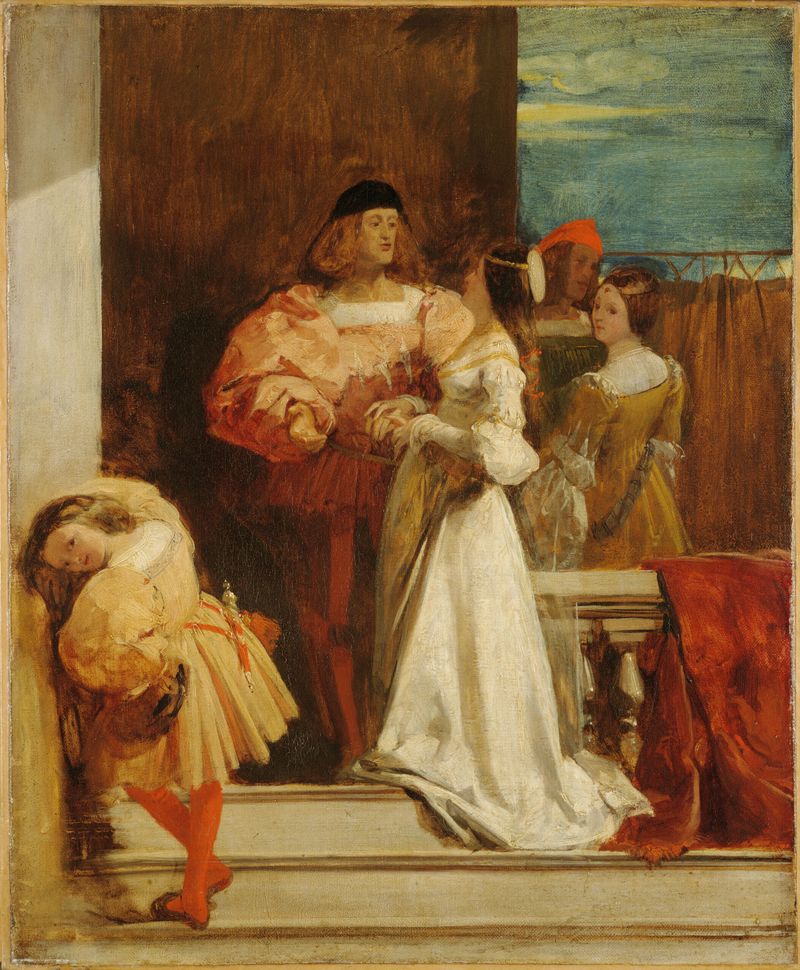
Evening in Venice
Richard Parkes Bonington
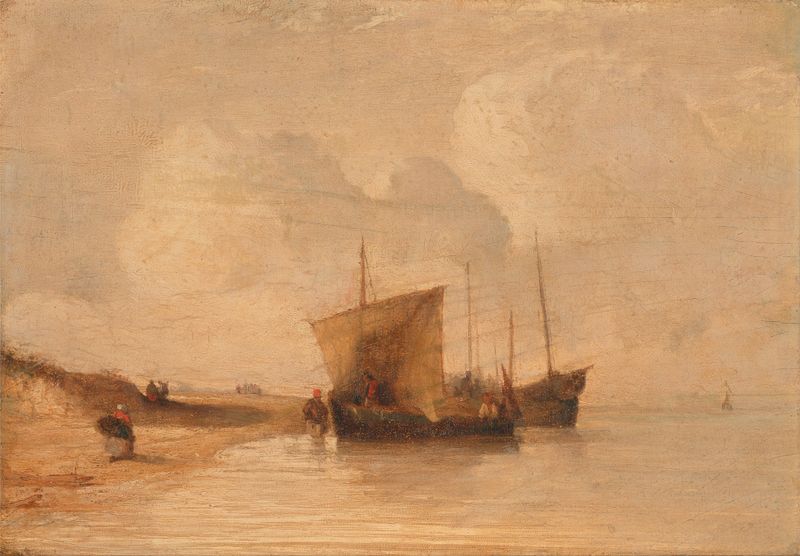
Normandy Coast
Richard Parkes Bonington
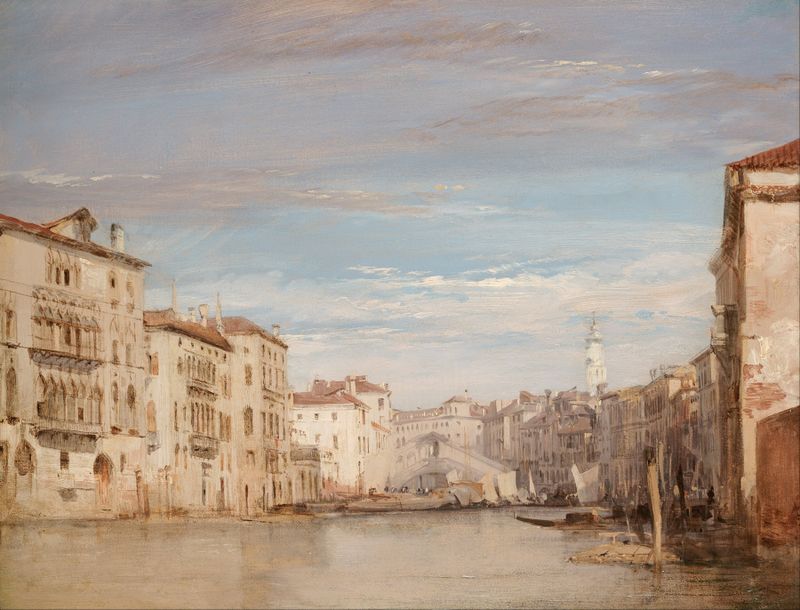
The Grand Canal, Venice, Looking Toward the Rialto
Richard Parkes Bonington
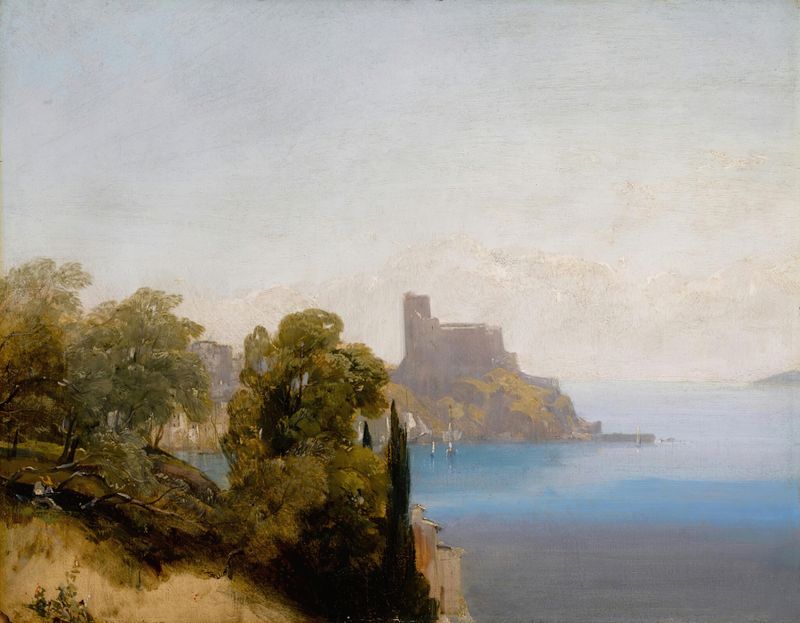
View of Lerici with Baron Charles Rivet sketching in the foreground
Richard Parkes Bonington
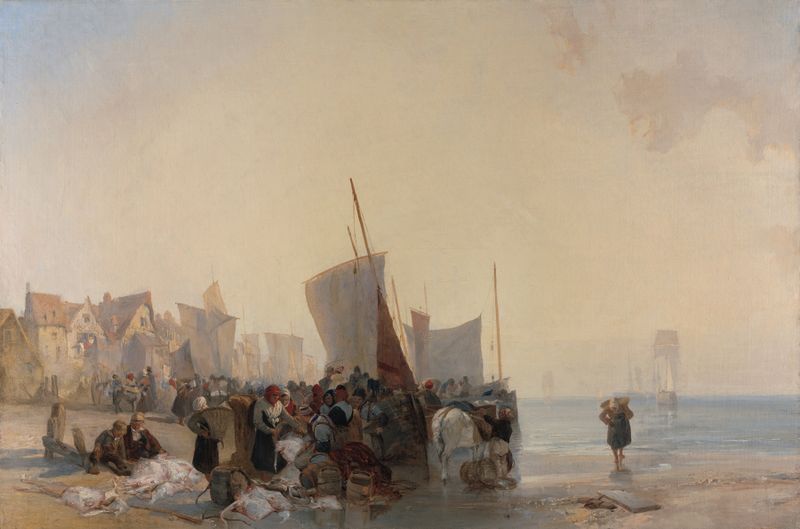
A Fish-market near Boulogne
Richard Parkes Bonington
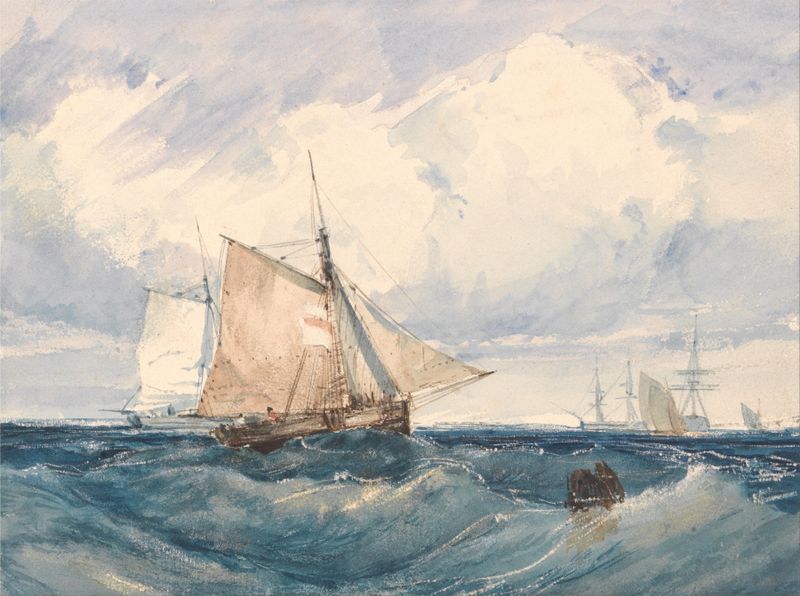
A Cutter and other shipping in a Breeze
Richard Parkes Bonington





