
Composition — History & Facts
A maze of interlocking forms immediately captures the eye, inviting viewers to trace the restless movement of ochre, black, and white shapes as they twist and overlap within a tightly bounded square. The geometry here is not cold or mechanical; instead, each turn and intersection seems to pulse with intention, as if the artist were searching for a hidden order beneath the surface. The thick black lines carve out pathways, while the ochre blocks press forward, refusing to be confined.
There is no single focal point—every segment is in dialogue with the next, the rhythm both measured and unpredictable. The palette is restrained but never dull, the contrast lending a sense of depth and tension to the otherwise flat surface. Created between 1917 and 1918, this work belongs to a moment when artists across Europe were reimagining the very language of painting. Theo van Doesburg was a leading figure in this revolution, pushing abstraction to new extremes as part of the De Stijl movement.
Paintings like this were not made for private patrons or grand salons, but for a new world in which art might speak a universal language of form and color. History has kept few traces of the individual journeys of such works, but their bold experiments still challenge us to look again, to find meaning in the meeting of line and plane.
More Artworks by Theo van Doesburg
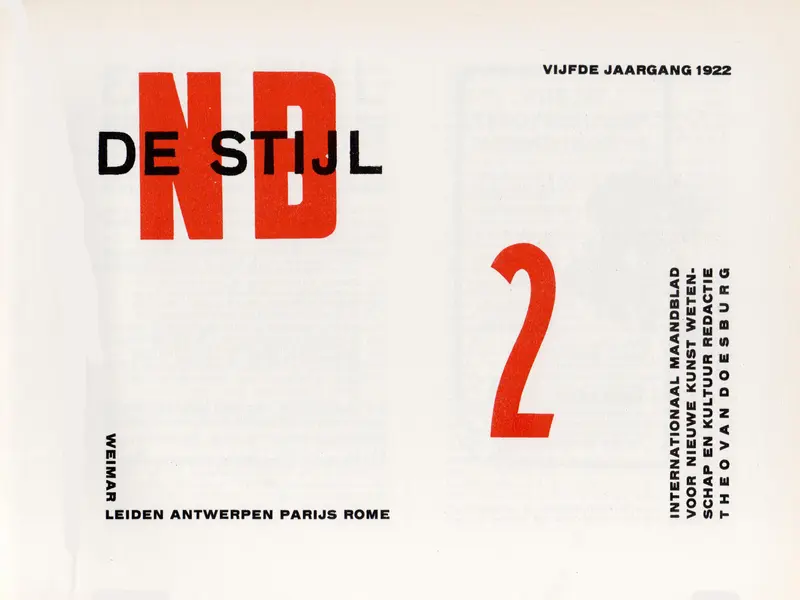
De Stijl, vol. 5, no. 2 (cover)
Theo van Doesburg
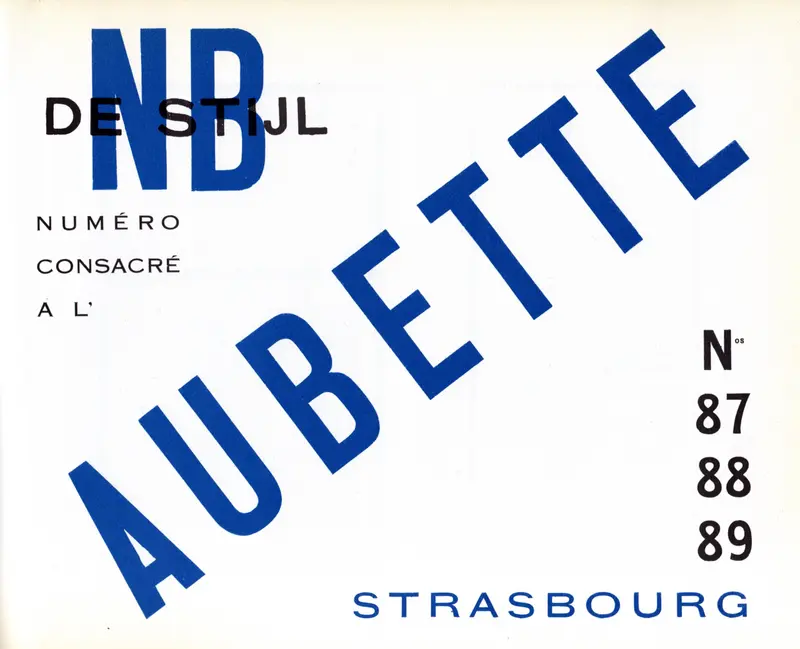
De Stijl, nos. 87–89: Aubette Issue (cover)
Theo van Doesburg
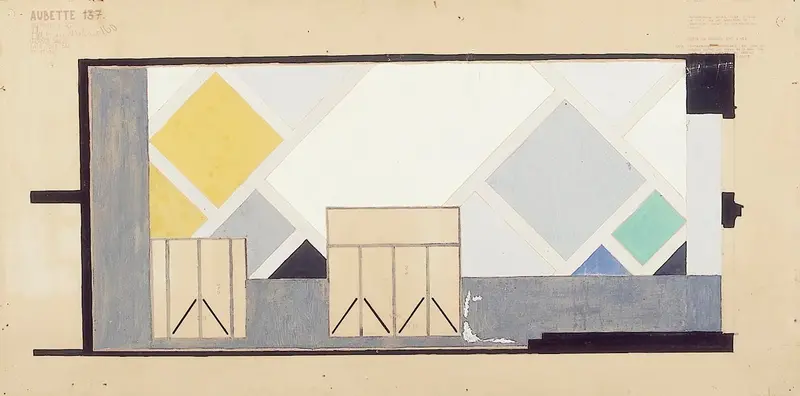
Aubette Ciné-Dancing: Final Color Design for a Wall
Theo van Doesburg
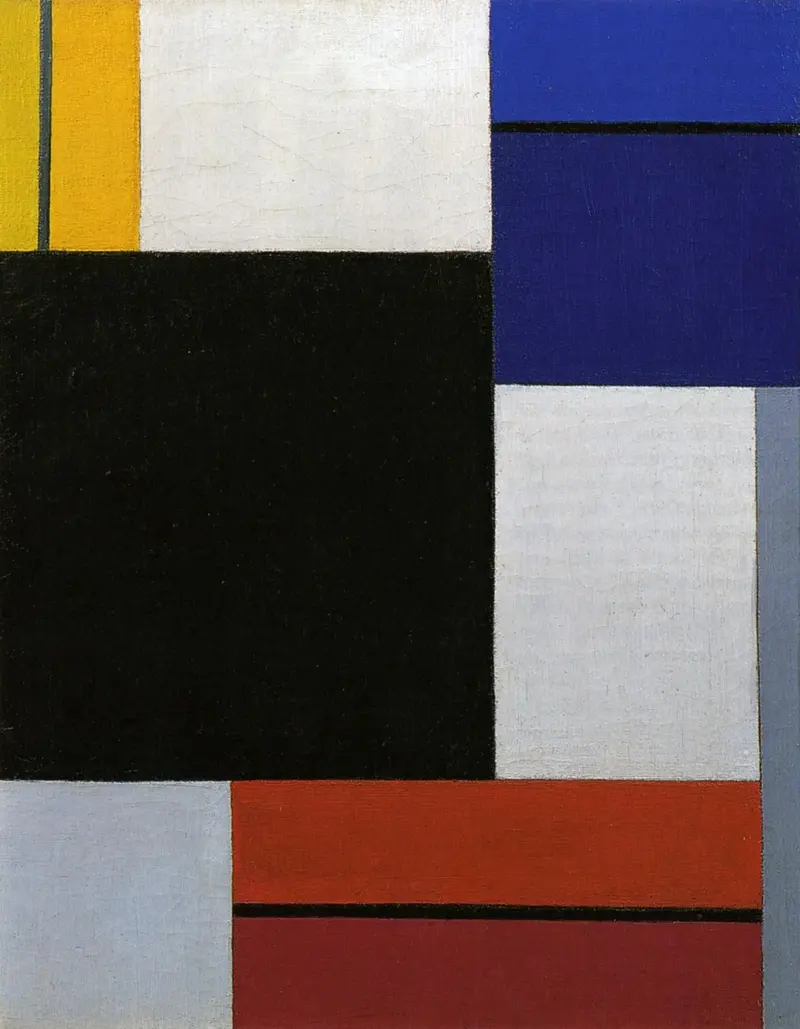
Composition XXI
Theo van Doesburg
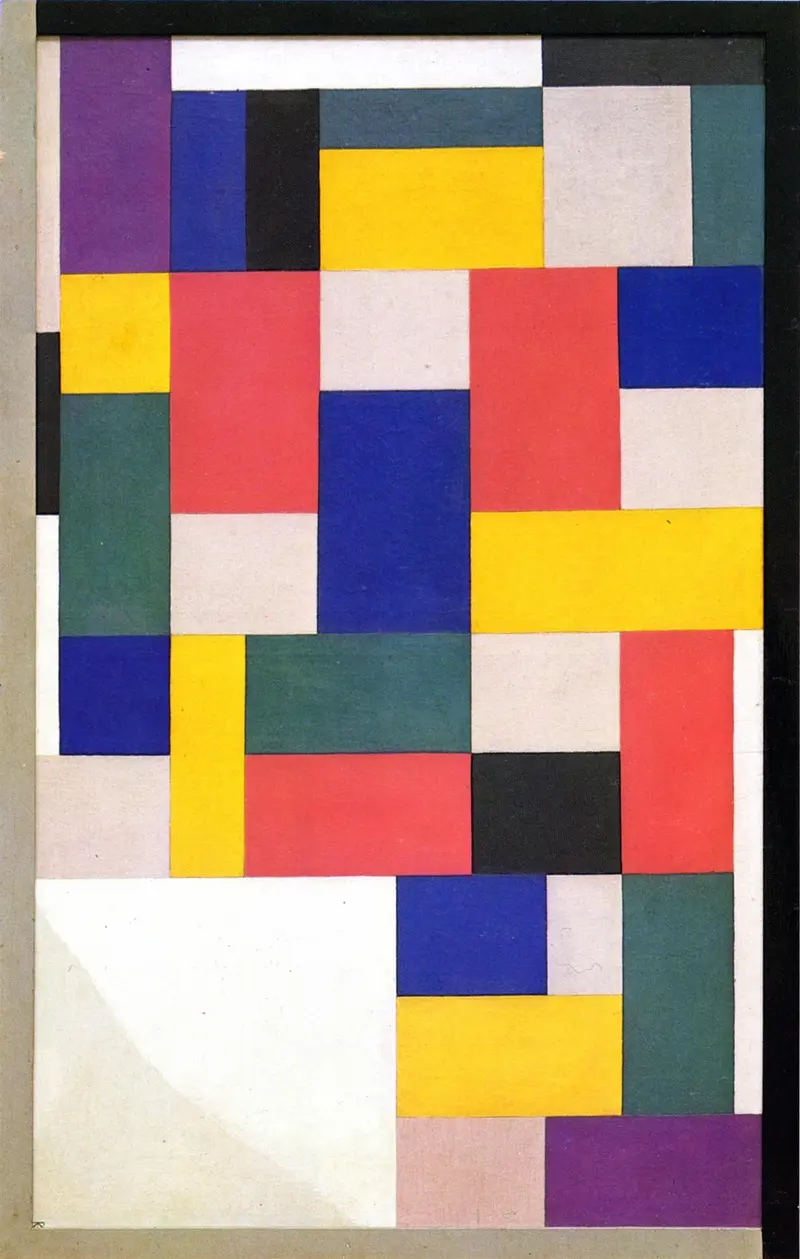
Pure Painting
Theo van Doesburg
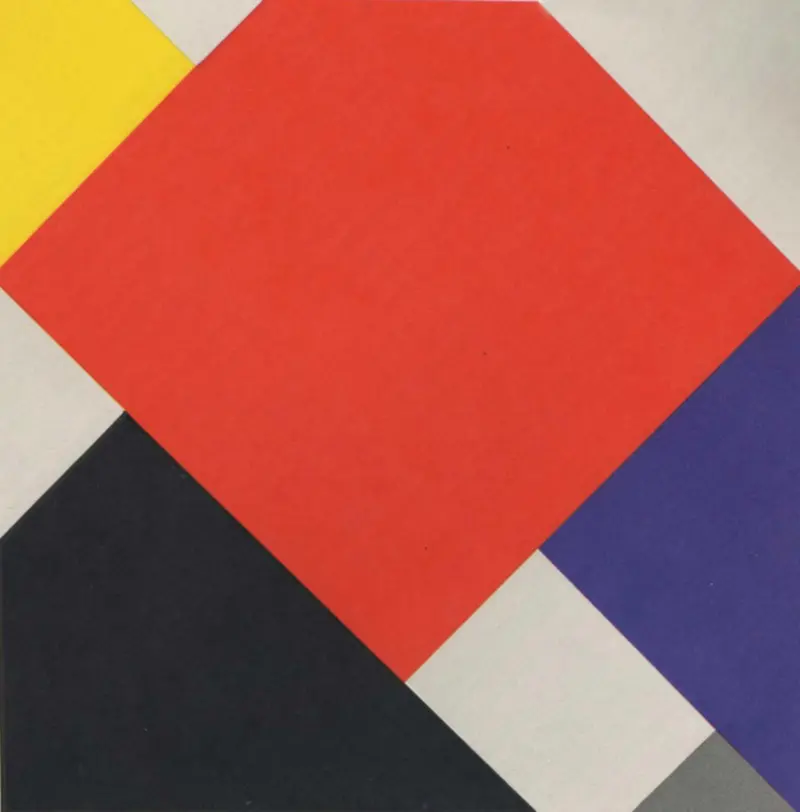
Counter-Composition V
Theo van Doesburg
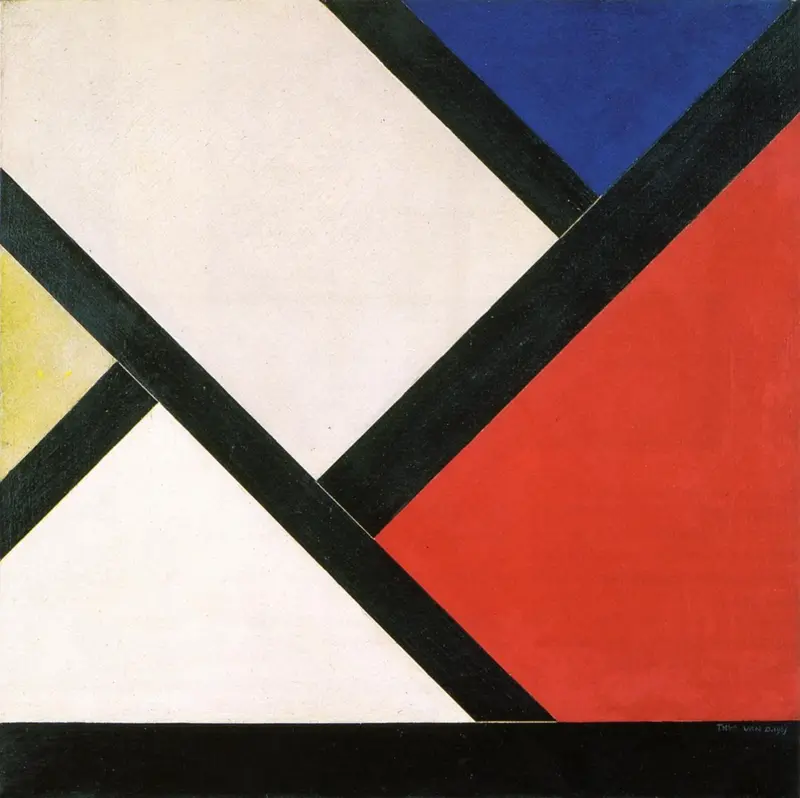
Counter-Composition XIV
Theo van Doesburg
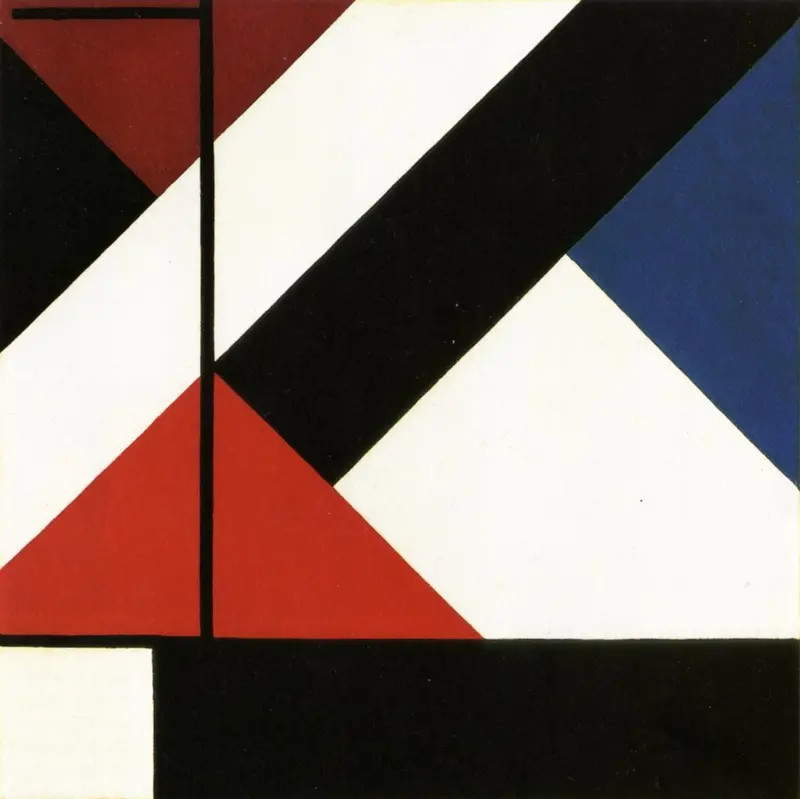
Simultaneous Counter-Composition
Theo van Doesburg
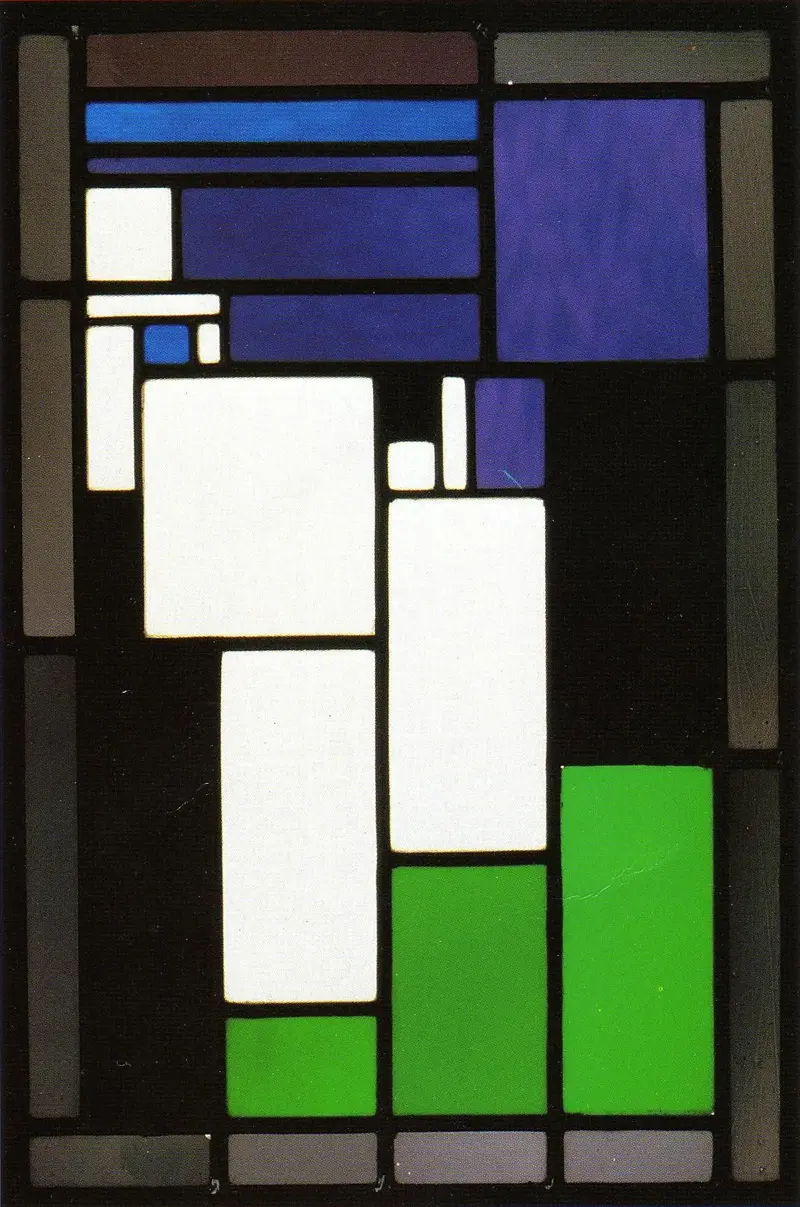
Stained-Glass Composition: Female Head
Theo van Doesburg
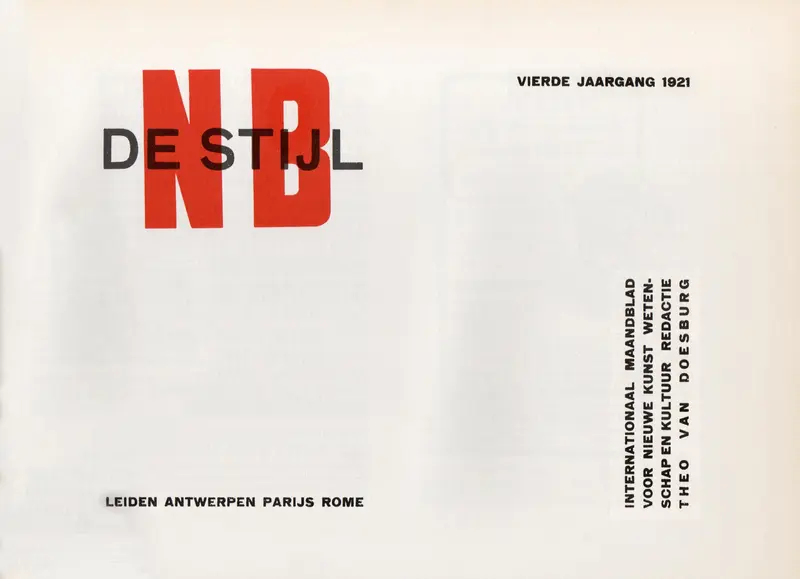
De Stijl, vol. 4, no. 2 (cover)
Theo van Doesburg





