Composition XXI — History & Facts
Composition XXI was painted by Theo van Doesburg in June–July 1923, during a period when the artist was actively engaged with the principles of geometric abstraction and the De Stijl movement. This work dates from a mature phase in van Doesburg’s career, when he was developing his ideas about the use of primary colours, strict geometry, and the reduction of form. The painting is documented in the 2000 catalogue raisonné edited by Els Hoek. The composition consists of a grid of rectangular forms rendered in black, white, yellow, blue, red, and grey, defined by sharp, straight black lines.
The arrangement is asymmetrical yet balanced, with large blocks of black and blue dominating the upper half, while red and maroon rectangles anchor the lower part. The use of flat, unmodulated colour and the absence of any representational imagery are characteristic of van Doesburg’s abstract style. The brushwork is controlled, with edges kept crisp and the surface matte. This painting is an example of van Doesburg’s commitment to the ideals of De Stijl, a movement he co-founded, which sought to express harmony and order through abstraction.
Composition XXI is listed in the authoritative catalogue of the artist’s works, but there is no specific documentation regarding its commission, early provenance, or exhibition history. The work’s precise dating to the summer of 1923 situates it among van Doesburg’s most systematic explorations of geometric abstraction.
More Artworks by Theo van Doesburg
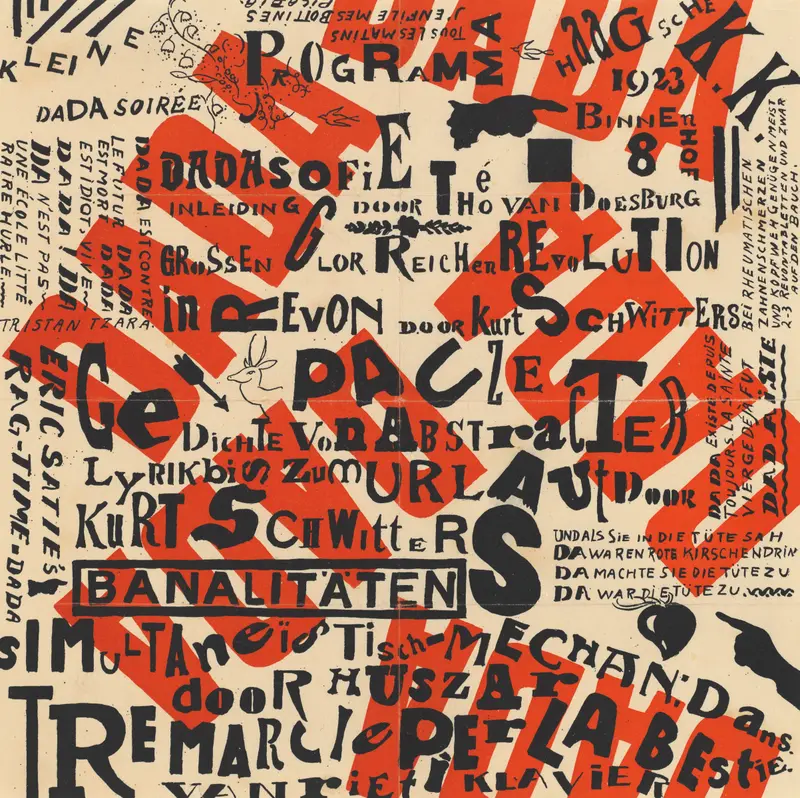
Kleine Dada Soirée (Small Dada Evening)
Theo van Doesburg
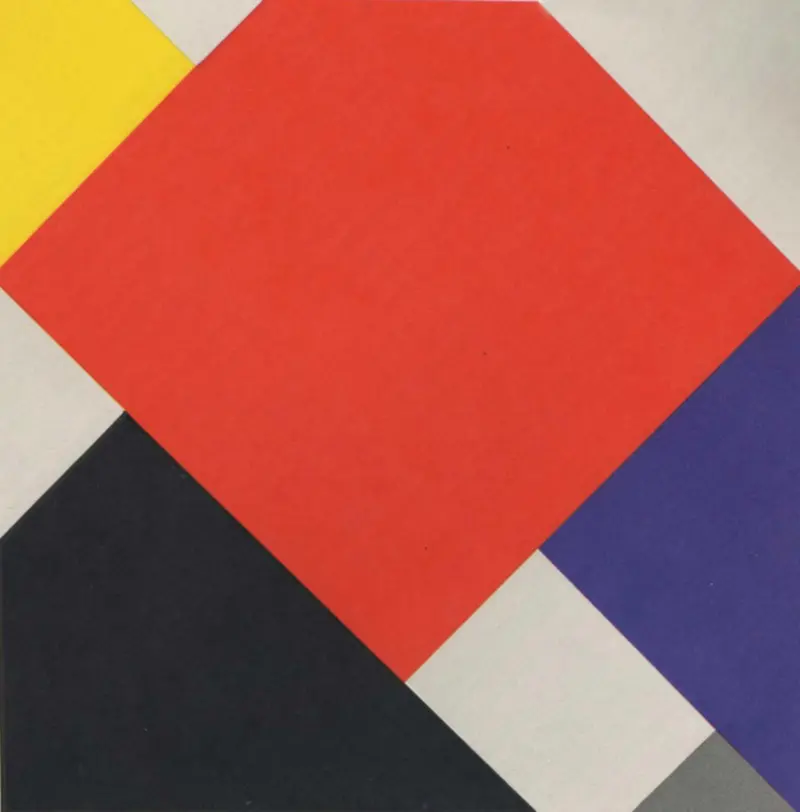
Counter-Composition V
Theo van Doesburg
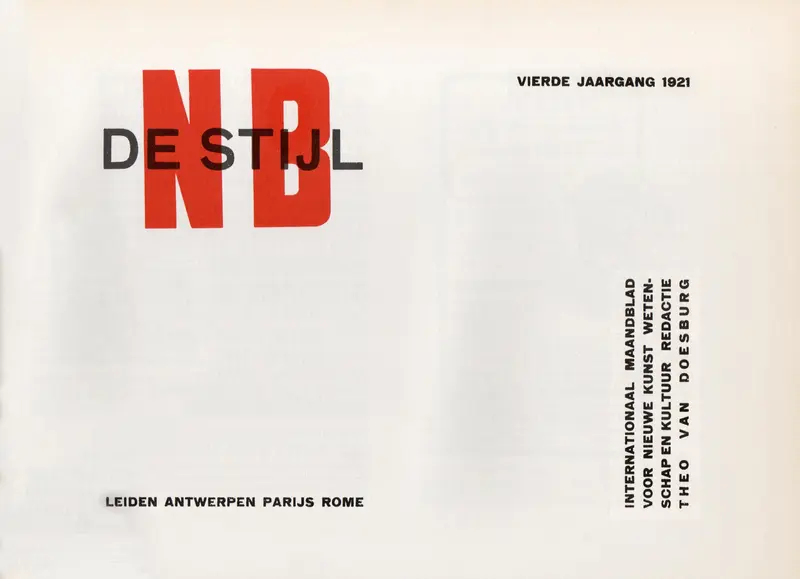
De Stijl, vol. 4, no. 2 (cover)
Theo van Doesburg
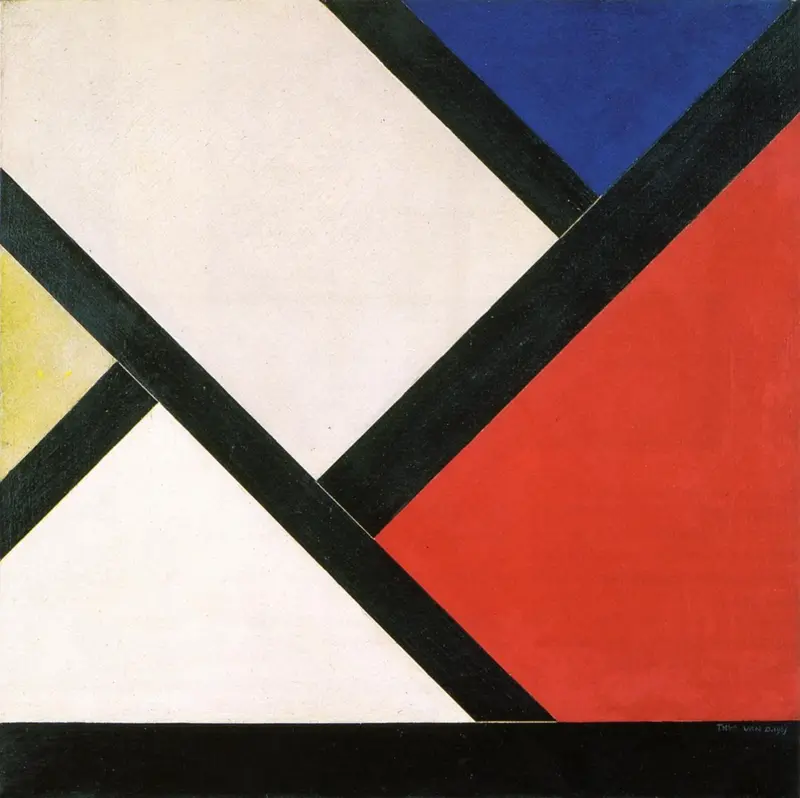
Counter-Composition XIV
Theo van Doesburg
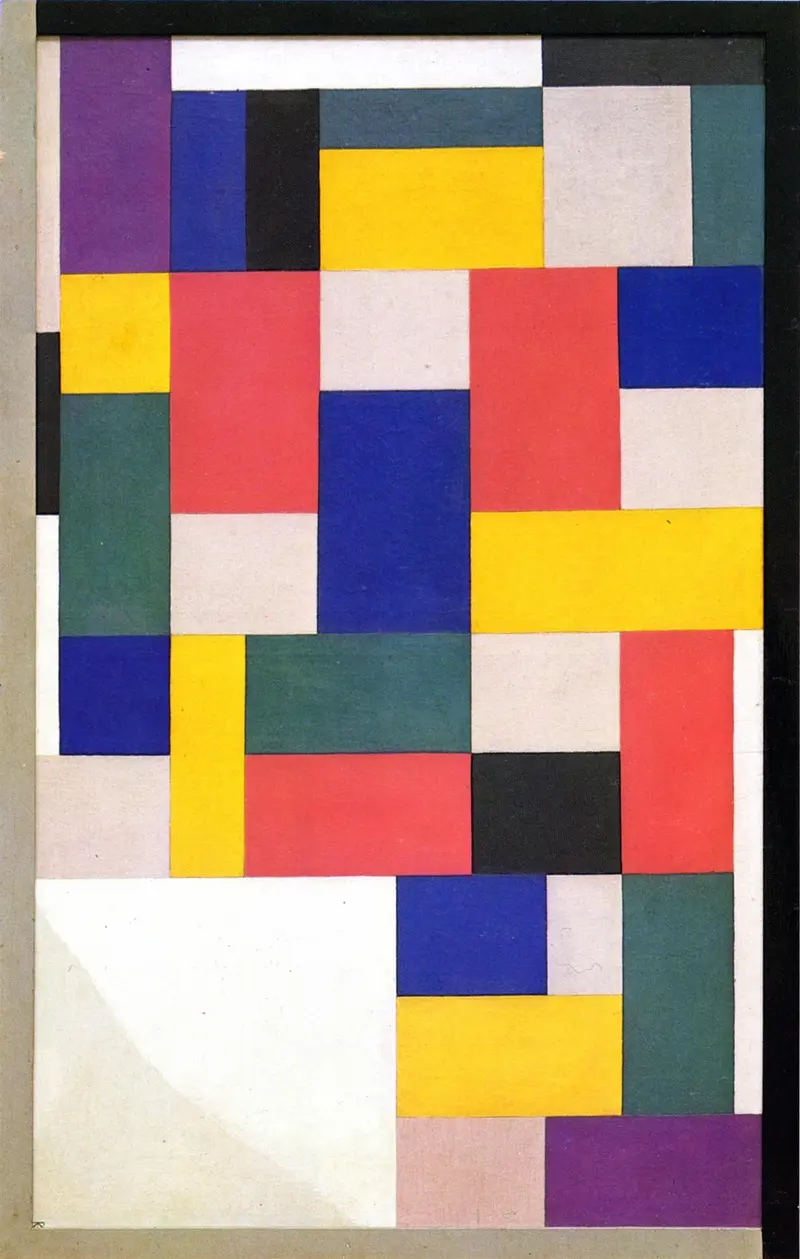
Pure Painting
Theo van Doesburg
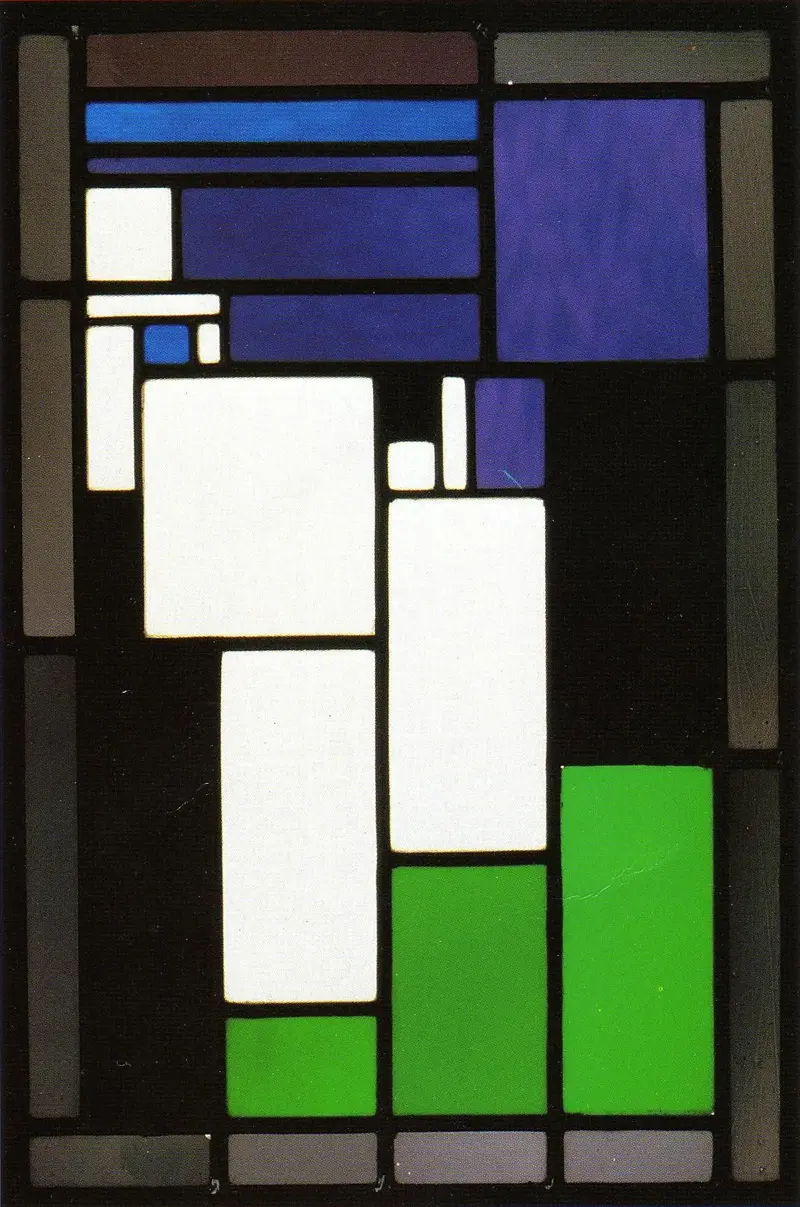
Stained-Glass Composition: Female Head
Theo van Doesburg
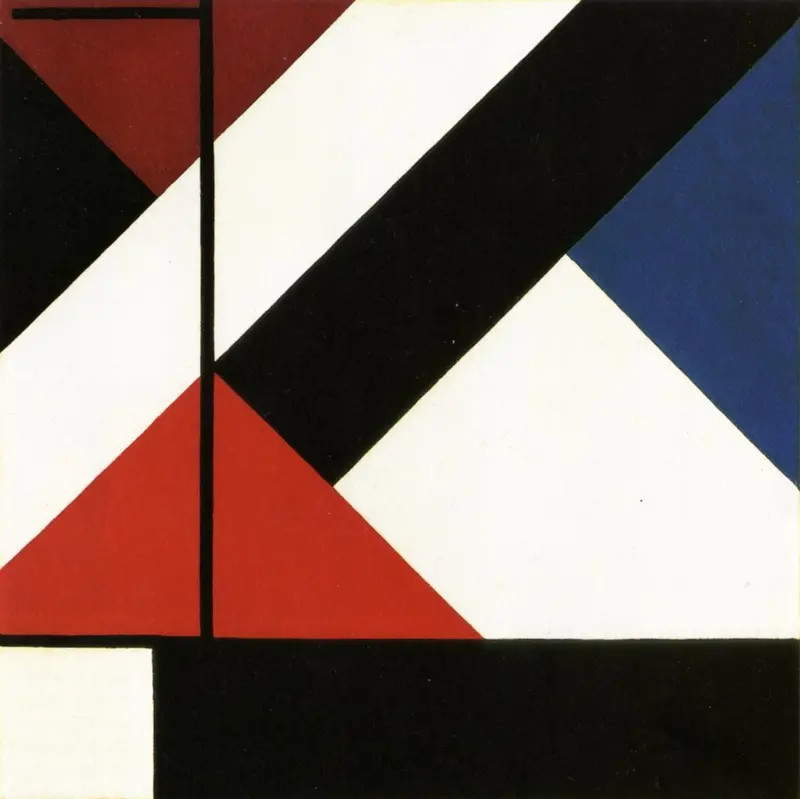
Simultaneous Counter-Composition
Theo van Doesburg
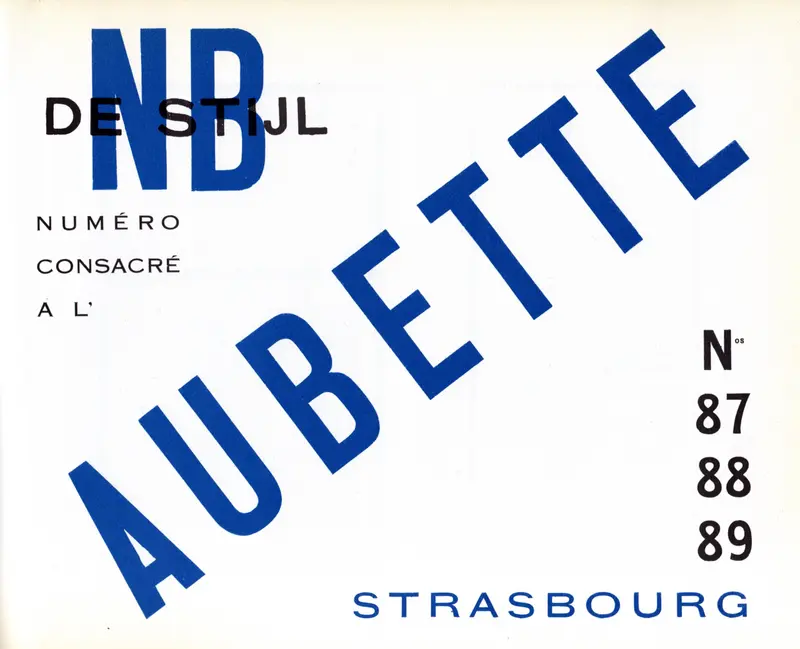
De Stijl, nos. 87–89: Aubette Issue (cover)
Theo van Doesburg
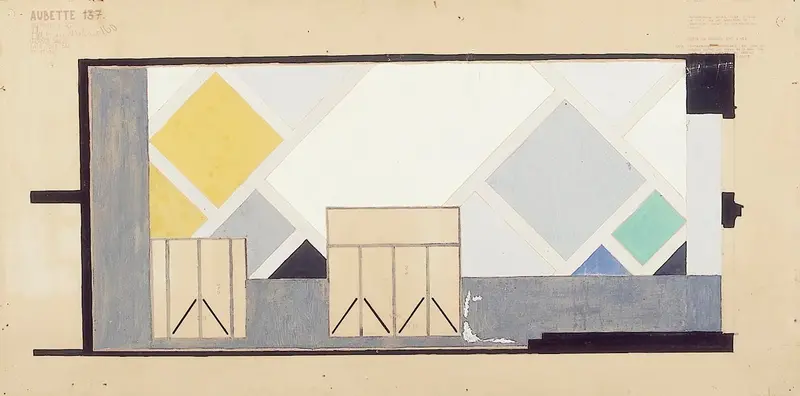
Aubette Ciné-Dancing: Final Color Design for a Wall
Theo van Doesburg
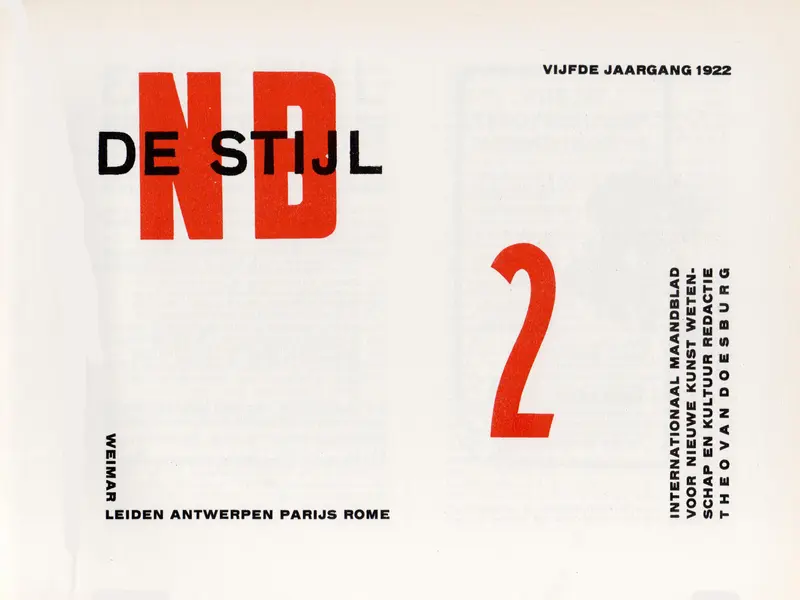
De Stijl, vol. 5, no. 2 (cover)
Theo van Doesburg