Counter-Composition V — History & Facts
Counter-Composition V by Theo van Doesburg is an oil painting executed between 24 July 1924 and 31 December 1924. The work belongs to a series of abstract compositions created during a period when van Doesburg was deeply engaged with the principles of geometric abstraction and the De Stijl movement. The painting reflects the artist's exploration of dynamic equilibrium and the use of diagonal elements, which marked a departure from the strict horizontals and verticals favored by other members of De Stijl. The composition consists of overlapping geometric shapes, primarily rectangles and parallelograms, rendered in flat, unmodulated areas of color.
A large red diamond dominates the center, intersected by planes of black, yellow, blue, white, and grey. The arrangement of these forms creates a sense of movement and tension, with the diagonal orientation of the central shape contrasting against the edges of the canvas. The palette is limited but bold, emphasizing primary colors and neutrals, and the paint is applied evenly, without visible brushwork. The precise circumstances of the commission, early ownership, and exhibition history of Counter-Composition V are not documented, nor is the current location or collection that holds the work.
The painting is representative of van Doesburg's mature style in the mid-1920s, a period when he was actively theorizing and promoting the idea of elementarism within abstract art.
More Artworks by Theo van Doesburg
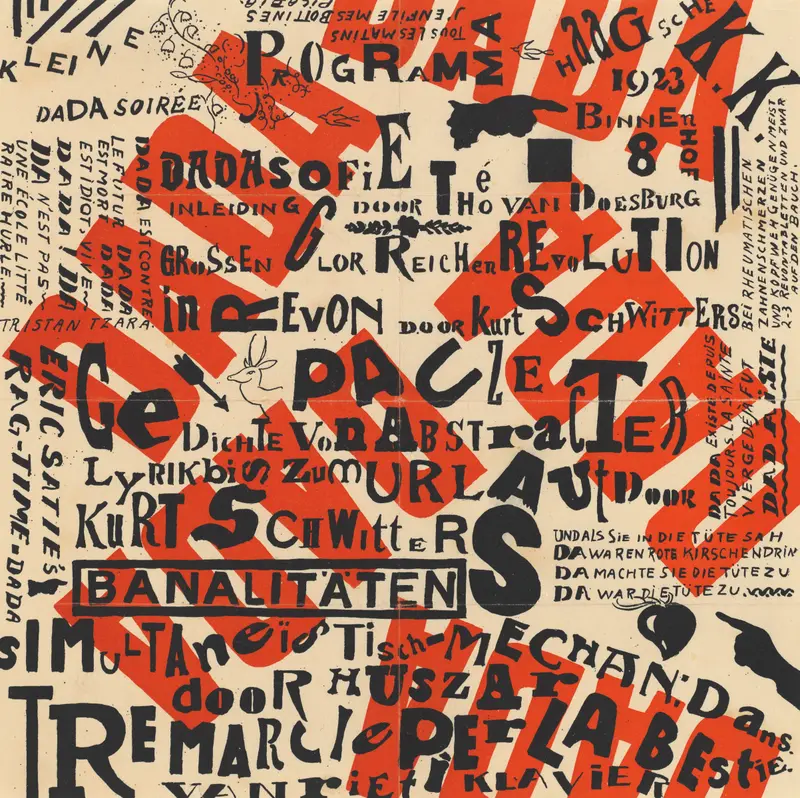
Kleine Dada Soirée (Small Dada Evening)
Theo van Doesburg
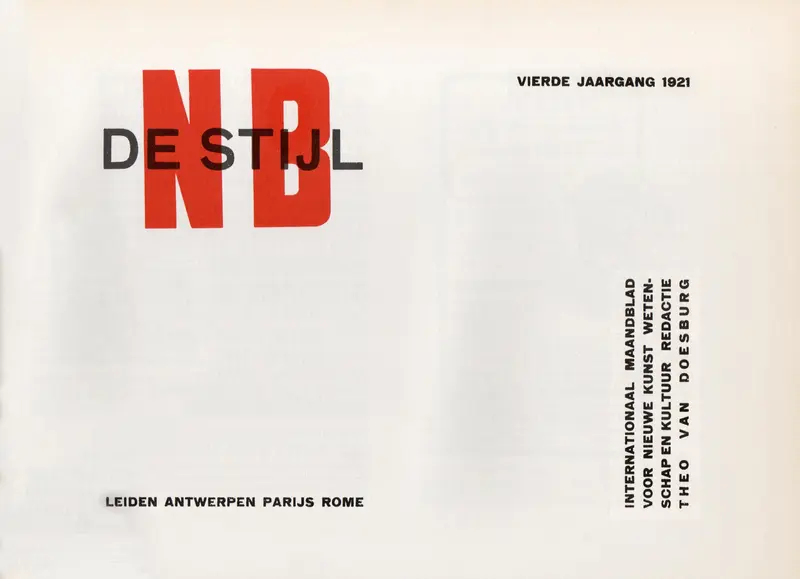
De Stijl, vol. 4, no. 2 (cover)
Theo van Doesburg
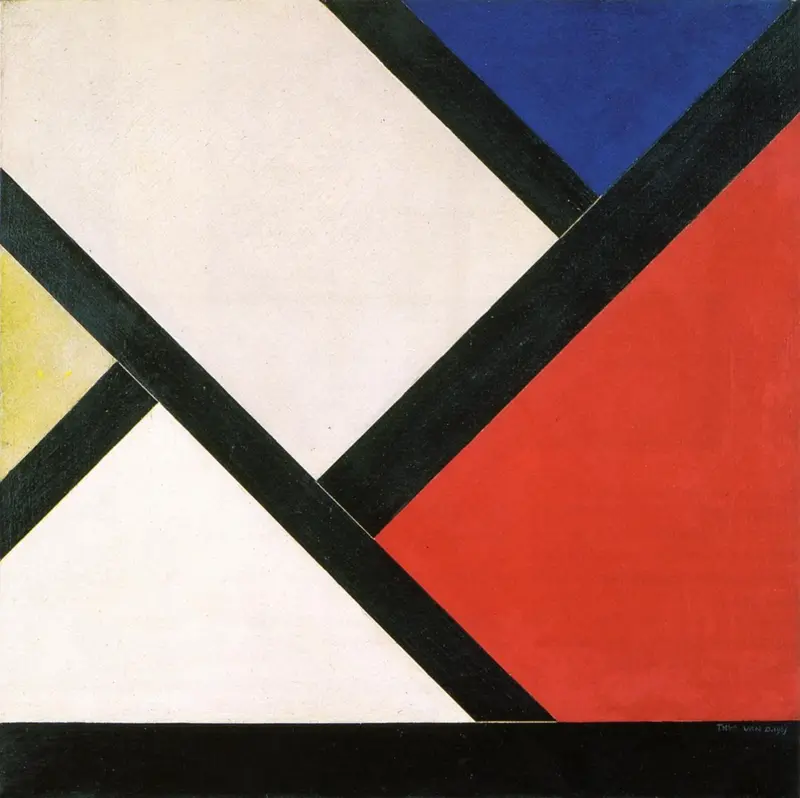
Counter-Composition XIV
Theo van Doesburg
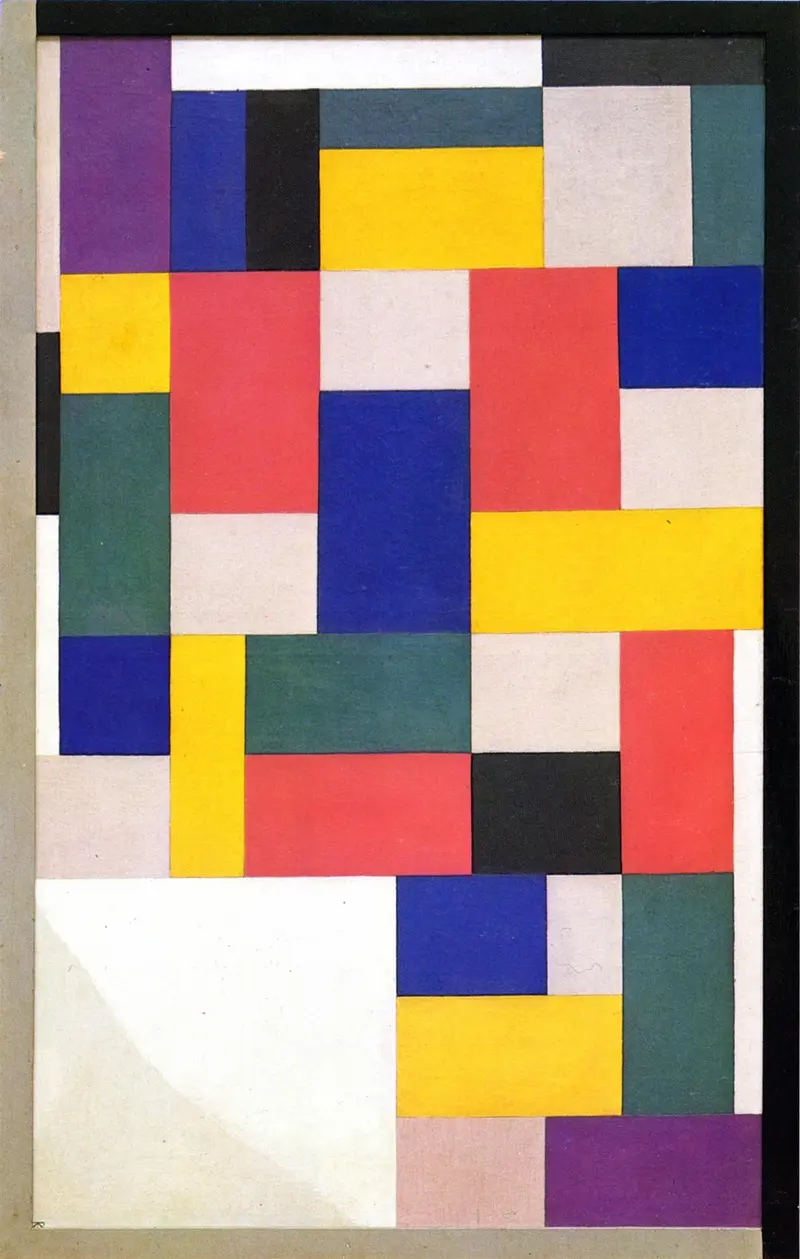
Pure Painting
Theo van Doesburg
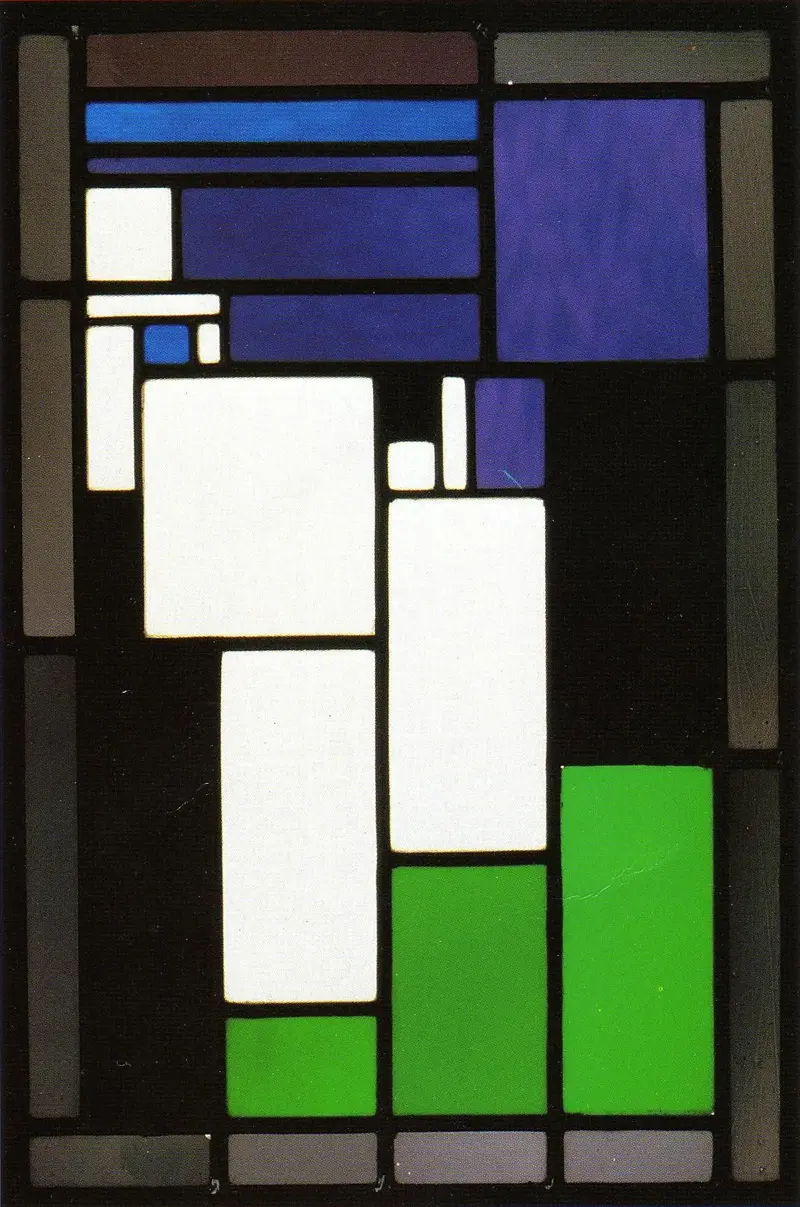
Stained-Glass Composition: Female Head
Theo van Doesburg
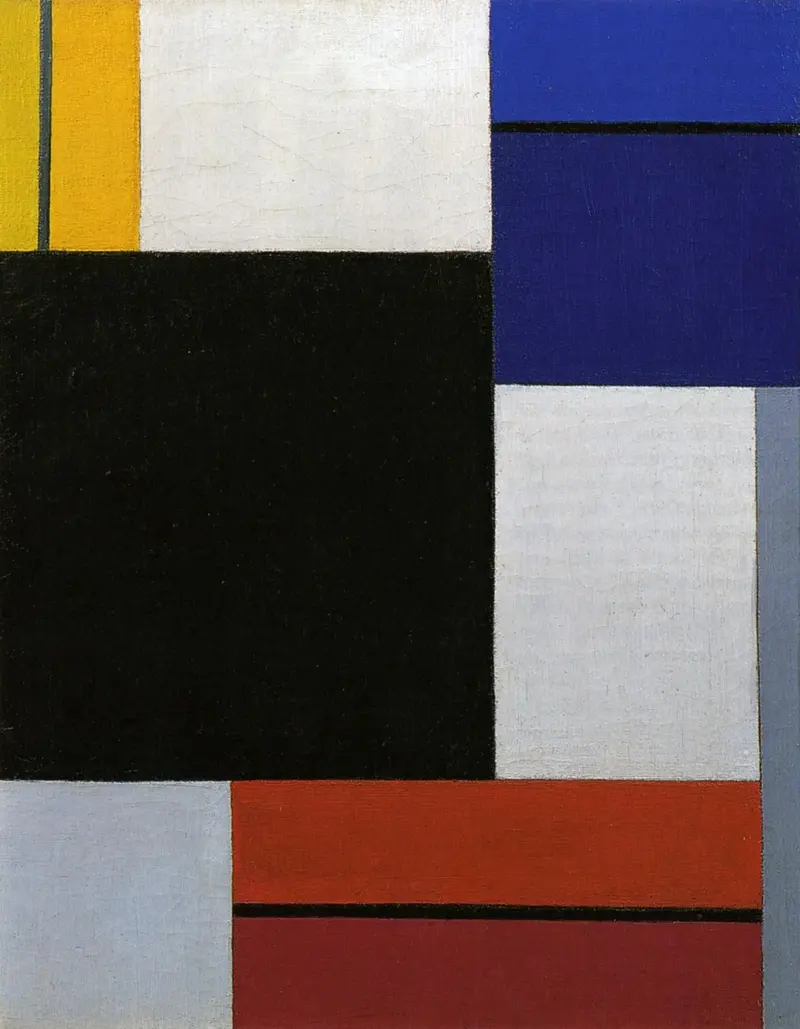
Composition XXI
Theo van Doesburg
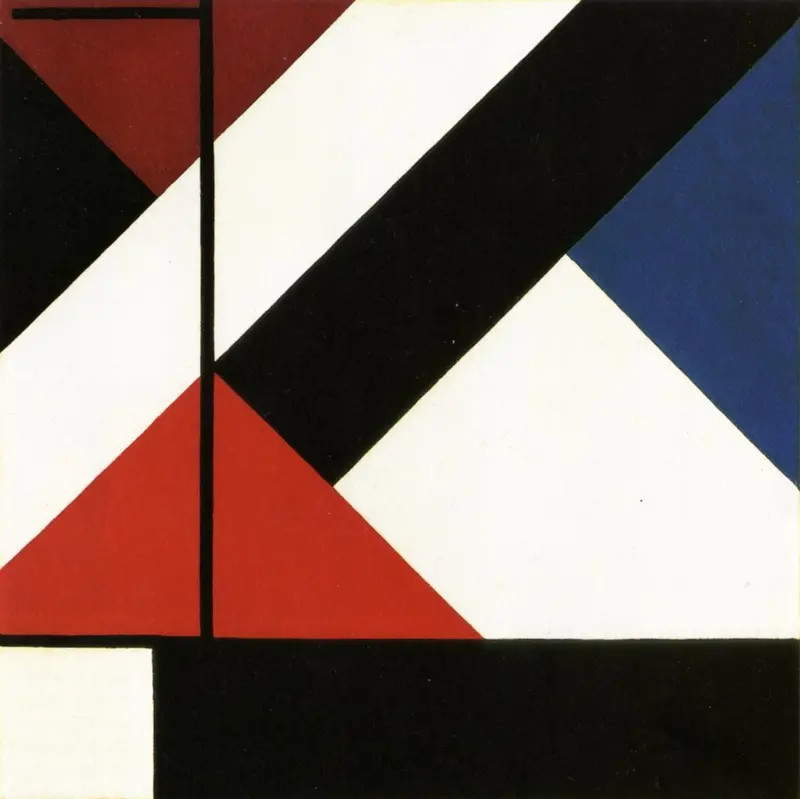
Simultaneous Counter-Composition
Theo van Doesburg
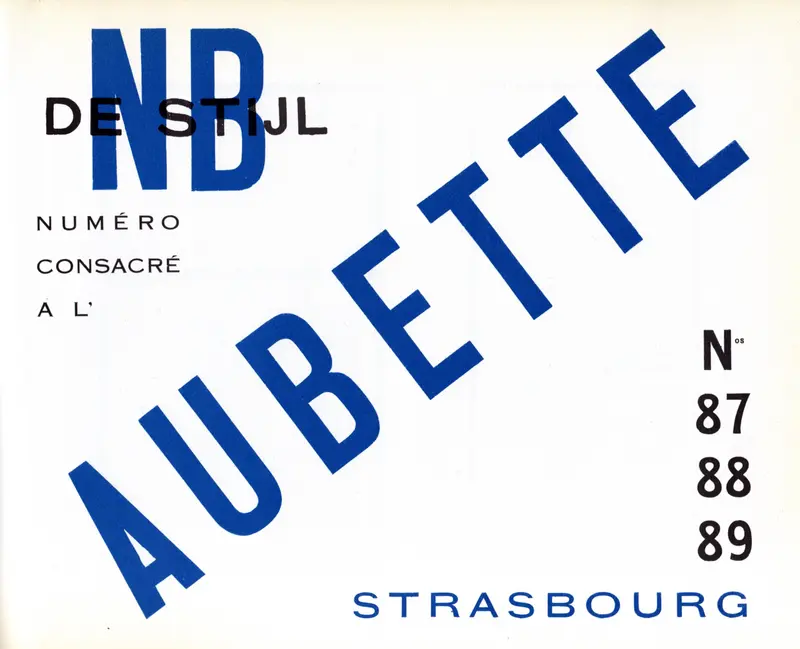
De Stijl, nos. 87–89: Aubette Issue (cover)
Theo van Doesburg
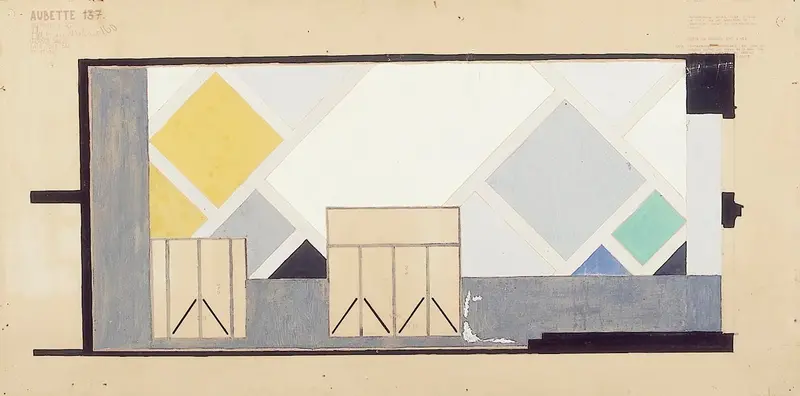
Aubette Ciné-Dancing: Final Color Design for a Wall
Theo van Doesburg
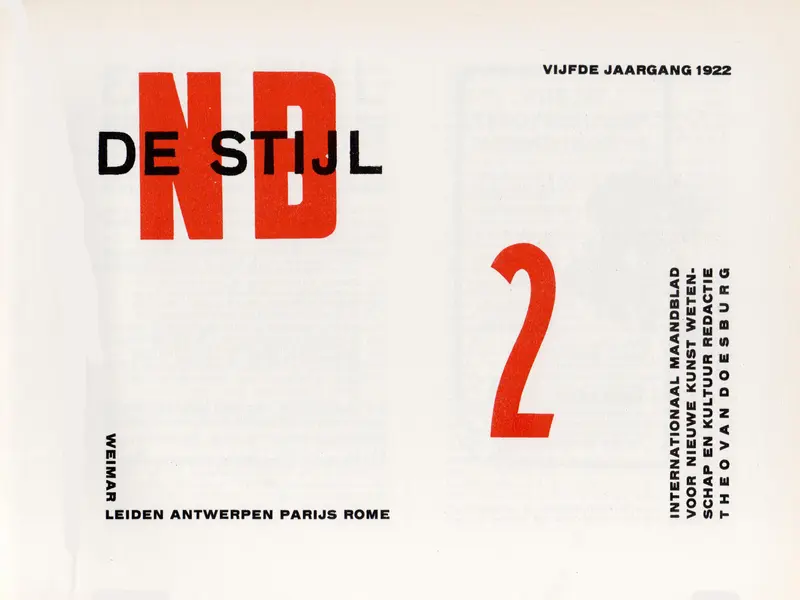
De Stijl, vol. 5, no. 2 (cover)
Theo van Doesburg