
Composition XIII (Woman in Studio) — History & Facts
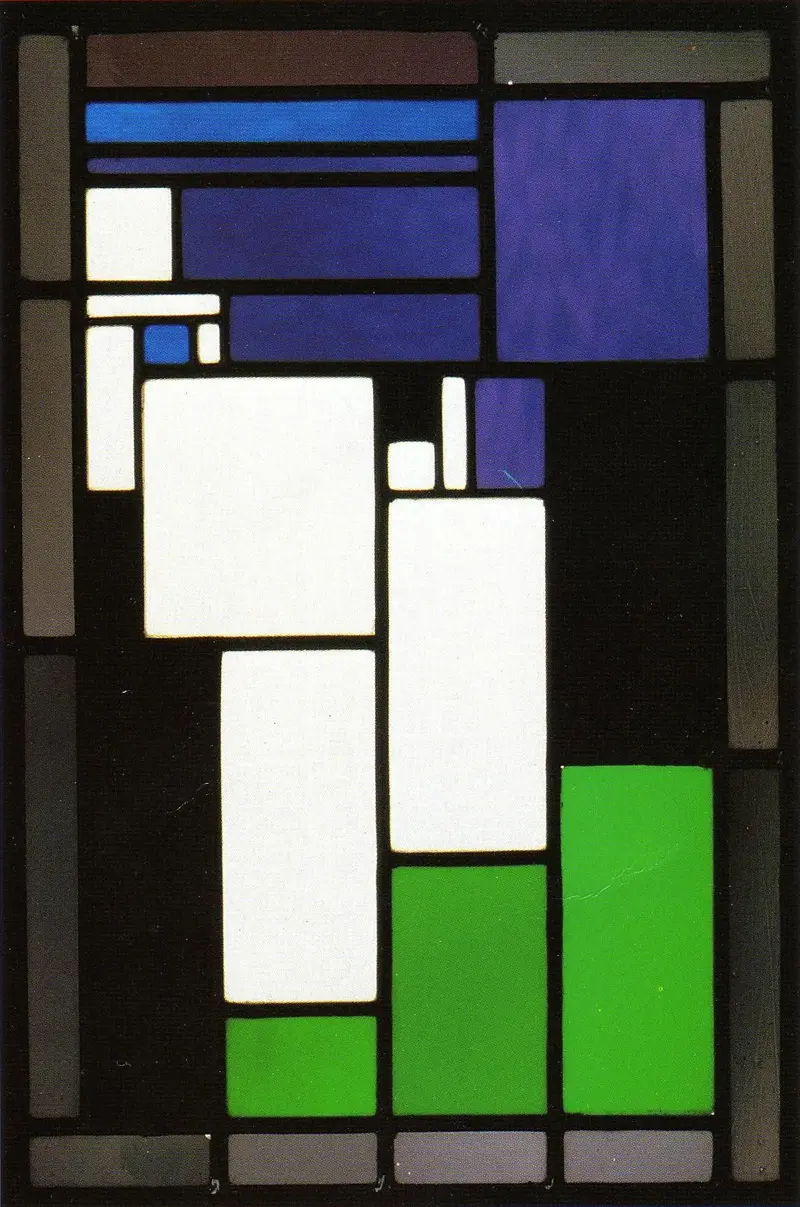
A lattice of black bars marches across a pale ground, each line asserting itself with mechanical certainty, yet never quite forming a closed shape. The eye is drawn to the restless rhythm of these intersecting elements, as if searching for a hidden figure or a moment of stillness inside the grid. The composition feels both rigorous and improvisational; each bar halts abruptly or stretches just far enough to nudge against another, creating a sense of coded movement.
The negative space is not merely background but an active participant, pushing and pulling against the assertive geometry. There is a tension here—between order and chance, between the impulse to build and the urge to dissolve. This work, made in 1918 by Theo van Doesburg, stands at the threshold of a world newly fascinated by abstraction. In the aftermath of war and upheaval, artists of the De Stijl movement sought a universal visual language—one stripped of illusion and narrative, built from pure relationships of line and form.
History has kept few traces of Composition XIII (Woman in Studio) beyond its appearance in the 2000 catalogue edited by Els Hoek, yet its date and style place it firmly within that radical moment. To look at it now is to witness the excitement and anxiety of an age inventing itself, one black bar at a time.
More Artworks by Theo van Doesburg
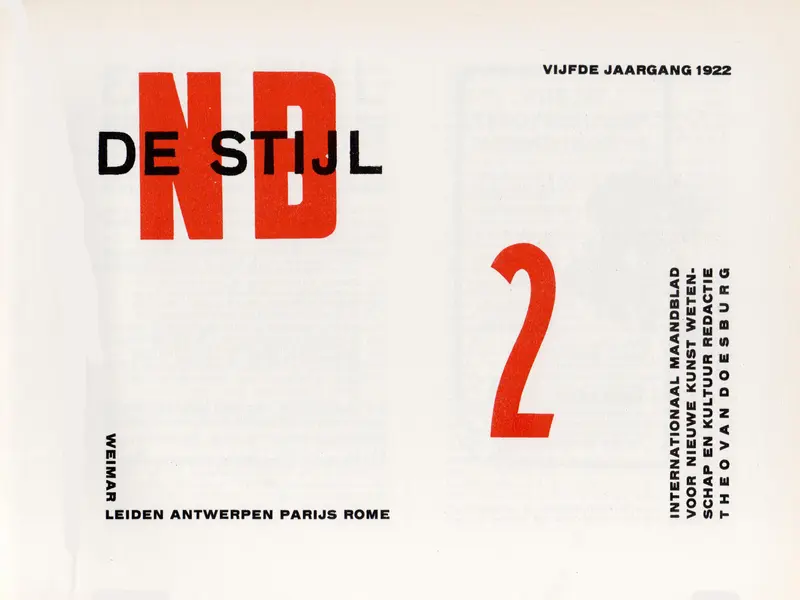
De Stijl, vol. 5, no. 2 (cover)
Theo van Doesburg
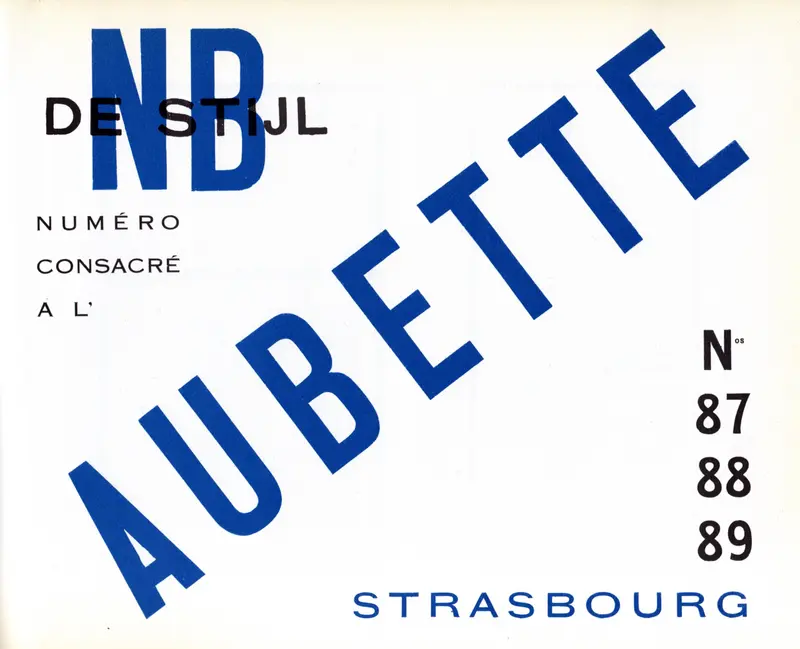
De Stijl, nos. 87–89: Aubette Issue (cover)
Theo van Doesburg
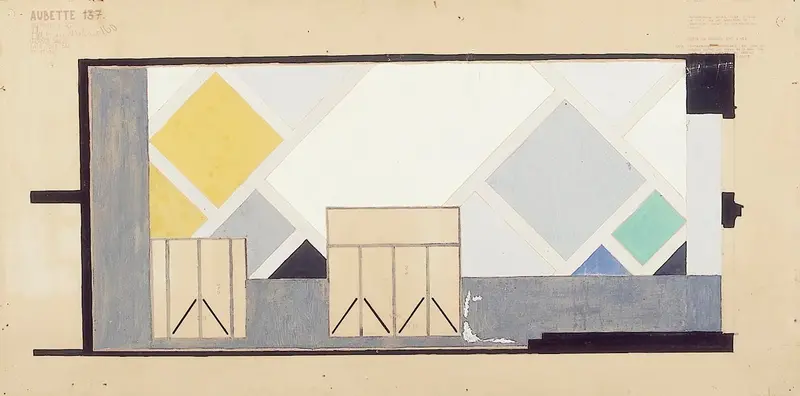
Aubette Ciné-Dancing: Final Color Design for a Wall
Theo van Doesburg
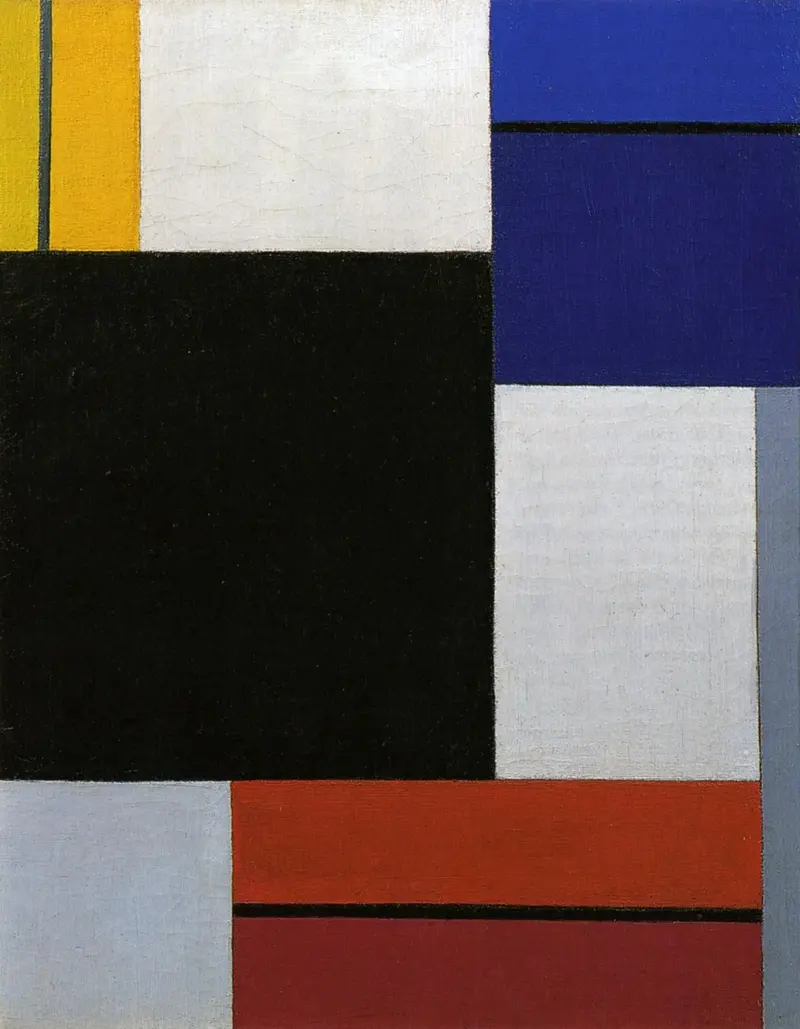
Composition XXI
Theo van Doesburg
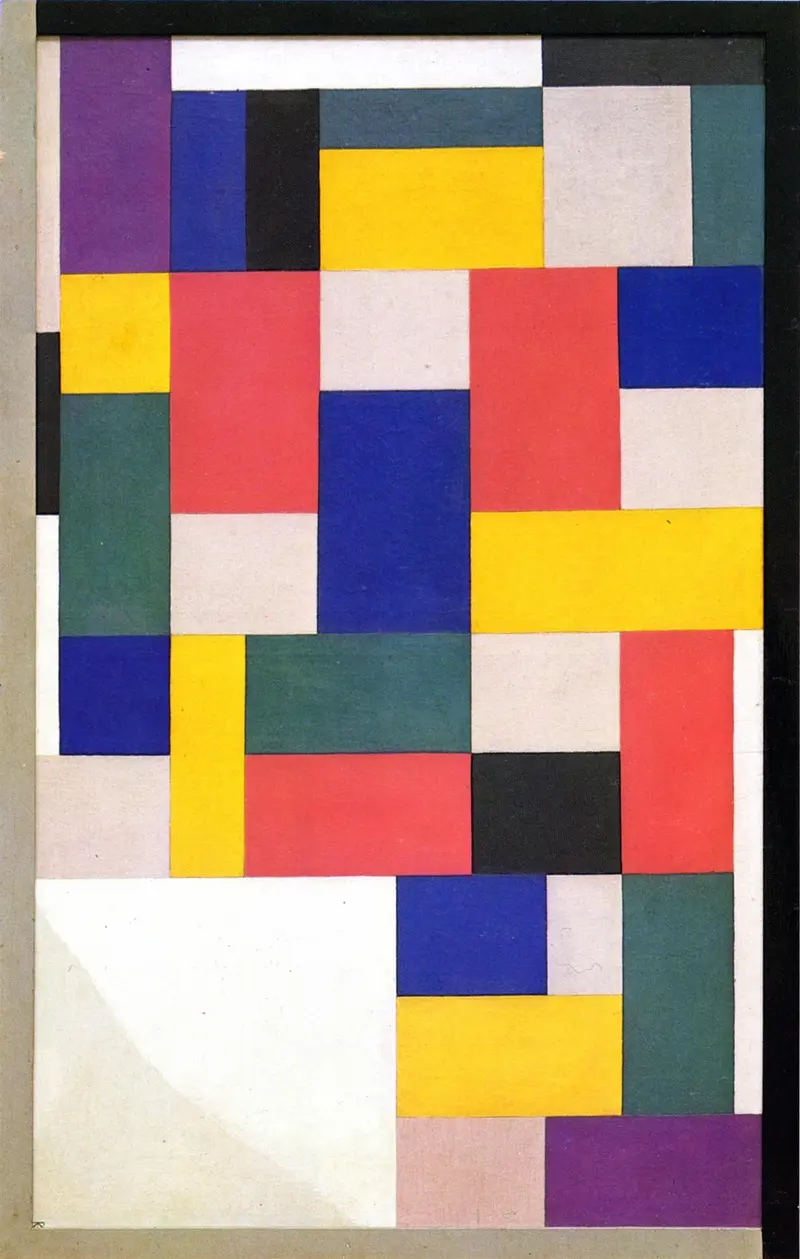
Pure Painting
Theo van Doesburg
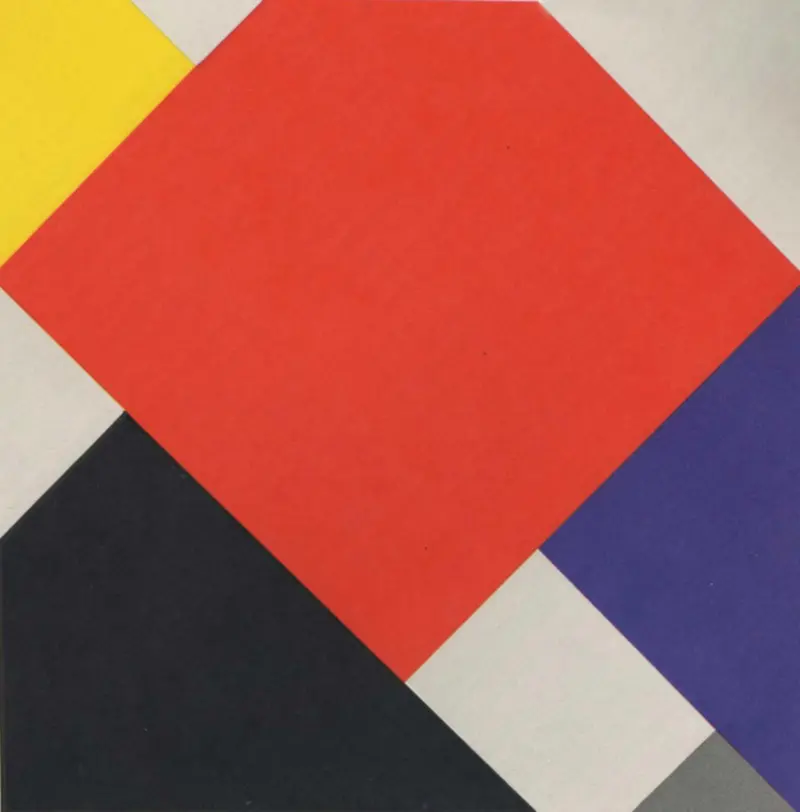
Counter-Composition V
Theo van Doesburg
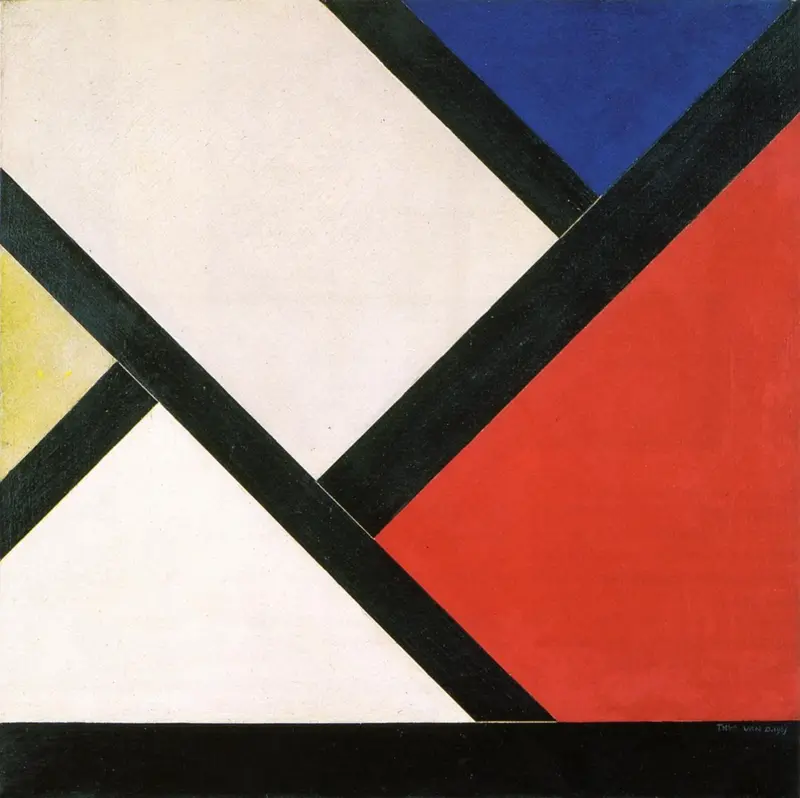
Counter-Composition XIV
Theo van Doesburg
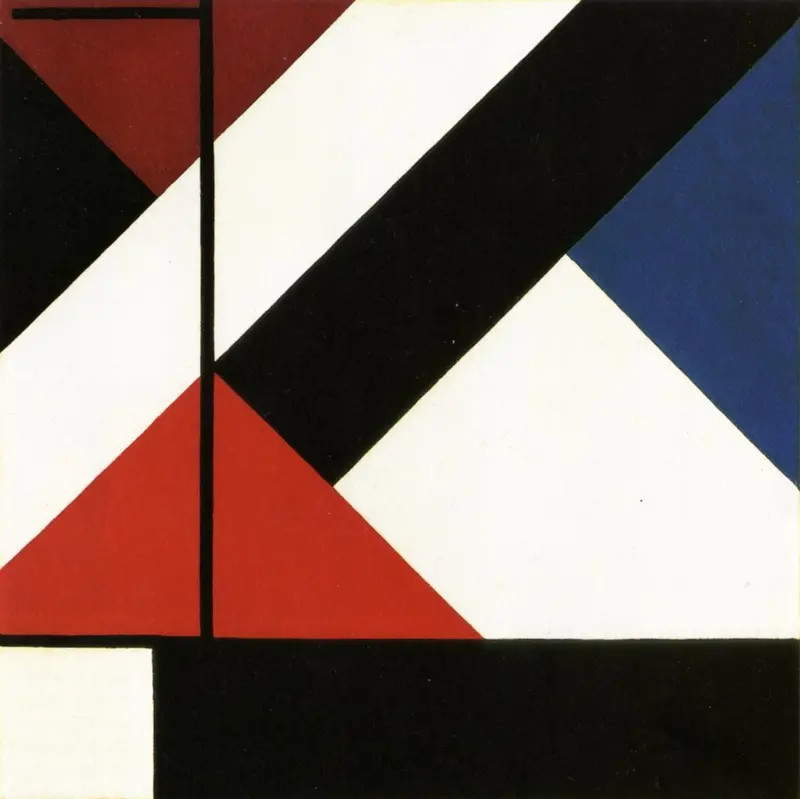
Simultaneous Counter-Composition
Theo van Doesburg
Stained-Glass Composition: Female Head
Theo van Doesburg
De Stijl, vol. 4, no. 2 (cover)
Theo van Doesburg





