
Copperhead Snake on Dead Leaves, study for book Concealing Coloration in the Animal Kingdom — History & Facts
The first thing to catch the eye in Copperhead Snake on Dead Leaves, study for book Concealing Coloration in the Animal Kingdom is how the painting seems to withhold its secret. At a glance, it is simply a dense carpet of autumn leaves, rendered in a palette of ochres, russets, and muted browns. But as the gaze lingers, a subtle, sinuous form emerges from the camouflage: the copperhead snake, its body almost indistinguishable from the scattered leaves.
The artist guides the viewer’s attention through a masterful play of repetition and interruption—where the snake’s scales echo the leaf shapes, and only the glint of an eye or the curve of a jaw betrays the animal’s presence. The light is soft and even, flattening the scene so that the boundary between animal and environment nearly dissolves, inviting a slow, attentive looking. Created between circa 1910 and circa 1915, this work belongs to a moment when naturalists and artists alike were fascinated by the science of concealment in the animal world. Abbott Handerson Thayer—whose name is closely linked to the study of camouflage—crafted such images as both scientific illustrations and works of art, blurring the line between observation and imagination.
Studies like this, made for the book Concealing Coloration in the Animal Kingdom, were intended to reveal the hidden marvels of adaptation, showing how animals evade predators by blending into their surroundings. Today, the painting is part of the collection at the Smithsonian American Art Museum, where it continues to reward patient viewers with the thrill of discovery: a reminder that sometimes, the most remarkable things are hidden in plain sight.
More Artworks by Abbott Handerson Thayer

Angel
Abbott Handerson Thayer

Mount Monadnock
Abbott Handerson Thayer
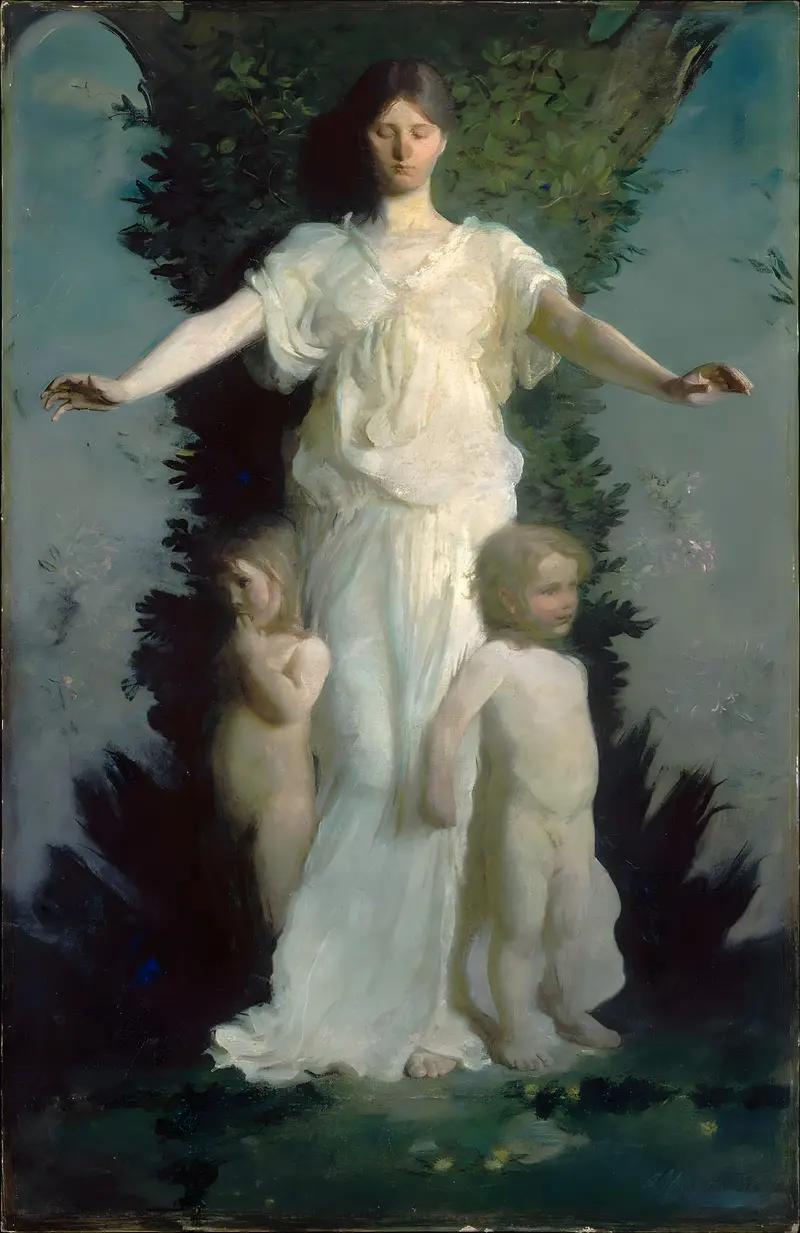
Caritas
Abbott Handerson Thayer

Winter, Monadnock
Abbott Handerson Thayer
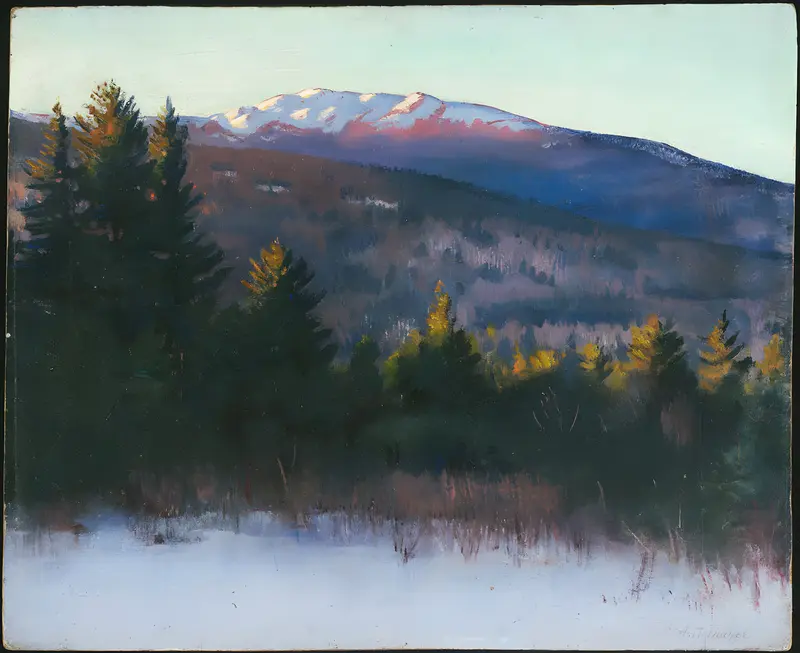
Mount Monadnock
Abbott Handerson Thayer
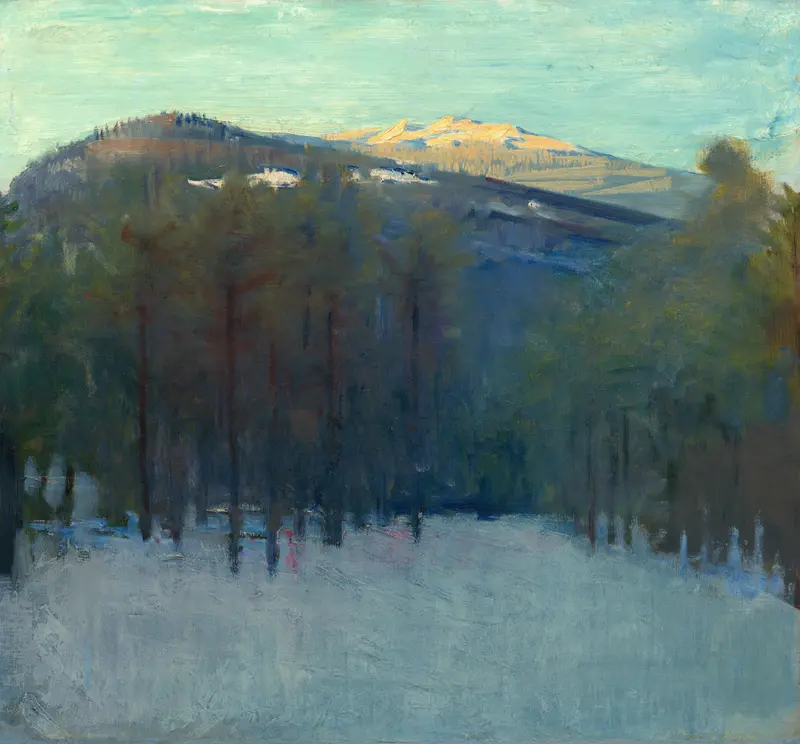
Mount Monadnock
Abbott Handerson Thayer

Winged Figure
Abbott Handerson Thayer
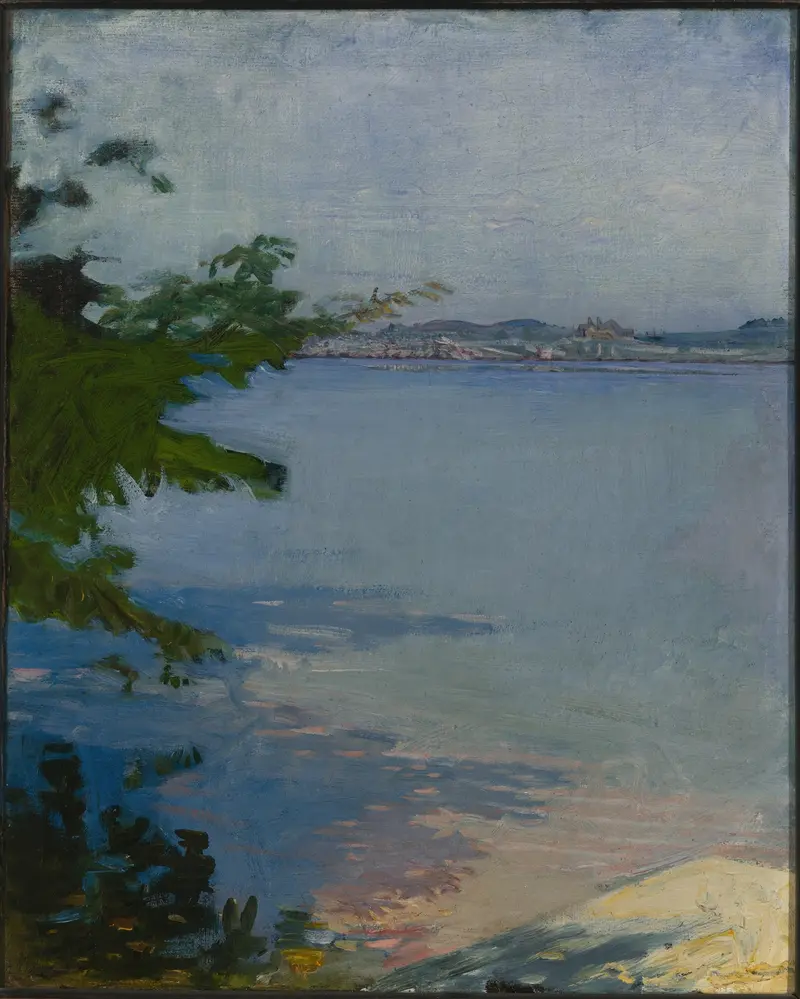
Dublin Pond, New Hampshire
Abbott Handerson Thayer
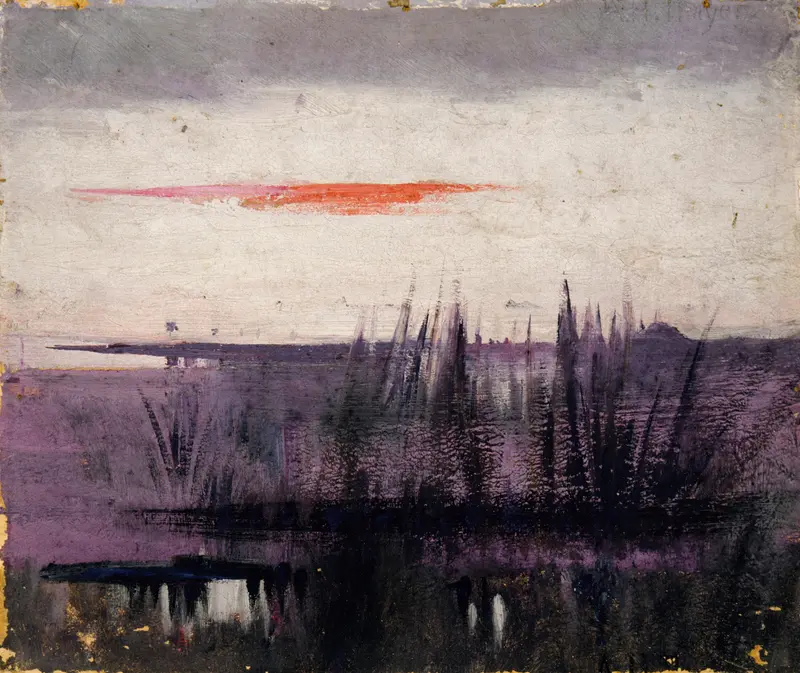
The Sky Simulated By White Flamingoes Study For Book, Concealing Coloration In The Animal Kingdom
Abbott Handerson Thayer
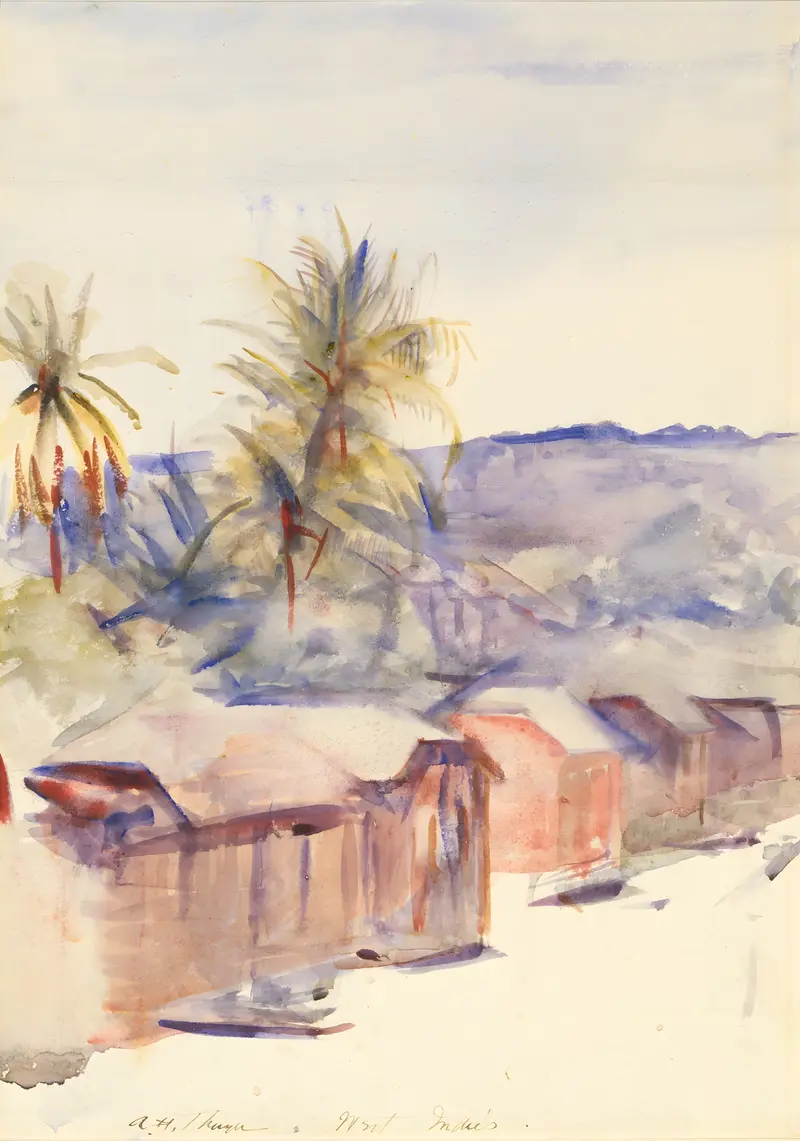
Village Street, Dominica
Abbott Handerson Thayer





