Corridor in the Asylum — History & Facts
Could beauty survive in a century of chaos? In an era marked by tumult and uncertainty, this poignant work captures the fragile essence of truth amid the shadows of despair. Look to the left at the elongated corridor, where the walls bend inward, creating a visual embrace that draws you deeper into the scene. Notice how the light spills through the windows, illuminating patches of the rustic wooden floor, contrasting the starkness of the walls with their muted, worn colors. The rich, swirling brushstrokes resonate with emotion, giving life to the space, as if the very atmosphere pulsates with the artist's inner turmoil and yearning for clarity. Delving deeper, the interplay between light and shadow speaks to the tensions of mental anguish and fleeting moments of solace.
The solitary figure at the far end of the corridor seems enveloped in contemplation, a symbol of isolation yet also of resilience. The chaotic brushwork evokes a sense of movement and urgency, hinting at the struggles within, while the corridor itself serves as a metaphor for the journey towards understanding one's own mind, a search for truth amidst chaos. Created during Vincent van Gogh’s stay at the Saint-Paul-de-Mausole asylum in Saint-Rémy-de-Provence in 1889, Corridor in the Asylum reflects the artist's ongoing battle with mental illness. At this time, he was grappling with his identity and the nature of art itself, seeking solace in painting amidst a world that often seemed beyond comprehension.
This period of his life was marked by profound introspection, a time when he harnessed his experiences to create works that resonate with raw emotional honesty.
More Artworks by Vincent van Gogh
Browse all →
Starry Night
Vincent van Gogh
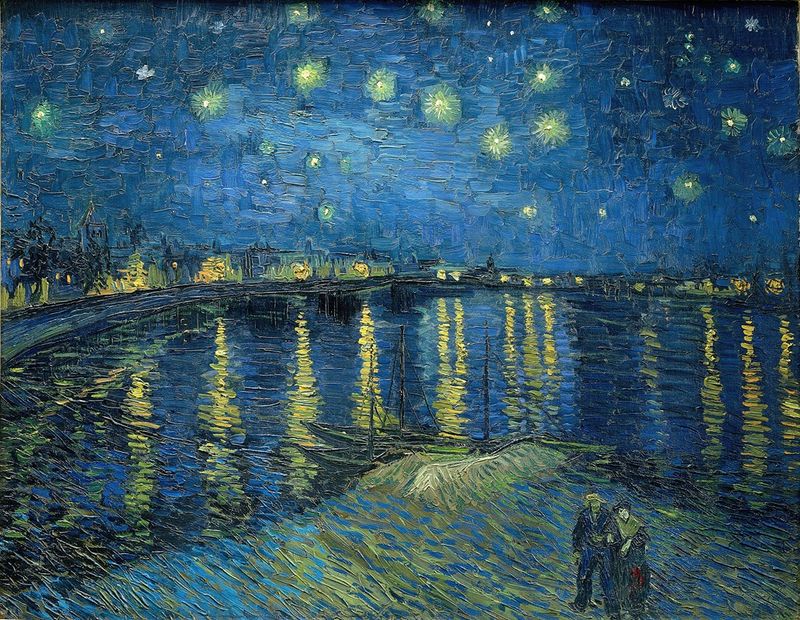
Starry Night over the Rhone
Vincent van Gogh
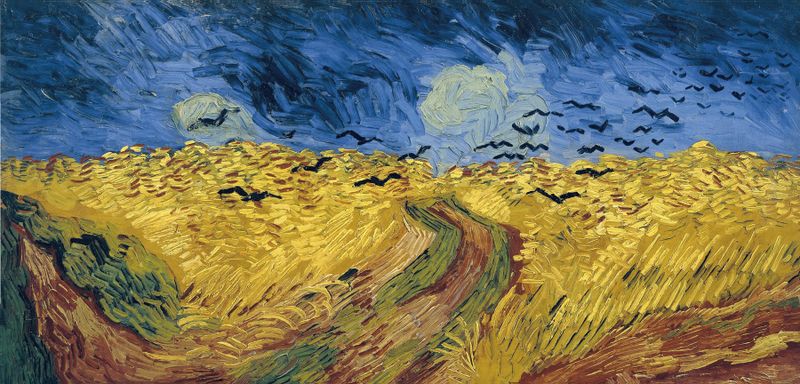
Wheatfield with Crows
Vincent van Gogh
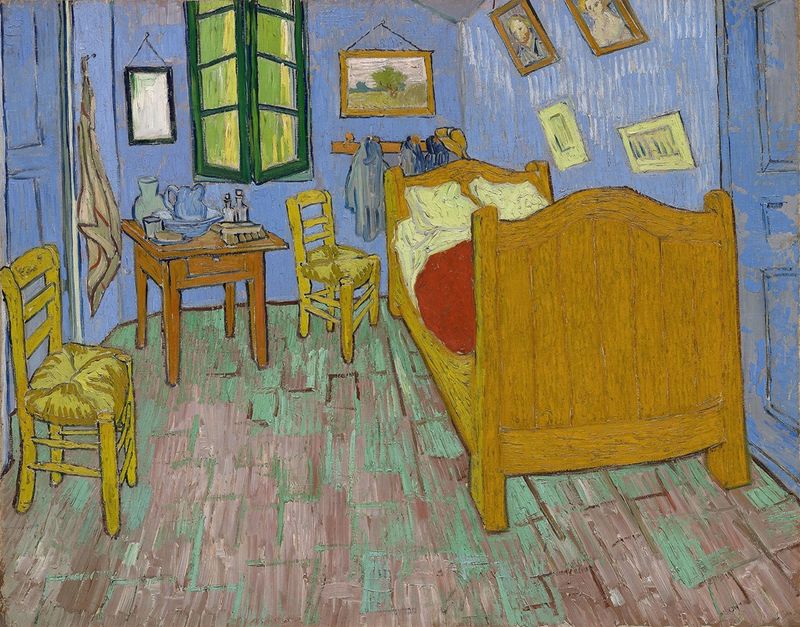
The Bedroom
Vincent van Gogh
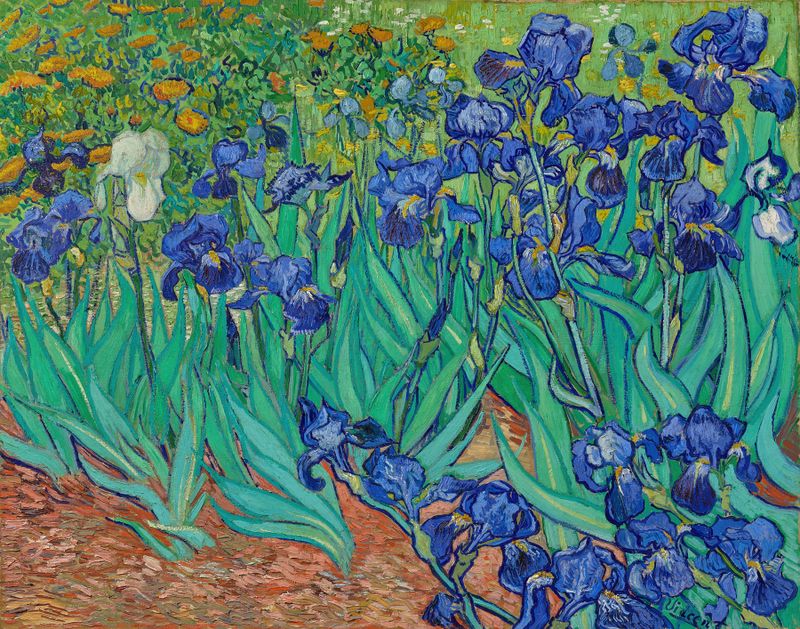
Irises
Vincent van Gogh
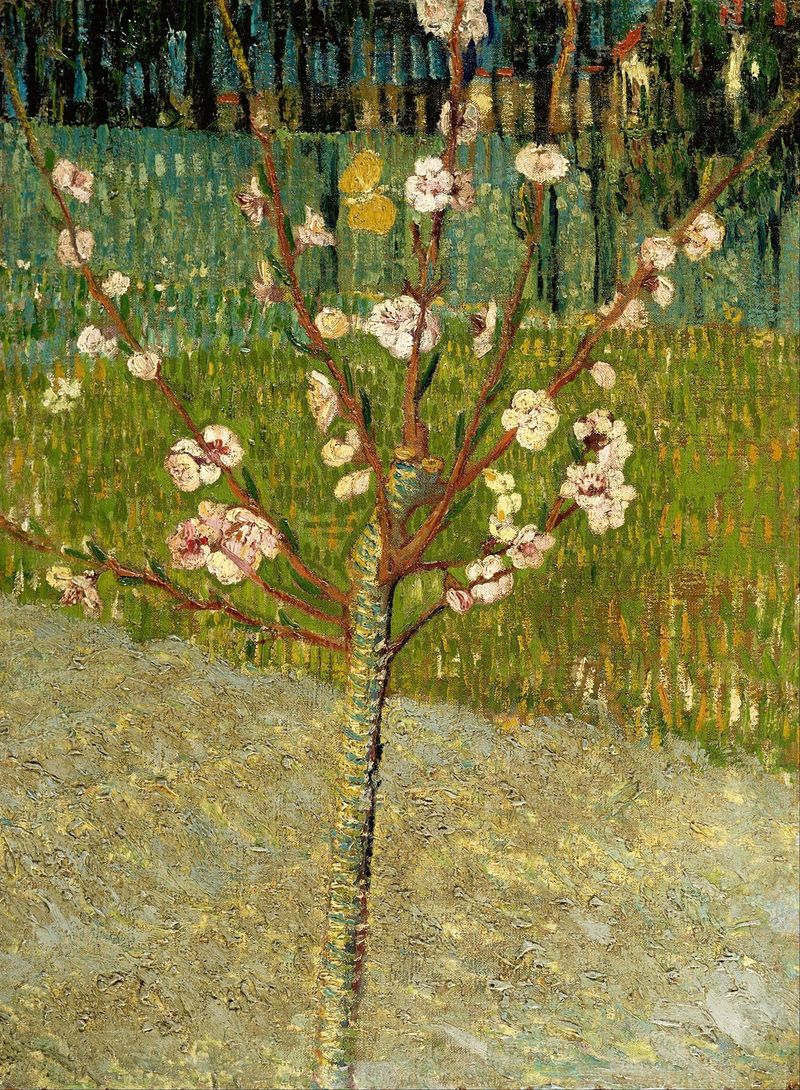
Almond tree in blossom
Vincent van Gogh

The yellow house
Vincent van Gogh

Portrait of Dr Gachet
Vincent van Gogh

The Church in Auvers-sur-Oise, View from the Chevet
Vincent van Gogh
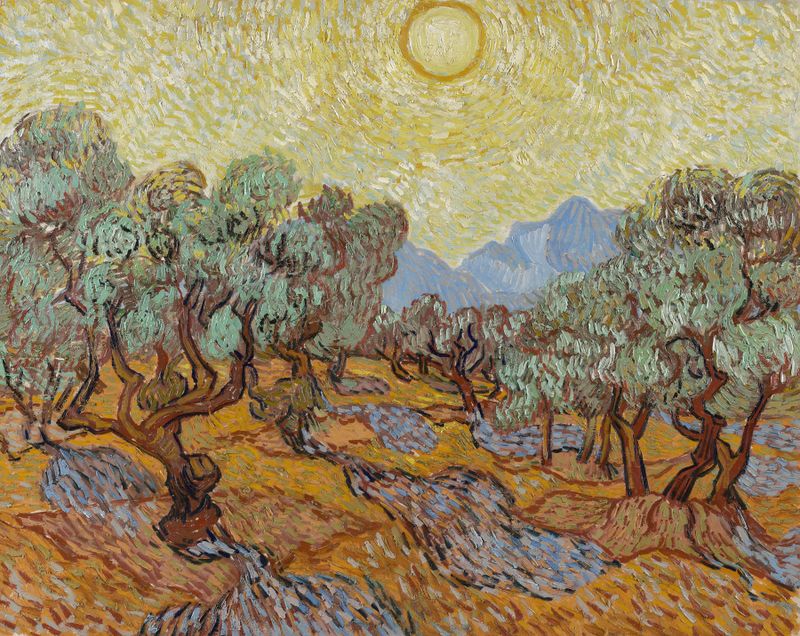
Olive Trees
Vincent van Gogh