Costumes Parisiens No. 29 (Journal des Dames et des Modes, 1912) — History & Facts
The first thing that arrests the eye in Costumes Parisiens No. 29 (Journal des Dames et des Modes, 1912) is the poised stillness of a Parisian woman, absorbed in her letter, her profile outlined with a precision that feels both intimate and theatrical. Her robe, a cascade of sea-green velvet trimmed in what the inscription identifies as ermine, falls in long, elegant lines that echo the verticals of the grand Parisian square sketched behind her.
The artist, Roger Broders, places her against a delicate cityscape—fountains, carriages, and classical facades rendered in the faintest ink—so that the world recedes and the figure’s quiet concentration becomes the scene’s true subject. The soft, almost icy palette and the gentle tilt of her head suggest a moment of private reverie amid the public grandeur. Fashion plates like this one, engraved and printed on fine paper, were the lifeblood of early twentieth-century style, their purpose both practical and aspirational. In 1912 Paris, the Journal des Dames et des Modes was a leading arbiter of taste, its pages offering readers a window onto the latest silhouettes, fabrics, and accessories.
These images were not just advertisements but cultural documents, capturing a fleeting ideal of elegance as the world teetered on the brink of modernity. The precise date and publication—1912, Paris—anchor this print in a moment when haute couture was both a business and an art, and when the city’s boulevards were its best runway. History has kept few traces of the individual lives behind these fashions, but the image invites us to imagine their stories, and to linger over every detail of dress and bearing.
More Artworks by Roger Broders
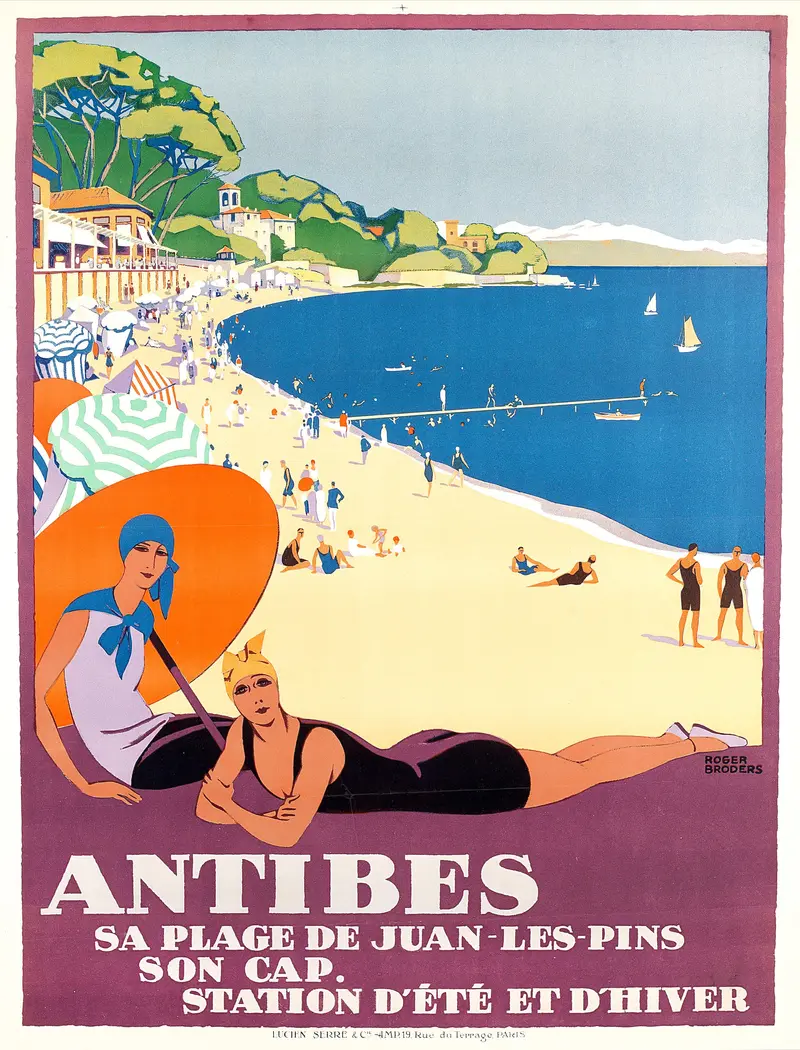
Antibes, sa plage de Juan-les-Pins
Roger Broders
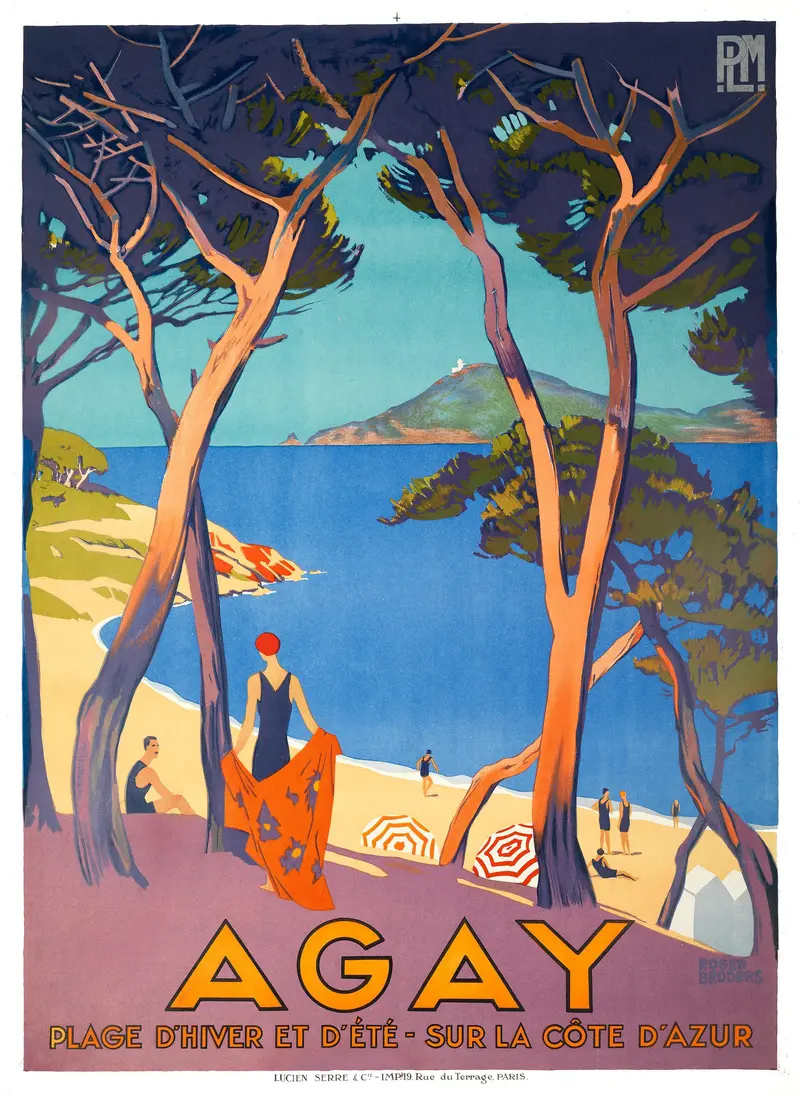
Agay, plage d'hiver et d'été
Roger Broders
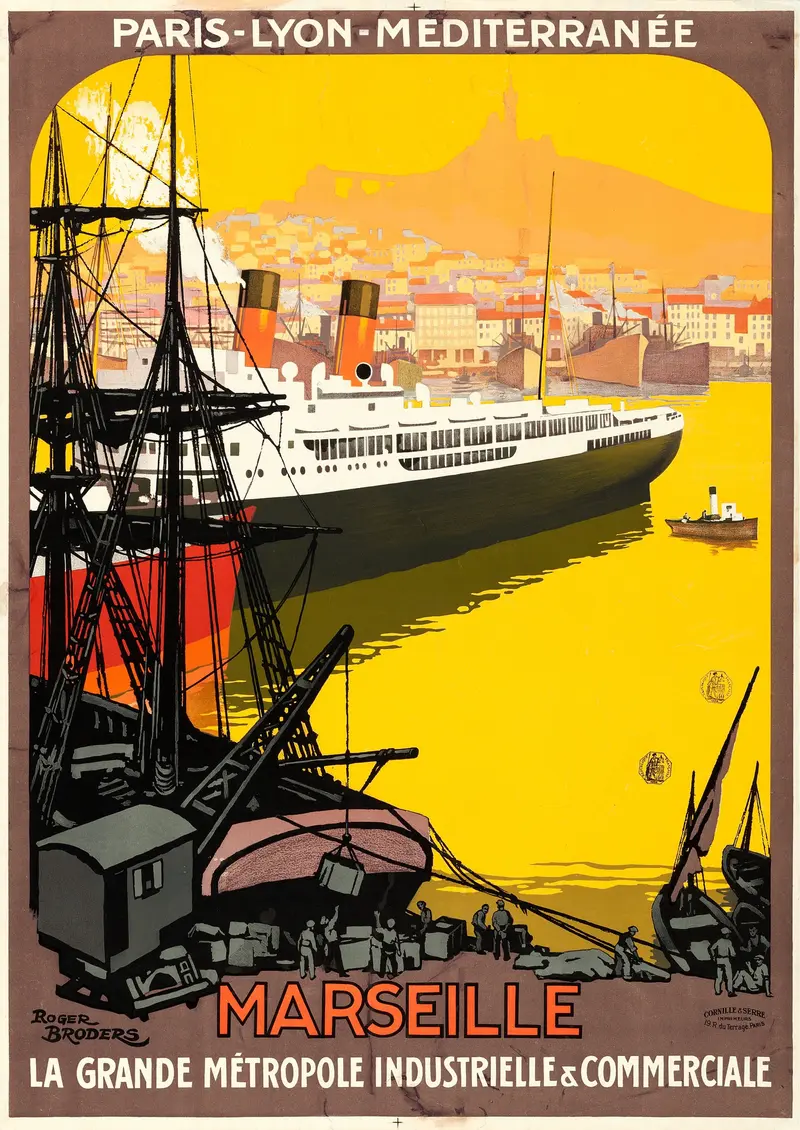
Marseille, la grande métropole industrielle et commerciale
Roger Broders
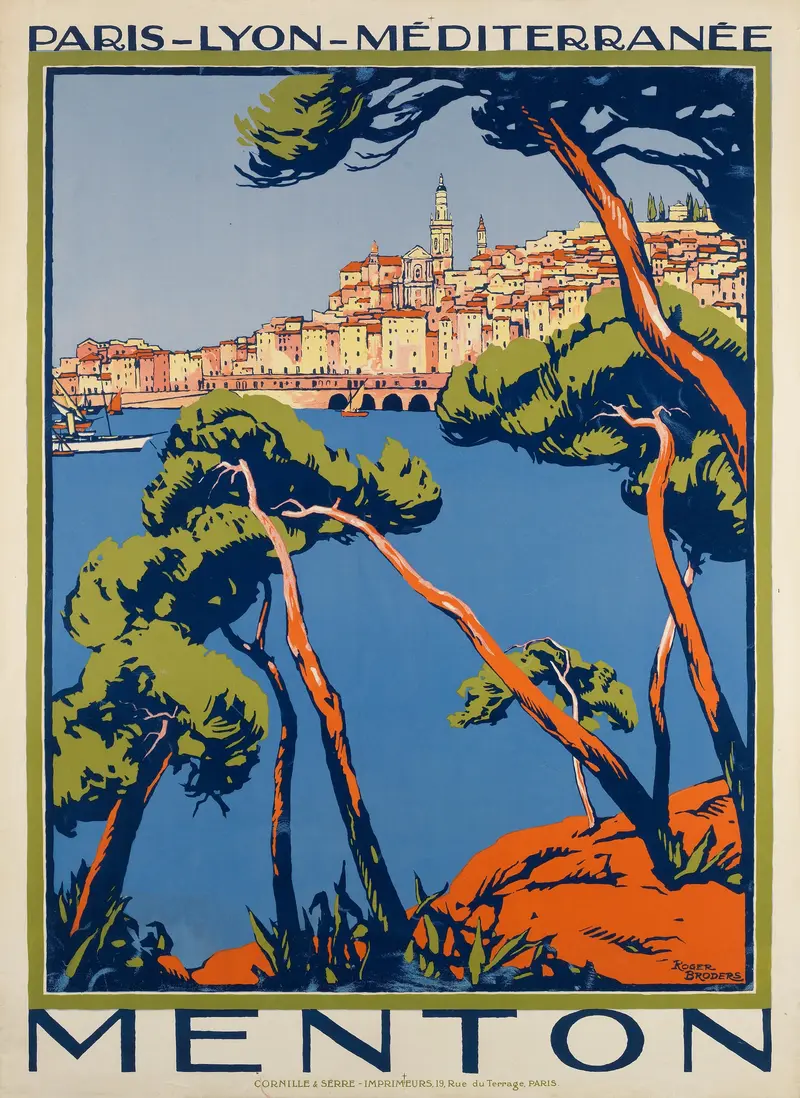
Menton
Roger Broders
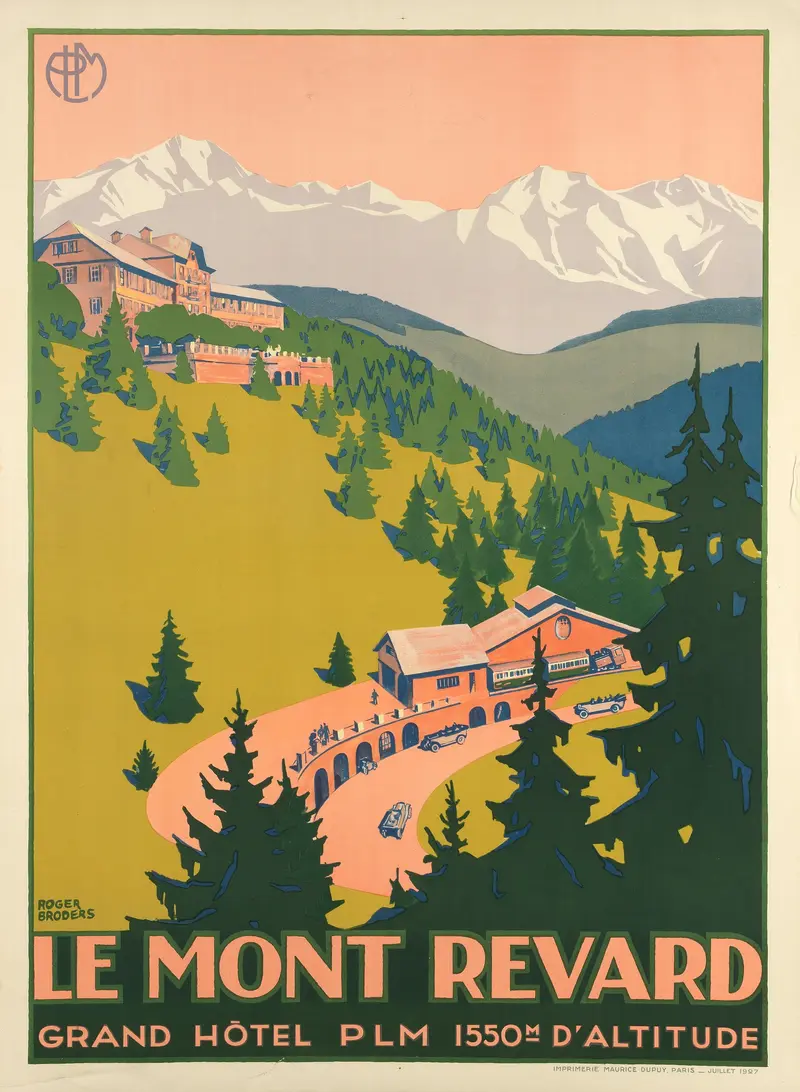
Le Mont Revard
Roger Broders
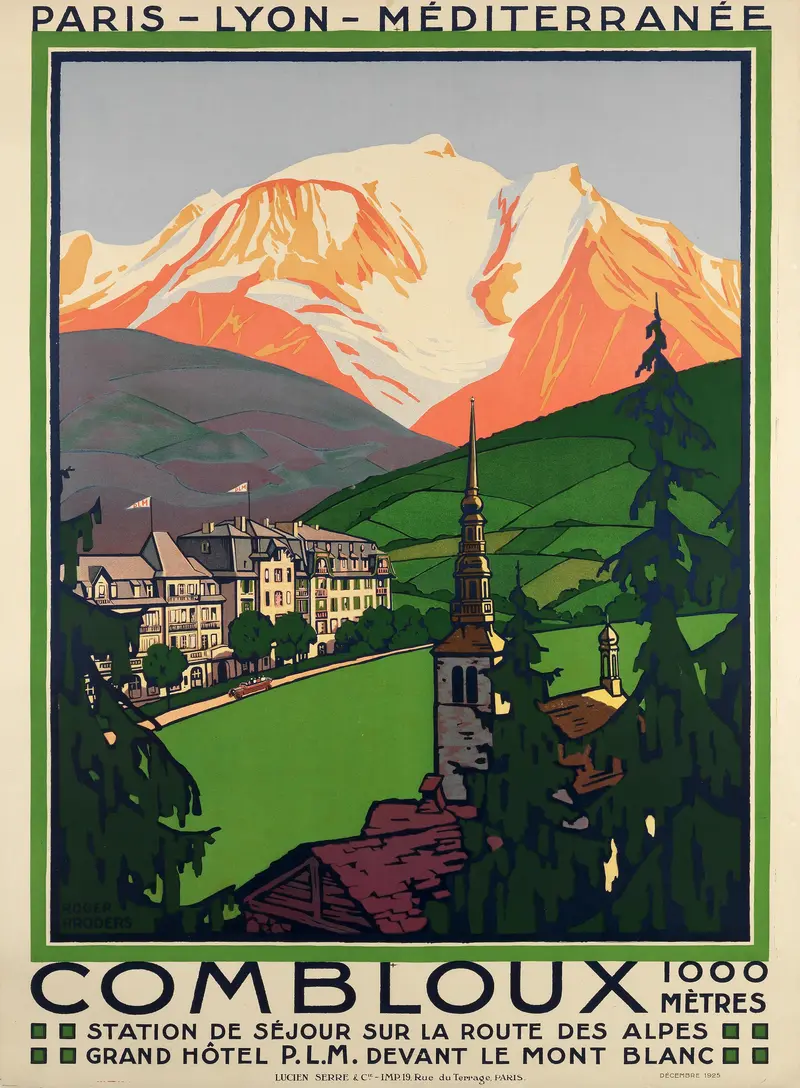
Combloux
Roger Broders
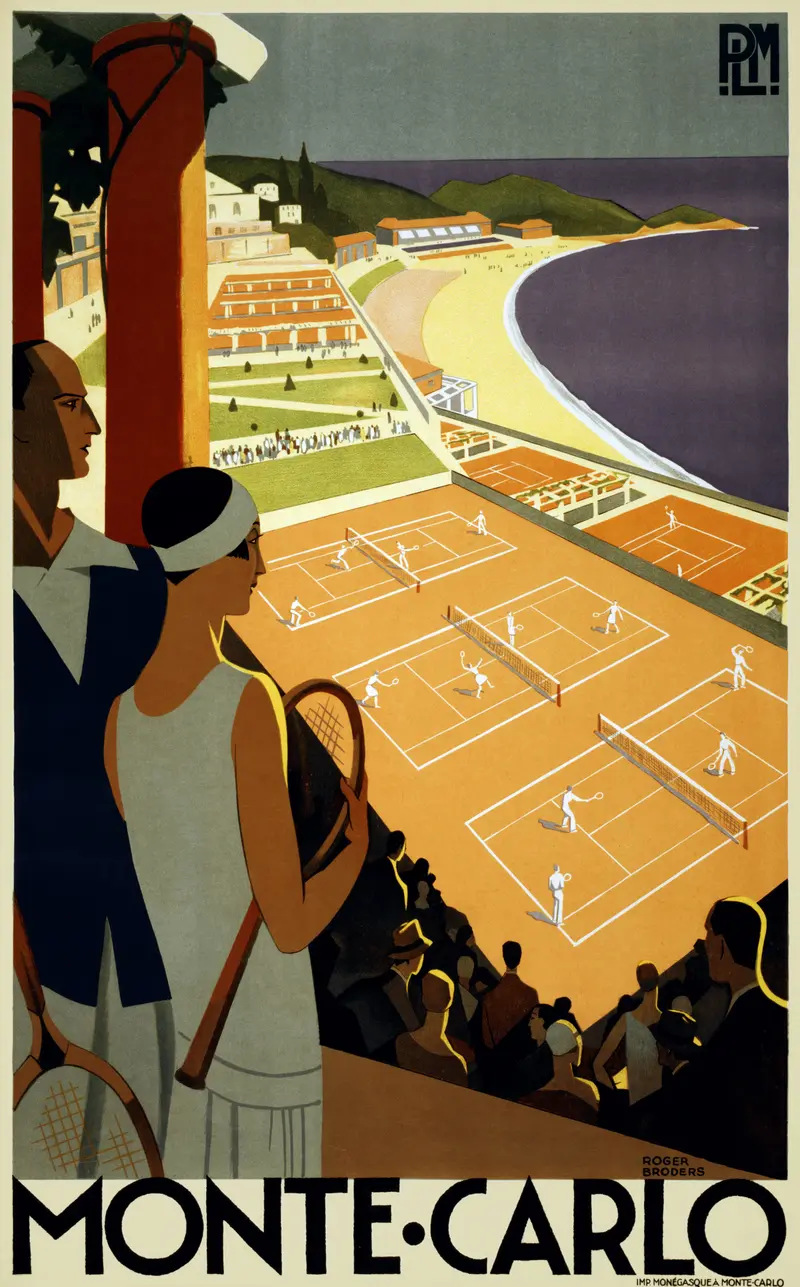
Monte-Carlo
Roger Broders
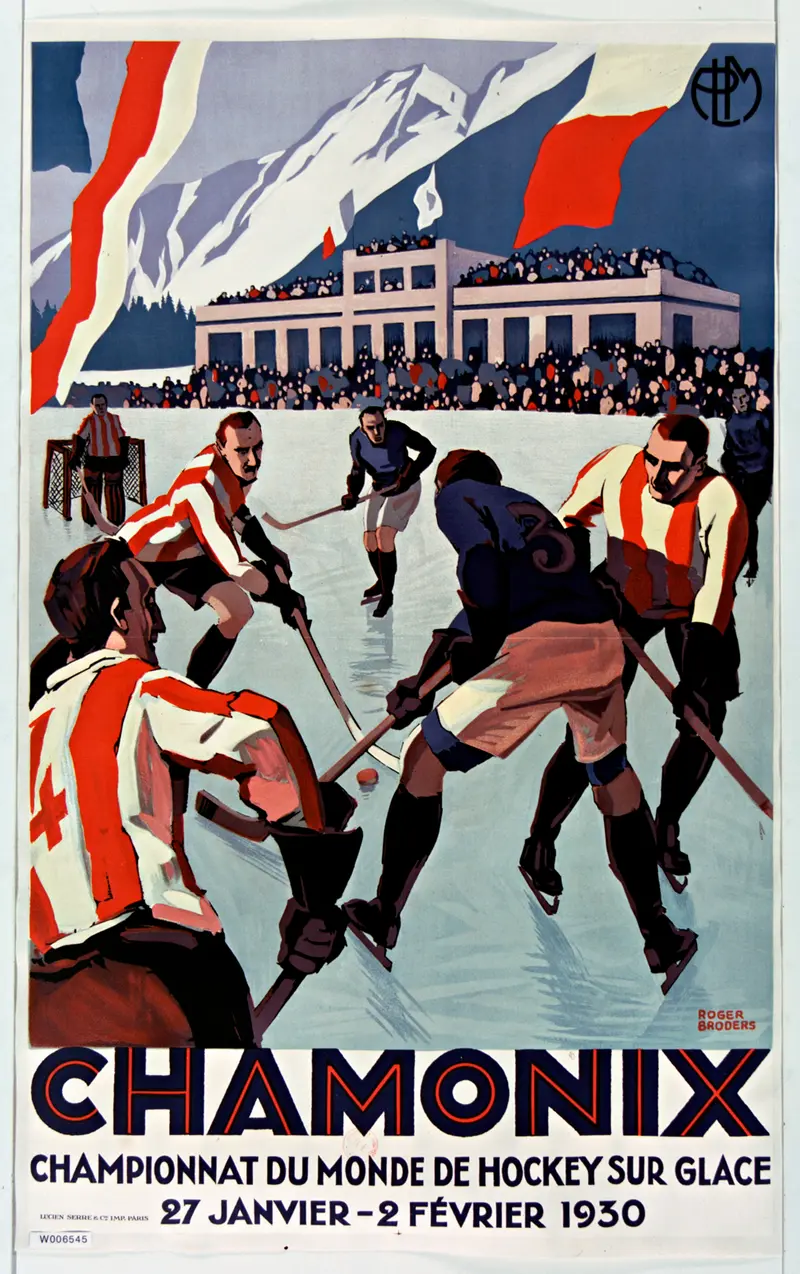
Chamonix, Championnat du monde de hockey sur glace 1930
Roger Broders
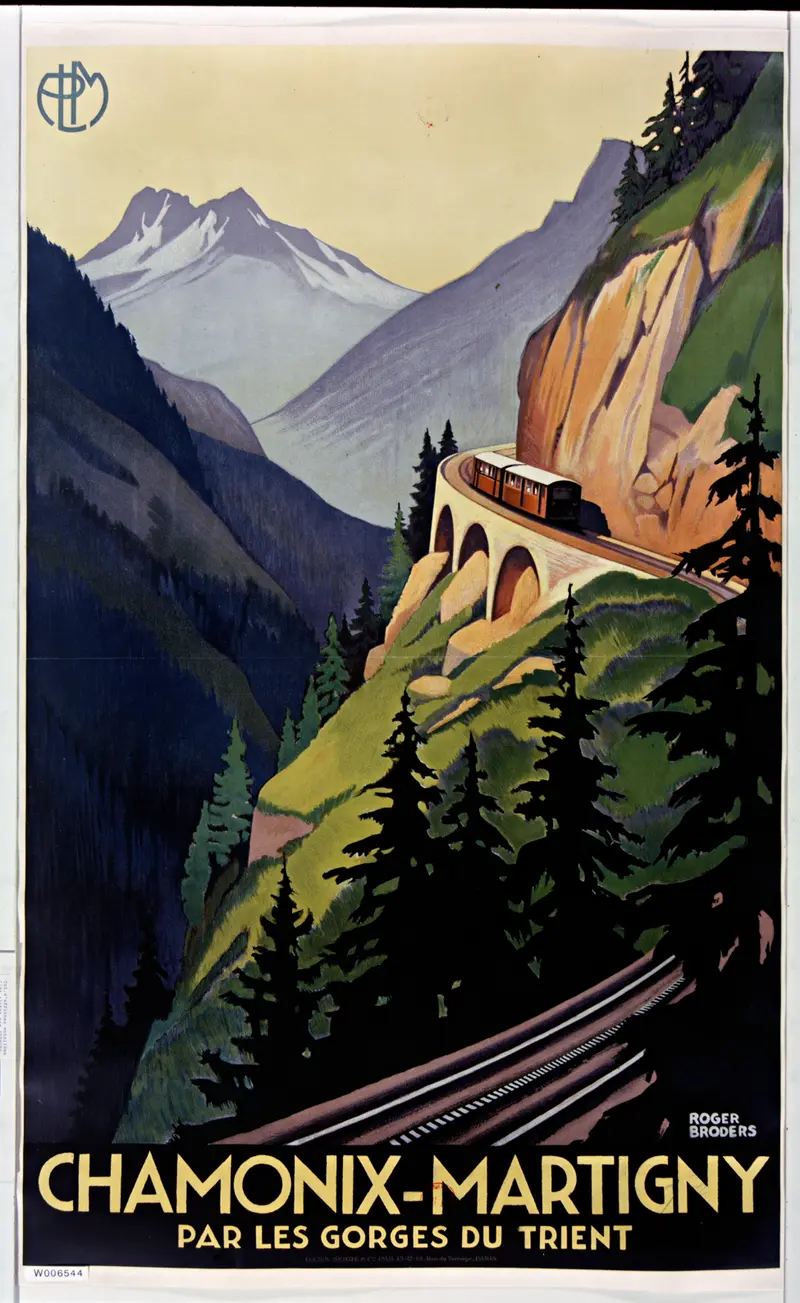
Chamonix-Martigny par les gorges du Trient
Roger Broders

La Chaîne du Mont-Blanc, l'Aiguille du Dru
Roger Broders